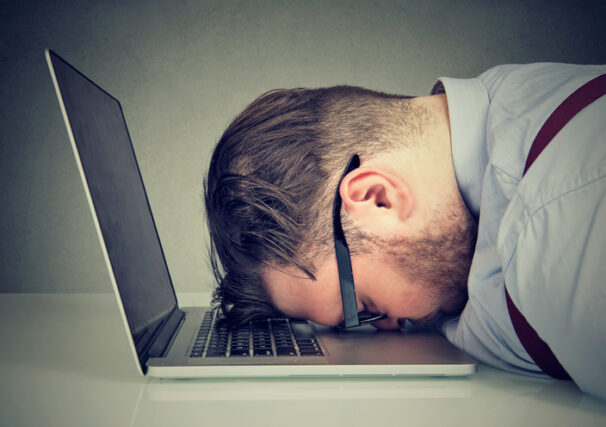
Your desk says a lot about how you’re holding up, even if you don’t realise it.

The piles you keep, the things you push to the side, and the way you arrange (or don’t arrange) your space all reflect what your head’s been dealing with. Some people tidy when they’re overwhelmed, and some end up with a setup that looks like several versions of themselves showed up in one day. It’s rarely about neatness. It’s more about where your focus and energy have been going.
When you look closely, the clues are pretty clear. A cluttered corner might show you’ve been juggling too much, while an overly stripped-back desk can hint at someone trying to regain control after a rough patch. Even the little things tell a story about your current stress levels. Once you recognise the habits hiding in your workspace, it becomes easier to see what your mind’s been trying to manage.
Your keyboard area is always cramped because you push things aside rather than deal with them.

You might think you’re managing fine because you can still type, but when everything around your keyboard forms a wall of small tasks, it usually means you’re running on pressure rather than calm. It shows you deal with things by shifting them out of the way instead of deciding what needs to stay or go. That kind of avoidance tends to build up over time and leaves your brain feeling weighed down by unfinished jobs.
There’s nothing wrong with being busy, yet when your main working area becomes the only clear space you maintain, it can be a sign you feel overwhelmed and tired of making decisions. Your desk becomes a picture of someone who keeps going but never feels caught up, and that sense of always being behind can quietly raise your stress without you noticing.
You keep multiple drinks on your desk because you forget what you already poured.

When you have a coffee mug, a half-finished tea, a water bottle and an energy drink all sitting within reach, it often suggests your mind feels scattered. You start one thing, drift to another, then come back to find you can’t remember which drink belonged to which moment. That kind of small mental slip usually happens when your thoughts are pulled in too many directions.
It doesn’t mean you’re doing anything wrong, only that your brain might be stretched thin from constant switching. Having several drinks open at once often becomes a pattern during stressful weeks when you feel rushed and distracted, and your desk ends up showing how many things you juggle without enough time to properly finish any of them.
You rely on random objects as coasters because you’re mentally checked out.

If you find yourself placing a cup on an envelope, a notebook, or even a receipt, it often hints that you’re running on autopilot. You’re not really present enough to care where things go, and your desk starts becoming a pile of improvised solutions. This usually happens when you feel mentally stretched and your attention slips into survival mode instead of calm decision-making.
The problem isn’t the cup itself, but the pattern behind it, which shows your focus is foggy, and your brain is working harder than you realise. When your desk becomes a collection of quick fixes rather than intentional choices, it tends to mean you feel drained or preoccupied, and small habits reflect that sense of heaviness.
Your cables are tangled because you rush instead of resetting your space.

A messy cable situation often happens when you feel too stressed to pause and tidy things as you go. You unplug something, drop the wire, grab another device and throw it back when you’re done, which creates a knot you never quite fix. That pattern usually shows you’re running from task to task without breathing space.
When cables stay tangled for weeks, it often signals you have been operating on urgency rather than calm. You might not feel it in the moment, but your desk records the rush through every loop and knot, and those small signs reveal how much pressure you carry without noticing.
You have piles of paper you intend to organise but keep pushing aside.

That stack of documents that you promise to sort tomorrow often reflects slow building stress. You might feel too drained to deal with anything that requires effort, so the pile grows until it becomes a reminder of tasks that never get handled. That sense of growing clutter tends to mirror a growing sense of mental clutter, too.
When the pile gets tall enough to feel embarrassing or irritating, it usually means you have been working through weeks of tension without giving yourself a proper reset. Your desk shows that you might feel overstretched, and the paper mountain becomes a sign that you need a pause rather than another hard push.
You keep snacks beside you because breaks feel impossible.

When you eat at your desk regularly, especially out of packets or convenience foods, it often suggests you feel too stressed to step away properly. You might tell yourself you’re saving time, but usually, it means you feel pressure to stay on top of everything without giving yourself a breather. Your desk ends up becoming part office and part kitchen.
This habit tends to show up during busy or emotionally draining periods when real rest feels out of reach. When you rely on desk snacks to get through the day, it often means your brain feels overloaded, and you’re trying to push through without giving yourself enough space to recover.
You constantly move things around because you can’t find what you need.

Shuffling items from one area to another usually indicates that your mind feels cluttered and unsteady. You try to get organised but don’t have the mental energy to finish the job, so things drift around the surface without finding a real home. That constant movement reflects the unsettled feeling you carry inside.
Rather than being messy, it’s about feeling too stretched to make clear decisions. When your desk becomes a shifting landscape rather than a settled space, it often shows you’re managing stress by reacting rather than planning, which leaves you feeling tired even on calm days.
You keep your screen brightness higher than usual because you’re drained.
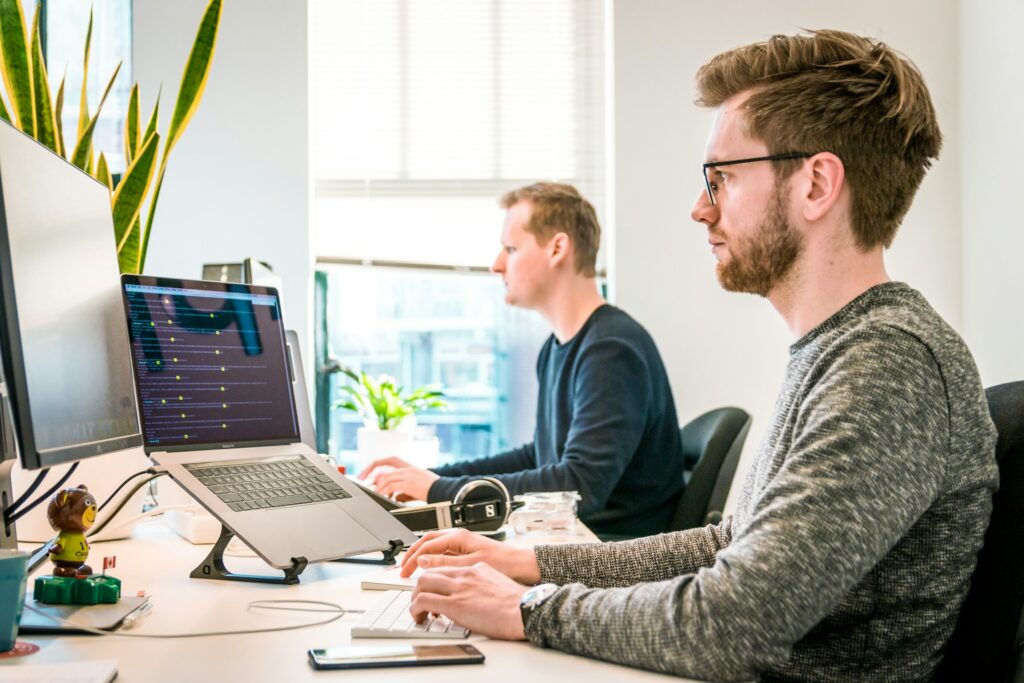
If you find yourself cranking up the bright settings, it might be because your eyes feel tired and your brain feels overloaded. People often raise the brightness during stressful spells because it helps them stay alert, even though it tires them out more. It becomes a small clue that you’re pushing through low energy.
This habit often appears without you realising, especially when you feel worn down by long hours or emotional strain. Your desk ends up mirroring that drained feeling through your screen settings, and noticing it can help you see that you might need more rest than you give yourself.
Your chair position changes often because you can’t settle into comfort.

Fidgeting with your chair height or angle throughout the day often suggests your body feels tense. You try to get comfortable but never quite find the right spot, and your desk becomes the place where your stress shows physically. You might not feel consciously stressed, yet your posture reveals what your mind tries to ignore.
When your chair becomes the thing you adjust constantly, it usually means your body carries the brunt of your emotional load. It reflects a feeling of restlessness that often builds during stressful weeks, and your desk becomes the quiet record of that tension.
You rely on sticky notes because you don’t trust your memory.

Sticky notes covering your monitor or desk surface often show you feel worried about forgetting something. You write reminders not because they’re helpful, but because your mind feels scattered, and you don’t trust yourself to remember tasks. It becomes a sign that your stress is hitting your focus.
When sticky notes build up faster than they disappear, it often means you feel overwhelmed and unsure of your capacity. Your desk becomes a wall of reminders that reflect the pressure you carry, and it shows you’re running on mental overload rather than calm organisation.
You never clear your bin because you feel too drained for small tasks.

If your bin fills until things start spilling out, it often means you feel too exhausted to deal with basic upkeep. Emptying it takes a minute, yet during stressful periods it feels like a huge job, so it keeps getting delayed. Your desk ends up showing how drained you feel more honestly than your words do.
This habit usually crops up when your emotional load feels heavy, and you’re trying to just get through the day. The overflowing bin becomes a sign that you need rest, not guilt, and it shows how much strain you have been carrying without admitting it to yourself.
Your desk looks spotless because cleaning has become a coping method.

Some people don’t show stress through mess. They show it through over-tidying. If your desk is spotless to the point where everything feels staged, it often means you feel anxious and use cleaning as a way to control something when other things feel uncertain. It’s a sign of internal pressure that comes out through perfection.
It tends to happen when you feel overwhelmed but want to appear composed, so your desk becomes the one part of your life that feels manageable. The effort it takes to maintain that level of order tends to reflect how tense you feel underneath the calm surface.
You use your desk as a storage space because your brain feels overloaded.

When your desk holds bags, clothes, chargers or random items unrelated to work, it often means your mind feels too crowded to keep different parts of life separate. You put things down wherever you find space because you feel mentally stretched and lack the energy to tidy properly. It becomes a sign of emotional strain more than laziness.
This really picks up steam during pressure-filled months when you feel overwhelmed by decisions and responsibilities. Your desk turns into a catch-all area because you’re running low on mental clarity, and noticing it can help you understand how much tension you have been carrying without acknowledging it.