Scam texts claiming to be about the Winter Fuel Payment are catching a lot of pensioners out, and the timing makes them feel believable.

The messages usually look official, especially since they mention payments you’re expecting and push you to act quickly before you’ve had time to think. It’s easy to feel uncertain for a moment when the cost of living is already on your mind. Scammers rely on that split second of doubt to get you to click or hand over details you’d normally protect.
Once you know what these texts look like, it’s much easier to spot the tricks they use. The wording, the links, and even the timing all follow familiar patterns once you’ve seen them a few times. Understanding those tells gives you the confidence to ignore the message rather than panic. A bit of awareness can save you a lot of stress and keep your information safe.
Scam texts have more than doubled in recent weeks.

New data from HMRC shows that reports of scam text messages jumped by 153% in the final week of September compared to the previous week. These fraudulent texts specifically target pensioners by claiming to be from government officials processing Winter Fuel Payment applications.
The timing isn’t coincidental. Criminals know that Winter Fuel Payments are due to hit pensioners’ bank accounts next month, so they’re ramping up their efforts to catch vulnerable people off guard. After dropping off following a peak in June, these scams are now surging again as payment season approaches.
The payments are made automatically so you never need to apply.
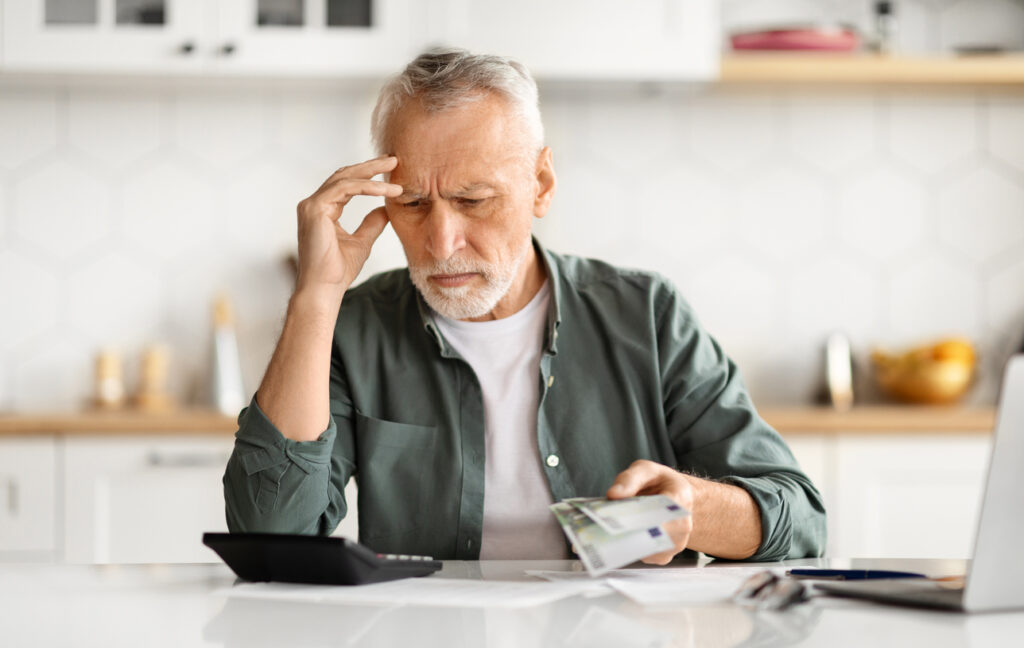
One of the most important things to understand is that Winter Fuel Payments don’t require any action from you. If you’re eligible, the money will land in your bank account automatically between mid-November and December, with no application process needed.
This is exactly why any text message asking you to apply or provide information is definitely a scam. The government will never contact you by text asking for bank details or personal information related to these payments. Knowing this simple fact can protect you from falling victim to these criminals.
Fraudsters are preying on people’s financial worries.

Scammers deliberately target older people who are already anxious about affording their heating bills this winter. Many pensioners living on low incomes are genuinely worried about how they’ll manage, which makes them more vulnerable to messages that seem to offer help or require urgent action.
These criminals are exploiting real financial hardship for their own gain. The messages are designed to create panic and pressure you into acting quickly without thinking. When someone is already stressed about money, they’re more likely to respond to what seems like an official request.
The scam messages use pressure tactics to rush you.

Fraudulent texts typically create a sense of urgency, suggesting you need to act immediately to secure your payment or provide information within a tight deadline. This pressure is deliberate because scammers know that rushed decisions bypass your normal caution.
Genuine government communications never demand instant action or threaten that you’ll miss out on payments if you don’t respond straight away. If a message is pushing you to click a link, download something, or hand over details urgently, that’s your red flag that something isn’t right.
Forward suspicious texts to 7726 free of charge.

If you receive a text message about Winter Fuel Payments, don’t engage with it at all. The best thing you can do is forward it immediately to 7726, which is a free service that helps mobile phone providers identify and block the numbers being used by scammers.
After forwarding the message, delete it from your phone. Don’t click any links, don’t reply, and don’t try to investigate further yourself. Reporting these texts helps protect not just you, but other vulnerable people who might be targeted by the same criminals.
You’ll receive an official letter about your payment amount.

Eligible pensioners will get a proper letter through the post in October or November telling them exactly how much they’re going to receive. This is the only official communication you should expect about your Winter Fuel Payment.
If you’re unsure whether you’ve received your letter or want to check your eligibility, you can contact the Winter Fuel Payment helpline or visit the official GOV.UK website. Never use contact details provided in a text message, as these will lead you straight to the scammers.
Pension Credit could provide additional winter support.

Beyond the Winter Fuel Payment, pensioners on low incomes might be entitled to Pension Credit, which is worth an average of £4,300 a year. Many eligible people don’t claim this benefit simply because they don’t realise they qualify for it.
Checking your eligibility for Pension Credit is worth doing, especially if you’re worried about managing financially this winter. You can find out if you’re entitled to this support by visiting GOV.UK or calling the Pension Credit helpline, where advisors can walk you through the application process.
Independent Age offers free support if you’re worried.

If you’ve received one of these scam texts, and you’re concerned or confused about what to do, you can call the Independent Age free helpline on 0800 319 6789. The organisation has been receiving calls from older people who’ve been sent fraudulent messages and are understandably anxious.
Speaking to an advisor can give you peace of mind and clear guidance about what steps to take next. There’s no shame in asking for help, especially when criminals are deliberately designing these scams to be convincing and exploit your concerns about money.
The government is working with charities to raise awareness.

The Department for Work and Pensions has ramped up its social media campaign in partnership with Action Fraud to warn people about these scams. They’re also working with trusted organisations like Independent Age to make sure accurate information reaches the people who need it most.
This increased effort reflects how seriously the government is taking this wave of fraud. The more people who understand how these scams work and know not to engage with suspicious texts, the harder it becomes for criminals to succeed in targeting vulnerable pensioners.
The Triple Lock ensures state pensions continue to rise.

While scammers are trying to exploit pensioners’ financial worries, the government has committed to the Triple Lock, which means millions of pensioners will see their State Pension rise by up to £1,900. This provides some reassurance that support for older people remains a priority.
Combined with Winter Fuel Payments being made automatically, Pension Credit for those on low incomes, and Attendance Allowance for pensioners with care needs worth over £5,740 a year, there are legitimate support systems in place. The key is accessing these through official channels, not through unsolicited text messages.