Every home has that one thing that feels… off.
Maybe it’s a painting that gives you the creeps, a mirror you never quite trust, or an old heirloom that seems to carry more weight than it should. Most of the time, it’s nothing more than imagination, but history is full of stories where everyday objects were blamed for strange accidents, bad luck, or even hauntings.
From dolls and jewellery to furniture and family antiques, people have long believed that certain possessions can carry a curse, either from their past owners or the events they’ve “witnessed.” It sounds dramatic, but when odd things keep happening around the same item, it’s easy to start wondering if there’s more to it than coincidence.
Mirrors from house clearances
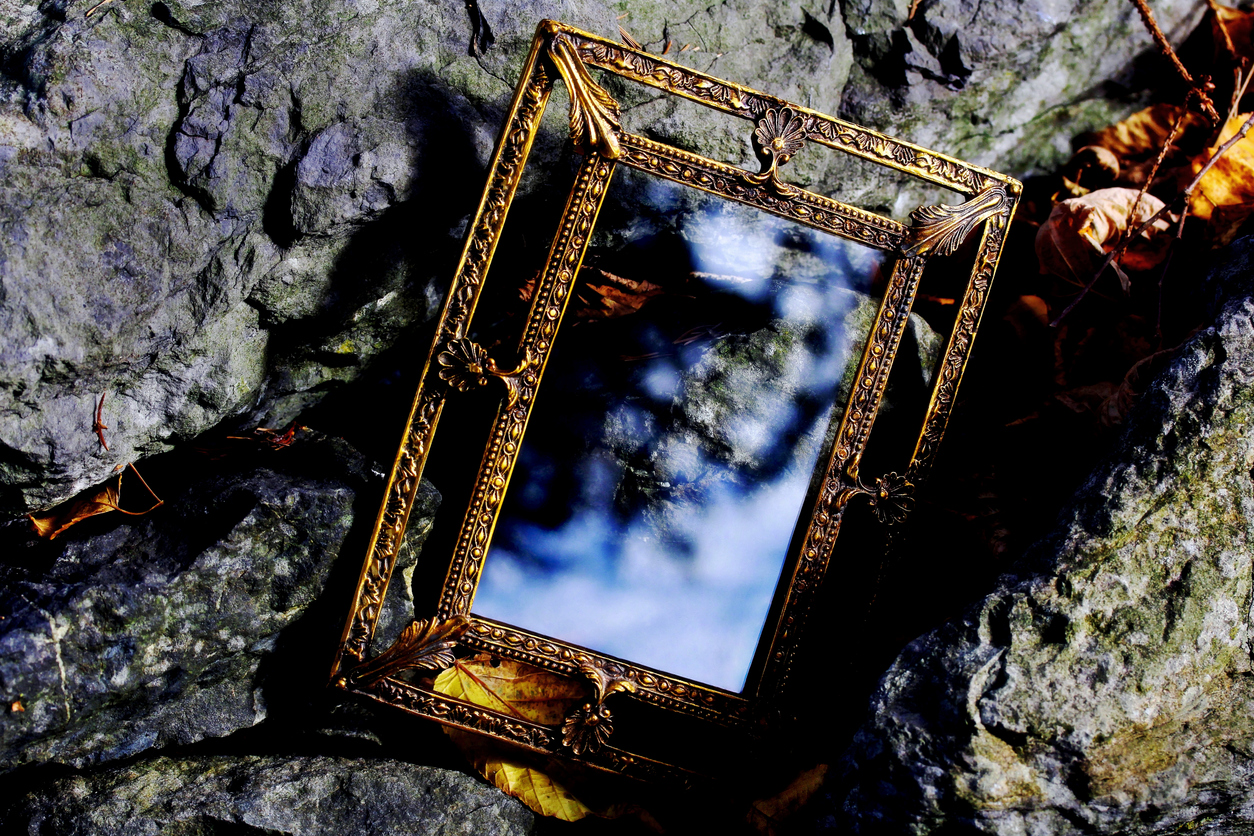
People avoid mirrors that came from homes where someone died, especially sudden or violent deaths. The belief is that mirrors can trap souls or reflect things that shouldn’t be there, and buying one from an estate sale means bringing that energy home.
The fear isn’t entirely irrational because mirrors do create unsettling effects in low light, our brains are wired to see faces in reflections, and knowing a mirror witnessed someone’s final moments adds psychological weight that’s hard to shake even if you’re not superstitious.
Dolls with realistic features
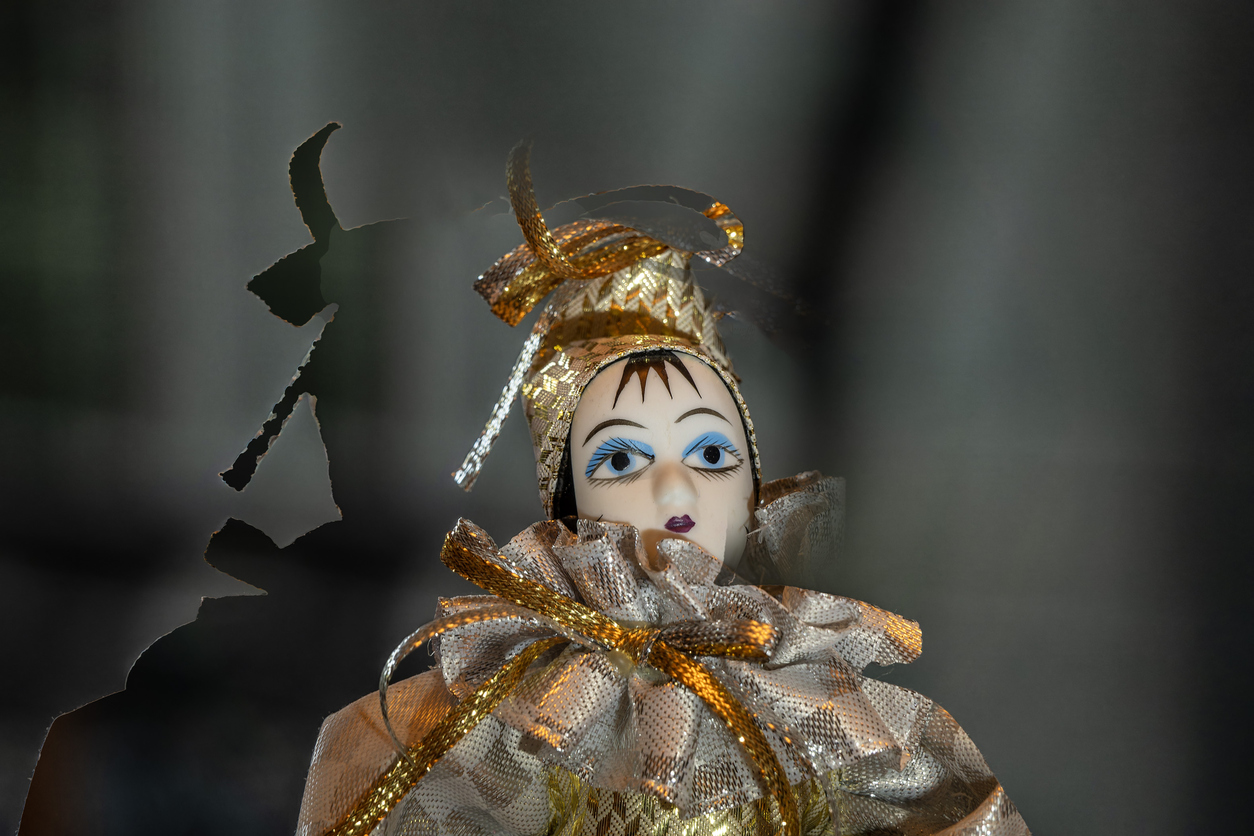
Antique dolls, especially porcelain ones with glass eyes that seem to follow you around the room, consistently creep people out. The more lifelike they are, the worse it gets, with some people reporting they cause nightmares or create an oppressive atmosphere in the home.
This taps into the uncanny valley effect, where something almost human but not quite triggers deep discomfort. Add in stories about dolls moving on their own or changing position overnight, and people would rather bin them than keep them in the house, regardless of value.
Paintings of unknown people
Old portraits, particularly ones where the subject’s eyes seem to watch you wherever you stand in the room, make people uneasy. There’s something about having a stranger’s face staring at you constantly that feels intrusive, and if you don’t know who the person was, it’s worse.
The watching effect is just how portraits are painted, the eyes are positioned to create that illusion, but it doesn’t stop people from feeling observed. When strange things happen in a house with an old portrait, that painting gets blamed first, fair or not.
Wedding dresses from failed marriages

Buying a second hand wedding dress, especially from a marriage that ended badly, is considered risky. The superstition says the dress carries the energy of that relationship, and wearing it to your own wedding invites the same outcome, divorce, betrayal, or unhappiness.
This one’s more about symbolism than supernatural belief. A wedding dress represents hope and commitment, so wearing one from a failed marriage feels like tempting fate. Even practical people who don’t believe in curses often feel uncomfortable with the idea and would rather buy new.
Inherited jewellery from difficult relatives

Jewellery passed down from family members who were cruel, manipulative, or caused pain during their lives often gets rejected by the next generation. People worry that wearing it keeps that person’s negative influence active, like carrying their personality around with you.
There’s probably nothing actually wrong with the jewellery itself, but the association is powerful. Every time you look at it, you remember the person who wore it, and if those memories are bad, the object becomes a constant reminder you’d rather not have in your life.
Ouija boards that have been used
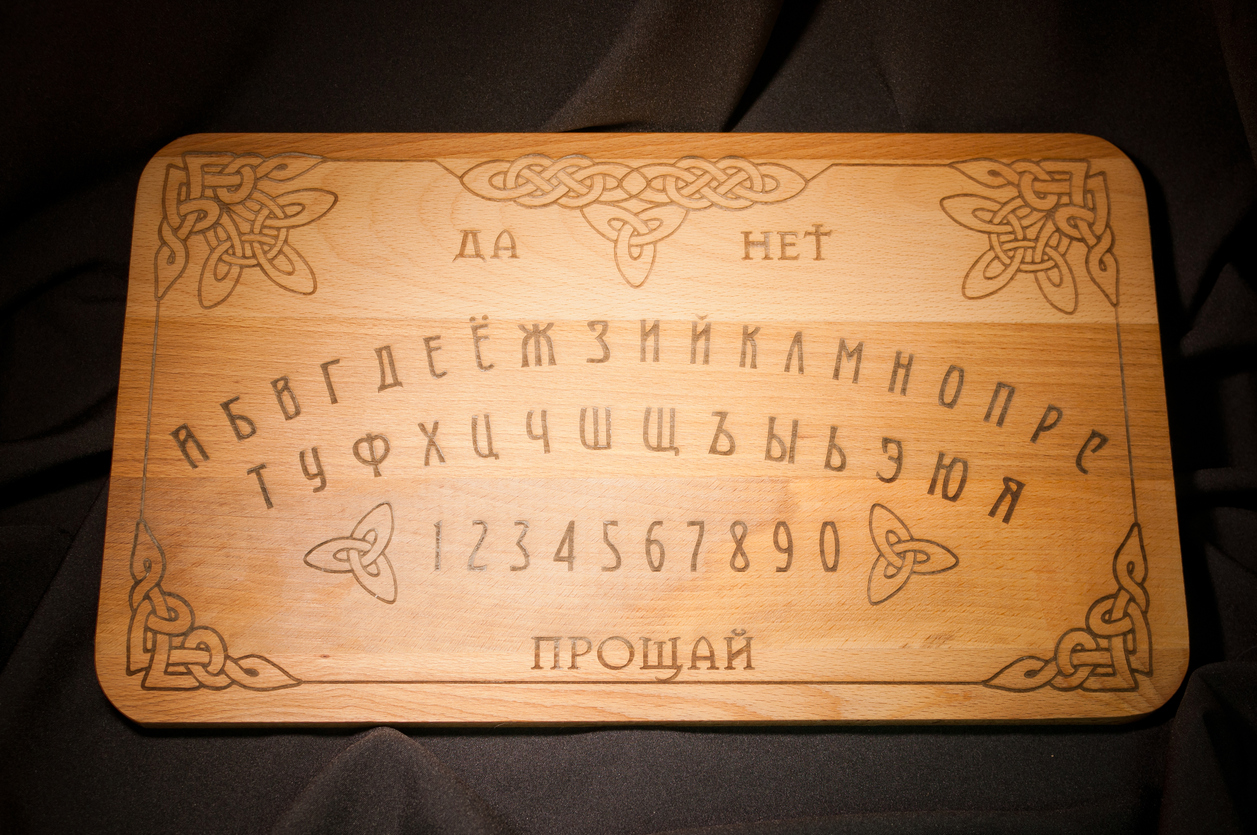
Even people who’ve never touched a Ouija board know you’re not supposed to buy a used one. The belief is that boards open doorways to spirits, and a previously used board might have something attached to it that the original owner couldn’t close properly.
Whether or not you believe in spirits, there’s something psychologically heavy about an object specifically designed for contacting the dead. Used ones carry extra weight because you don’t know what happened during previous sessions, what was asked, or what might have been invited through.
Clocks that stopped when someone died
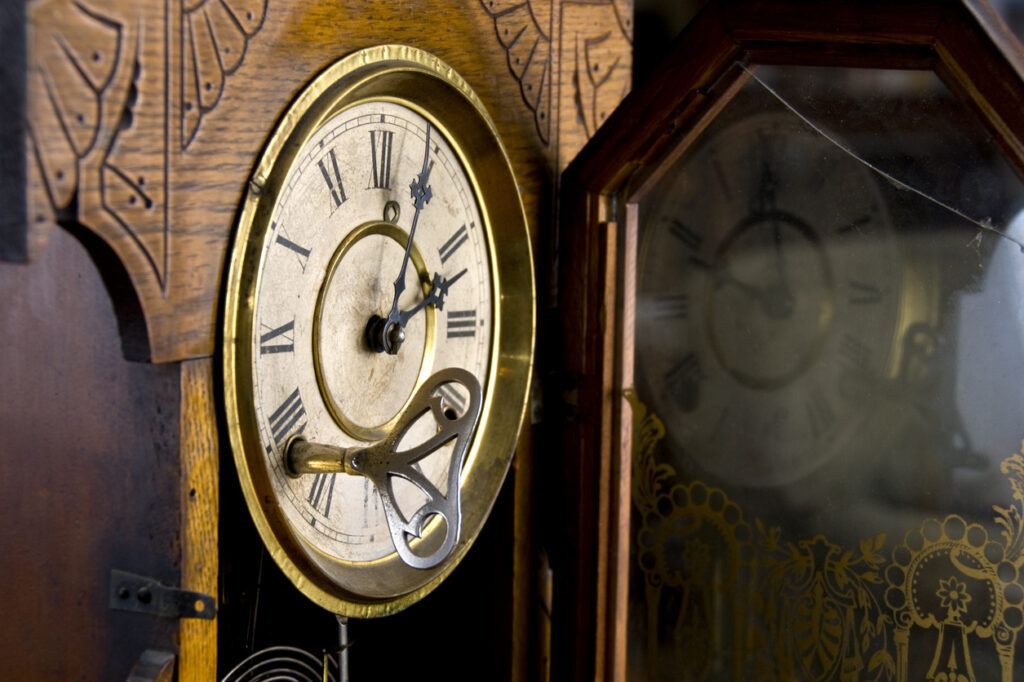
Clocks that stopped at the exact moment of a person’s death are considered deeply unlucky to restart or keep in your home. The superstition says the clock marked that person’s time running out, and keeping it means death is still present, waiting.
This belief likely comes from old Victorian superstitions about stopping all clocks in a house when someone died, meant to show time standing still out of respect. But a clock that stopped naturally at that moment feels significant, and most people would rather not risk whatever that significance might mean.
Objects taken from graveyards
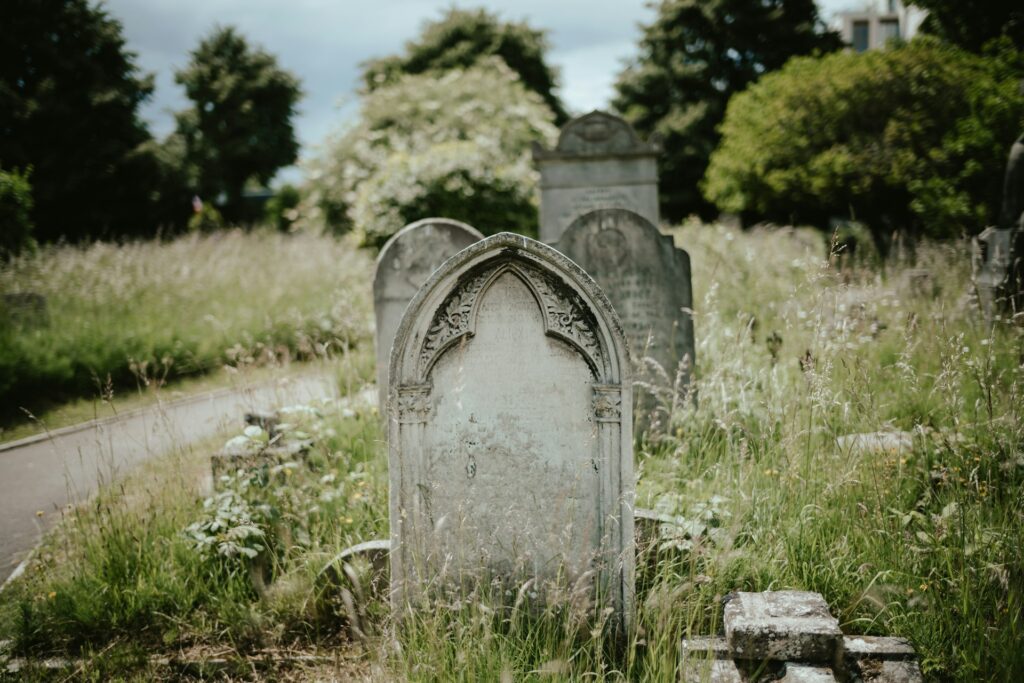
Anything removed from a graveyard, flowers, decorations, even just stones, is believed to bring bad luck or worse. The idea is you’re stealing from the dead, and they won’t rest until what was taken gets returned, causing problems until you do.
This makes sense beyond superstition because it’s disrespectful to take memorial items regardless of belief. But people report genuinely strange runs of bad luck after taking graveyard objects, enough that most avoid it entirely rather than test whether the curse is real or just guilt manifesting.
Taxidermy with unknown origins
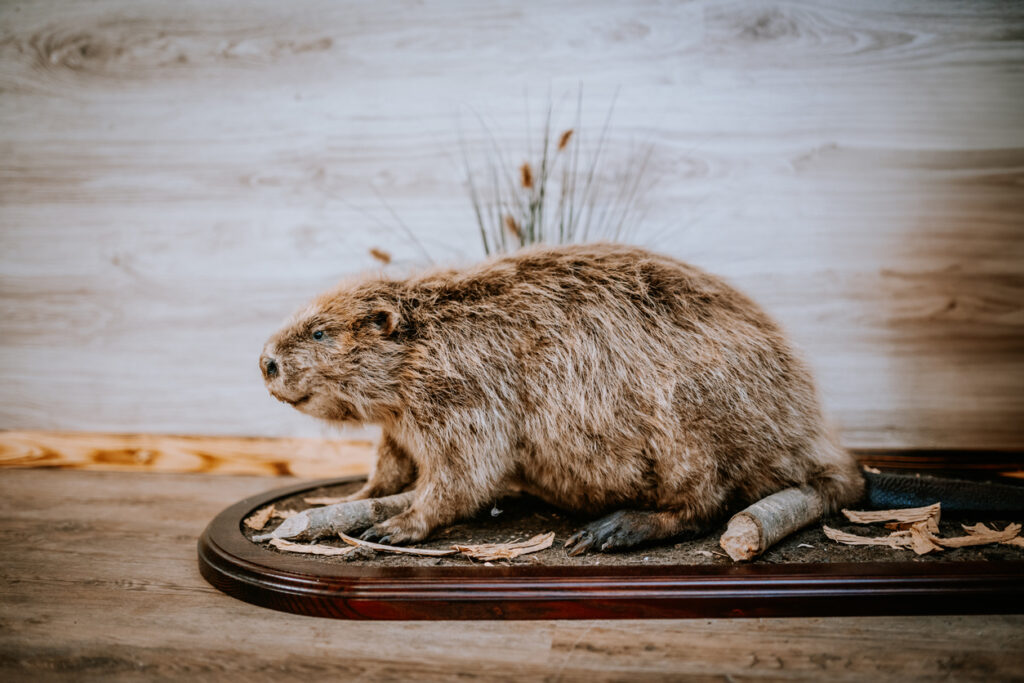
Stuffed animals, especially ones bought second hand where you don’t know the story behind them, make people nervous. There’s something about preserved dead things in your home that feels wrong, and if you don’t know how the animal died or why it was preserved, that unease multiplies.
Taxidermy sits in an uncomfortable space between decoration and death. Some people believe trapped animal spirits can cause disturbances, but even sceptics often admit taxidermy changes the atmosphere of a room, and not in a good way, especially Victorian pieces with aggressive poses.
Second hand engagement rings
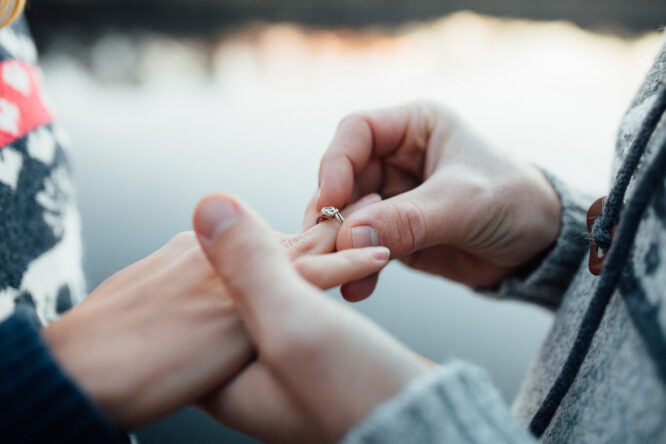
Engagement rings from broken relationships carry heavy symbolism. Giving one as your engagement ring is considered bad luck, like you’re building your relationship on someone else’s failure. Pawn shop rings especially worry people because you never know the full story behind why they were sold.
Practically, it’s just metal and stone with no memory or curse attached. But emotionally, an engagement ring represents a promise, and one that was broken before doesn’t feel like the right symbol for a new commitment. Most people would rather start fresh than inherit that history.
Antique medical instruments

Old surgical tools, especially from eras before proper anaesthesia or hygiene, creep people out. These objects were present during pain and trauma, sometimes death, and keeping them feels like preserving that suffering. Medical museums are fine, but having them in your home is different.
The fear connects to the idea that objects can absorb experiences, particularly intense ones involving pain or fear. Whether that’s true or not, most people don’t want to find out by keeping 19th century amputation saws or bloodletting equipment near where they sleep.
Photographs of people you don’t know

Old photographs, particularly Victorian death portraits or images of people staring directly at the camera with serious expressions, unsettle people. Having unknown faces watching from your walls feels invasive, and some believe photographs can trap part of a person’s spirit or energy.
There’s also the question of respect. These were someone’s family members, and displaying their image when you have no connection to them feels wrong. Some people report feeling watched or uncomfortable around old photos, which is enough to make most avoid keeping them entirely.
Items from demolished buildings
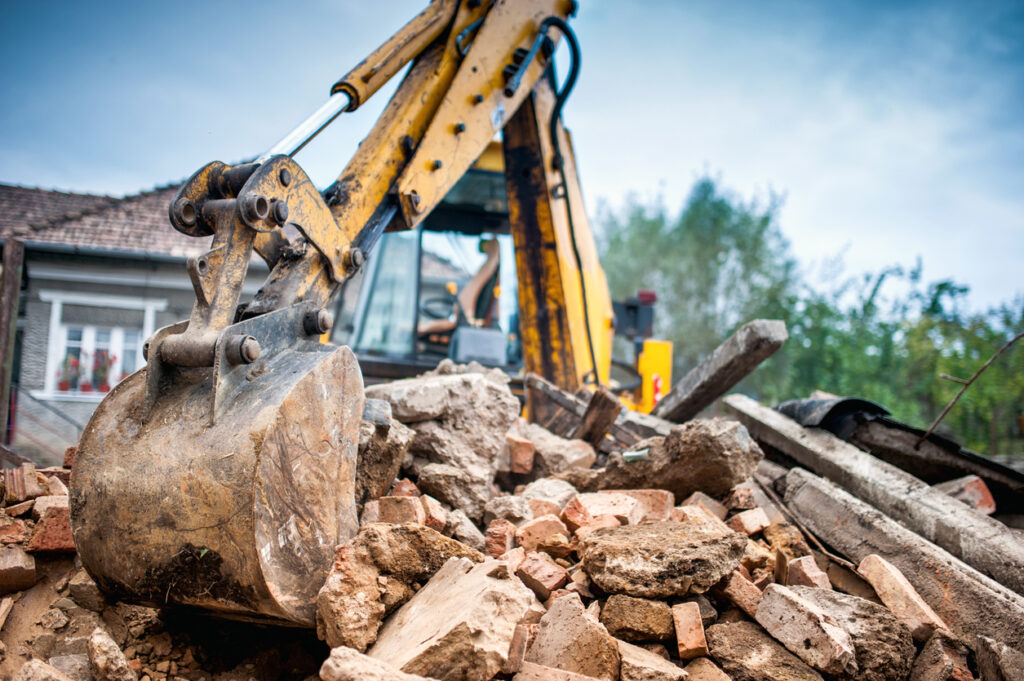
Architectural salvage from buildings that were demolished, especially hospitals, asylums, or places where trauma occurred, comes with reputation. The belief is these places absorbed years of suffering, and taking pieces of them home brings that accumulated negative energy with you.
Old door handles, tiles, or fixtures might be beautiful and historic, but if they came from a psychiatric hospital or a building with a dark past, many people won’t touch them. The history is too heavy, and even if curses aren’t real, living with objects from places of pain feels uncomfortable.
Inherited items from sudden deaths

Objects that belonged to someone who died unexpectedly, particularly in accidents or violent circumstances, often get refused by family members. The thinking is the person’s spirit might be confused or attached to their belongings, unable to move on while their things remain in use.
This comes from a place of respect and caution. When death is sudden, there’s no time for goodbyes or closure, and keeping the person’s items can feel like holding them back. Whether spiritual or just emotional, many people find it easier to donate or dispose of these belongings rather than integrate them into daily life.
Objects that cause consistent accidents

Sometimes an item just seems to cause problems. You trip over it constantly, it falls off shelves, things break near it, people get hurt around it. After enough incidents, even sceptical people start wondering if the object itself is the problem and get rid of it.
This might be confirmation bias, once you suspect something’s cursed you notice every accident near it. But it might also be that the object is poorly designed, placed badly, or genuinely unlucky. Either way, when something causes repeated problems, most people eventually remove it rather than keep testing whether it’s genuinely cursed or just inconvenient.