The UK has been on a very slippery slope over the past several years, and we’re now at a very pivotal stage as a nation.

Britain’s future could take some worrying turns if the right issues aren’t addressed, and if we let our frustrations, biases, or apathy get the better of us. From the economy to social cohesion, small cracks now could turn into serious problems within just a few years. In fact, they’re already heading in that direction, which is why there are some serious risks we really can’t afford to ignore.
1. Economic stagnation drags living standards down

If growth stays weak, wages won’t keep up with rising costs. People will feel squeezed, debts will rise, and younger generations will face fewer opportunities. Without momentum, the economy risks leaving whole sections of society struggling to cope.
Targeted investment in industries with potential, and stronger support for innovation could change this. Growth driven by new ideas, rather than just cost-cutting, helps protect living standards and creates opportunities across the country.
2. Public services under even more strain

Health care, social care, and council services already feel stretched, and that’s putting it kindly. If demand keeps rising while funding fails to match, waiting lists will grow longer, standards will slip even further, and trust in essential services will continue to fall. In fact, those services may fail to exist at all, especially if certain politicians have their way.
Reforming delivery, focusing more on prevention, and making sure budgets match real demand will be key. Using technology wisely can ease pressure, but only if investment keeps pace with needs.
3. Infrastructure and climate vulnerability
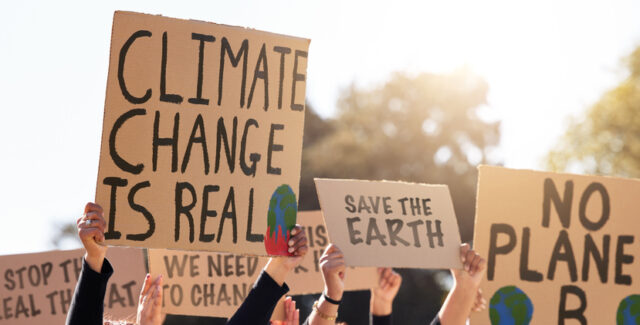
Floods, heatwaves, and rising seas are becoming more common. If infrastructure isn’t updated, transport, power, and water systems will fail more often. People will pay the price through disruption, damage, and higher bills. We can’t afford that, mentally or literally.
Investing now in flood defences, resilient energy systems, and smarter planning avoids worse costs later. Nature-based solutions can also reduce risks while protecting the environment at the same time.
4. Cold spots in regional development
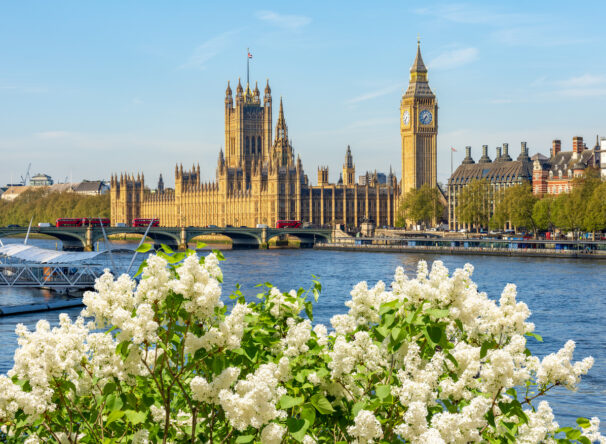
The gap between London and the South East and other regions could widen even further, if that’s possible. If jobs and investment remain concentrated in certain areas, inequality will deepen, and frustration in left-behind communities will grow louder.
Real devolution, better transport links, and incentives for businesses to expand outside the South East would help. Giving local areas power over their futures is vital for balanced growth.
5. Skills mismatch and automation shock

AI and automation are changing jobs quickly. Without new skills, many people could find themselves left behind. Unemployment and frustration would rise, and large sections of the workforce could feel irrelevant. Most people don’t know where to start when it comes to getting up to speed, however.
Building retraining into everyday life is essential. More apprenticeships, accessible adult education, and flexible learning routes will prepare people for the changes ahead and stop them being sidelined.
6. Rising debt burden and fiscal squeeze

Government debt is climbing, and higher interest rates mean repayments eat into funding for everything else. That leaves less for schools, health, or climate action, while tax pressure on citizens keeps growing. Instead, we keep spending more money on wars no one wants to be involved in and less on the infrastructure and people in the UK.
Growth-driven strategies and realistic spending priorities are needed to ease the squeeze. Investing where it creates long-term returns gives more room to fund essentials without constant cuts elsewhere.
7. Youth disengagement and political alienation

If young people feel shut out from opportunity, jobs, and decision-making, apathy and resentment will build. As time goes on, that disconnect threatens democracy itself because younger generations won’t see the system as working for them.
Creating real platforms for youth voices and investing in opportunities helps bridge the gap. Civic education and inclusive decision-making make younger generations feel they have a stake in the country’s future.
8. Housing crisis gets worse
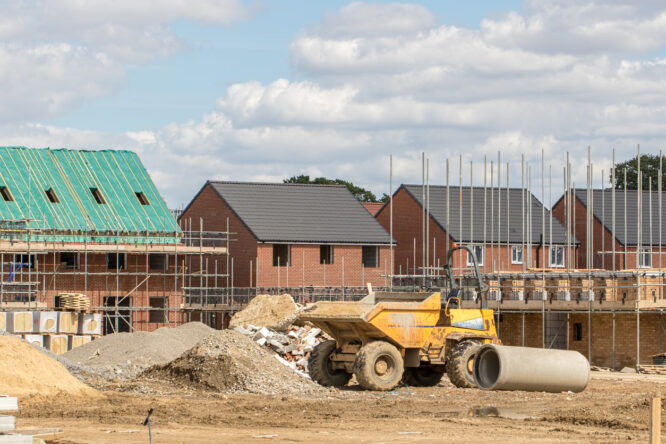
With homeownership pretty much impossible for most people and rents spiralling, the housing crisis is set to deepen. More people will be stuck without safe, stable homes, and homelessness will continue to rise.
Action means building more affordable housing, improving rental quality, and unlocking land with proper infrastructure. Expanding build-to-rent and tackling planning bottlenecks would ease the pressure long term.
9. Complete and irreparable distrust of trust in institutions
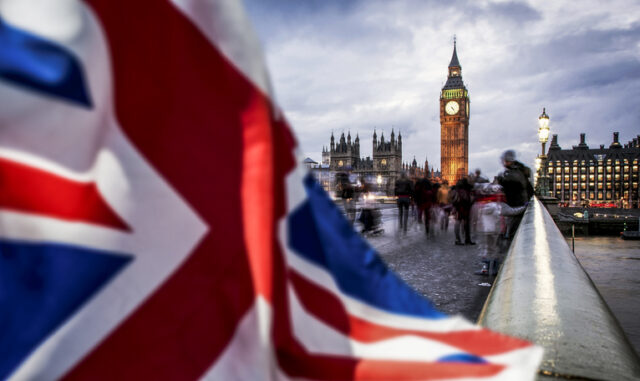
As scandals mount and services underperform, trust in government, media, and institutions weakens. When faith disappears, people stop engaging, and rebuilding it later becomes far harder than keeping it in the first place.
Transparency, accountability, and consistent delivery are key to restoring belief. Institutions must prove they deserve trust rather than expecting it automatically, which means real openness and responsibility.
10. Health and mental health crisis deepens

Mental health needs keep climbing, and physical health services are already overstretched. If waiting lists keep growing, whole communities will feel abandoned, and stress levels across the population will keep rising.
Boosting mental health funding, embedding support in schools and workplaces, and investing in community services helps ease the load. Prevention and early access make a huge difference long before crisis hits.
11. Energy insecurity and rising costs

If the energy system doesn’t diversify, households and businesses will face regular shocks. High bills, supply disruptions, and fuel poverty will become normal realities, hitting the most vulnerable the hardest. There’s zero reason people are paying so much, especially when CEOs and shareholders continue to rake in record profits with every passing year.
Investing in renewables, energy storage, and a stronger grid reduces risks. Protecting households during crises while building local supply options makes the system more resilient in the long run.
12. Fragmentation and social division

Economic pressure, inequality, and cultural changes can easily fuel division. Left unmanaged, mistrust between communities grows, and populist voices gain ground by playing on those fractures. Social cohesion weakens quickly once cracks begin. We’re already seeing this in large pockets of the UK, and it’s only getting worse.
Inclusive policies, shared projects, and opportunities for different groups to connect help maintain unity. Building trust between communities takes work but pays back in stability and resilience.
13. Environmental damage accelerates

Cutting corners on environmental protection would hurt air quality, biodiversity, and food systems. Long-term costs to health and agriculture could be devastating, and once nature is lost, it’s incredibly hard to recover.
Strong laws, active enforcement, and local conservation efforts are needed. Encouraging greener practices at every level helps protect the base systems everything else relies on.
14. Security and defence pressures rise

Cyberattacks, geopolitical tensions, and pressure on borders are likely to grow. If Britain’s security systems don’t keep pace, critical infrastructure and international standing could be at risk when instability spreads. We don’t need digital IDs, we need a real plan for staying up to scratch with technology to protect the people in this country.
Investing in modern defence, cybersecurity, and strong alliances is vital. Clear priorities and realistic funding keep the country protected against the unpredictable challenges of the next few years.
15. Loss of global influence

If Britain falls behind in technology, research, or diplomacy, it risks becoming less relevant on the global stage. That reduces its ability to shape trade, security, and climate decisions that will define the next decade.
Staying influential means investing in innovation, strengthening global partnerships, and keeping diplomacy active. Soft power, trade, and research all contribute to holding a seat at the table internationally.