If you manage to make it through the bouncer—er, receptionist—at your local GP practice and get a face-to-face appointment, congrats!
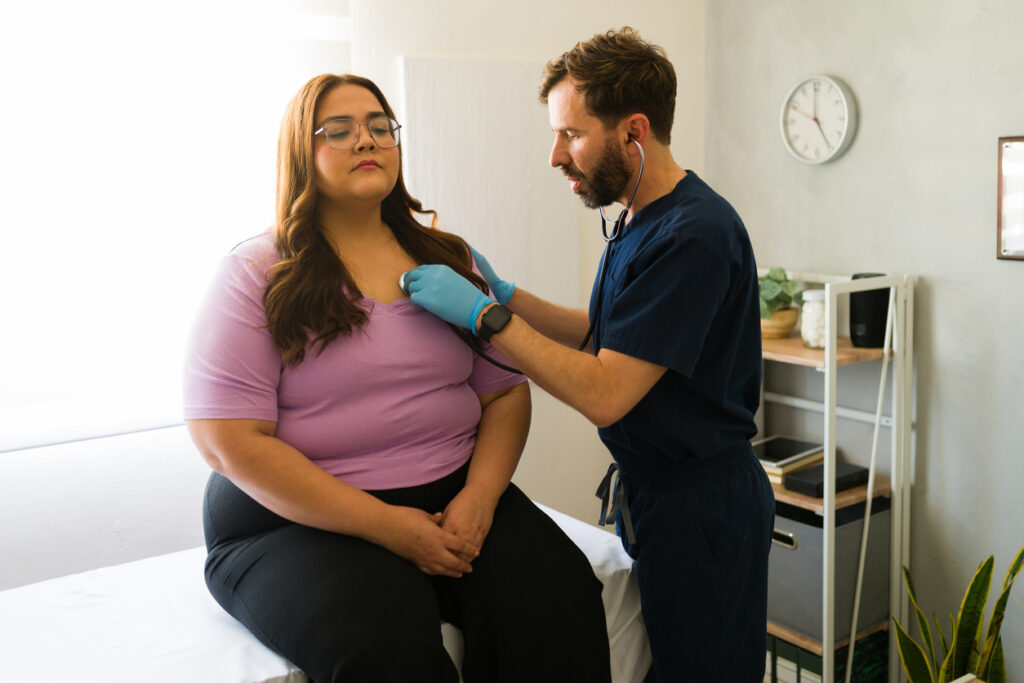
You’ve won the NHS lottery, it seems. However, once you finally get that GP appointment you’ve been waiting weeks for, you’ve got roughly 10 minutes to sort out whatever’s been worrying you. The clock’s ticking from the moment you sit down, so you really don’t want to waste precious time on stuff that won’t help. Focus on whatever you need help with and leave these things out.
Apologising for bothering them or being there

Starting your appointment with “sorry to waste your time” or “I know you’re busy, but…” is just eating into the time you actually need to discuss your health problem. Your GP expects people to come in with concerns, that’s literally their job.
Instead of apologising for existing, just dive straight into what’s wrong and let them do their job. They’d much rather spend those opening minutes hearing about your symptoms than listening to you explain why you feel guilty for booking an appointment.
Giving a massive backstory about your entire medical history

Unless it’s directly relevant, your GP doesn’t need to hear about every single health issue you’ve ever had since childhood or a detailed family tree of medical problems. They’ve got access to your notes and can ask for specific history if they need it.
Focus on what’s happening right now and how it’s affecting you today. If there’s relevant background information, they’ll ask the right questions to get what they need without you having to deliver a full autobiography.
Asking for test results that aren’t ready yet

If your blood tests or scans were only done a couple of days ago, they probably won’t be back yet, and asking about them just wastes time that could be spent on actual medical issues. Most test results take at least a week to come through properly.
Wait for the practice to contact you with results, or book a specific results appointment once you know they’re actually available. Your 10 minutes are too valuable to spend chasing information that doesn’t exist yet.
Requesting antibiotics for obviously viral infections

If you’ve had a cold for three days or a bit of a sore throat, asking for antibiotics is pointless because they don’t work on viruses and your GP will just have to explain why they can’t help. This conversation happens multiple times every single day.
Come prepared to discuss symptom management instead, or ask what warning signs to look out for that might suggest it’s become something more serious. That’s actually useful information that can help you recover properly.
Bringing up multiple unrelated health concerns in one appointment

Trying to tackle your dodgy knee, weird rash, sleep problems, and chest pain all in one 10-minute slot means none of these issues will get the attention they actually deserve. Your GP can’t properly assess four different problems in the time it takes to have a cup of tea.
Pick the most urgent or concerning issue and focus on that completely. Book separate appointments for other problems, so each one gets proper consideration rather than a rushed two-minute assessment.
Asking for a second opinion about something they haven’t examined yet

Saying “my friend thinks it might be this” or “I read online it could be that” before your GP has even looked at the problem just muddles the waters and wastes time. They need to do their own assessment first before considering other possibilities.
Let them examine you and give their professional opinion, then discuss any concerns you might have about the diagnosis. Their medical training and experience are worth more than random internet searches or well-meaning friends.
Requesting specific medications you’ve read about online
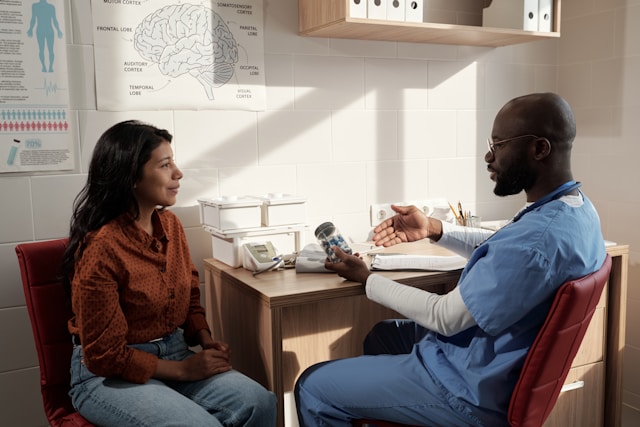
Asking for particular drugs you’ve heard about on social media or seen online isn’t helpful because your GP needs to prescribe what’s actually appropriate for your specific condition and medical history. They can’t just hand out whatever’s trending.
Describe your symptoms clearly and let them decide what treatment might work best for you. If you have questions about different treatment options, ask about those rather than demanding specific brand names.
Complaining about the appointment system or practice admin

Your GP can’t fix the booking system, change practice policies, or sort out prescription delays during your clinical appointment. They’re there to deal with medical problems, not administrative issues that are completely outside their control.
Save complaints about the practice for a separate conversation with the practice manager. Use your precious face-to-face time with the doctor for actual health concerns that only they can address.
Asking for sick notes for minor illnesses that don’t need them

Most employers don’t require sick notes for short illnesses under a week, so asking for one when you’ve got a mild cold or stomach bug is usually unnecessary paperwork. Check your workplace policy before wasting appointment time on admin.
If you genuinely need time off work for health reasons, explain the situation properly, so your GP can assess whether a sick note is medically justified and what period might be appropriate.
Discussing problems that need emergency treatment

If you’re having chest pains, difficulty breathing, or any other serious symptoms that might be life-threatening, a 10-minute GP appointment isn’t the right place to deal with it. You’re potentially putting yourself at risk by waiting.
These situations need immediate medical attention at A&E or by calling an ambulance. Don’t waste time booking routine appointments for urgent problems that could deteriorate while you’re waiting.
Asking for referrals without trying first-line treatments

Most conditions have simple treatments that GPs can start immediately, and they usually need to try these before referring you to specialists anyway. Demanding an immediate referral often just slows down your treatment pathway.
Be open to trying recommended treatments first, and discuss what the next steps would be if these don’t work. This shows you’re willing to work with the system and often gets you better results faster.
Requesting prescription repeats that could be done online

If you just need your regular medications repeated and there are no changes or problems, this can usually be sorted through the practice’s online system or by dropping off a repeat slip. It doesn’t need face-to-face time.
Save your appointment for when you actually need to discuss side effects, dosage changes, or new symptoms. Routine prescription management shouldn’t eat into clinical consultation time.
Bringing family members to speak for you when you’re perfectly capable

Unless there are genuine communication difficulties or mental capacity issues, having your mum answer all the questions for you just complicates the consultation and wastes time. Your GP needs to hear directly from you about your symptoms.
If you want moral support, that’s fine, but make sure you’re the one doing the talking. You know your own body better than anyone else, and secondhand symptom descriptions are often less accurate.
Asking for treatments that aren’t evidence-based

Requesting homeopathy, unproven supplements, or treatments you’ve seen on dodgy websites puts your GP in an awkward position because they can’t prescribe things that don’t actually work. This conversation never goes anywhere useful.
Stick to discussing treatments that are actually backed by medical evidence. If you’re interested in complementary approaches, ask about what might work alongside conventional medicine rather than instead of it.
Discussing cosmetic concerns that aren’t medical problems

GPs aren’t cosmetic surgeons, and the NHS doesn’t typically provide treatments for things that are just aesthetic preferences rather than medical conditions. Asking about procedures to change your appearance usually isn’t something they can help with.
Focus on genuine health concerns that are affecting your wellbeing. If you’re worried about changes in your appearance that might indicate underlying health problems, that’s different and worth discussing.
Bringing up mental health issues in the last 30 seconds

Mental health problems deserve proper attention and discussion, not a rushed mention as you’re about to leave. If you’re struggling with anxiety, depression, or other psychological issues, these need to be the main focus of the appointment.
Book specifically to discuss mental health concerns, so there’s enough time to properly assess the situation and discuss treatment options. These conversations can’t be squeezed into leftover appointment time.
The key to a good GP appointment is preparation and focus. Know what your main concern is, describe it clearly, listen to their advice, and save the small talk for when you bump into them at Tesco. Those 10 minutes can be incredibly valuable if you use them right.