Growing up without close friends can really mess you up in ways that can (and often do) linger long into adulthood.

The absence of connection shapes how a person sees themselves, how they build relationships, and how they operate in the world independently, and that’s tough to acknowledge. Some of the effects are painful, but others evolve into subtle strengths that define their character in surprising ways.
They become deeply independent.

When there’s no one to call, lean on, or confide in, you learn early how to stand on your own. Independence becomes instinctive because relying on other people never felt like an option. Many who grow up this way learn to handle emotions, decisions, and setbacks without looking for validation or reassurance.
That independence can be both armour and asset. It means they’re capable, practical, and rarely afraid to be alone. Yet beneath that strength can sit a quiet wish for the kind of support they never had, a reminder that even self-reliant people sometimes want someone to lean on.
They often overthink even the slightest interaction or casual conversation.

A lack of social experience as a child can lead to endless mental rewinds later. Every chat, every awkward pause, every uncertain smile can replay in their mind for hours. They analyse tone, wording, and reactions, trying to decode what everyone else took for granted.
Though it can create anxiety, it also makes them observant. They notice subtleties nobody else does, such as vibe changes, fleeting expressions, and things that go unsaid. Eventually, that awareness can become a quiet superpower, helping them read people with empathy rather than insecurity.
They struggle with trust.
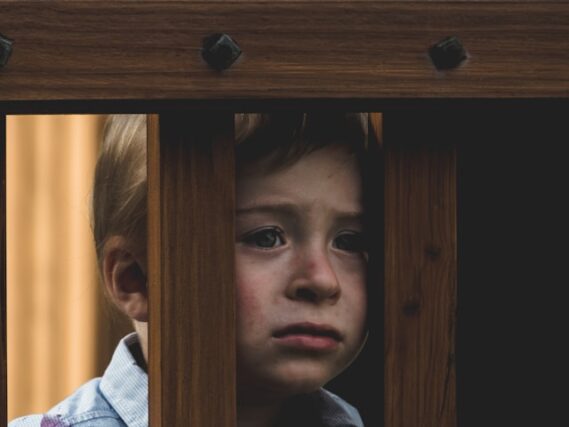
When connections were scarce growing up, it can leave a deep question that lingers into adulthood: will anyone really stay? That thought makes trusting other people that much harder. Each new bond feels fragile, and every disappointment confirms the old belief that closeness is risky.
However, when trust is finally earned, it runs deep. They don’t take loyalty lightly, and when they open up, it’s wholehearted. Those who make it past the guarded stage often find a friend who is unwavering, honest, and true.
They value time on their own.

Many who grew up alone came to see solitude not as loneliness, but as comfort. The quiet became familiar, even soothing because it never let them down or demanded anything in return. They learned how to fill time on their own with hobbies like reading, thinking, exploring interests that didn’t require company.
That comfort with solitude often carries into adulthood as emotional stability. They’re rarely desperate for company and know how to find peace in stillness. While other people dread silence, they find it grounding and restorative.
They can be highly empathetic.

Understanding loneliness firsthand gives them a unique sensitivity to people who feel left out. They recognise the look in someone’s eyes when they’re on the edge of a group or when their voice goes unheard. It’s an instinctive kind of empathy that comes from lived experience rather than theory.
That awareness often turns them into kind, compassionate adults. They might not always speak up, but when they do, it’s from a place of genuine care. They remember how it felt to be unseen, and they quietly make sure no one else has to feel the same way.
They might go out of their way to avoid any sort of conflict.

Without practice handling disagreements early on, conflict can feel dangerous. Many would rather swallow their feelings than risk losing the few connections they have. It’s a habit formed out of self-protection, not weakness.
The downside is that this can silence them in relationships. The upside is that they’re often calm, patient, and rarely reactive. They value peace more than being right, though learning to speak up, even when it’s uncomfortable, can take years to master.
They become self-reliant problem solvers.

When no one’s around to talk things through, you learn to figure out your own solutions. That skill develops early, often without them even realising it. Whether it’s fixing something, managing emotions, or navigating practical issues, they build quiet competence from necessity.
That independence grows into a strong problem-solving instinct later in life. They think things through carefully, trust their judgement, and rarely panic. It’s a strength forged in solitude, one that makes them dependable in a crisis, even if they rarely ask for help themselves.
They sometimes struggle with self-worth.

A lonely childhood can plant the idea that something must be wrong with you. Maybe you weren’t interesting enough, or fun enough, or likeable enough. That belief can sit quietly in the background for years, shaping how they relate to people and how they see themselves.
Unlearning it takes time, but the process builds a different kind of confidence. When they eventually realise their worth was never about popularity, they often become deeply grounded. Their sense of value isn’t inflated by attention. It’s built on hard-earned self-awareness.
They learn to observe quietly.

Without friends to join in, many children become silent observers. They watch how people interact, how emotions move through a room, how unspoken rules shape connection. Over time, that habit turns into intuition.
As adults, they read situations with precision. They notice when someone feels awkward, when tension rises, or when kindness is needed. It’s a gift that comes from years of paying attention while standing slightly apart.
They sometimes find intimacy overwhelming.

Closeness can feel unfamiliar to those who never had much of it growing up. Being emotionally or physically close might trigger discomfort, not because they don’t care, but because it feels foreign and unpredictable.
With time and the right person, this often changes. Once they feel safe, they tend to love with intensity and care deeply. Their intimacy may take longer to unfold, but when it does, it’s genuine and lasting.
They often have rich inner worlds.

Time alone as a child often leads inward. Without constant social noise, imagination takes over. They might have spent hours drawing, reading, daydreaming, or inventing entire worlds just to keep their mind company.
Those inner worlds don’t disappear. In adulthood, they can fuel creativity, empathy, and curiosity. Many writers, artists, and thinkers grew from that same soil. That’s largely because the solitude that once felt lonely but later became the foundation for expression.
They crave deep connections.

After a childhood without close friendships, surface-level relationships rarely satisfy. They don’t care for endless small talk or casual acquaintance. What they crave is depth: conversations that matter, people who show up, and bonds that last.
This drive can make their relationships intense but rewarding. They invest fully, offering honesty and warmth once they feel secure. When they find people who match that depth, those friendships tend to be lifelong.
They may experience a bit of social anxiety.

A lack of early social experience can make adult interactions feel like uncharted territory. Crowds, group chats, or unfamiliar settings can stir panic, not because they dislike people, but because social rhythm still feels uncertain.
Practice helps, but so does compassion. With patient friends or partners, the fear softens, and what was once anxiety becomes quiet confidence. They may never feel completely at ease in every room, but they learn how to hold their ground in their own way.
They become fiercely loyal friends.

When they finally find the real thing, a friendship that feels genuine and safe, they hold on tightly. They don’t take connection lightly because they know what it’s like to live without it. Their loyalty isn’t performative; it’s rooted in gratitude and care.
Those who earn their trust often find a friend who stays through everything. They might not have a huge circle, but the bonds they do form are unshakeable. After years of standing alone, they understand the value of staying beside someone, and they don’t forget it.