People talk about the “old Britain” like it’s vanished, and in many ways, it has.
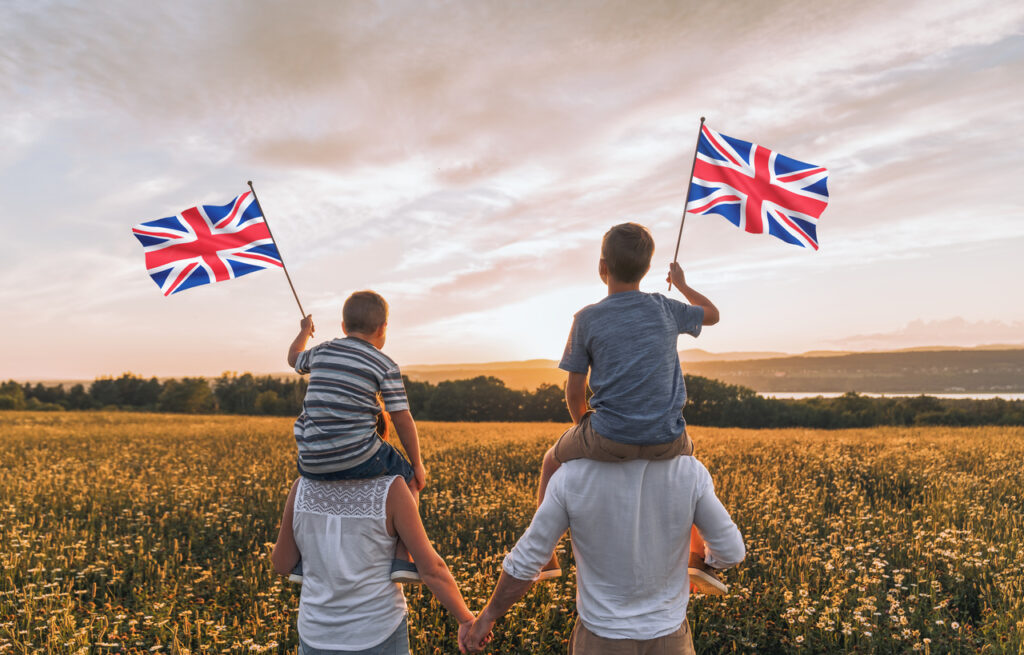
However, not in the way many people who say this mean. Really, what we’re missing is the Britain where neighbours looked out for each other, high streets had life, and communities actually felt like communities. Sadly, it didn’t just disappear. It faded because people stopped putting energy into the small, local things that once held everything together.
If you genuinely want that old sense of Britain back, it’s not going to come from Westminster or social media. It starts right where you live, and you’ll have to get off your backside and put in a bit of effort.
Actually get to know your neighbours’ names.

You walk past the same people every day and barely nod. Start by learning their names, having a proper chat when you see them, not just the awkward British weather comment and quick escape.
That’s how community used to work. People knew who lived near them, looked out for each other, and weren’t glued to their phones pretending the people around them didn’t exist. You can’t have old Britain while actively avoiding everyone.
Shop at your local independent shops instead of always going online.

You moan about the high street dying but order everything from Amazon. Your local butcher, baker, greengrocer, they’re all shutting because everyone’s clicking instead of going in and actually buying from them.
That’s why high streets are full of vape shops and betting shops now. The proper local businesses couldn’t survive when everyone stopped using them. If you want them back, you’ve got to actually spend money there regularly.
Join something local and actually turn up.

There’s probably a community group, sports club, or volunteer organisation near you right now. But you can’t be bothered because you’re tired, busy, or just can’t face people after work and weekends are for Netflix.
That’s not how communities were built. People showed up to things, even when they didn’t fancy it because that’s how you create connections. Community doesn’t just happen, you have to participate in building it rather than waiting for it to appear.
Help your elderly neighbours without being asked.

You see an older person struggling with shopping or their bin and walk past because it’s awkward, or you’re in a rush. Old Britain meant people looked after each other, especially the vulnerable.
Having a sense of responsibility for the people around you is what made communities actually work. You didn’t need to be asked, you just did it because they were your neighbour and that meant something back then.
Support your local pub properly.

You’re nostalgic about traditional pubs closing, but you only go twice a year for someone’s birthday. Pubs shut because not enough people use them regularly, simple as that. They were community hubs, not just places for special occasions.
That’s what made them central to British community life. They were where people gathered, talked, knew each other. If you want that back, you’ve got to actually go there regularly and spend money, not just reminisce about how nice they used to be.
Organise a street party or community event.

Street parties used to be normal, everyone chipping in, kids playing together, adults actually talking. Now everyone stays inside and complains there’s no community spirit, but nobody’s willing to be the one who organises anything.
Putting in that effort is what creates community. Someone has to start it, knock on doors, get people involved. If you’re waiting for someone else to do it, you’re part of the problem you’re complaining about.
Let kids play outside and keep an eye on them collectively.

Kids are stuck inside on screens because parents are terrified and nobody trusts anyone anymore. Back then, kids played out and all the adults on the street kept half an eye on them together.
Having that collective responsibility as a community made streets safer and built community. When everyone looks out for everyone’s kids, not just their own, that’s when you get actual neighbourhoods rather than collections of isolated houses.
Use your local post office and bank branches.
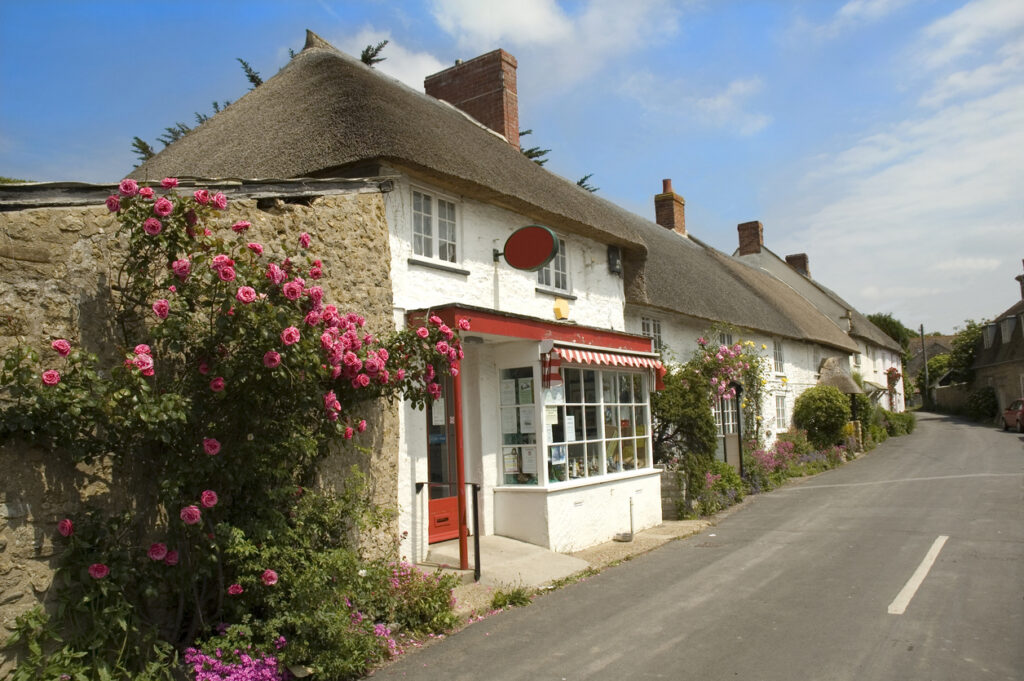
You do everything on apps now and wonder why all the banks and post offices have closed. These were vital community spaces where you’d bump into people, have a chat while queuing, actually interact.
Making a bit of face-to-face contact built connections. When you remove all the reasons people have to leave their house and see each other, community dies. If you want them to survive, you have to use them, even when the app’s easier.
Volunteer for local causes instead of just sharing things online.
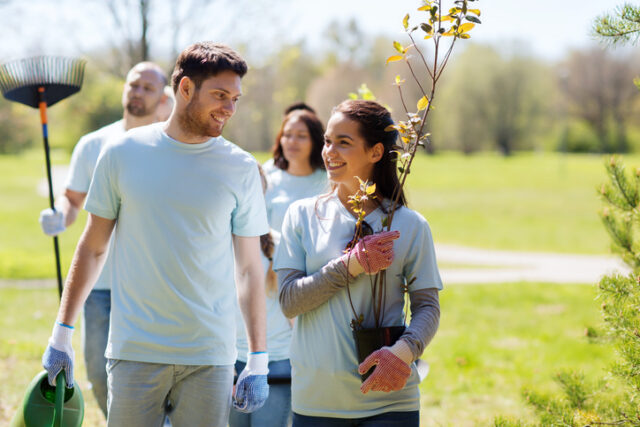
You’ll share a post about saving something local, but won’t actually give up two hours to help. Old Britain was built on people volunteering their time, not just clicking like and feeling they’ve done their bit.
Real-world action is what made things happen. Sharing achieves nothing except making you feel involved. If you want change, you’ve got to show up physically and do actual work, not just perform caring online.
Bring your bins in for your neighbours.
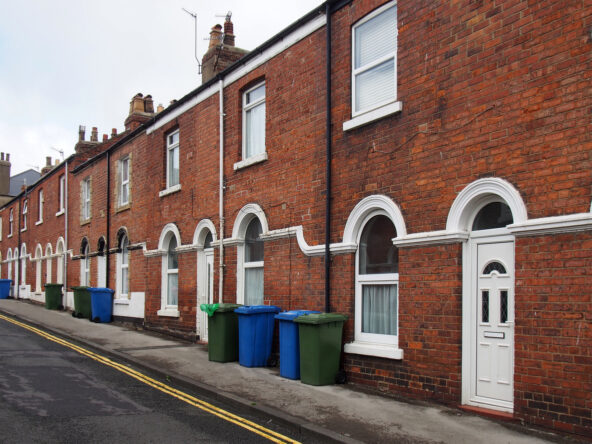
It’s such a small thing, but nobody does it anymore. You see your neighbour’s bin still out and walk right past it without a second thought, but you could pull it back in for them. That tiny act of looking out for each other is what community was actually made of.
That’s the difference between neighbourliness and just living near people. These small gestures add up to create the sense of community everyone’s nostalgic for, but nobody’s willing to recreate through actual effort.
Go to local events even when you don’t really fancy it.
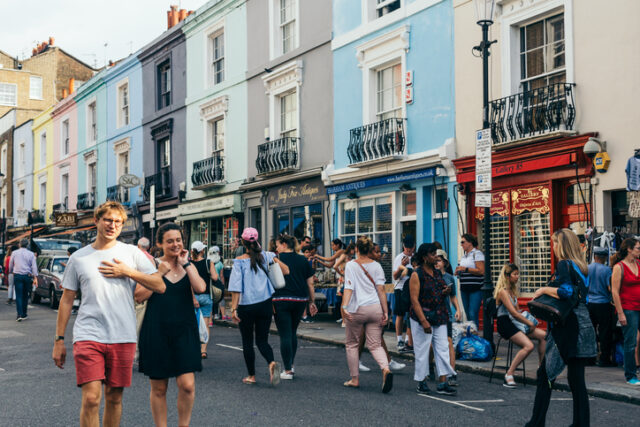
Whether it’s the village fete, the school fair, the church fundraiser, you can’t be bothered because it’ll be a bit rubbish. However, that’s exactly why they need people to show up and support them.
That support kept these things going. When everyone thinks they’re too good for local events or can’t be bothered, they die out, and then you’ve got nothing bringing the community together at all.
Actually talk to people in queues and on public transport.

Everyone’s got headphones in or staring at their phone, actively avoiding any human contact. British people used to chat to strangers, have a moan about the weather or the queue, make small connections.
A bit of casual friendliness created a sense of shared experience. When everyone’s isolated in their own bubble, even in crowded spaces, you can’t build community. Sometimes you’ve got to put the phone down and acknowledge the humans around you.
Buy from your local market instead of the supermarket.
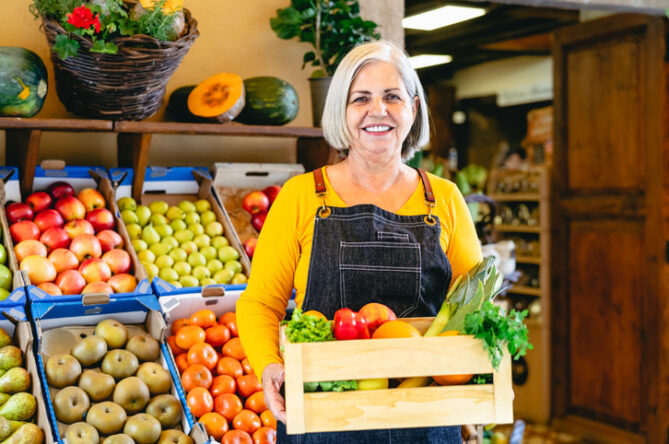
Town markets are struggling because everyone drives to Tesco instead. These markets were where communities gathered, where you’d see the same faces, have a chat while buying veg, support local traders.
Developing a weekly rhythm created connections. When you remove these regular meeting points and replace them with self-service checkouts, you lose the social fabric that held communities together. Markets need customers to survive.
Stop expecting everything to be perfect or convenient.

You want old Britain but with next-day delivery, perfect service, and no inconvenience. Community required compromise, patience, accepting things weren’t always ideal, but that was part of the deal for having actual human connection.
Willingness to tolerate imperfection is what made it work. When you demand everything to be optimised and convenient, you end up with algorithms instead of neighbours, and then wonder where all the community went.