Most GPs can tell straight away when someone has spent too much time on Google.
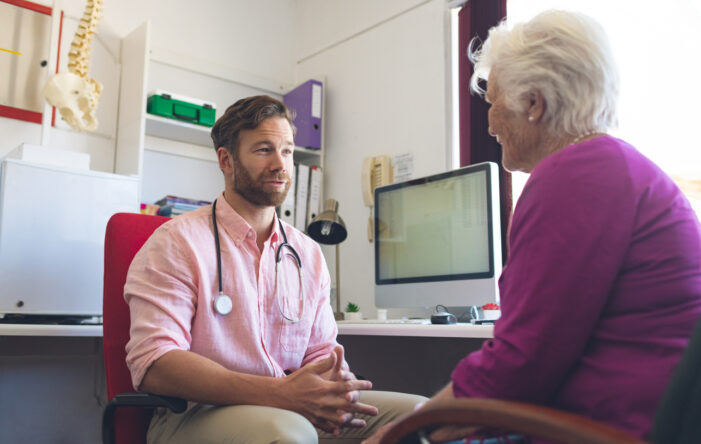
You walk in worried, certain you’ve found the cause of your symptoms, but your doctor already knows what’s happened. They understand the temptation, obviously: people want answers and don’t want to feel like they’re wasting anyone’s time. However, from a GP’s point of view, self-diagnosing online usually makes things harder. Instead of clarity, it creates panic and confusion, and part of their job becomes helping you trust their expertise again.
They know you’ve already diagnosed yourself with something serious.

Your GP can tell within seconds that you’ve been on Google because you come in convinced you’ve got something dramatic. The way you describe symptoms changes when you’ve been online, and they recognise that pattern immediately. That self-diagnosis is usually completely wrong, too. Most GPs say patients tend to jump to the worst possible conclusion while missing the obvious explanation that’s sitting right in front of them.
They’re relieved you’re actually more informed than usual.

Contrary to what you’d think, most GPs don’t mind that you’ve done some research. Studies show that over half of doctors believe well-informed patients contribute positively to the consultation because you ask better questions. Being prepared means the appointment’s more productive. When you understand basic medical terms and have thought about your symptoms properly, it actually saves everyone time.
They’re frustrated you trusted random forums over medical training.

What does wind them up is when you give more weight to someone called DaveFromManchester1987 on a forum than you do to their decade of medical school and years of experience. Dismissing their expertise happens more than you’d think. GPs report that some patients argue with diagnoses because their internet search said something different, which makes their job basically impossible.
They wish you’d come in sooner instead of self-diagnosing for weeks.

One of the biggest problems with Dr Google is that it delays people getting proper treatment. You spend weeks trying to diagnose yourself online when you could’ve been seen by a professional and sorted out in one appointment (assuming you could get one, that is). That delay can be dangerous for serious conditions where early treatment makes a massive difference. GPs see this constantly, and it’s one of the main downsides they mention about people relying on internet searches.
They know you’ve scared yourself unnecessarily.

GPs can spot the anxiety a mile off. You’ve googled headache, and now you’re convinced you’ve got a brain tumour. They spend half the appointment reassuring you rather than actually diagnosing the tension headache you actually have. That health anxiety from online searching is so common that GPs consider it part of their job now. Nearly a quarter of people who search symptoms end up more worried, and your doctor has to talk you down from that.
They appreciate when you bring a list of symptoms.
If Googling made you write down all your symptoms with dates and details, that’s actually helpful. GPs like having a timeline and proper information, rather than you vaguely remembering bits and pieces. Being organised helps them do their job better. The problem isn’t that you’ve researched, it’s when you’ve decided you know better than they do about what it all means.
They’re annoyed you’ve already dismissed the simple explanation.

Your GP knows it’s probably something boring like stress or a vitamin deficiency, but you’ve already ruled that out online because it’s not dramatic enough. So now they have to convince you it really is just that simple. Resisting or outright dismissing straightforward diagnoses wastes time. Most health problems are quite mundane, but people don’t want to believe that after reading about rare diseases online for two hours.
They notice when you’re testing them.

Some patients use their Google research to see if the GP knows their stuff by asking leading questions or mentioning obscure conditions. Your doctor absolutely knows what you’re doing and finds it quite irritating. That mistrust damages the relationship you’re supposed to have with your GP. They’re trying to help you, but you’re treating the appointment like some sort of exam they need to pass.
They’re concerned you’ve been on dodgy websites.

Not all health information online is reliable, and your GP can usually tell when you’ve been on questionable sites. The misinformation floating around causes real problems when patients believe it. Getting bad advice can lead to people refusing treatments that would actually help them or trying dangerous alternatives they read about on wellness blogs. GPs spend ages undoing damage from poor quality websites.
They’re glad you came in, despite what Google said.

Even though you’ve diagnosed yourself online, you still showed up at the surgery. That’s what matters to most GPs. They’d rather deal with your internet-induced anxiety than have you avoid seeking help altogether. Making the decision to see a professional despite your online research shows you’ve got some common sense left. A chunk of people self-diagnose online and never bother with an actual doctor, which is far more worrying.
They know you won’t believe them if it contradicts your research.
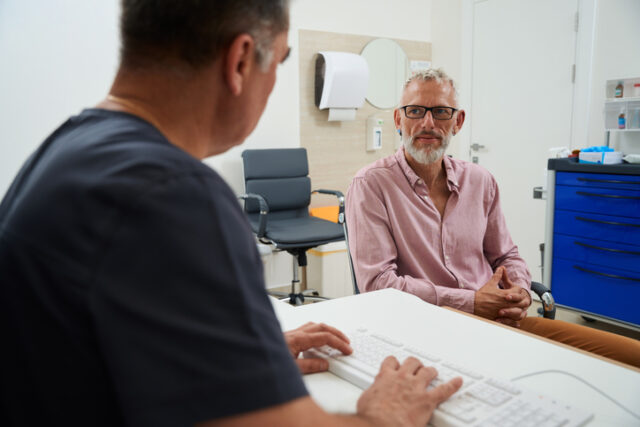
GPs have learned that some patients have already made up their minds about what’s wrong, and no amount of professional expertise will change that. You’ll nod along, but then go home and Google more until you find something that agrees with you. Refusing to accept their diagnosis makes their job pointless. If you’re not going to trust what they say, why did you even book the appointment?
They’re worried about what you’re not telling them.
When you’ve been online, you sometimes focus on the symptoms that fit your suspected diagnosis, while ignoring others. Your GP’s concerned you’re leaving out important information because it doesn’t match what Google told you. Selective reporting makes it harder to figure out what’s actually wrong. They need the full picture, not just the bits that support your internet theory.
They understand why you did it.

Most GPs get it. Appointments are hard to get, you’re worried, you want answers now. Looking stuff up online is a natural response when you’re anxious about your health and can’t get seen quickly. Being empathetic doesn’t mean they think it’s helpful, but they understand the impulse. The real problem is how difficult it’s become to actually see a GP, which pushes people towards Dr Google in the first place.
They’d rather you asked them directly than believed everything you read.

If you’ve Googled stuff, and you’re confused or scared, just tell your GP that. Most of them are fine discussing what you’ve found online if you approach it as questions rather than coming in with your diagnosis already decided. Honesty makes the whole appointment better for everyone. They can address your concerns properly instead of trying to guess what you’ve read and why you’re really there.