We’re all drowning in the same storm right now.
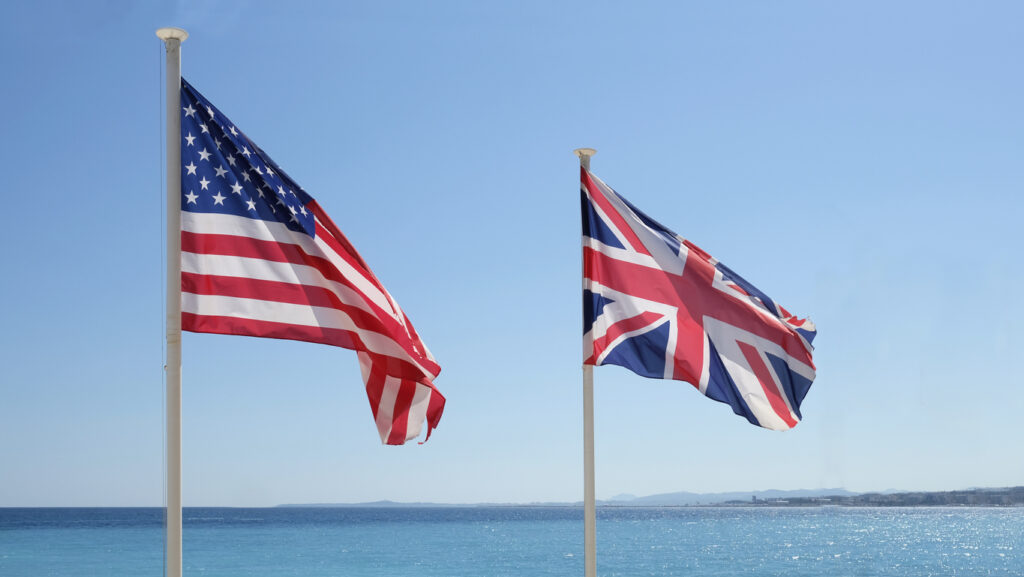
The cost of living through the roof, political chaos that feels relentless, and a general sense that the world’s gone slightly mad. However, if you’ve got friends or family on the other side of the Atlantic, you’ve probably noticed something odd: while we’re technically facing the same problems (albeit somewhat to a lesser degree in this country… for now), the way Americans and Brits are actually living through them couldn’t be more different.
The healthcare panic looks nothing alike.

When Brits worry about the NHS, we’re anxious about waiting times, crumbling services, and whether it’ll still exist in ten years. It’s existential dread about losing something we’ve always had. Americans are dealing with a completely different beast. They’re one medical emergency away from bankruptcy even with insurance, making calculations about whether that chest pain is “worth” an ambulance, rationing insulin because they can’t afford the prescription their doctor wrote.
The stress manifests differently too. Brits are angry at politicians for dismantling what used to work. Americans have normalised a level of healthcare anxiety that would seem dystopian to us. They’re crowdfunding surgeries on social media, while we’re signing petitions to save our local A&E. Same crisis, completely different survival strategies.
The housing nightmare hits different generations.
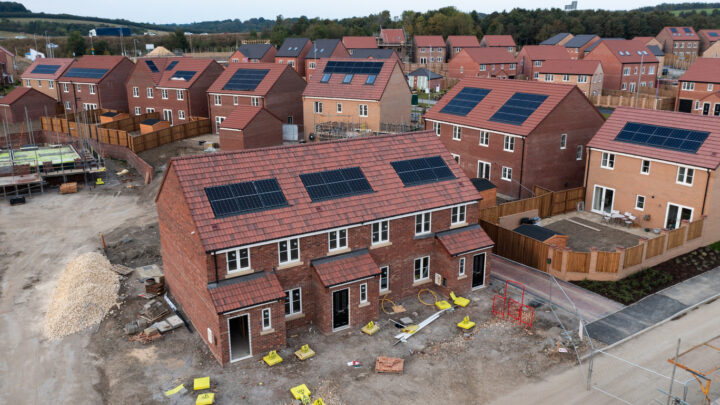
Both countries are in a housing crisis, but who’s getting crushed varies wildly. In Britain, it’s millennials and Gen Z who’ve been completely priced out, still renting in their 40s, watching homeownership become a fantasy. The American crisis is hitting harder across ages because medical debt and student loans can tank anyone’s housing security, regardless of when they were born.
There’s also a geographical element that changes everything. Americans still have the option to move somewhere cheaper, even if it means leaving everything behind. London’s expensive, but Manchester’s expensive, Bristol’s expensive, Newcastle’s expensive. We don’t have an affordable region to escape to anymore. The entire country’s become unaffordable in different flavours.
We cope with political chaos in opposite ways.

Political division is tearing both countries apart, but Americans and Brits handle it like we’re reading from different scripts. Americans are loud about it. They’ve got yard signs, bumper stickers, they’ll tell you their politics within five minutes of meeting you. It’s exhausting, but at least you know where everyone stands.
Brits have gone the other direction entirely. We’ve learned to smile politely and change the subject, stockpiling resentment and opinions we’ll only share with people we absolutely trust. We’re a nation of political cowards at dinner parties, then utterly vicious in anonymous comment sections later. The division’s just as deep, we’ve just wrapped it in a more polite package that’s probably worse for our mental health.
The cost of living crisis feels personal vs systematic.

When Americans can’t afford groceries, there’s often a weird undercurrent of personal failure attached to it. The “pull yourself up by your bootstraps” mentality means people blame themselves before they blame the system. They’re working three jobs and still drowning, convinced they’re just not trying hard enough.
Brits are more likely to recognise it’s the system that’s broken, but that doesn’t actually help us pay our bills. We’re angry at the right targets but just as skint. We know it’s not our fault, we’re just also aware that knowing that doesn’t put the heating on. Different emotional experience, identical bank balance.
Work culture is breaking us in different ways.

American work culture was already brutal, but the current crisis has made it absolutely feral. No sick days, no holiday, the expectation that you’re always available. They’re conditioned to see rest as laziness, and the cost of living squeeze means they can’t afford to push back even when they’re running on empty.
British work culture’s got its own poison. We’ve imported the always-on mentality but kept our tendency to just quietly suffer through it. We’ll moan about it endlessly, but rarely actually enforce boundaries. Then we wonder why we’re all burnt out, popping antidepressants like Smarties, unable to remember what having energy felt like.
The education debt hits at different life stages.

Student loans in America are genuinely life-destroying. Six figures of debt that follows people into their 50s, affecting every major life decision. Can’t buy a house, can’t have kids, can’t change careers because the debt’s always there, suffocating every possibility.
British student debt’s structured differently. It’s still substantial, but it functions more like a graduate tax that eventually gets written off. We’re not making the same calculations about whether university’s worth financial ruin. Our education anxiety’s more about whether degrees even matter anymore when graduates are working in call centres.
We’ve got completely different retirement panics.

Americans are staring down a retirement crisis that’s genuinely terrifying. Social Security might not be there, pensions are rare, and healthcare costs in old age could obliterate any savings. The fear of becoming elderly and destitute is shaping how people live now, hoarding money they should be enjoying because the future looks so precarious.
Brits are worried about retirement too, but it’s a different flavour of worry. We’re anxious about whether the state pension will be enough, whether we’ll have to work until we drop, but we’re not facing the same cliff edge of total destitution. It’s the difference between “Will I be comfortable?” and “Will I survive?”
Food insecurity looks different but feels the same.

Food banks have exploded in both countries, but how we talk about them reveals everything. Americans have slightly more cultural acceptance of food assistance programs, even if accessing them still carries shame. Brits are watching food bank usage skyrocket while pretending we’re still a country where this doesn’t happen.
The actual experience of not knowing if you can feed your family this week is identical. But Americans might admit it to their neighbours, while Brits are more likely to quietly starve than let anyone know they’re struggling. Different cultural scripts, same rumbling stomachs.
Climate anxiety manifests in opposite directions.
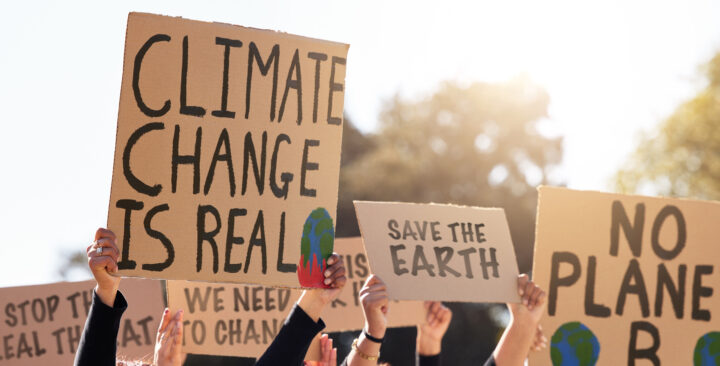
Americans and Brits are both terrified about climate change, but it translates into completely different behaviours. Americans tend toward individualistic solutions: solar panels, electric cars, personal carbon footprints. Brits are more likely to expect government action while doing absolutely nothing ourselves, then getting furious when nothing changes.
Neither approach is actually working, but we’re committed to our different brands of ineffective anxiety. Americans are exhausted from trying to personally solve a systematic problem. Brits are exhausted from waiting for someone else to fix it while watching the planet burn.
What we actually envy about each other right now.
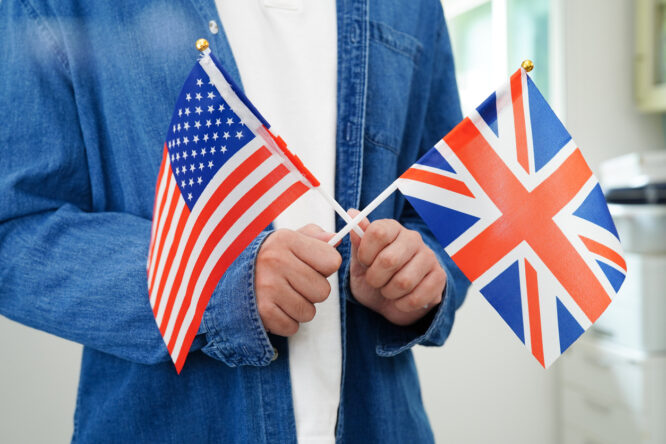
Americans look at the NHS (even in its current state) and see something worth envying. Free at point of care still beats bankruptcy from a broken arm. They see our holiday allowance, our slightly stronger worker protections, our ability to just exist without constant medical fear.
Brits look at American wages and nearly weep. Even accounting for healthcare costs, Americans in similar jobs often have significantly more money. We see their space, their cheaper petrol, their ability to heat a home without remortgaging. We envy the optimism too, even when it’s misplaced. That American belief that things can improve feels alien to our default cynicism.
We’re all struggling through the same global mess, just with different cultural baggage weighing us down. Neither approach is better, they’re just different flavours of trying to survive something that feels increasingly unsurvivable. At least we can compare notes while we’re all treading water.