Spending a lot of time alone as a kid affects you deeply, and in ways you might not fully understand until you get a lot older.

Whether it was by choice or circumstance, that kind of solitude leaves an imprint on how you connect, communicate, and cope. It can make you independent, observant, and creative, but it can also make closeness feel tricky later on.
People who grew up this way often learn to rely on themselves early, building strong inner worlds and sharp awareness of their surroundings. However, they can also struggle to let people in or ask for help, simply because they never got used to needing anyone else. It’s not all good or bad; it’s a mix of understated strengths and subtle challenges that follow you into adult life. Here are the behaviours most common in people who spent a lot of time on their own growing up.
1. They become experts at self-entertainment.

When you didn’t have siblings or a busy social life as a child, you learned how to keep your mind occupied. You could spend hours drawing, reading, or daydreaming without needing anyone else around. It’s a habit that becomes a real strength later in life. You’re rarely bored and can turn even quiet moments into something interesting. It makes you imaginative, focused, and capable of enjoying your own company in a world that’s always chasing noise.
2. They find it hard to rely on other people.
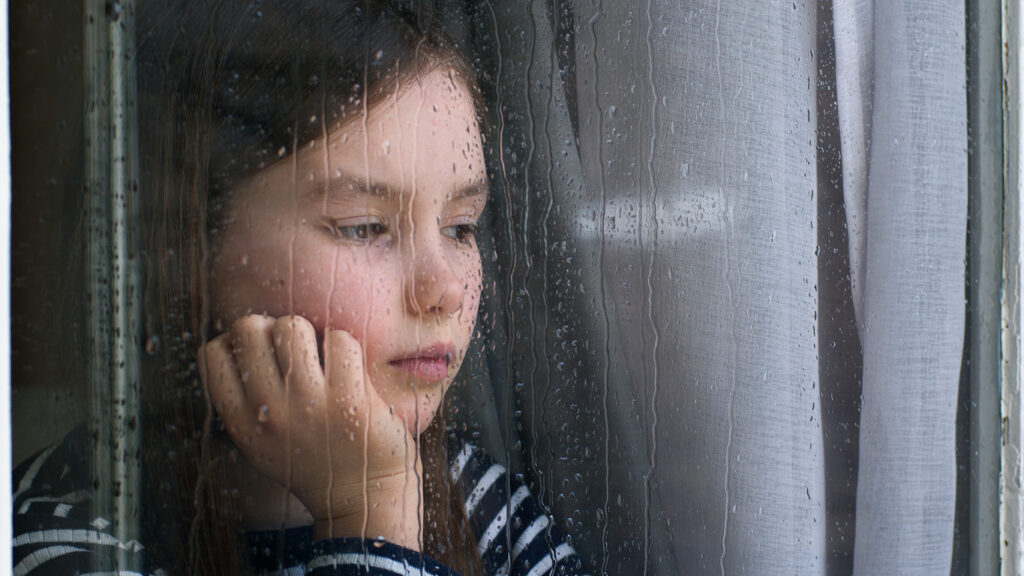
Growing up alone often means you had to rely on yourself for comfort and problem-solving. You learned early that if you didn’t sort things out, no one else would. That independence is useful but can make it tricky to ask for help. Even when you know people want to support you, part of you still believes that depending on other people means you’ve failed somehow.
3. They overthink social interactions.
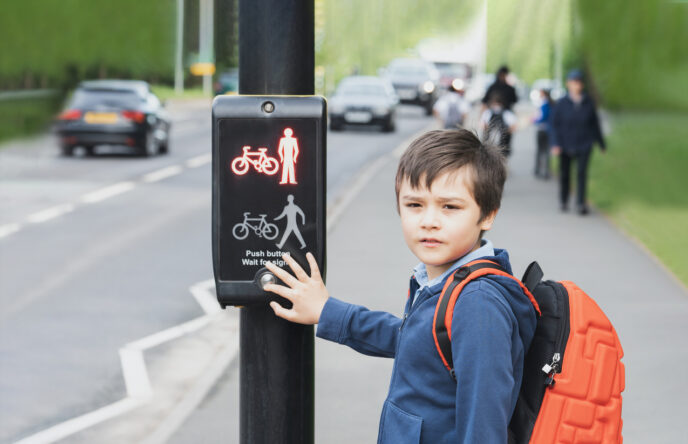
Without much social practice as a kid, you had more time to watch than to join in. You learned how people behaved by observing, not participating, which made you extra aware of how interactions unfold. Having that awareness can turn into overthinking as an adult. You might replay conversations or worry that you said the wrong thing. You read people carefully, but sometimes that insight turns into self-doubt.
4. They feel most comfortable in solitude.

Silence feels natural to people who grew up alone. You learned to see quiet time as safe rather than awkward, which means you don’t need constant company to feel settled. The challenge comes when other people misread your comfort with solitude as emotional distance. You enjoy being around people, but you also need time to recharge and return to yourself.
5. They pick up on the tiniest details.

Spending lots of time alone makes you observant. With fewer distractions, your attention sharpens, and you start to notice the small patterns that nobody else does—things like tone or vibe changes and micro-expressions. That sensitivity becomes a strength. It makes you a better listener and often the first person to sense when something’s off. You see the world in layers rather than headlines.
6. They build rich inner worlds.
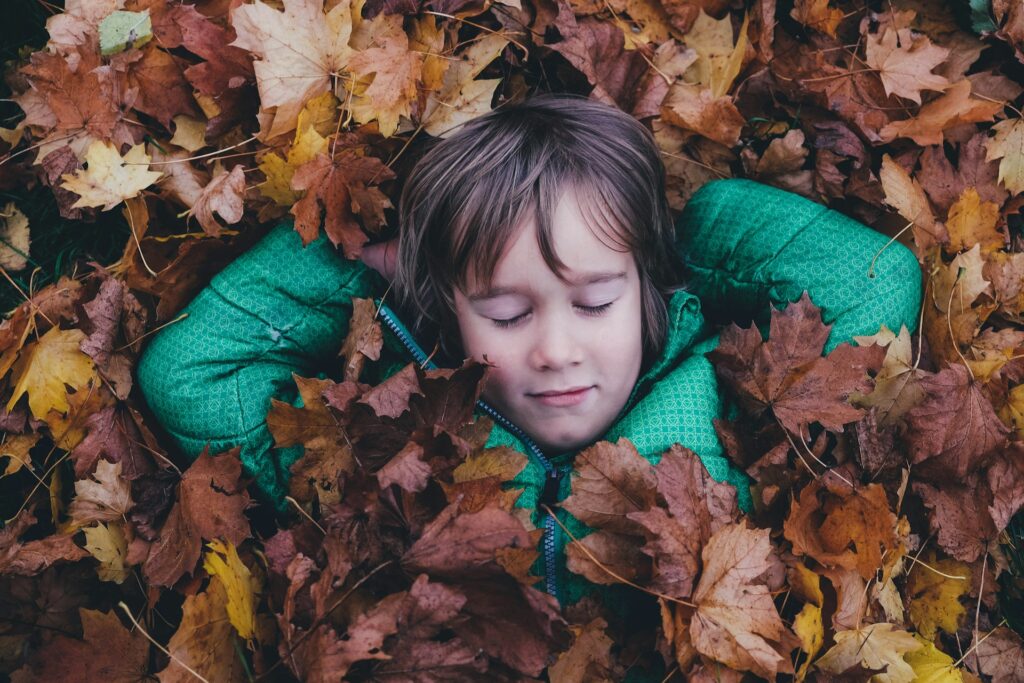
Alone time fuels imagination. You had long stretches of quiet where your mind could wander, so you built whole worlds in your head, full of stories, characters, and ideas. That creativity carries into adulthood. You might find comfort in writing, music, or thought. It’s your private space where everything makes sense, even when real life feels messy or loud.
7. They struggle to ask for help.

When you’ve grown used to sorting things out yourself, asking for help feels strange. You’re so used to being capable that admitting you’re struggling can feel like a loss of control. The truth is, letting people in doesn’t make you weak. It gives other people the chance to show they care, which builds deeper bonds than quiet independence ever can.
8. They can seem emotionally distant.

Solitude teaches you to hold your emotions close. When you spent years dealing with feelings on your own, you got good at managing them privately rather than showing them openly. That privacy can look like detachment, but it’s not. You feel deeply, you’ve just learned to contain those emotions quietly. It takes time and trust before you let people see what’s really inside.
9. They overanalyse emotions.

When you grew up without much emotional guidance, you had to figure feelings out yourself. You learned to think your way through emotions rather than simply feel them. That habit can make you thoughtful, but also a little trapped in your head. Sometimes you try to make sense of things that just need to be felt and released rather than solved like puzzles.
10. They’re extremely self-sufficient.

You learned early that if something needed to be done, you’d do it. That kind of self-reliance becomes part of your identity, and it makes you dependable and capable in adulthood. The only downside is that people sometimes assume you never need help or comfort. It can feel like you’re always the strong one, even when you secretly wish someone else would take the lead.
11. They read people with quiet precision.

As a child, you probably learned to watch people closely from the edges of the room. You became attuned to small changes in mood or tone because it helped you understand what was happening around you. That insight stays with you. You often sense tension or warmth before anyone speaks, which makes you naturally intuitive. It’s both a gift and a weight because you sometimes pick up emotions that aren’t yours to carry.
12. They often find it hard to set boundaries.

When you grew up without many close relationships, you didn’t have much practice saying no or protecting your time. You might still find it easier to give in than to risk conflict. The good news is that boundaries can be learned. You don’t have to shut people out to protect yourself. Saying what you need clearly and calmly is a skill that grows with use.
13. They crave understanding more than attention.

You never needed crowds or constant validation as a kid. What you wanted was to be understood, for someone to see you quietly and get what you meant without you having to explain everything. That desire stays strong. As an adult, you’d rather have one genuine connection than a dozen surface-level ones. You’re not difficult, you just value depth over noise.
14. They often turn to creativity.

Many kids who spent long hours alone found expression through art, writing, or music. Those activities became safe ways to explore thoughts and emotions without needing anyone else to interpret them. As you get older, creativity remains your outlet. It helps you process emotions you can’t easily share and turns solitude into something meaningful rather than lonely.
15. They swing between independence and loneliness.

You pride yourself on being fine alone, yet sometimes you feel an ache for closeness you can’t quite describe. You can go from enjoying solitude to missing people deeply, often in the same day. Finding balance is the goal. Solitude can be nourishing when chosen, but painful when it’s forced. Learning to recognise when you need company helps keep isolation from taking over.
16. They grow into deeply empathetic adults.

Because you know what it feels like to be unseen or misunderstood, you’ve developed strong empathy. You notice when people feel left out and make quiet efforts to include them. That empathy becomes one of your greatest strengths. It helps you build safe, calm spaces for other people, and that’s the kind of comfort you once wished for yourself.