Rats have always been around, but lately, they seem to be everywhere.
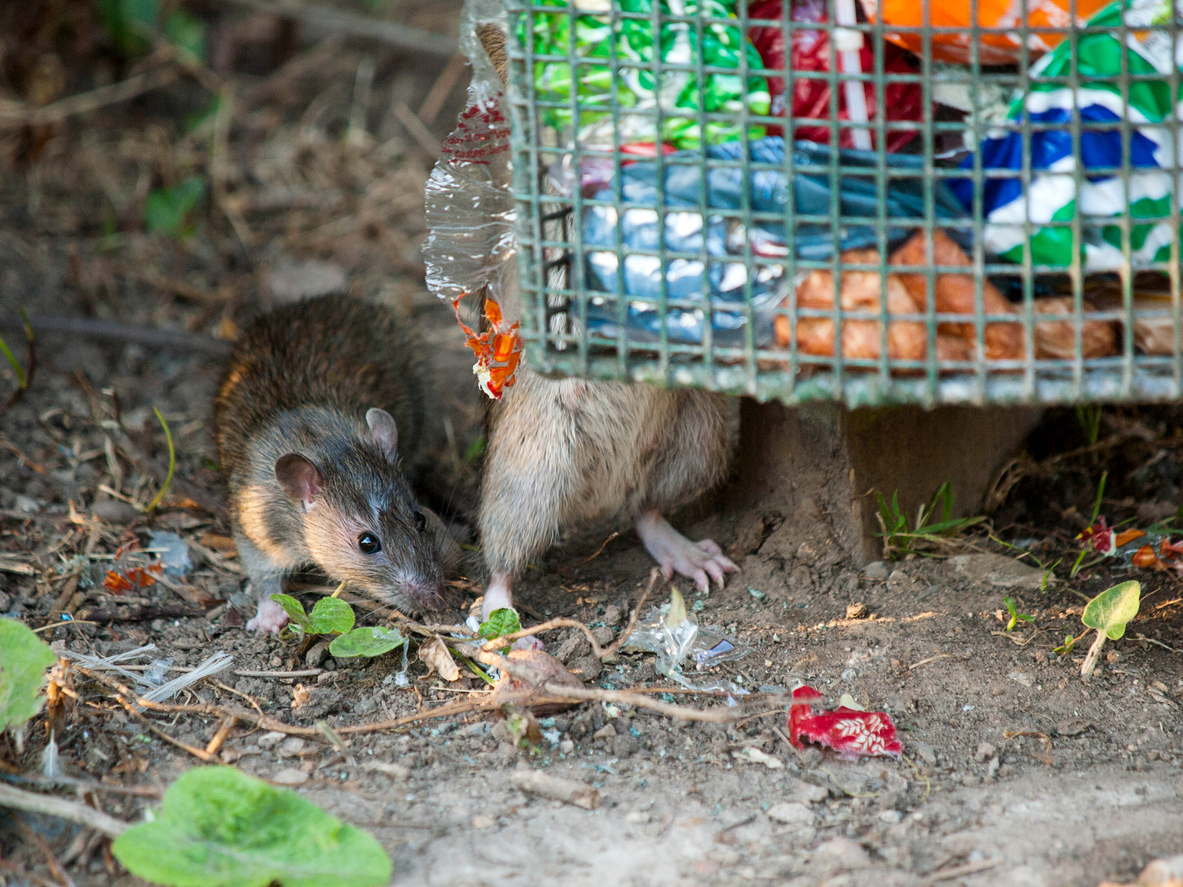
They’re scurrying through bins, popping up in gardens, even making appearances on busy high streets. Across the UK, reports of infestations are rising fast, with pest control services warning that towns and cities are seeing some of their worst outbreaks in decades.
It’s easy to blame the rats themselves, but the real story is a lot more complicated. Changes in how we live, the way our towns are built, and even our eating habits all play a part in creating perfect conditions for these clever survivors. Understanding what’s driving the surge might be the first step toward finally getting it under control because right now, the rats are winning.
1. Bin collections went from weekly to fortnightly
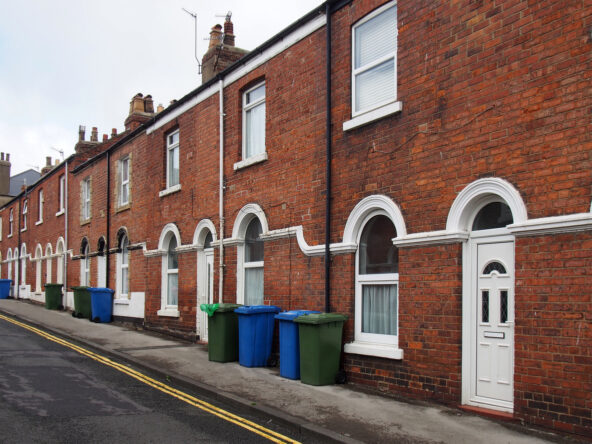
Rubbish sits outside for two weeks instead of one, which gives rats double the time to rip through bags and feast. Councils cut costs but created perfect buffets that stay open longer than before. Food waste piles up faster than people can manage it, especially in summer, when things rot quickly. Rats don’t need much invitation. A torn bag with last night’s dinner scraps is enough to feed a whole family.
2. Everyone started ordering takeaways constantly.

Deliveroo, Uber Eats, Just Eat boxes stacked in bins every single night. More takeaway packaging means more food waste, and most of it smells strong enough to attract rats from streets away. Lockdown made it worse because people were home constantly ordering food. The volume of rubbish exploded and rats followed the smell. Once they’ve found a reliable food source, they don’t leave, they multiply.
Victorian sewers are literally falling apart.
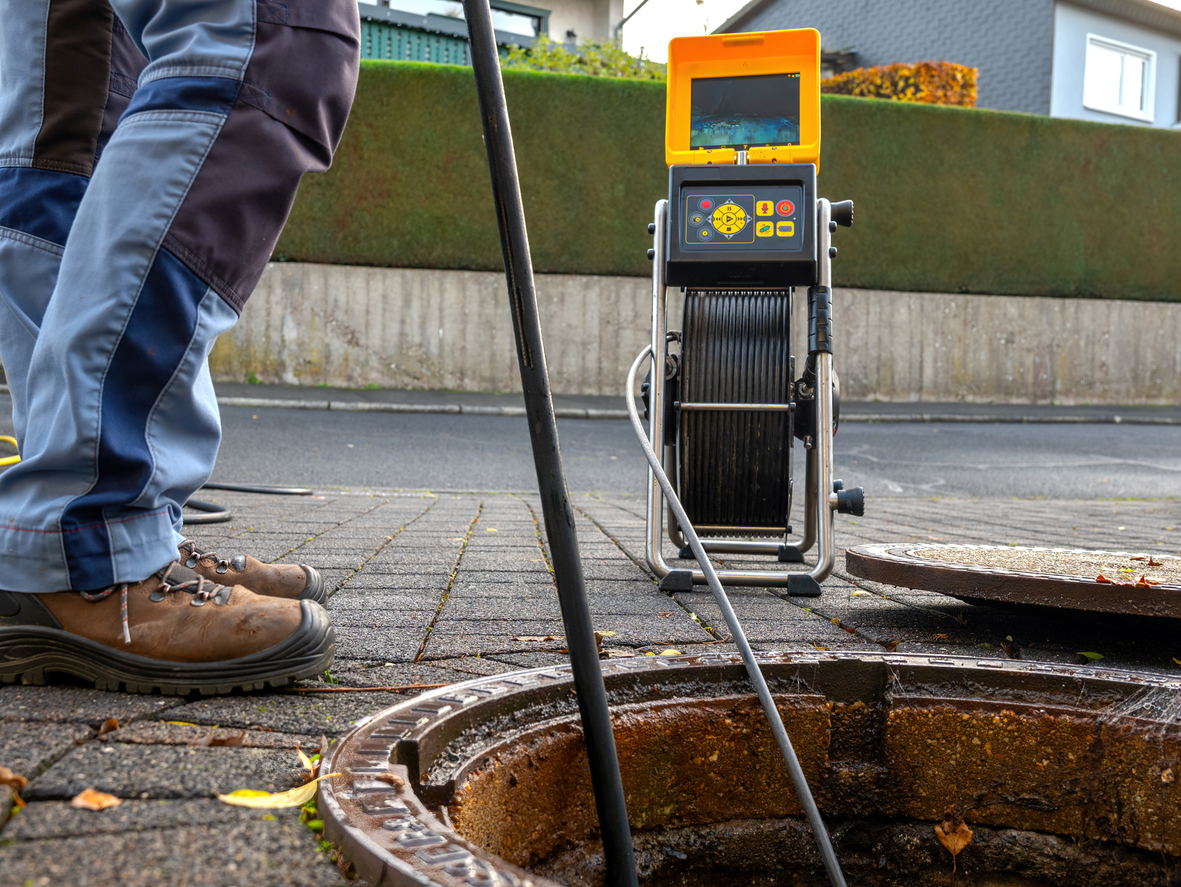
The underground network carrying waste wasn’t built for modern population sizes or the amount of stuff people flush. Pipes crack, rats move in, and suddenly, they’ve got heated tunnels leading straight into town centres. Councils can’t afford to replace infrastructure that’s over a hundred years old. Patching problems here and there doesn’t fix the bigger issue. Rats thrive in those crumbling tunnels because nobody can reach them properly.
Austerity gutted pest control funding.
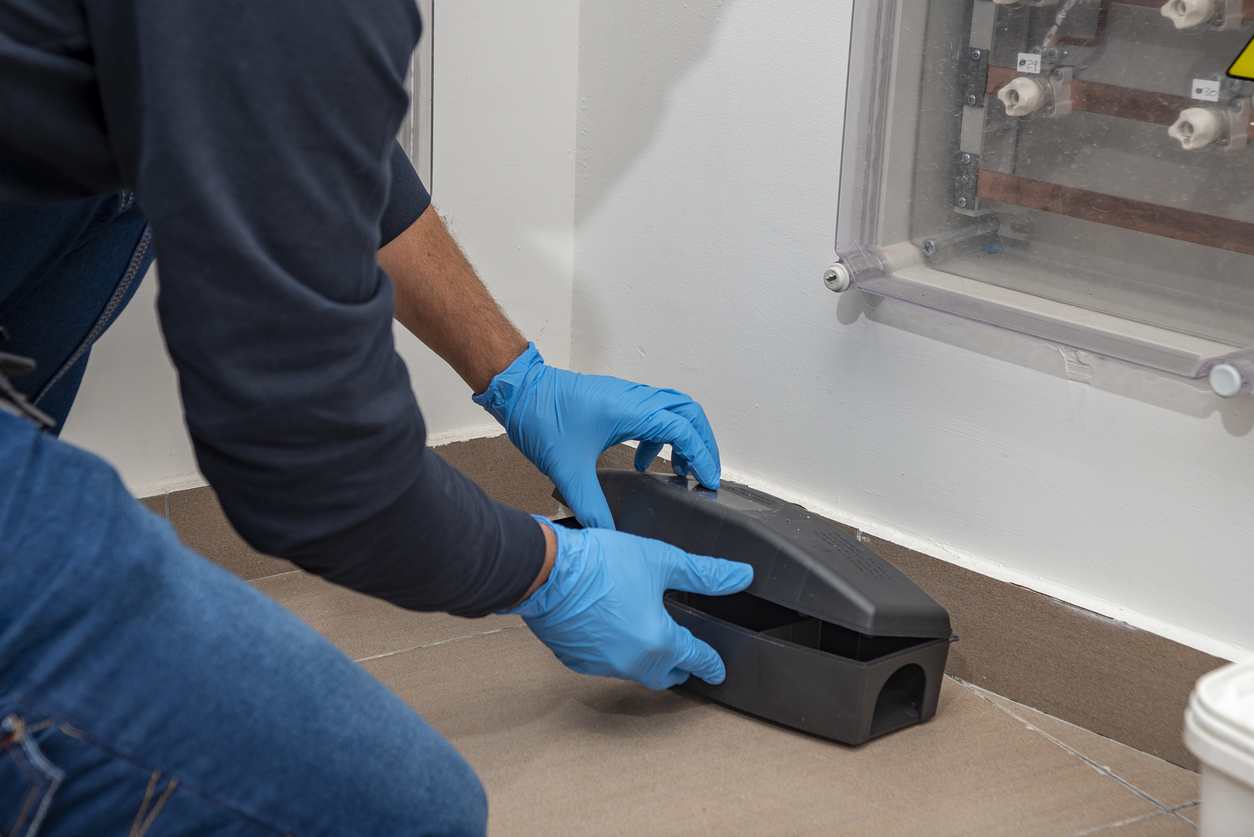
Local councils used to have pest control teams that responded quickly when residents reported problems. Budget cuts meant fewer workers, slower response times, and eventually some councils stopped offering free services altogether. When you have to pay privately to deal with rats, plenty of people just don’t bother. They can’t afford it, or they hope the problem goes away on its own. It doesn’t, it spreads to neighbouring properties instead.
Lockdown left buildings empty for months.

Offices, restaurants, shops all sat vacant during Covid restrictions. Rats moved into warm, quiet spaces with no humans around to disturb them. By the time people came back, colonies were established. Evicting rats once they’ve settled is much harder than preventing them in the first place. Those empty months gave them time to breed undisturbed. Now businesses are dealing with infestations that started when nobody was watching.
Warm winters mean rats breed year-round.
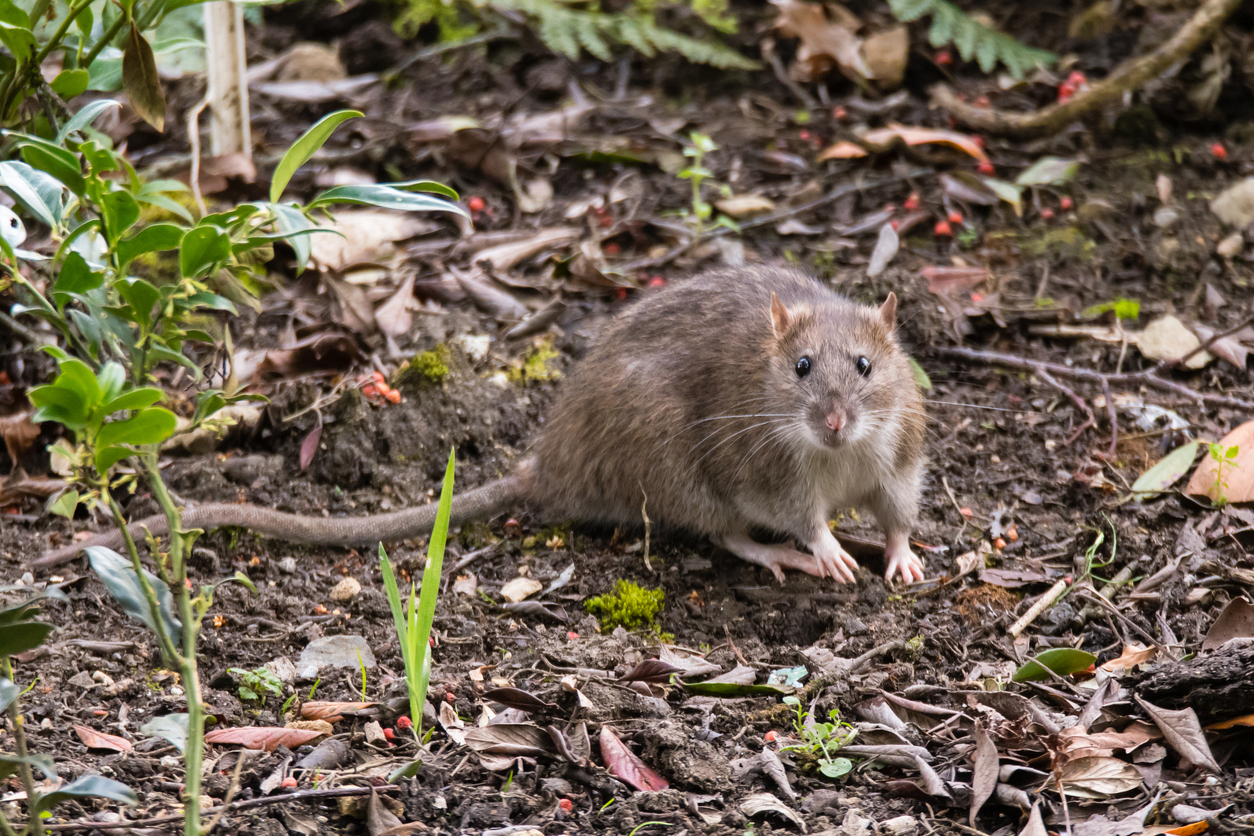
Cold weather used to slow down rat breeding because they struggled to survive harsh winters. Now it barely freezes for long enough to make a difference. Mild temperatures mean they’re reproducing constantly, without seasonal breaks. A pair of rats can produce thousands of descendants in a year if conditions are right. When winter doesn’t kill off the weak ones, populations explode faster than anything can control them naturally.
Fast food litter is everywhere.
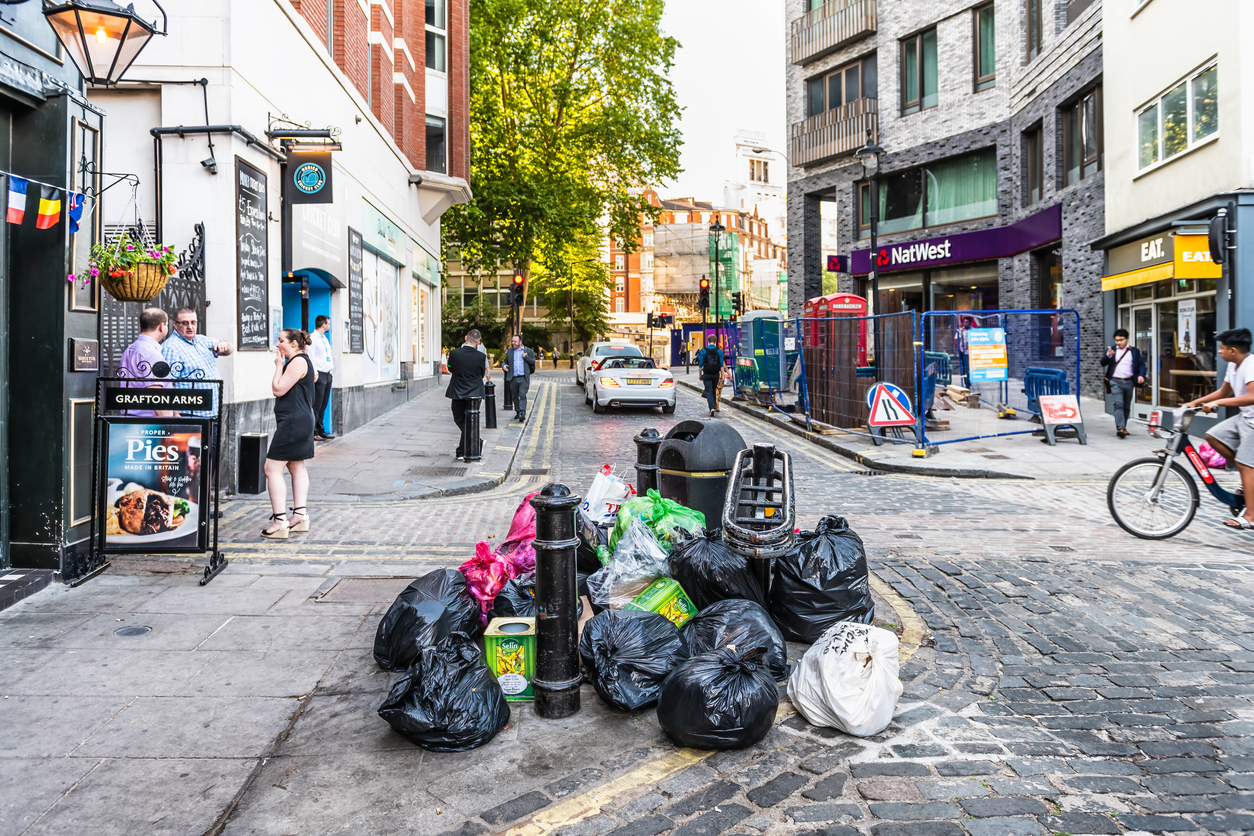
McDonald’s bags, KFC boxes, half-eaten kebabs left on streets and in bus shelters. People drop rubbish without thinking or caring, and rats are there within hours to clear it up. Town centres late at night are basically open-air restaurants for rats. The amount of food waste left behind after pubs and clubs close could feed hundreds of them. Cleaning crews come eventually but rats work faster.
Garden decking and sheds create perfect nests.
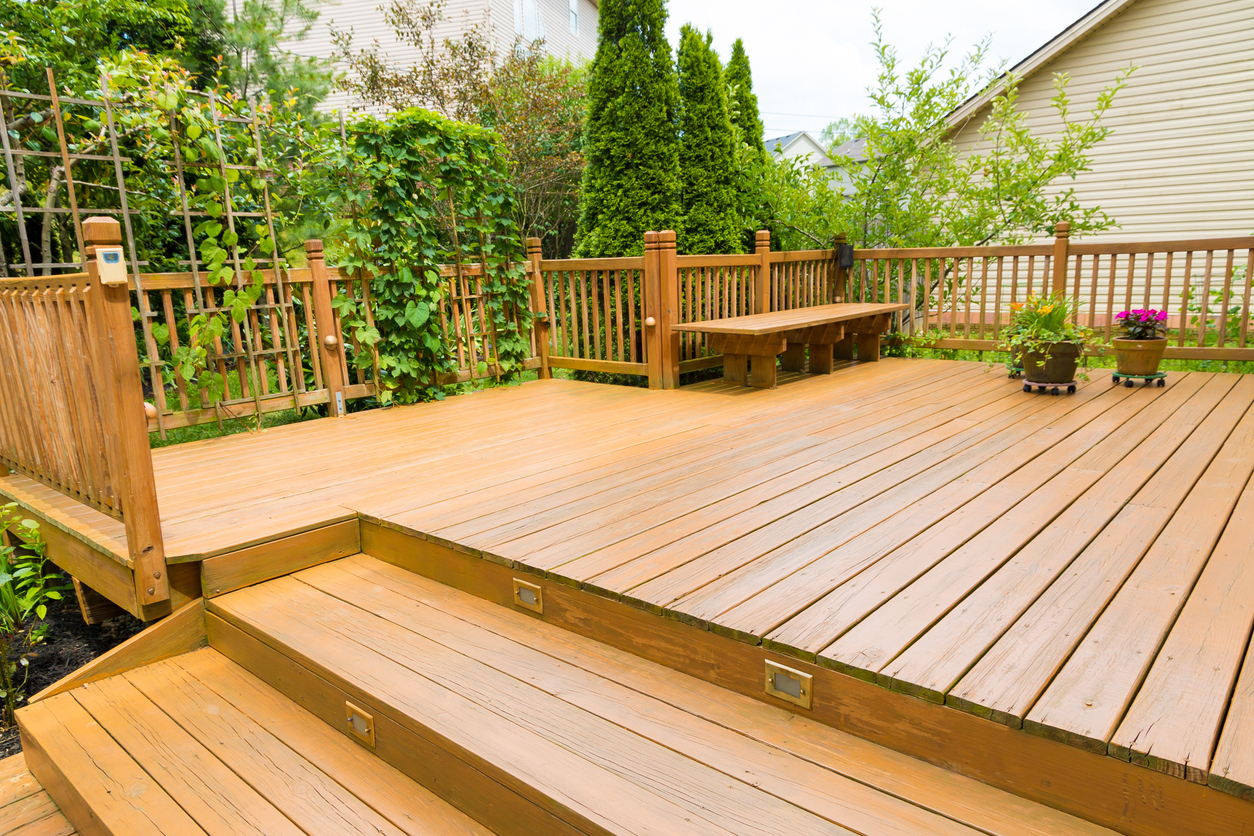
Raised decking with a gap underneath is ideal shelter for rats. It’s dry, protected from weather, and close to gardens where food’s often available. The same goes for cluttered sheds with piles of old stuff they can burrow into. People don’t think about what’s living under their decking until they hear scratching at night. By then there’s already a nest with babies. Removing them is difficult once they’re settled because they defend their territory.
Fly-tipping creates rat havens.
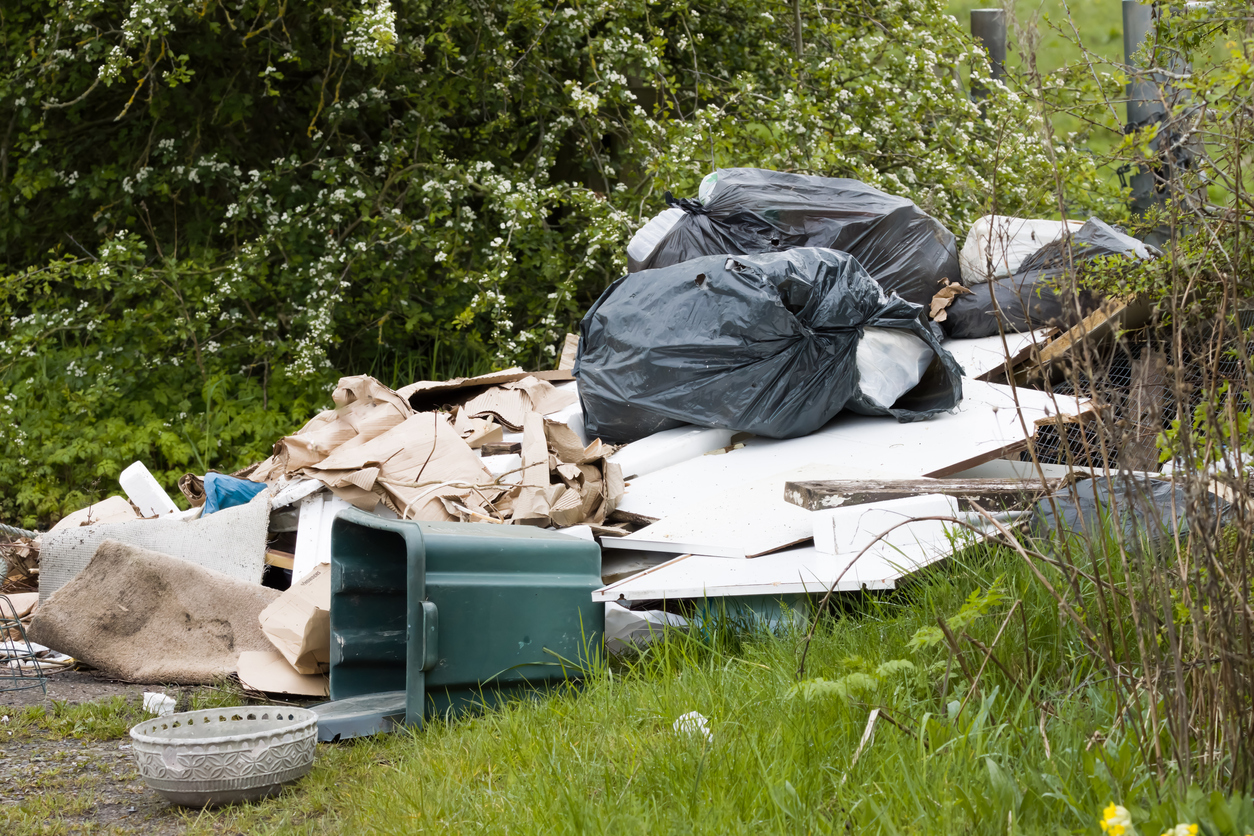
Illegal dumping of furniture, bags of rubbish, and old appliances creates instant rat homes. It’s dry, sheltered, and often contains food waste. Councils are slow to clear it, so rats move in and settle. Once fly-tipped waste has been there a few days, rats have already explored it thoroughly. Even after it’s cleared, they remember the spot and check back regularly in case more appears. It becomes a known location in their territory.
People just gave up reporting them.
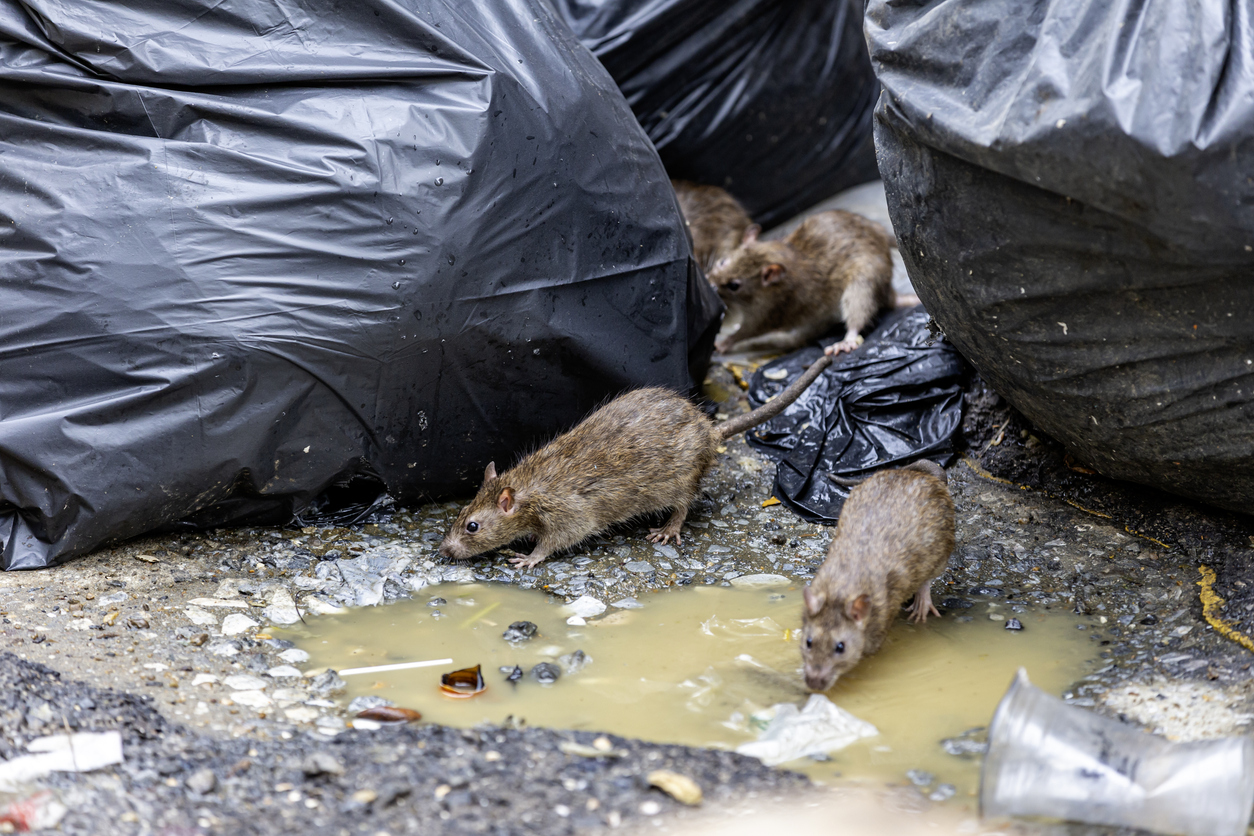
At first, everyone called the council when they saw rats. Now people see them so often they don’t bother reporting it. The sheer volume of sightings means it feels pointless, like nothing will change anyway. When reporting drops, councils think the problem’s improving. It’s not, people just stopped trying to get help. The rats are still there, probably more of them than before, but the data suggests things are fine when they’re absolutely not.