Most people assume dreams are completely random, but the way you sleep can influence them more than you might think.
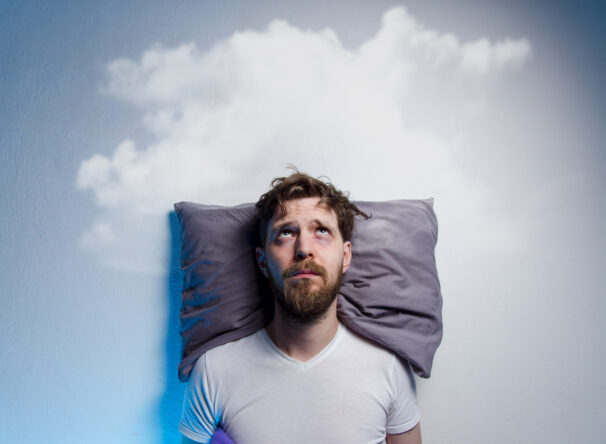
Everything from your position to the way your body feels during the night can shape the stories your brain puts together. You might not notice the pattern straight away, but small physical cues often slip into your dreams without any effort from you.
The link isn’t mystical or overcomplicated. It’s simply your brain responding to whatever your body is doing while you’re asleep. Once you start paying attention to those connections, the weird shifts in your dream world start to make a lot more sense.
Sleeping on your left side might give you nightmares.
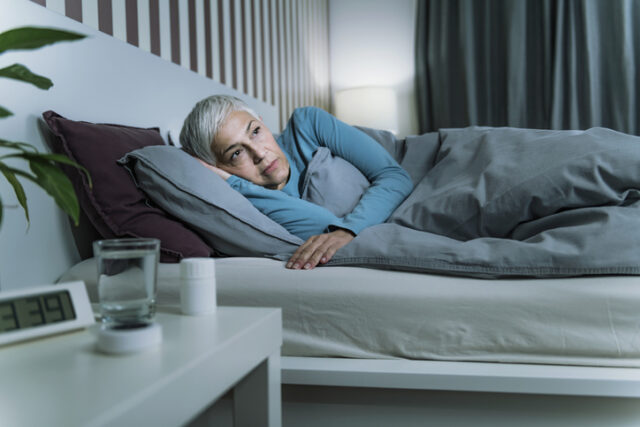
If you’ve been having more bad dreams lately, check which side you’re sleeping on. Studies show left-side sleepers get more nightmares than people who sleep on their right or back. Your body sends signals to your sleeping brain about discomfort. Your dreaming mind takes those feelings and turns them into scary situations. Try switching to your right side and see if your dreams improve.
Sleeping on your stomach creates more vivid and even intimate dreams.
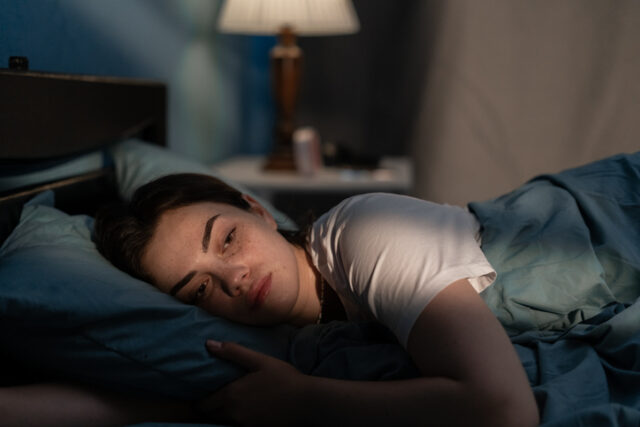
Stomach sleepers often have more intense dreams, including sexual ones. When you’re face-down, you’re squashing your chest and making it slightly harder to breathe. Your sleeping brain notices these sensations.
Those physical feelings get turned into dreams that feel really charged. Your brain creates scenarios that match what your body’s experiencing, like running or intimate situations. Your sleeping position could be why your dreams have been so vivid.
Back sleeping leads to more sleep paralysis episodes.

Lying on your back makes sleep paralysis way more likely. This is that terrifying thing where you’re awake but can’t move. When you’re flat on your back, your airway gets partially blocked more easily. Your brain wakes up while your body’s still in sleep mode, leaving you trapped. It often comes with scary hallucinations because you’re still partly dreaming. Sleeping on your side keeps your airway clearer and makes this happen less often.
Elevating your head changes dream recall.
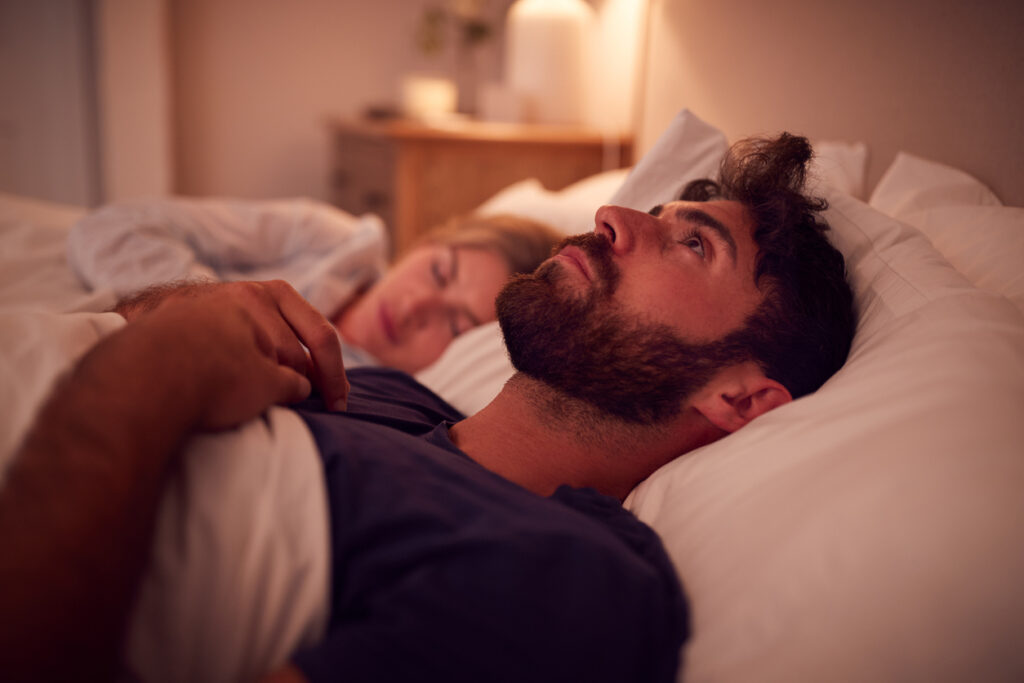
If you use extra pillows or raise your head somehow, you’ll probably remember more dreams. The elevated position improves blood flow and means you wake up more gently from dream sleep. When you’re not jolted awake suddenly, the dreams stick around in your memory better. You catch those final morning dreams before they disappear. An extra pillow might help you actually remember what you dreamed about.
Curling up in foetal position creates comfort dreams.

People who sleep curled up on their side often have more comforting dreams about safety and warmth. The foetal position feels naturally soothing because it’s how we were in the womb. When your body feels protected and cosy, your brain creates dreams that match. You might dream about childhood homes or being looked after. Your physical comfort translates directly into peaceful dream content.
Sleeping with your arms above your head triggers bizarre dreams.
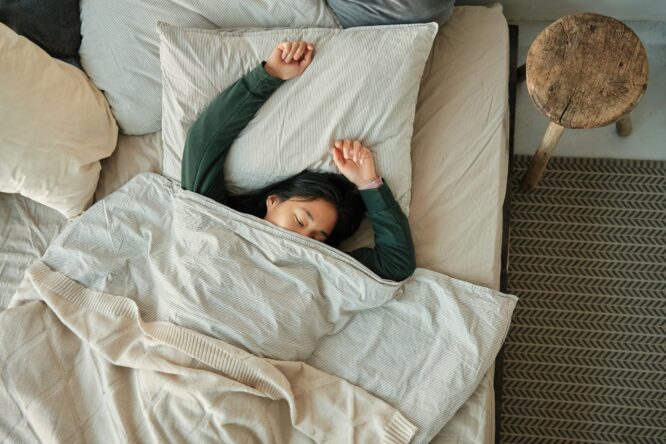
If you sleep with your arms stretched up by your head, you’re more likely to have really weird dreams. This position reduces blood flow to your arms and creates odd sensations like tingling. Your brain receives confusing signals about where your limbs are. It creates equally confusing dreams to explain what’s happening, like floating or your arms not working properly. Check if you’re cutting off circulation while you sleep.
Sleeping in a starfish position leads to more social dreams.

People who sprawl out across the bed tend to dream more about social situations and group activities. When you sleep in an open, spread-out way, your body language shows confidence even while unconscious. Your brain picks up on this relaxed state and creates dreams about other people. You get more dreams with conversations, parties, or group activities. Your sleeping position primes your brain to focus outward rather than inward.
Sleeping with a partner changes your dream themes.

Sharing a bed doesn’t just affect how well you sleep, it changes what you dream about. Your sleeping brain registers their warmth, movements, and breathing. These sensory inputs get woven into your dreams.
You’re more likely to dream about relationships or communication because your brain’s responding to shared space. People who usually sleep alone notice their dreams become more social when they start sharing a bed regularly.
Sleeping too warm creates more stressful dreams.
If your bedroom’s too hot, or you’re under heavy duvets, you’ll have more anxious dreams. When your body temperature rises during sleep, it triggers your stress response even though you’re not awake. Your brain interprets the discomfort as danger and creates stressful dream scenarios. Dreams about being chased or missing deadlines often come from just being too warm. Keeping cooler can completely change your dream content.
Sleeping in total darkness increases dream intensity.
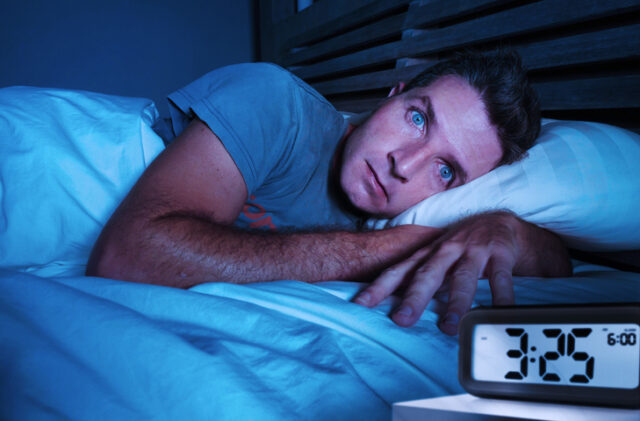
When you sleep in complete darkness, your brain produces more sleep hormones and stays deeper in dream sleep longer. Even tiny lights from phones or clocks can disrupt this. Complete darkness lets your brain fully commit to dreaming without interruptions. You experience more complex storylines and richer details. Blackout curtains or a sleep mask can make your dreams way more vivid.
Sleeping after physical exhaustion creates replay dreams.

When you fall into bed completely knackered after exercise or physical work, your dreams often replay those movements. Athletes dream about their sports, and people who’ve moved house dream about lifting boxes. Your brain uses sleep to process physical skills, so those activities show up in your dreams. The exhaustion deepens your sleep, which makes these replay dreams feel incredibly real. You wake up feeling like you’ve been working all night.
Sleeping with white noise changes dream soundscapes.

If you use a fan or sound machine while you sleep, it influences the sounds in your dreams. Your sleeping brain still processes audio, and white noise gets incorporated into your dream environment. People who sleep with white noise often dream about rain, waterfalls, or wind. Your dreaming mind weaves the sound into whatever’s happening, creating more peaceful dream settings. Your dreams become more atmospheric overall.
Sleeping in an unfamiliar place triggers alert dreams.
When you sleep somewhere new like a hotel, your brain stays partially alert even while you’re asleep. It’s an evolutionary safety mechanism. Your dreams often reflect this heightened awareness. You’re more likely to have dreams about being lost, searching for something, or needing to stay vigilant. It’s your brain’s way of keeping one eye open in unfamiliar territory. This usually settles down after the first night.