Being asked to officiate a wedding is a huge honour, but it can also feel intimidating if you’ve never done it before.
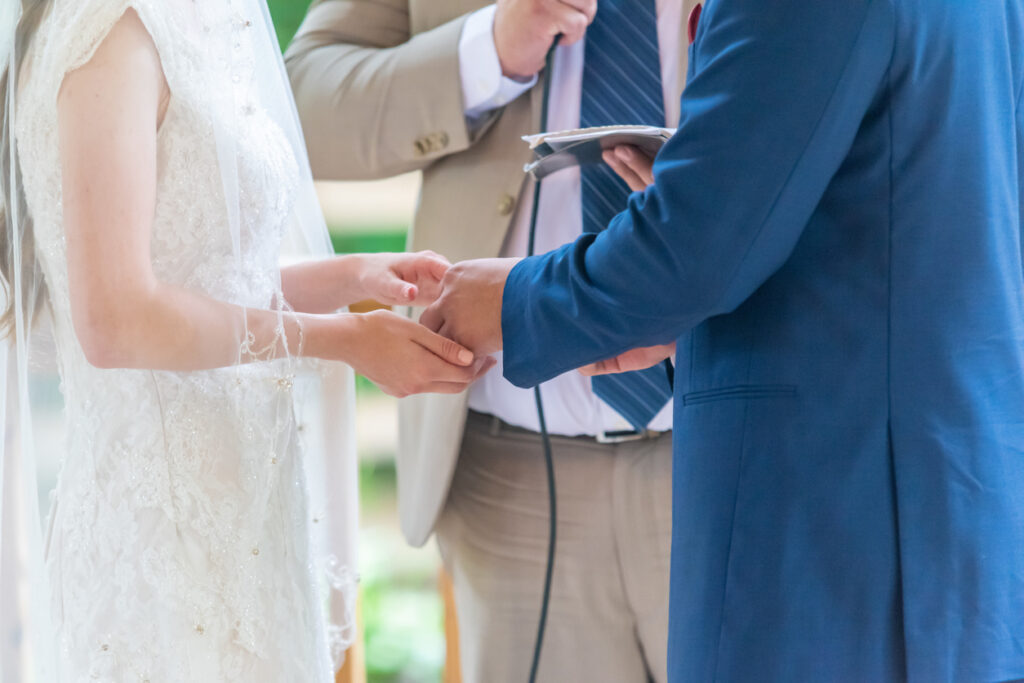
It sounds formal, but at its core it’s about guiding two people through a moment that matters to them. You’re there to set the tone and make sure the ceremony feels like them, rather than a script anyone could read. That means understanding what they want, getting comfortable with the flow of the day, and knowing when to step forward and when to step back. Once you’re clear on that, the whole thing feels a lot less intimidating.
The practical side is straightforward once you know the basics. You’ll need to handle a bit of preparation and learn the order of the ceremony. You’ll also need to be ready to speak clearly enough that everyone can follow along. The rest is about presence and helping the couple feel grounded while everything is happening around them. Do that well, and you’ll give them a ceremony that feels exactly right for their day. Here’s how to do it.
Make sure you’re legally allowed to officiate.
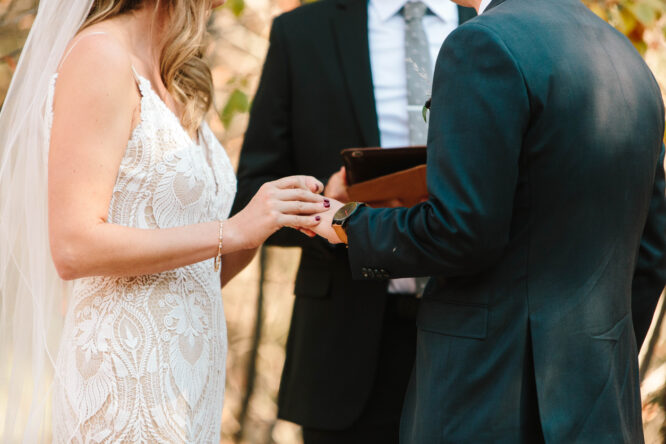
Before anything else, check the legal requirements where the wedding will take place. In the UK, only certain people can officiate legally, such as ministers, priests, or registered celebrants. If you’re not already authorised, you can still lead a symbolic ceremony while the couple handles the legal paperwork separately. Clarifying this early prevents confusion later. Make sure everyone understands whether your role is legal, symbolic, or both.
Get to know the couple’s story.
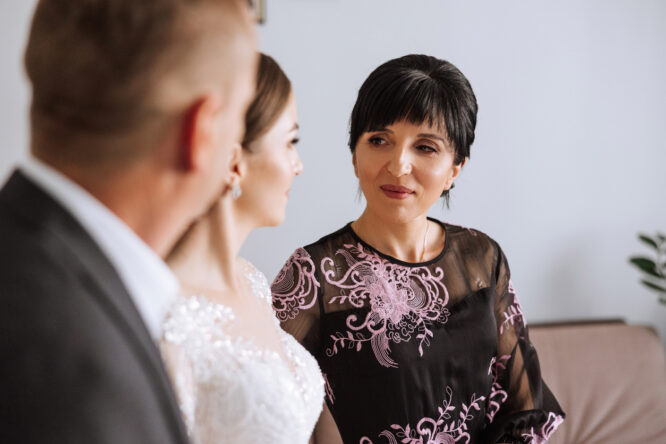
Every great ceremony feels personal. Spend time talking to the couple about how they met, what they value most, and what tone they want for the day. Some prefer humour, while others want something heartfelt or traditional. These conversations will shape your script. Knowing their story helps you speak naturally and connect with the guests on an emotional level.
Write a ceremony that fits their personality.
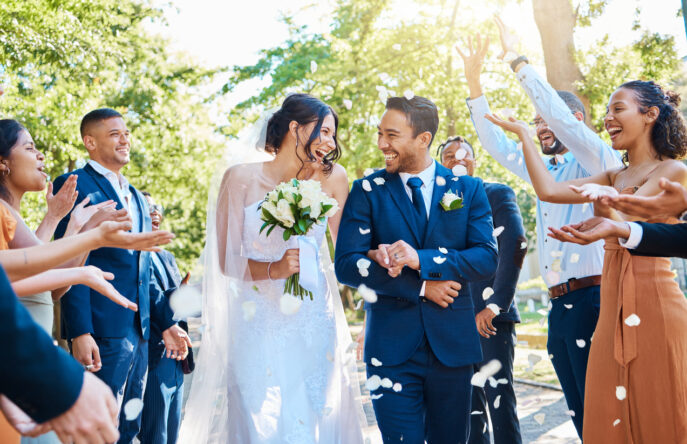
Once you know their preferences, start drafting the ceremony. Include moments that reflect who they are, such as a short anecdote, a reading, or even a shared joke. Keep the script short, clear, and balanced between love and laughter. The best ceremonies feel authentic. Use simple language and genuine warmth, and avoid overcomplicating your speech with long quotes or formal jargon.
Understand the structure of a ceremony.

Most weddings follow a familiar rhythm. You’ll start by welcoming the guests, then move through a few key parts: the introduction, readings (if any), vows, exchange of rings, and the declaration of marriage. End with a joyful announcement and the first kiss. Following this structure gives the ceremony flow and helps guests stay engaged. You can always adapt the order slightly to suit the couple’s traditions or preferences.
Help the couple write their vows.
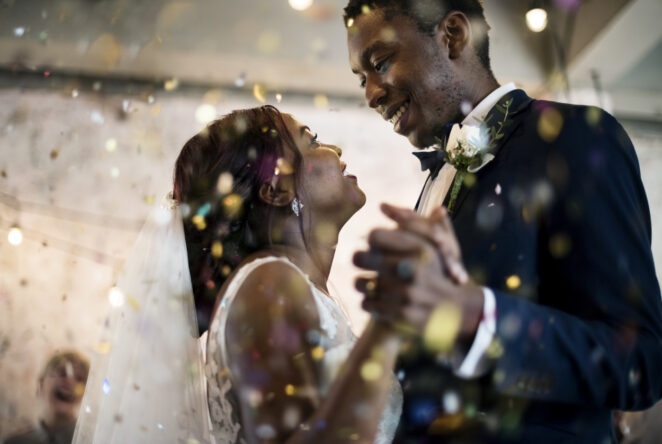
Some couples know exactly what they want to say, while others need guidance. Offer to help them find the right balance between sincerity and simplicity. Suggest writing in their own voice rather than copying examples online. Remind them to keep vows under two minutes each. Short, honest promises are easier to deliver and more meaningful to hear.
Practise your delivery.
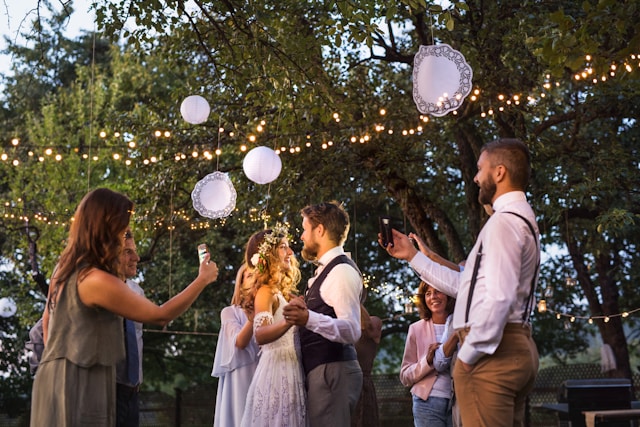
Even if you’re confident, practice makes all the difference. Read the script aloud several times to get used to your pacing. Record yourself if possible so you can hear where you need to pause or adjust your tone. When you sound natural and relaxed, the couple and guests will feel comfortable too. Confidence sets the tone for the entire ceremony.
Attend the rehearsal if there is one.

Rehearsals are a chance to walk through the ceremony and get everyone familiar with where they’ll stand and when they’ll speak. It also helps you spot any timing issues or awkward transitions before the big day. Being part of the rehearsal builds trust with the couple and the wedding party. You’ll also feel calmer knowing exactly how everything will flow.
Arrive early and check the setup.
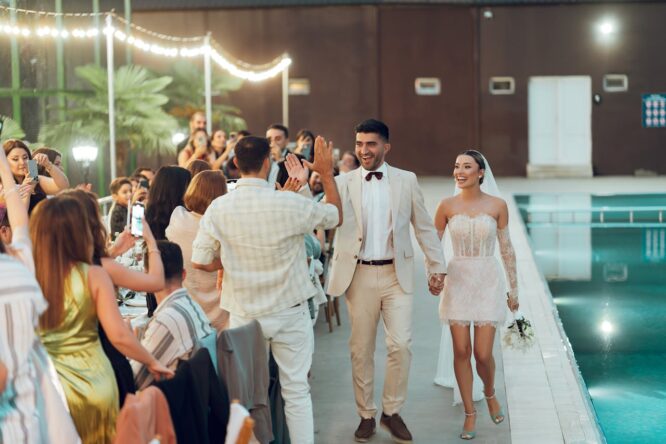
On the wedding day, arrive at least an hour before the ceremony. Check that your microphone works, your notes are in order, and you have water nearby. If you’re outdoors, test your voice projection and make sure there’s no glare on your notes. Taking time to prepare means you can focus entirely on the couple once guests start arriving. Organisation makes everything run more smoothly.
Keep the ceremony short and engaging.
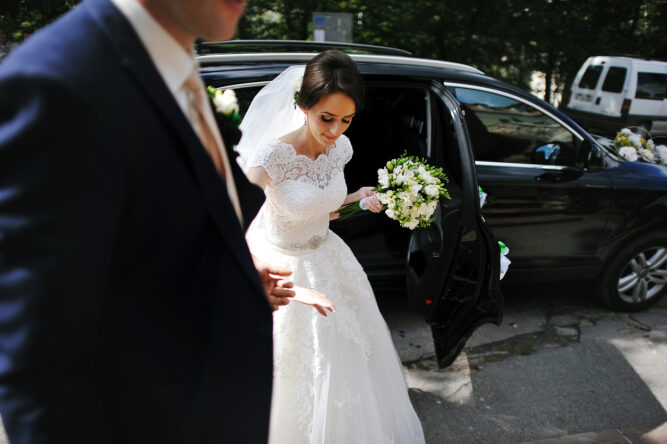
Most guests appreciate a ceremony that feels meaningful but doesn’t drag on. Aim for around 20 minutes in total. A clear pace, steady tone, and warm smile keep everyone’s attention from start to finish. It’s not about saying a lot; it’s about saying the right things in a genuine way. A concise ceremony often feels more powerful than a long one.
Speak clearly and connect with the room.
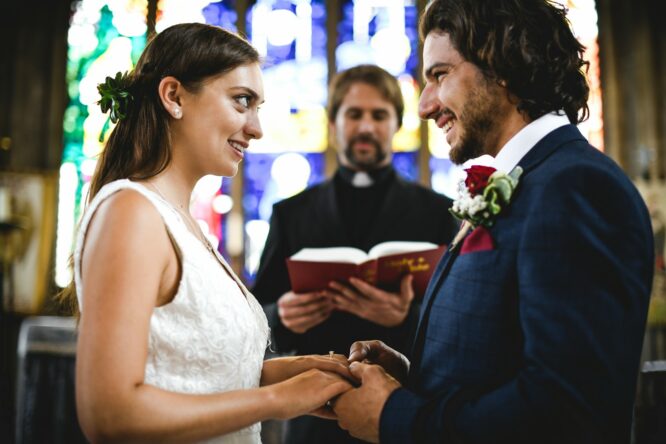
Look up often, make eye contact, and use a calm, friendly voice. You don’t need to be overly formal, but you should sound respectful and sure of yourself. Smiling between sentences can help relax everyone, including yourself. Remember that guests are there to celebrate, not to judge your performance. If you focus on the couple’s happiness, your confidence will naturally come through.
Handle nerves gracefully.

Even experienced speakers get nervous before big moments. Take deep breaths, speak slowly, and keep a small glass of water nearby. If you lose your place or stumble on a word, pause briefly and carry on. No one will notice for long. It helps to remember that everyone in the room wants you to succeed. The ceremony isn’t about perfection; it’s about love and connection.
Sign the marriage documents carefully.

If you are performing a legal ceremony, make sure all documents are filled out correctly. Double-check the names, dates, and witness signatures before submitting them. Any errors could delay registration of the marriage. Keep a spare pen ready and take your time with the paperwork. This part might not be romantic, but it’s essential.
End with warmth and celebration.

The closing moment of the ceremony is what people remember most. Announce the couple confidently, invite applause, and step aside so they can share their first kiss or walk down the aisle. Your final words should feel joyful and complete. Once your part is done, relax and enjoy the celebration. You’ve helped create a moment that the couple and their guests will never forget.