More good men are stepping back from dating than ever before, and it isn’t because they’ve stopped caring about relationships.

Many feel worn down, confused or exhausted by how modern dating works. They’re not giving up on love itself. They’re giving up on the stress, mixed messages and constant effort that never seems to lead anywhere. When you sit back and consider what they’re up against in the dating world, it becomes clear why so many men are choosing peace over looking for love right now.
1. They’re tired of mixed signals.

Putting effort into someone only to be met with vague replies or long silences wears people down fast. Men describe spending weeks trying to read tone, timing messages carefully, and wondering whether interest is real or imagined. That constant uncertainty turns something meant to be enjoyable into mental static.
After a while, the guessing feels harder than the rejection would. Clear interest feels rare, and that alone pushes men to step back. Focusing on people who communicate consistently helps, but many decide it’s easier to opt out altogether than keep decoding half-answers.
2. They feel judged before anyone gets to know them.

A lot of men feel like dating has turned into an assessment before a conversation even really begins. Income, appearance, confidence, status… There are far too many boxes to tick before personality gets a look-in. That pressure encourages performance rather than honesty.
As time goes on, it becomes exhausting trying to present a version of yourself that feels acceptable instead of real. Men who step away often say they’re tired of feeling evaluated rather than understood. Dating starts to feel less like connection and more like standing in front of a panel.
3. They’re scared of being hurt again.

Heartbreak leaves a scar, even when it’s played down. Men feel loss deeply, but they’re rarely encouraged to talk about it openly. After a painful ending, starting again can feel like reopening something that never fully healed.
Stepping back becomes a form of self-protection. It’s not that they plan on shutting people out forever, but they’re not exactly keen to relive the same pain without good reason. Time and distance help soften that fear, but forcing another attempt before feeling ready only makes it worse.
4. They feel like effort isn’t returned.

Planning dates, keeping conversations going, showing interest, and getting very little back drains motivation quickly. Men often describe feeling like they’re carrying the entire process while waiting for scraps of enthusiasm in return.
That imbalance creates resentment long before anyone admits it. Dating works best when interest moves both ways, but when that doesn’t happen consistently, men stop trying. Pulling away feels more respectful to themselves than chasing lukewarm responses.
5. They’re overwhelmed by dating apps.

Dating apps promise choice, but they usually just serve up drama, disappointment, and fatigue. Endless swiping, few matches, even fewer conversations that go anywhere. For many men, repeated silence chips away at confidence and turns curiosity into discouragement.
What starts as hope becomes routine rejection. Apps stop feeling like a way to meet someone and start feeling like a reminder of being overlooked. Taking breaks or deleting them entirely becomes an act of self-preservation rather than defeat.
6. They’re tired of being expected to lead everything.

There’s still a strong expectation that men should initiate, plan, guide, and sustain momentum. First message, first date, next step. That responsibility piles up, especially when interest from the other side feels passive.
Carrying the whole process makes dating feel uneven. Men want partnership, not a performance where they do all the work. When shared effort is missing, stepping away feels fairer than continuing alone.
7. They feel pressure to hide their emotions.

Many men learn early that showing uncertainty or vulnerability makes dating riskier. They worry honesty will be seen as weakness or neediness, so they keep things surface-level even when they want more depth.
That emotional restraint creates distance. It’s hard to feel close when you’re constantly editing yourself. Men who step back often say they’re tired of pretending they’re unaffected when they’re not.
8. They’re exhausted from trying to impress.

Dating can feel like a constant pitch: be confident, relaxed, funny, successful, interesting. Hold it together at all times. Be the best possible version of yourself that a partner could possibly want. That version of masculinity is impossible to maintain without cracking.
Men quickly get a bit weary of presenting highlights instead of reality. When dating requires ongoing performance, it stops feeling like connection. Walking away offers relief from pretending to be someone who never has an off day.
9. They’ve lost trust in the process.

After enough disappointment, optimism fades. Promising starts that go nowhere, connections that vanish without explanation, repeated resets. Eventually, men stop expecting good outcomes. They basically expect things to go south, so what’s the point in trying?
That loss of trust makes it hard to invest emotionally again. Stepping back becomes a way to protect hope rather than drain it completely. Sometimes distance is what allows optimism to recover.
10. They feel they’re competing rather than connecting.

Dating often feels crowded and transactional. Men talk about feeling compared, measured, ranked. That atmosphere makes genuine interest harder to recognise and easier to doubt. They want someone who sees them for who they are, not try to figure out how they stack up to other men.
Connection gets lost when competition takes over. Many men choose to step away rather than constantly wonder where they stand. Dating feels better when it’s about meeting someone, not outperforming invisible rivals.
11. They think women expect perfection.

There’s a belief that men need to arrive fully formed. Stable career, emotional strength, confidence, direction. Any uncertainty feels like a flaw rather than a normal stage of life.
That expectation creates pressure before a relationship even begins. Men step back because they feel unfinished rather than unworthy. Waiting until life feels steadier can seem kinder than entering dating while feeling inadequate.
12. They’re tired of being misunderstood.

Good intentions don’t always land the way men expect. Wanting something serious can be misread as indifference or inconsistency. That repeated misinterpretation becomes frustrating and disheartening.
Rather than keep explaining themselves, some men choose silence. Clear communication helps, but after enough confusion, retreat feels simpler than correction.
13. They don’t feel emotionally supported.

Men often feel expected to listen, reassure, and stay steady without receiving much support themselves. Over time, that imbalance turns dating into emotional labour rather than mutual care.
Building strong friendships becomes a priority instead. When men feel supported elsewhere, they stop seeking everything from romantic connection. Dating feels less urgent and less necessary.
14. They’re focusing on their own growth.

Some men step back because they know they’re not in a place to show up well. Stress, financial strain, mental health struggles. Dating adds pressure they don’t want to carry yet.
Taking time to stabilise feels responsible rather than avoidant. Growth becomes the focus, not because relationships don’t matter, but because timing does.
15. They’re choosing peace over constant stress.
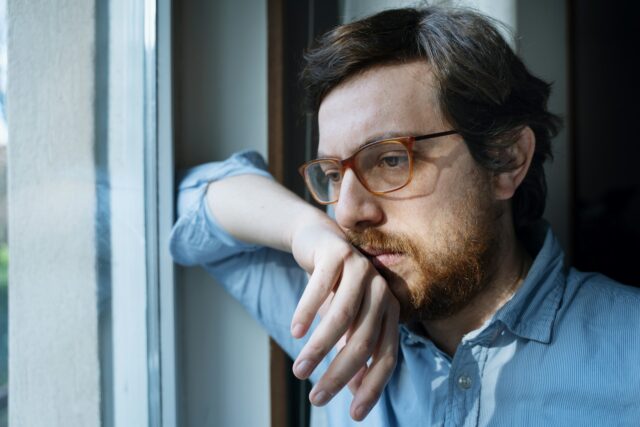
When dating creates more anxiety than excitement, the choice becomes clear. Men aren’t rejecting connection. They’re rejecting confusion, emotional whiplash, and constant self-doubt.
Choosing peace doesn’t mean forever. It means stepping back until dating feels hopeful again instead of exhausting. For many men right now, calm feels like the healthier option.