People love to say they want the old Britain back, usually while scrolling, sighing, and doing absolutely nothing about it.

What they’re really missing isn’t ’80s hair metal or shopping at Woolworth’s. Really, the nostalgia is for a feeling: streets that felt human, interactions that didn’t feel strained, a basic sense that people were looking out for each other instead of powering through with their heads down.
The awkward truth is that none of that vanished overnight. It slipped away bit by bit as everyday habits changed. Manners got dropped, patience wore thin, and community became something people talked about rather than practised. If that older Britain is ever going to feel familiar again, it won’t come from moaning about it. It comes back through small, boring, very doable choices people make every day.
1. Say hello to the people who live near you.

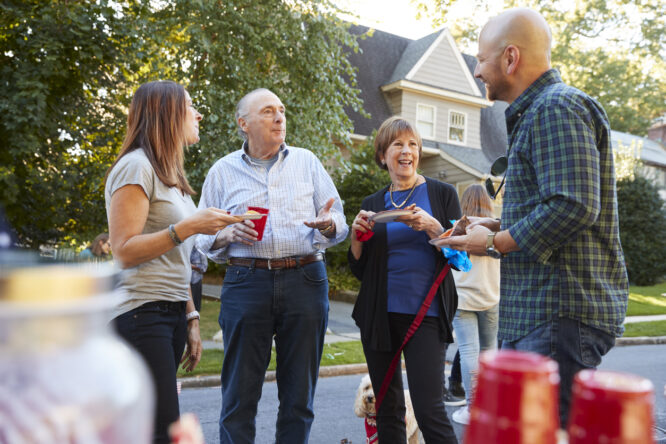
One of the quickest ways a street starts feeling unfriendly is when nobody acknowledges each other anymore. People walk past neighbours they’ve lived next to for years without a nod, a smile, or even eye contact. Over time, that silence builds walls that don’t need to be there.
Saying hello doesn’t mean becoming best mates with everyone on the road. It’s about basic recognition. A quick greeting reminds people they’re sharing a space, not just passing through it. That tiny habit alone can make an area feel warmer and more settled almost immediately.
2. Bring back basic manners in public spaces.
Doors get slammed in faces, phones are blasted on loudspeaker, and queues turn into competitive sports. None of this is major on its own, but together it makes public spaces feel tense and irritable. The politeness people say they miss didn’t come from rules, it came from habit.
Holding a door, letting people off the train first, keeping your voice down when space is tight. These things take seconds, but they change the atmosphere completely. Manners have a ripple effect, and it doesn’t take many people practising them before a place starts feeling calmer again.
3. Support local shops instead of huge chains.

When every high street looks identical, it’s not because towns lost their personality on purpose. It’s because convenience slowly replaced loyalty. Independent shops shut, and with them went the faces, stories, and sense of familiarity people quietly valued.
Popping into a local shop, café, or market stall keeps money and character where you live. You don’t have to do it for everything. Even small choices help keep places feeling rooted rather than generic. That’s where a lot of old Britain’s charm actually lived.
4. Keep your street clean without being asked.
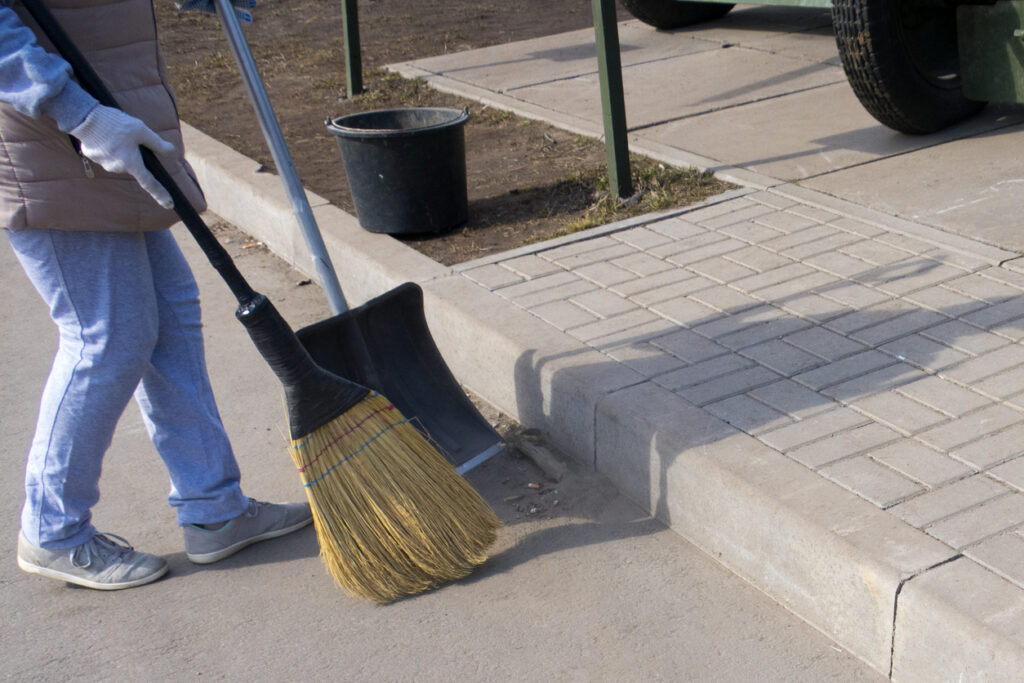
Nothing kills pride in a place faster than rubbish being left around like it’s somebody else’s problem. Once an area looks neglected, people stop caring how they treat it. It becomes a cycle that’s hard to reverse. Taking responsibility for your own bit of pavement, wall, or front step changes how a street feels. Clean spaces invite respect. When people see effort being made, they’re far more likely to match it, and that shared pride starts rebuilding itself.
5. Be patient while waiting your turn.

Queueing used to be a national running joke for a reason. It worked. It kept things fair and calm, and everyone knew the rules. Lately, lines feel tense, rushed, and full of eye-rolling. Standing patiently isn’t exciting, but it sets the tone. When one person stays calm, it often settles everyone else down too. A bit of patience brings back that steady, civil feeling people associate with how things used to be done.
6. Talk to strangers with warmth, not suspicion.

There was a time when small chats at bus stops or in parks were just part of daily life. Now, people often avoid interaction altogether, assuming it’ll be awkward or unwanted. That hesitation drains the friendliness out of shared spaces.
A brief comment, a smile, or a polite exchange doesn’t mean you’re inviting chaos into your life. It means you’re keeping everyday connection alive. Those tiny interactions are what made public life feel human rather than transactional.
7. Show pride in the places you visit.

Parks, beaches, town centres, and shared facilities only work when people treat them like they matter. Leaving mess behind or damaging things doesn’t just affect the space, it affects how people feel about being there.
Looking after shared places shows respect for the community as a whole. When people clean up after themselves and treat public areas well, those spaces stay welcoming. That sense of shared care is a big part of what people mean when they talk about the Britain they miss. Cleaning up after yourself and treating public places with care helps protect them.
8. Bring back small acts of kindness.

A lot of what people miss about old Britain lives in tiny gestures that used to be normal. Offering your seat, holding a lift, helping someone wrestle a buggy up some steps. None of it was heroic, it was just what you did without thinking too hard about it.
When those moments disappear, public life starts feeling colder. Doing small kind things again doesn’t require extra time or effort, just a bit of awareness. And the funny thing is, kindness spreads fast. One decent moment often nudges the next person to do the same.
9. Teach children real-world respect.

You can’t lecture kids into being respectful and then behave like the rules don’t apply to you. Children learn far more from watching how adults act than from anything they’re told. When patience, courtesy, and responsibility are modelled at home, they stick.
Saying please, waiting your turn, owning mistakes, and treating shared spaces properly all get absorbed over time. That’s how standards carry on from one generation to the next. Without that example, the gaps show up later in public life.
10. Look after local heritage.

Old pubs, community halls, libraries, and historic buildings don’t vanish because nobody cares. They fade because people assume they’ll always be there, right up until they aren’t. By then, it’s usually too late. Using these places, supporting events, or even just noticing when they’re under threat helps keep them alive. These spaces hold memories and identity. Losing them chips away at what makes towns and villages feel like themselves.
11. Stop rushing through everything

Life didn’t suddenly get better because it got faster. Constant rushing makes people short-tempered, distracted, and far less likely to connect. When everyone’s in a hurry, basic courtesy is usually the first thing to go.
Slowing down a notch creates room for patience and awareness. Taking a moment instead of charging ahead can turn a stressful interaction into a neutral one. That calmer pace is a big part of what people remember fondly, even if they didn’t name it at the time.
12. Bring fairness back into everyday life.

Old Britain ran on a shared idea of fairness. Taking turns, playing by the rules, and not pushing ahead just because you could. When that disappears, resentment builds quickly and trust drops off. Choosing fairness doesn’t mean being a pushover. It means not cutting corners at someone else’s expense. When people act decently in small situations, it sets a tone that quietly holds communities together.
13. Celebrate the good rather than only complaining.

It’s easy to focus on what’s gone wrong. Complaining becomes background noise, and eventually, it colours how people see everything around them. When all anyone does is grumble, morale drops fast. Noticing good behaviour, progress, or effort changes the atmosphere. Praising decency encourages more of it. Positivity isn’t pretending problems don’t exist, it’s refusing to let them be the only story.
14. Get involved instead of waiting for someone else to fix things.

Communities weaken when everyone waits for councils, neighbours, or “someone” to step in. That delay creates frustration and distance, and the sense of shared responsibility quietly fades.
Joining a local group, showing up to events, or lending a hand now and then rebuilds connection quickly. When people contribute even a little, places start feeling lived in rather than abandoned. That hands-on spirit is what kept communities strong in the first place.