You know that sudden shiver you get when a song hits just right, or when a film scene catches you off guard in the best possible way?

You get goosebumps, a tight chest, maybe even a little wave through your scalp. It’s oddly intense for something so fleeting, and it can stop you in your tracks for a second. If you’ve ever tried to explain it to someone and been met with a blank look, you’re not alone.
That reaction has a name, and it’s called frisson. It’s been puzzling scientists, music lovers, and curious minds for years. Some people get it all the time, some get it once in a blue moon, and some swear they’ve never felt it at all. What’s going on in the brain when it happens, and why does it seem to pick favourites. The answers are more interesting than you might expect.
It’s a physical reaction to emotional stimuli.

Frisson happens when your body responds to something that moves you deeply, and it manifests as goosebumps or shivers. Your brain releases dopamine, which causes tiny muscles at the base of your hair follicles to contract and create that tingling feeling. It’s an automatic response that you can’t force or fake because it only happens when something genuinely affects you on an emotional level.
Pay attention to what triggers your frisson because it reveals what truly resonates with you emotionally. Keep a playlist of songs or a list of films that give you this feeling so you can revisit them when you need an emotional boost. Share these experiences with others because discussing what moves you can deepen connections and help you understand yourself better.
Music is the most common trigger.
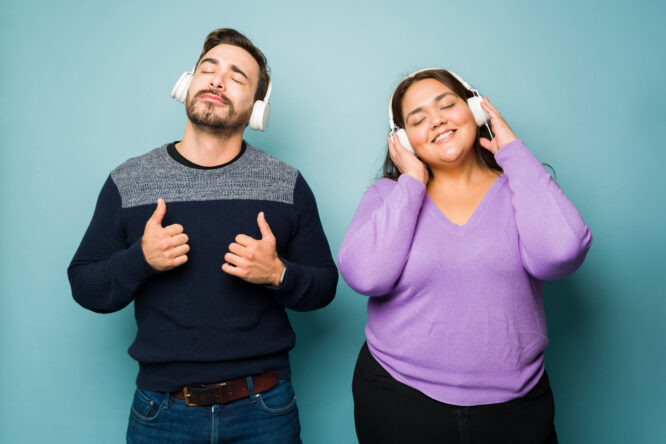
Certain songs or musical moments cause frisson more than anything else, and it usually happens during crescendos or unexpected harmonies. The build up of tension followed by release in music creates the perfect conditions for your brain to flood with dopamine. Classical music, film scores and emotionally charged vocals are particularly effective at triggering this response because they’re designed to manipulate your emotions through sound.
Create a frisson playlist with songs that consistently give you chills, and listen to it when you need to feel something powerful. Experiment with different genres because you might discover triggers in unexpected places, like heavy metal or ambient music. Use good quality headphones because the detail and depth of sound can make the difference between a mild tingle and full-body chills.
Only about half of people experience it regularly.
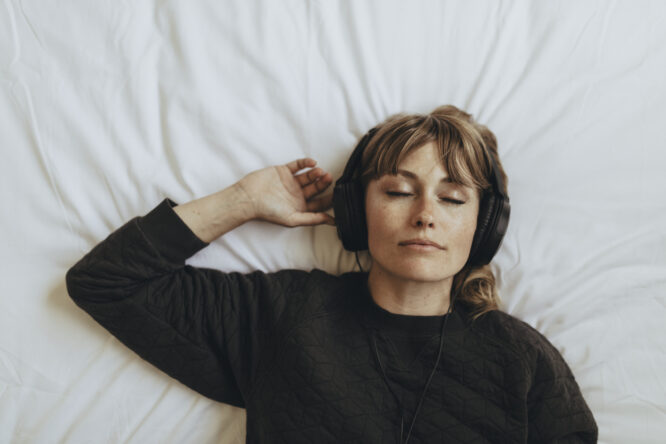
Research suggests that roughly 50 to 70 percent of people get frisson, but the intensity and frequency varies massively between individuals. Some people get it multiple times a day from various triggers, while others might only experience it a handful of times in their entire lives. Scientists aren’t entirely sure why some people are more susceptible, but it seems to be linked to personality traits and how your brain processes emotions.
Don’t worry if you’ve never experienced frisson because it doesn’t mean you’re less emotional or appreciative of art. Focus on whatever physical or emotional responses you do have to beautiful moments because everyone processes experiences differently. If you do get frisson, consider yourself lucky because it’s like having an extra sense that enhances your enjoyment of art and music.
It’s linked to openness to experience.

People who score high on openness to experience in personality tests are more likely to get frisson regularly. This personality trait means you’re curious, imaginative, and willing to try new things, which makes you more receptive to emotional stimuli. Your brain is essentially wired to notice and appreciate beauty and novelty, which creates more opportunities for those spine tingling moments to occur naturally.
Cultivate openness by exposing yourself to new music, films, books, and experiences that push you outside your comfort zone. Say yes to cultural activities you wouldn’t normally consider because broadening your horizons increases your chances of experiencing frisson. Keep an open mind when engaging with art because prejudging something as “not for you” closes off potential sources of deep emotional response.
Unexpected moments trigger it more strongly.

Frisson happens most powerfully when something surprises you or defies your expectations in a beautiful way. A sudden key change in a song, an unexpected plot twist that’s perfectly executed, or a visual moment that takes your breath away all create stronger reactions. Your brain loves novelty and when art delivers something you didn’t see coming, it rewards you with that rush of dopamine and physical sensation.
Avoid spoilers for films, books and music you’re excited about because knowing what’s coming diminishes the surprise factor. Watch live performances when possible because the unpredictability of live music creates more opportunities for unexpected frisson inducing moments. Try experiencing familiar art in new contexts, like hearing your favourite song performed by a different artist or watching a film in a cinema instead of at home.
It evolved as a survival mechanism.

Scientists believe frisson developed as a way for our ancestors to respond to threats and create group bonding through shared emotional experiences. The physical response of raised hair made animals look bigger to predators, and the accompanying alertness helped with survival. Now we experience this same mechanism in response to art and beauty because our brains have repurposed it for emotional rather than physical threats.
Appreciate frisson as a connection to your evolutionary past because it’s a reminder that emotions have physical purposes. Notice how frisson often happens in group settings like concerts because the communal experience amplifies the response. Use this knowledge to understand why certain songs or moments affect you physically because your body is responding to ancient programming that’s now triggered by beauty instead of danger.
Lyrics aren’t always necessary.

You can get frisson from purely instrumental music just as easily as from songs with meaningful lyrics. The emotional impact comes from the structure, harmony, and dynamics of the music itself rather than the words being sung. Film scores prove this because they move people to tears or give them chills without any lyrics at all and rely entirely on musical composition to create emotional responses.
Explore instrumental music and film soundtracks if you want to understand what specifically triggers your frisson. Listen to songs you love in instrumental versions to see if the chills come from the music or the lyrics. Don’t dismiss instrumental genres as boring because they can be just as emotionally powerful and sometimes even more effective at triggering frisson without words getting in the way.
It can happen from visual art and nature.

While music is the most common trigger, frisson can also come from seeing beautiful paintings, stunning architecture or breathtaking natural landscapes. Your brain processes visual beauty in similar ways to auditory beauty and releases the same dopamine that causes the physical response. Standing at the edge of a cliff, seeing a masterpiece in person, or watching a particularly moving film scene can all produce those same spine tingling sensations.
Visit art galleries and natural wonders in person because photographs rarely capture the full impact that triggers frisson. Take time to really look at beautiful things instead of rushing past them because frisson often needs a moment to build. Put your phone away when experiencing something potentially moving because distraction prevents your brain from fully engaging with the stimulus.
The intensity can vary based on your mood.

You’re more likely to experience strong frisson when you’re already in an emotional state or when you’re relaxed and receptive. Stress, distraction and emotional numbness all reduce your ability to experience it because your brain is focused on other things. The same song that gave you chills last week might do nothing for you today if you’re not in the right headspace to receive it emotionally.
Create the right environment for experiencing frisson by eliminating distractions and giving yourself permission to feel emotions fully. Listen to moving music when you’re alone and can focus completely because trying to experience frisson in a noisy or busy environment rarely works. Accept that some days you won’t feel it, and that’s perfectly normal because your emotional receptivity fluctuates with your circumstances and mental state.
You can’t force it to happen.

Frisson is an involuntary response that only happens when conditions are right, and trying to make it occur usually prevents it from happening. The more you focus on wanting to feel it, the more your analytical brain gets in the way of the emotional response your body needs. It’s like trying to force yourself to cry at a sad film because the self consciousness and effort block the natural emotional flow required.
Stop chasing frisson, and instead focus on genuinely engaging with art and beauty for its own sake. Let go of expectations when listening to music or watching films because demanding an emotional response from yourself creates pressure that blocks it. Trust that frisson will happen naturally when you encounter something that truly moves you and your circumstances align perfectly for that moment of connection.