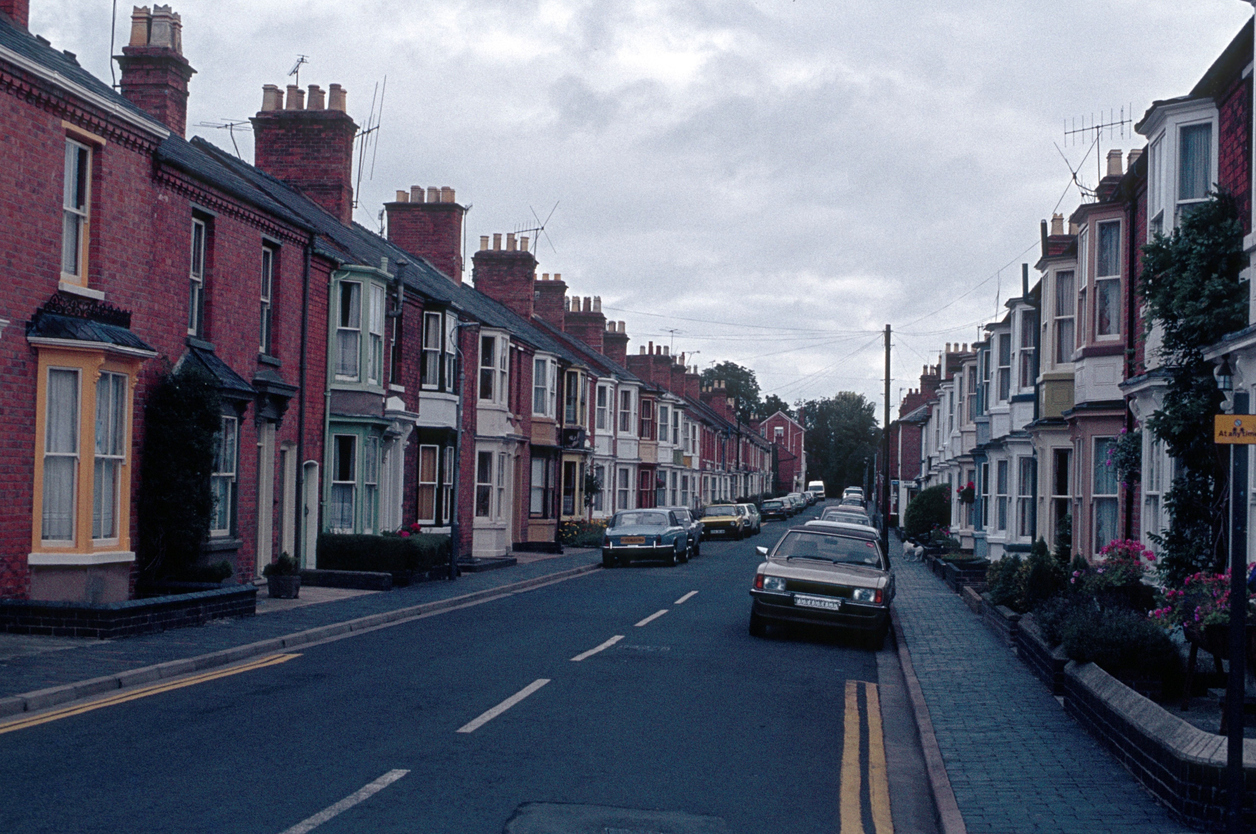
Life in 1980s Britain gets remembered through a warm haze, but some parts really were worth missing when they faded.
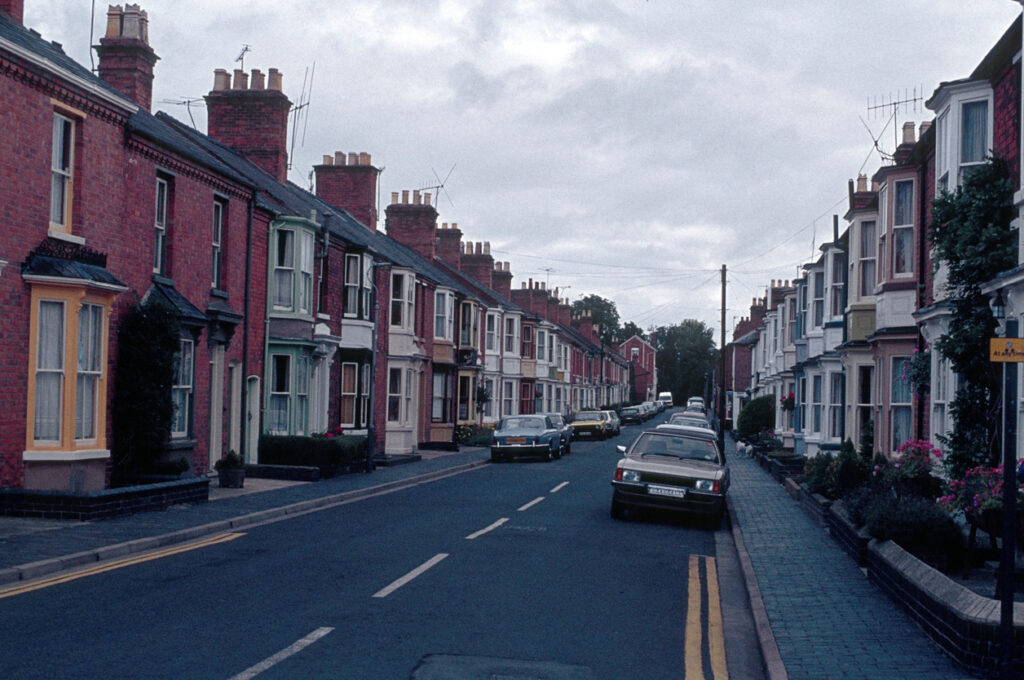
It’s not the obvious stuff people roll out at dinner parties, but the smaller, everyday realities that informed how people lived and connected. Things felt slower, a bit rough around the edges, and far less polished, but there was comfort in that. You didn’t have endless choice or constant updates, and somehow that made space for other things.
What stands out now is how grounded daily life felt. Communities were tighter, and entertainment didn’t demand your full attention every waking minute. You showed up, you made do, and you spent a lot more time properly present with the people around you. Looking back, it’s not about pretending everything was better back then, but recognising the parts of ’80s Britain that gave life a texture many people miss.
1. Video rental shops brought Hollywood to your doorstep.
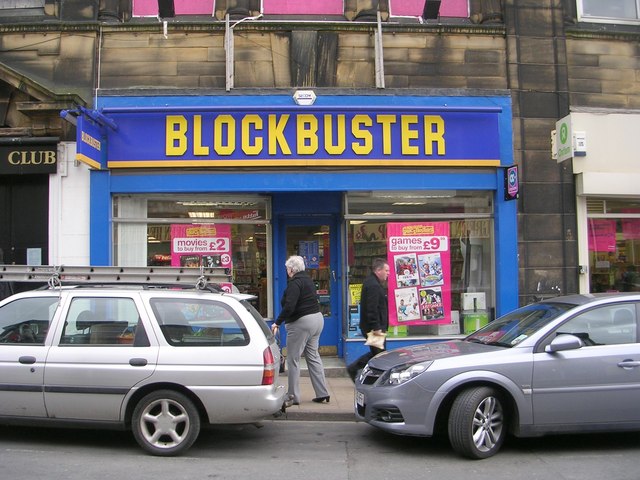
Before streaming services existed, video rental shops became the beating heart of Friday night entertainment across Britain. Independent, family-run stores popped up on every high street, transforming how people watched films. You’d spend ages browsing colourful VHS covers, reading plot summaries on the back of each box, and debating which blockbuster to take home.
Membership cost around £10 to £30, while renting a film was just £1 to £2 for up to two weeks. The experience felt magical because you couldn’t just click a button and watch anything instantly. You had to make a deliberate trip, make choices, and sometimes swap tapes with friends to stretch your viewing options.
2. The milkman delivered fresh bottles to your doorstep every morning.

Waking up to the gentle clink of glass bottles on your doorstep was a quintessentially British experience that defined mornings during this decade. The milkman, often driving a near-silent electric milk float, would deliver fresh milk in recyclable glass bottles while most people were still asleep. By 1975, around 94% of milk came in these glass bottles, and the milkman knew his customers by name.
You’d leave a note in an empty bottle requesting extra pints or different products like cream, butter, or orange juice for the next delivery. The milkman wasn’t just delivering dairy but providing a genuine community service, checking on elderly neighbours and becoming a trusted fixture in local life. It wasn’t until around 1990 that supermarkets properly challenged this tradition with plastic containers.
3. Red telephone boxes were lifelines on every street corner.
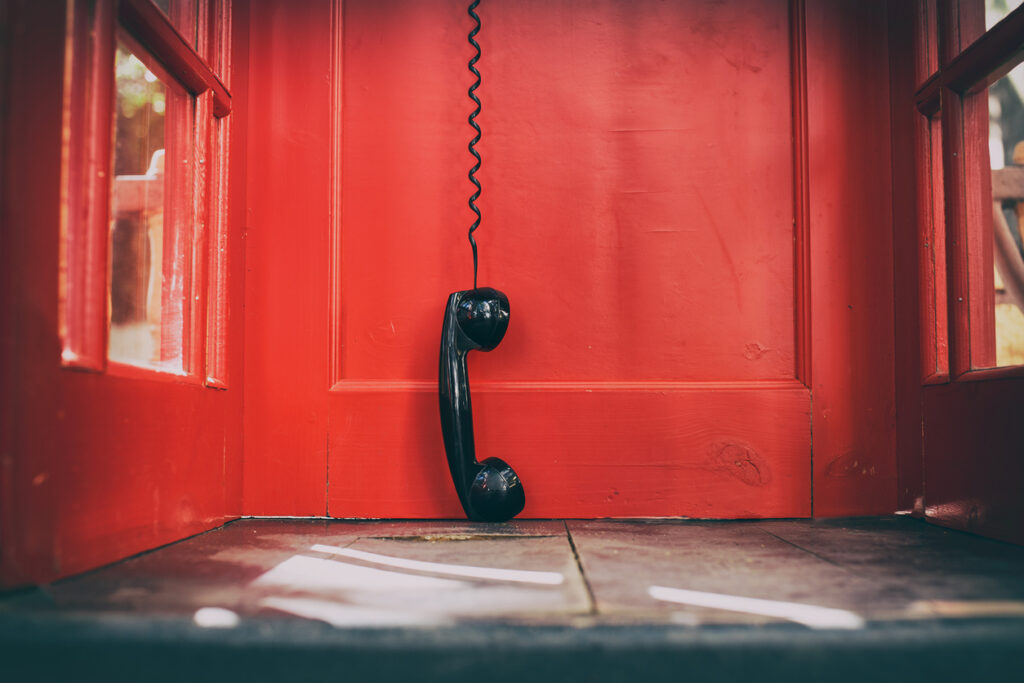
The iconic red phone box wasn’t just a pretty landmark, but an essential piece of infrastructure that connected people before mobile phones existed. These cast-iron kiosks designed by Sir Giles Gilbert Scott stood on virtually every corner, painted bright red specifically so they’d be easy to spot in emergencies. You’d fumble for 10p pieces to make calls, press Button A to connect, and speak quickly before your money ran out.
Phone boxes served as meeting points, emergency contact stations, and the only way to call home when you were out. Teenagers used them to arrange meet-ups, businesspeople made important calls while travelling, and they provided crucial lifelines for anyone who needed help. The ’80s saw around 60,000 red kiosks across Britain, taken completely for granted until they started disappearing.
4. New Romantic music created a generation of peacocks.

The New Romantic movement exploded from London nightclubs like the Blitz and transformed British music and fashion. Bands like Duran Duran, Spandau Ballet, Culture Club, and Visage rejected punk’s austerity and instead embraced glamour, synthesisers, and androgynous fashion. Men wore makeup, frilled shirts, and backcombed hair without apology.
This wasn’t just about music but about self-expression and escapism during tough economic times. The movement celebrated individuality and creativity, giving young people permission to be flamboyant and theatrical. MTV’s launch in 1981 propelled these visually stunning bands to international fame, leading what became known as the Second British Invasion of American charts.
5. Home computers sparked a technological revolution.
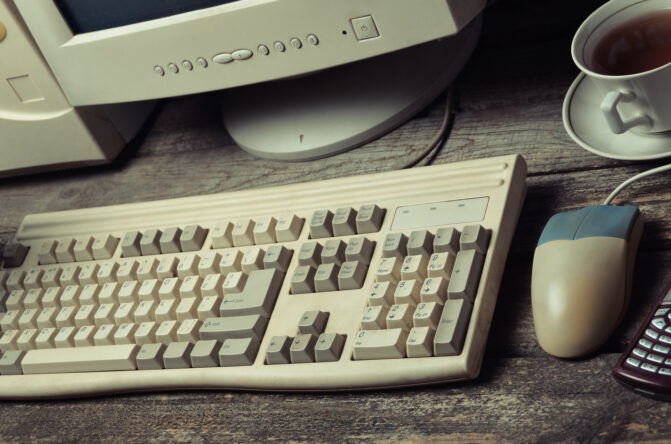
The early 1980s saw affordable home computers like the Sinclair ZX Spectrum and Commodore 64 appear in British living rooms for the first time. Suddenly, ordinary families could own technology that previously only existed in science fiction. Kids learned to programme in BASIC, typed in code from magazines, and waited ages for games to load from cassette tapes.
This democratisation of computing created a generation of self-taught programmers and technology enthusiasts. You didn’t need formal training or expensive equipment to start creating. The British games industry was born from bedrooms across the country, with teenagers programming hits that sold millions worldwide.
6. Channel 4 brought alternative television to the masses.

Until 1982, Britain only had three television channels. The launch of Channel 4 in November that year revolutionised what people could watch. The new channel offered alternative comedy, diverse programming, and content that pushed boundaries in ways the BBC and ITV rarely attempted. Shows catered to audiences who’d been ignored by mainstream television.
Channel 4 also pioneered innovative formats and gave platforms to minority voices. It wasn’t afraid to take risks with experimental content, and this creative freedom produced some of Britain’s most memorable television. Having a fourth option might not sound revolutionary today, but it genuinely expanded what British viewers could access in their own homes.
7. The Walkman made music truly portable for the first time.
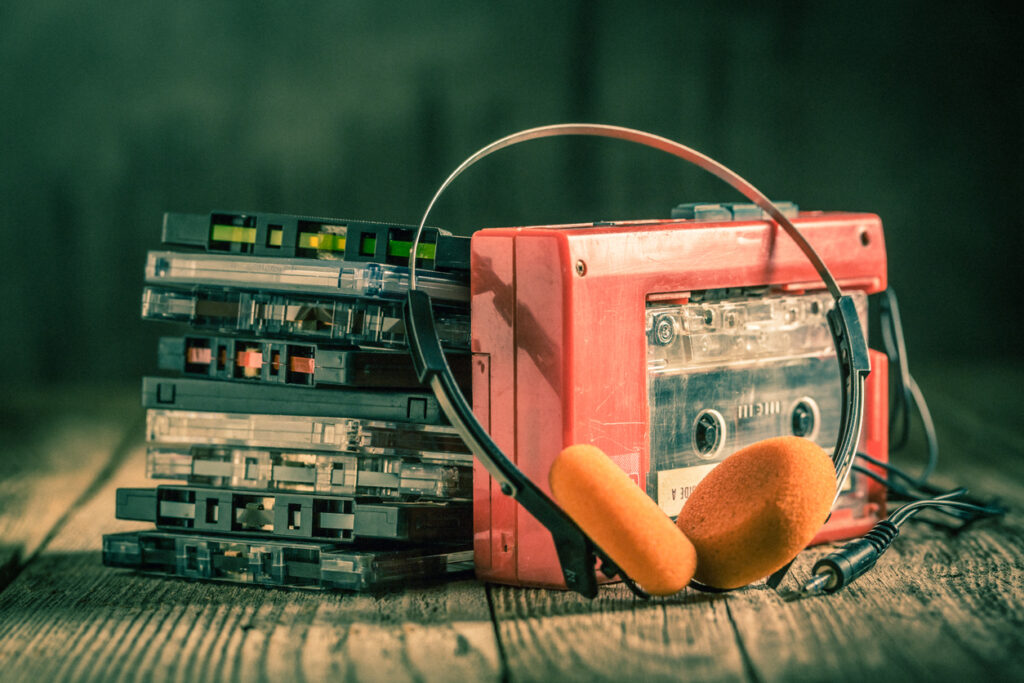
Sony’s Walkman, introduced in 1980, completely changed how people experienced music. For the first time ever, you could take your personal soundtrack anywhere without bothering anyone else. Teenagers wore them on buses, commuters used them on trains, and joggers ran with them clipped to their waistbands.
This simple device gave people control over their audio environment in ways that seem obvious now but felt revolutionary then. You could block out the world, create your own atmosphere, and listen to exactly what you wanted rather than whatever was on the radio. The Walkman represented personal freedom in a tangible, pocket-sized form.
8. Trivial Pursuit turned game nights into cultural phenomenons.
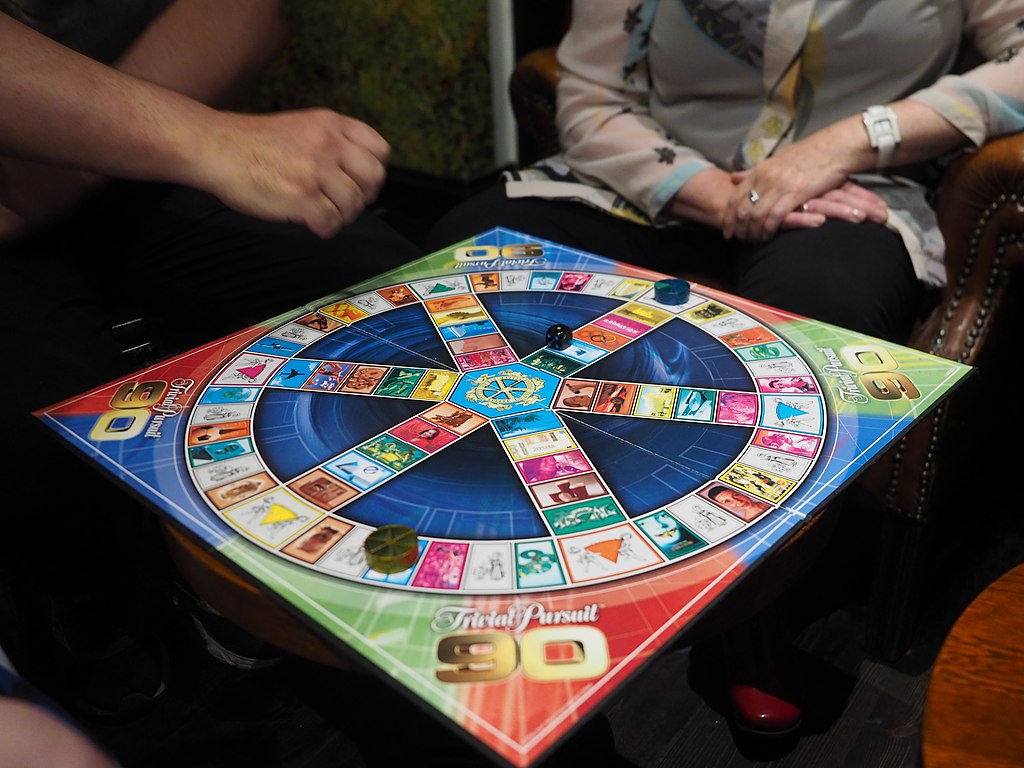
When Trivial Pursuit hit British shops in 1982, it became an instant sensation that dominated family gatherings and pub nights. The game made knowing random facts cool and turned general knowledge into competitive entertainment. Families would gather around boards for hours, arguing over answers and learning genuinely interesting information.
Board games became social events rather than just children’s entertainment. Trivial Pursuit was followed by Pictionary in 1985, creating a golden age of games that brought people together in person. There was no scrolling through phones during your turn because phones just made calls and sat attached to walls.
9. Corner shops stayed open late and knew their customers.
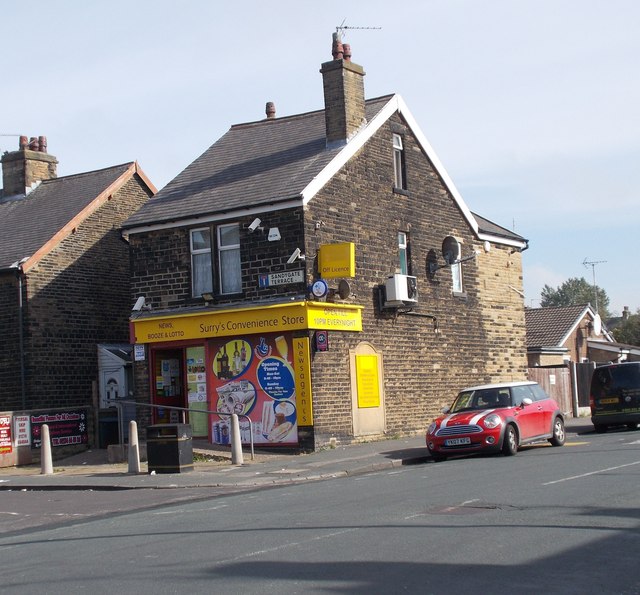
Local corner shops and newsagents formed the backbone of community life throughout the ’80s. These weren’t faceless chain stores, but family-run businesses where owners knew customers by name and extended credit to regulars who were short on cash. You could pop out at 9pm for milk, sweets, or a magazine and have a proper chat with whoever was behind the counter.
Many of these shops expanded to rent videos, sell phone cards, or offer other services their communities needed. They created genuine social bonds and looked out for elderly or vulnerable neighbours. When someone didn’t show up for their usual paper, the shopkeeper would notice and check if they were alright.
10. People actually switched off and were unreachable sometimes.
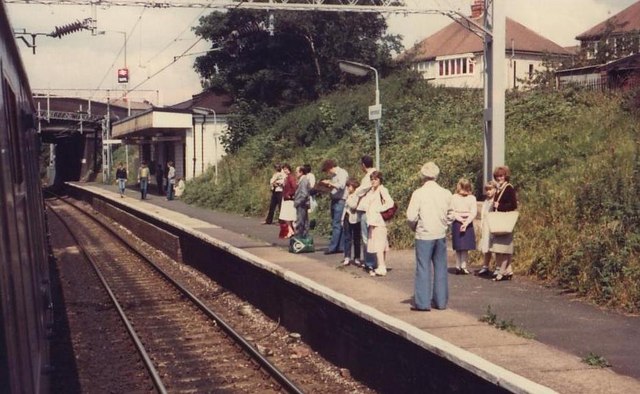
Perhaps the most genuinely liberating reality of 1980s Britain was that people couldn’t contact you every second of the day. If you went out, you were simply out. There were no mobile phones buzzing in pockets, no WhatsApp groups demanding instant responses, and no pressure to document every moment for social media.
This forced presence meant when you were with someone, you were actually with them. Conversations happened without constant interruptions from notifications. You made plans and stuck to them because you couldn’t text to change arrangements at the last minute. The freedom from constant connectivity allowed people to be genuinely present in their own lives rather than performing them for an online audience.