Terraced houses make up a huge portion of Britain’s housing stock, and millions of people live in them without giving it much thought.
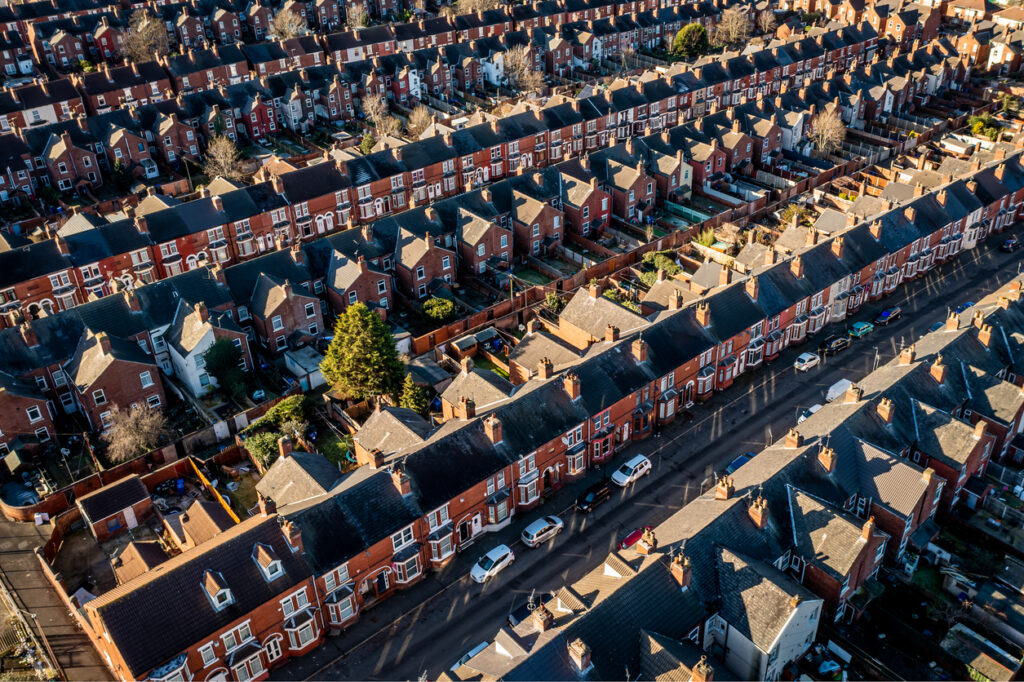
They’re practical, affordable, and often located in convenient spots, but they come with their own set of realities that detached house dwellers never have to consider. These aren’t necessarily problems, just the everyday facts of sharing walls with neighbours and living in homes built when space and privacy weren’t top priorities.
1. You hear your neighbours more than you’d expect.

Sharing walls means you become unintentionally familiar with your neighbours’ lives, whether you want to or not. You’ll hear their television through the wall, their footsteps on the stairs, and sometimes their conversations if they’re talking loudly.
The level of noise depends entirely on how well the house was built and whether anyone’s bothered to add insulation, but most terraced houses weren’t designed with soundproofing in mind. You learn to accept a baseline level of ambient noise as normal, and you become very aware of how much sound you’re probably sending back through the walls.
2. Privacy in your garden is limited.

Your back garden is visible to neighbours on both sides, and often to houses backing onto yours as well. You can’t sit outside without being potentially observed, and conversations carry over fences more easily than you’d think. Many people end up adding taller fences or planting screening, but there’s only so much you can do when gardens are small and houses are close together. The lack of privacy means you’re always slightly conscious of being seen or heard when you’re outside, which changes how you use the space.
3. Parking becomes a daily frustration.

Most Victorian and Edwardian terraced houses were built before cars existed, so parking is a constant negotiation. You’re competing for street spaces with everyone else on your road, and there’s often an unspoken hierarchy about who parks where.
Coming home late means you might end up streets away from your house, and visitors have nowhere to go unless you sacrifice your own spot. The situation gets worse when someone parks inconsiderately or a van takes up two spaces, and you find yourself getting irritated about things you never thought would bother you.
4. You’re responsible for your neighbours’ structural problems.

Terraced houses are physically connected, so if your neighbour has a leaking roof or damp problems, it can spread to your property. Getting repairs done often requires coordination with people next door, and if they refuse to fix their side, you’re stuck dealing with the consequences.
Selling a terraced house can be complicated if the neighbours’ properties are in poor condition, as mortgage lenders get nervous about structural issues that cross boundaries. You’re tied to other people’s maintenance decisions in ways that affect your own home’s value and condition.
5. Natural light is limited to front and back.
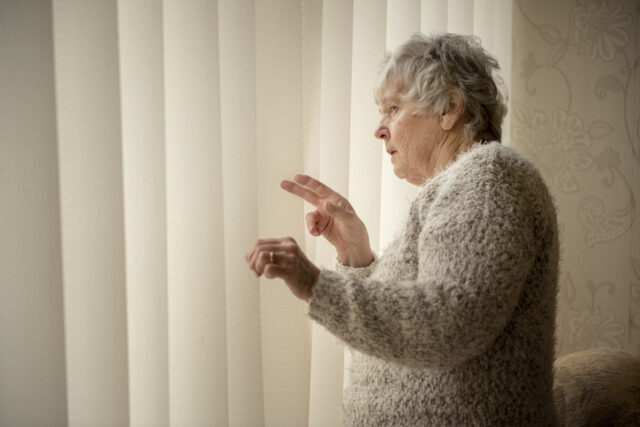
With no windows on the sides, terraced houses only get light from two directions, and the middle rooms can be quite dark. Hallways and stairs are often windowless, so you’re turning lights on during the day just to see properly. The lack of side windows also means less ventilation, which can make houses feel stuffy, especially in summer. You become very conscious of window placement and end up leaving curtains open more than you might prefer, just to get enough daylight into the house.
6. Your heating costs are actually lower.
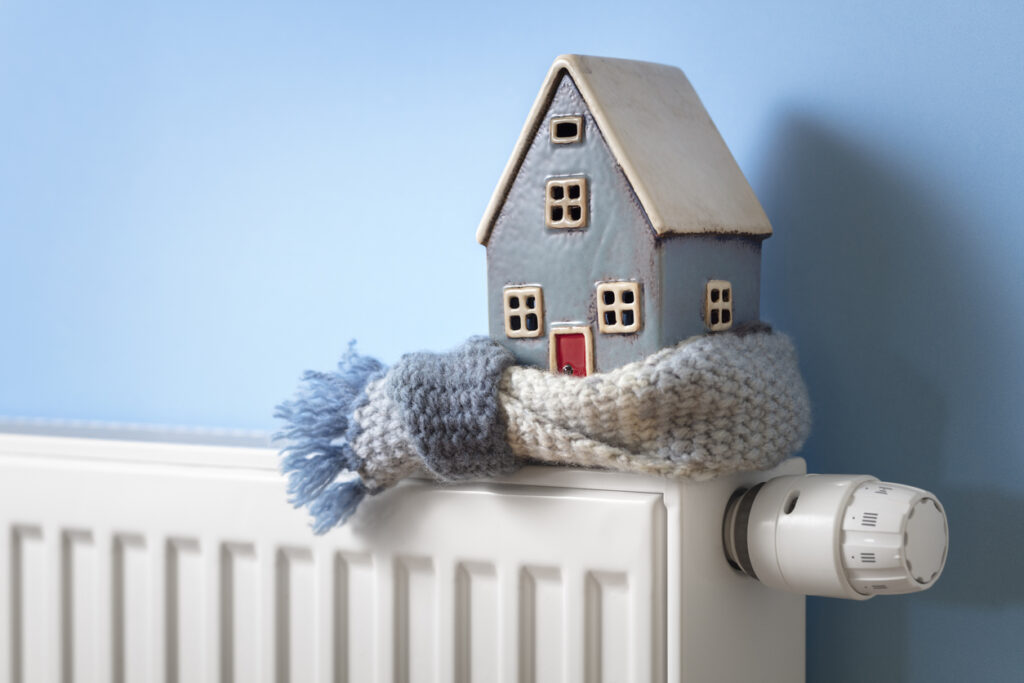
Sharing walls with heated houses on both sides means you lose less heat than detached or semi-detached properties do. Your neighbours are essentially insulating your home, and you’re doing the same for them, which reduces energy bills. This is one of the genuine advantages of terraced living, especially during winter when heating costs matter most. End-of-terrace houses lose this benefit on one side, and their energy bills tend to be noticeably higher than mid-terrace properties as a result.
7. Extending your house is complicated.

Adding space to a terraced house means going out the back or up into the loft, and both options have limitations. Rear extensions require planning permission and can’t go past certain points without affecting neighbours’ light. Loft conversions work if your roof is the right type, but you’ll still need to consider how it affects the overall terrace and whether your neighbours mind the disruption. You can’t extend sideways, so your options are more restricted than people in detached houses, and the costs per square metre tend to be higher.
8. You know exactly when neighbours come and go.
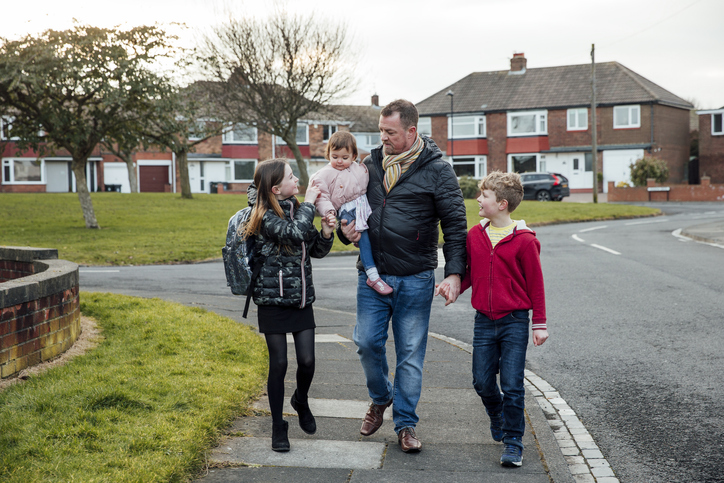
The front doors are often close together, and you hear people leaving and arriving throughout the day. You start to recognise routines without meaning to, like when the neighbour goes to work or when they get home. This awareness goes both ways, so your neighbours also know your patterns, which can feel intrusive if you value privacy. Some people find it reassuring to have other people nearby, but it does mean your comings and goings are never entirely private.
9. Bin collection becomes a strategic operation.
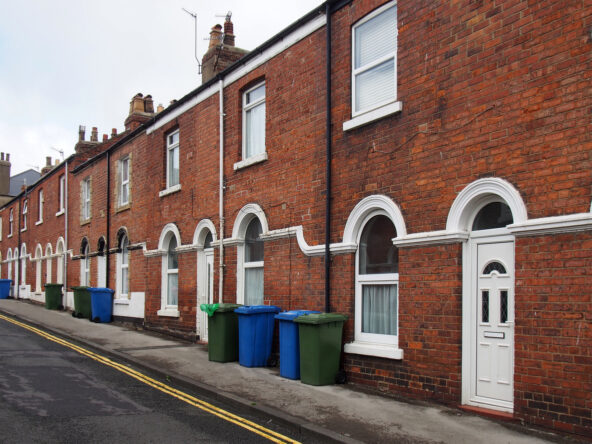
With limited front space, everyone’s bins end up crowded on the pavement on collection day, and there’s often confusion about whose bin is whose. You need to drag them through your house or down a narrow side passage if you have one, which is awkward with large wheelie bins.
Bin storage in terraced houses is a genuine problem, as there’s rarely space for multiple bins in the back garden without them dominating the area. You end up becoming surprisingly invested in bin day logistics and finding ways to make the process slightly less annoying.
10. Damp and mould appear more easily.
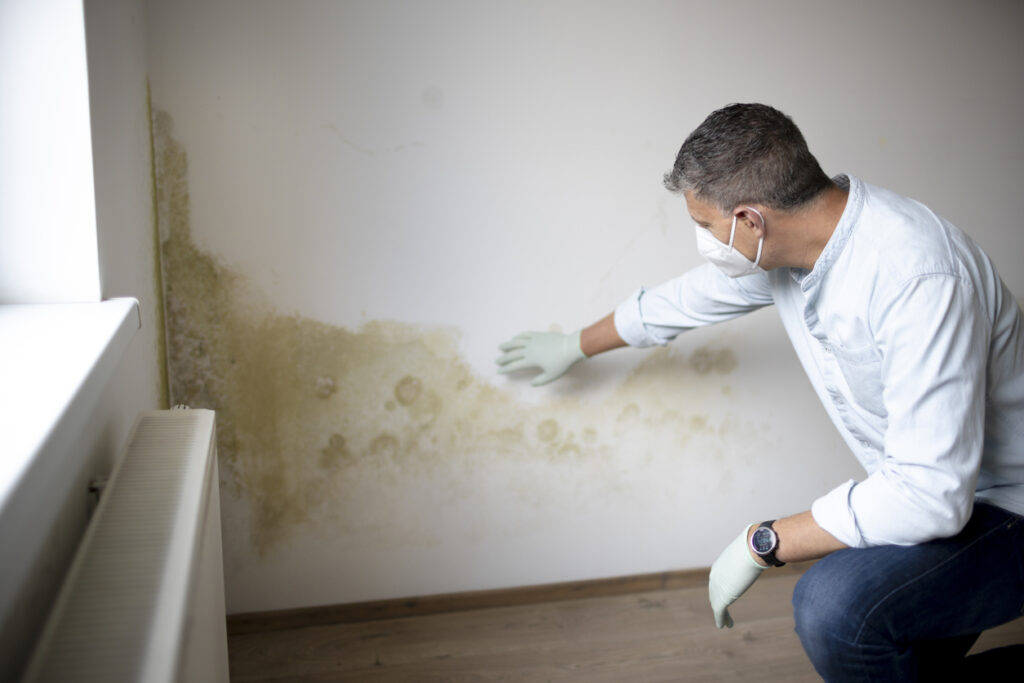
The limited ventilation and lack of side windows mean moisture doesn’t escape as easily from terraced houses. Bathrooms and kitchens can develop mould quickly if you’re not constantly opening windows and running extractor fans. The problem gets worse if you dry laundry indoors or if the house has old single-glazed windows that create condensation. You have to be more proactive about ventilation than you would in a detached house, and ignoring the issue leads to bigger problems that are expensive to fix.
11. Street noise is constant and unavoidable.

Living directly on the street means you hear everything that happens outside, from traffic and sirens to people walking past having conversations. There’s no front garden buffer to absorb sound, so noise comes straight into your front rooms. You get used to it over time, but it does mean the house never feels completely quiet, especially if you’re on a busy road. Double glazing helps, but doesn’t eliminate the problem, and you learn to accept background noise as part of terraced living.
12. You can’t choose your neighbours.
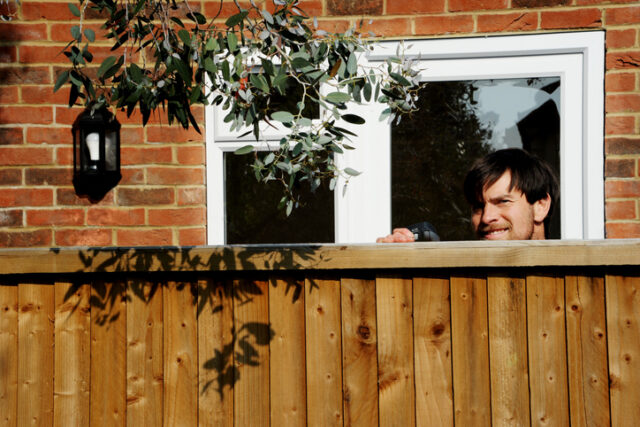
Being physically attached to other people’s homes means bad neighbours have a much bigger impact on your life than they would elsewhere. Noise, smells, and even pest problems transfer easily between properties, and there’s no escape if the people next door are difficult. You’re stuck with whoever lives there until one of you moves, and that lack of control can be stressful if personalities clash. Most neighbour relationships are fine, but when they’re not, terraced living becomes genuinely difficult.
13. Original features come with complications.
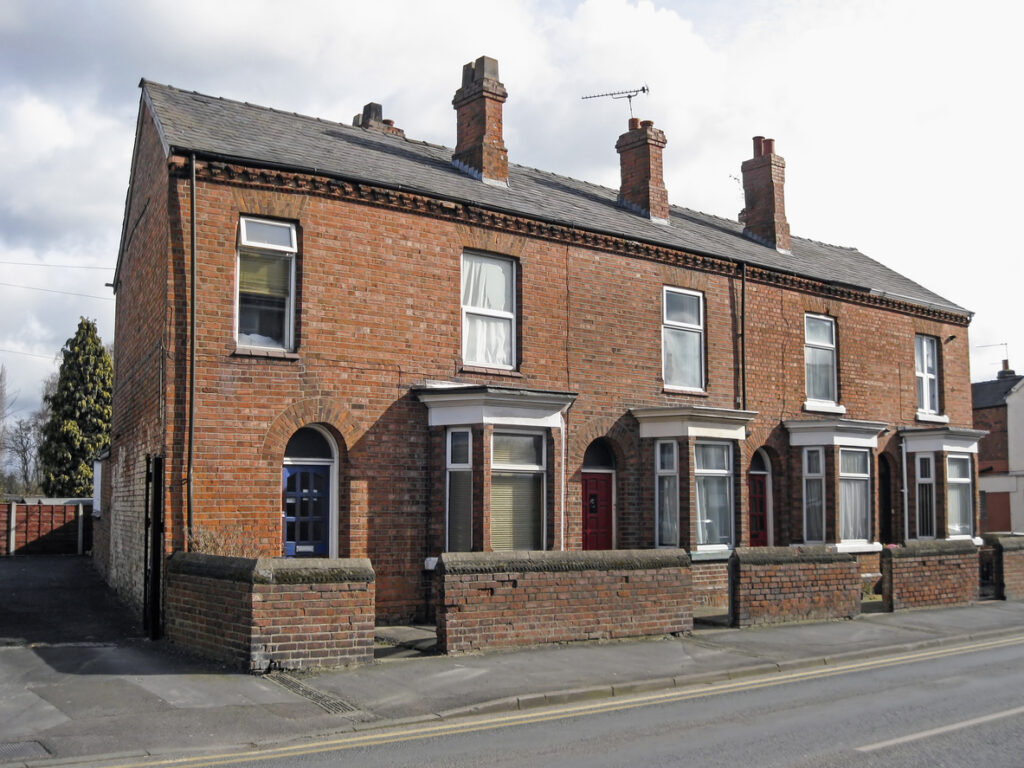
Victorian and Edwardian terraced houses often have attractive period features, but they also come with old wiring, outdated plumbing, and draughty windows. Updating these features while keeping the character intact is expensive, and you’ll likely face decisions about whether to modernise or preserve originality. The houses weren’t built to modern standards, so you’re always balancing aesthetics with practicality. Heating old terraced houses properly is difficult, and many retain cold spots, no matter what you do to improve insulation.
14. Community feeling develops whether you want it or not.
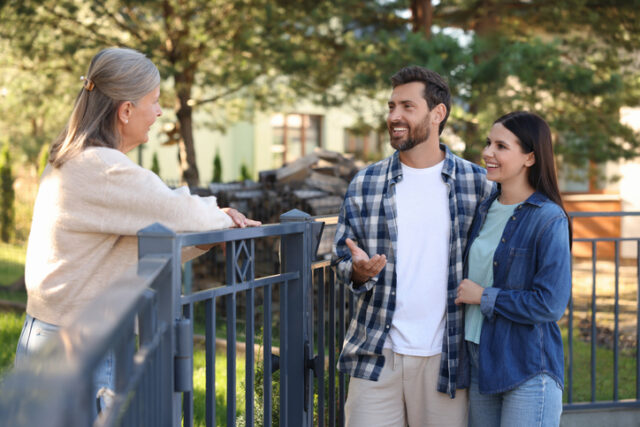
Living in close proximity to the same people means you develop relationships with neighbours, even if you’re not naturally sociable. You end up having brief conversations when you’re both outside, taking in parcels for each other, and generally being aware of what’s happening in nearby houses.
This can be comforting or claustrophobic depending on your personality, but it’s an unavoidable part of terraced living. The enforced proximity creates a sense of community that detached house owners rarely experience, and whether that’s positive or negative depends entirely on who your neighbours turn out to be.