There’s a special kind of disappointment that comes from realising your house looks solid on the surface, but underneath it’s been slapped together with shortcuts and wishful thinking. Everything seems fine at first, then the cracks start showing, sometimes literally, and suddenly, you’re on first-name terms with a plumber, an electrician, and whoever answers the phone at your insurance company.
Cheap builds rarely scream their secrets straight away. They reveal themselves slowly, through draughts you can’t quite block, things that break far sooner than they should, and repairs that keep snowballing into bigger jobs. If you’ve ever had that sinking feeling that your home is quietly plotting to rinse your savings account, these signs will feel uncomfortably familiar.
1. Doors and windows never quite sit right.
Doors that scrape the floor, don’t latch properly, or need a hard shove to close are often a sign of rushed framing. In cheaply built homes, timber hasn’t always been given enough time to settle before installation, which means movement shows up quickly. What feels like a minor annoyance early on tends to get worse as the structure continues to shift. Eventually, poorly aligned doors and windows affect more than convenience. Gaps allow draughts, reduce insulation efficiency, and put stress on hinges and locks. Fixing alignment issues later usually involves carpentry work rather than a simple adjustment, which adds up fast.
@homesnag Another Taylor Wimpey house rife with mould – this site gets 1/5⭐️ rating as the quality continues to be poor #snagging #homesnag #newbuild #taylorwimpey #taylorwimpeyhome #newbuildnightmare ♬ original sound – homesnag
2. The walls are so thin that you hear everything.
If you can clearly hear conversations, footsteps, or plug sockets clicking in the next room, sound insulation was likely kept to a minimum. Proper acoustic insulation costs money and time, so it’s often one of the first things reduced in budget builds. This becomes especially draining in terraced or semi-detached homes. Noise pollution affects sleep, concentration, and stress levels, and improving soundproofing later often means opening walls or ceilings. It’s one of those shortcuts that keeps charging you long after the builders have gone.
3. Cracks start appearing much earlier than expected.
All homes move a little, but visible cracking within the first few years often signals rushed plastering or inadequate preparation. Cheap materials dry faster and shrink more, especially when applied too quickly. While some cracks are cosmetic, repeated or widening cracks can point to deeper issues like uneven load distribution or poor foundations. Repairs rarely stay cosmetic for long, and ongoing patching becomes a regular expense rather than a one-off fix.
4. Floors feel hollow, bouncy, or uneven.
Floors should feel solid underfoot. If they creak loudly, flex when you walk, or feel uneven, the subfloor or joists were likely installed quickly and cheaply. This is common where speed mattered more than accuracy. Beyond the noise, uneven floors cause long-term problems. Furniture wears unevenly, tiles crack, and doors fall out of alignment. Fixing floor issues later often means lifting everything above them, turning a hidden shortcut into a major renovation.
@homesnag Fasten your seatbelts we’re snagging a Persimmon new build 👷♂️🏚️ check out what we found #homesnag #snagging #newbuildhomes #onthetools #newbuildjourney #newbuilds #shocking #newbuildsnagging #persimmon #persimmonhomes ♬ Fighters – OctaSounds
5. The house’s fixtures loosen, leak, or break too easily.
Cheap taps, door handles, switches, and fittings often look fine at first. The problem is how quickly they wear out. Wobbly handles, dripping taps, and cracked switches usually appear far sooner than they should. Replacing individual fixtures doesn’t seem expensive until you realise how many there are. Labour costs add up, and you end up paying twice for items that should have lasted decades.
6. The house’s insulation technically exists, but barely works.
Some homes meet insulation standards on paper but only just. Thin insulation, gaps in coverage, or poorly fitted materials leave rooms cold in winter and stuffy in summer. Heating bills climb steadily, and comfort never quite improves no matter how high the thermostat goes. Retrofitting insulation is far more expensive than installing it properly from the start, making this one of the most costly shortcuts over time.
7. Condensation and damp are present pretty early on.
Regular condensation on windows, damp patches on walls, or a persistent musty smell often points to poor ventilation. In budget builds, airflow planning is often minimal, especially in bathrooms and kitchens. Unfortunately, damp doesn’t stay harmless. It damages plaster, paint, and timber, and creates ideal conditions for mould. Fixing ventilation later can involve cutting through walls or ceilings, which quickly becomes disruptive and expensive.
8. The skirting boards and trim never quite look finished.
Gaps, uneven joints, and rough paintwork around skirting boards and door frames usually indicate rushed finishing. These details are often done last, when budgets and patience are already stretched. While it seems cosmetic, poor finishing often hides deeper problems like uneven walls or floors. Attempting to tidy it up later frequently reveals bigger flaws underneath.
9. The plumbing makes noise or behaves unpredictably.
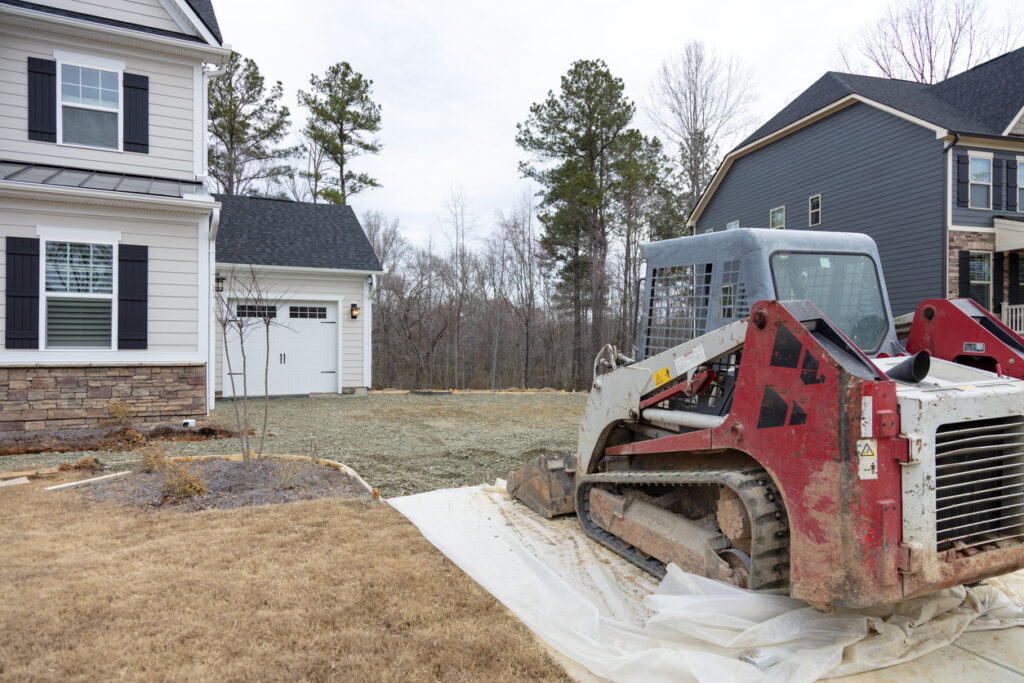
Banging pipes, inconsistent water pressure, or long delays for hot water often trace back to cheap plumbing layouts. Pipes may be poorly supported or routed in the quickest possible way. Plumbing issues rarely stay small. Fixing them usually means opening walls or floors, turning a background irritation into a major expense that could have been avoided with better planning.
10. The electrical socket layouts feel instantly outdated.
Too few sockets, awkwardly placed switches, or lights that flicker slightly often indicate minimal electrical planning. Builders cutting costs tend to install the bare minimum required. Modern living demands far more power than older standards accounted for. Upgrading electrics later involves chasing walls, rewiring circuits, and redecorating, which is far more disruptive and costly than doing it properly initially.
11. The external finishes aren’t built to cope with British weather.
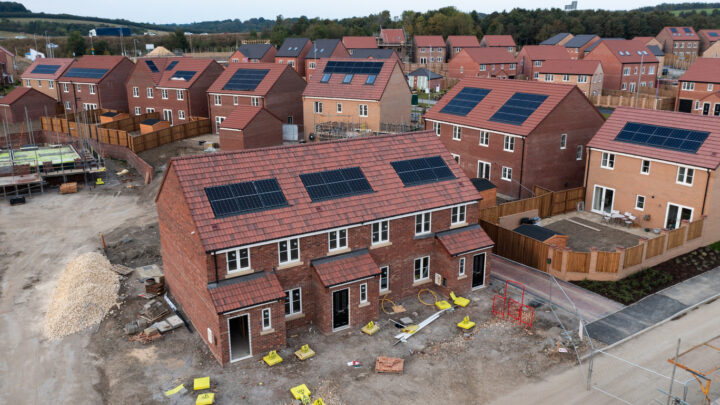
Peeling paint, cracked render, loose guttering, or cheap cladding that weathers quickly are strong signs of budget materials. The outside of a home takes constant punishment from wind and rain. Once external finishes fail, water finds its way in. That leads to damp, rot, and structural damage that spreads inward, turning surface wear into serious repair work.
12. There’s a steady stream of “small” problems that never stop.
Cheaply built homes rarely collapse in obvious ways. Instead, they wear you down through constant minor issues. Something always needs tightening, patching, or replacing. Each repair feels manageable on its own, but together they drain time, money, and patience. When problems keep appearing, it’s usually because corners were cut long before you moved in.
This isn’t about expecting perfection. It’s about understanding that short-term savings during construction often become long-term costs for the homeowner. Cheap builds don’t fail loudly, they fail gradually, and by the time the pattern is obvious, you’re the one paying for every shortcut that was taken.