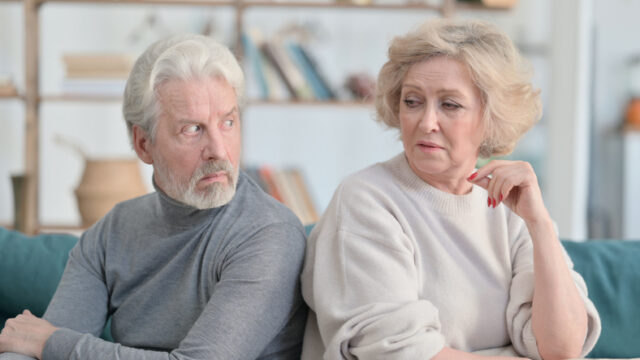
Age itself isn’t what changes attraction in long-term relationships. People don’t suddenly stop being appealing because they turn 50. What does change, often without much discussion, are habits that creep in after decades of shared routines, responsibilities, and unspoken expectations. They’re rarely intentional, and they’re almost never about appearance alone.
In many marriages, these habits grow out of exhaustion, comfort, or roles that hardened over the years. They can slowly change how partners relate to each other day to day, especially when emotional connection or mutual effort start taking a back seat. Noticing them can help you understand how attraction can fade through behaviour long before anyone realises what’s happening.
1. Letting everyday conversations become purely practical
As time goes on, many couples slip into a rhythm where every conversation is about logistics. Shopping lists, appointments, bills, or what needs fixing around the house start to dominate. There’s nothing wrong with practicality, but when it becomes the only way you talk, something important goes missing.
For many husbands, attraction is closely tied to feeling emotionally engaged, not just efficiently managed. When curiosity, humour, and personal sharing disappear, the relationship can start to feel more like a partnership on paper than a living connection between two people.
2. Speaking mainly in criticism rather than warmth
After decades together, it can feel normal to point out flaws without thinking twice. Tone gets sharper, patience gets shorter, and praise becomes rare because it feels unnecessary. After a while, this can subtly change how someone feels around you. Most people don’t stop being attracted because of ageing. They stop feeling drawn in because being around their partner starts to feel tense or draining. Warmth, appreciation, and kindness still matter deeply, even after many years together.
3. Losing interest in personal appearance entirely
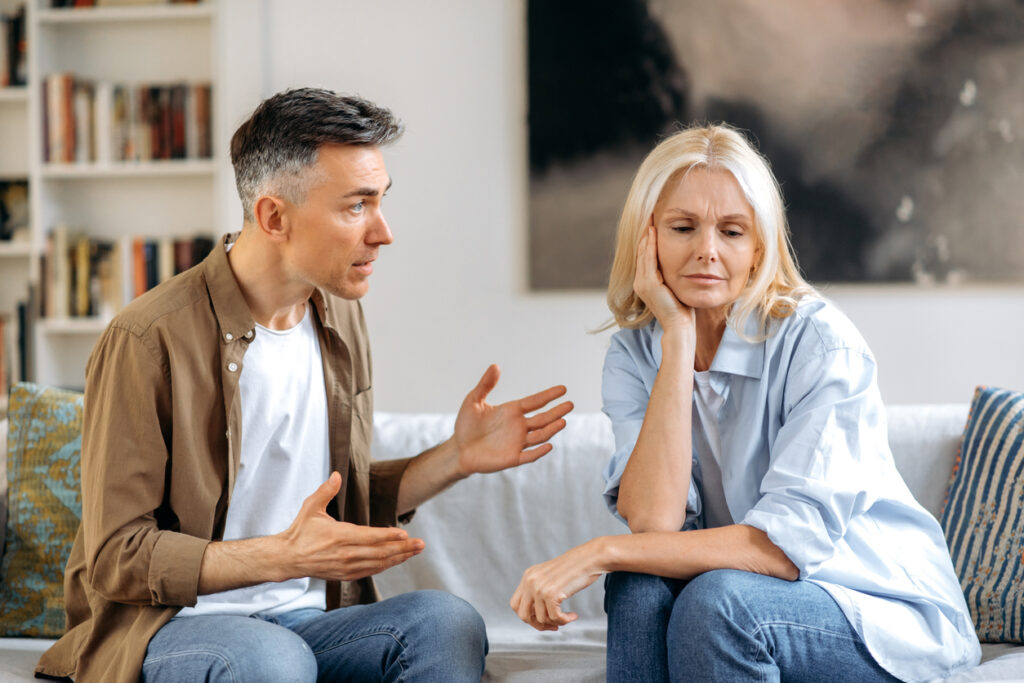
Ageing naturally changes bodies, and most long-term partners understand that. What can affect attraction is not ageing itself, but giving up altogether. Wearing clothes that feel careless, never grooming, or showing no interest in how you present yourself can send an unintended message. It’s not about looking young or perfect. It’s about showing self-respect and vitality. When someone stops caring how they show up in the world, it can subtly affect how desirable they feel to the person who sees them every day.
4. Treating intimacy as a chore rather than a connection
Physical closeness often changes after 50, but when intimacy becomes something to avoid, rush through, or joke away, it can create distance. Some women cope by withdrawing emotionally from physical affection altogether. Many husbands experience this not just as sexual rejection, but as a loss of closeness. Touch, affection, and intimacy are often how they feel bonded. When those disappear, attraction can quietly weaken alongside the emotional gap.
5. Replacing shared interests with separate worlds
Having individual interests is healthy, but when there’s nothing left you genuinely enjoy together, connection suffers. One partner might retreat into television, routines, or hobbies that don’t involve the other at all. Shared experiences help keep attraction alive because they create moments of laughter, teamwork, and novelty. Without them, the relationship can start to feel static, even if there’s no obvious conflict.
6. Speaking negatively about ageing and life constantly

Complaining about getting older, the body, health, or how life has gone can become a habit without being noticed. While honesty matters, constant negativity can drain the emotional energy from a relationship. Attraction is often linked to how someone feels after spending time with you. If conversations consistently leave a partner feeling heavy or discouraged, desire can slowly fade, even if love remains.
7. Becoming emotionally unavailable or closed off
After years of stress, loss, or disappointment, some people protect themselves by shutting down emotionally. They stop sharing worries, hopes, or feelings, believing they’re being strong or independent. For many husbands, emotional closeness is what keeps attraction alive in later years. When that closeness disappears, it can feel like living with a stranger, even though you share a home and history.
8. Prioritising everyone else over the relationship
Children, grandchildren, ageing parents, and extended family can easily take over life after 50. While these roles matter, constantly placing the marriage last can send a painful message. When a husband feels like an afterthought rather than a priority, attraction often suffers. Feeling chosen and valued remains important at every age, not just in the early years.
9. Using sarcasm or dismissiveness as everyday communication
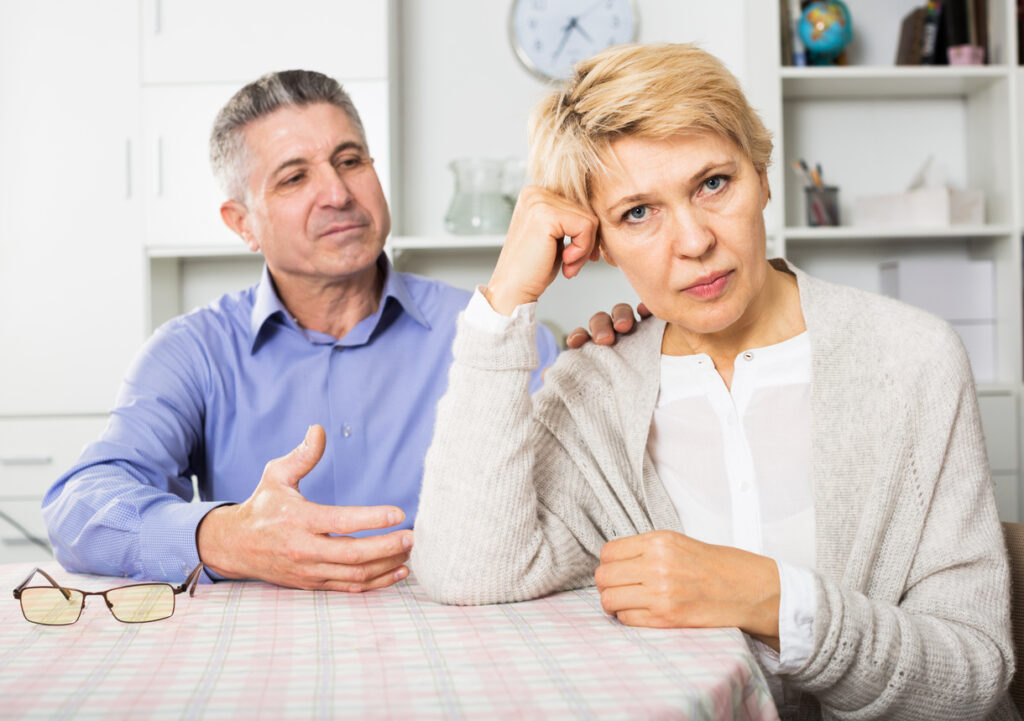
Long-term familiarity can turn into bluntness, eye-rolling, or sarcastic remarks that go unchecked. What feels harmless or honest to one person can feel belittling to the other. Attraction rarely survives feeling dismissed or talked down to. Respect is not something couples grow out of needing. Without it, desire has little room to exist.
10. Avoiding conflict instead of addressing it
Some couples stop arguing not because things are good, but because it feels pointless. Issues are buried, feelings are swallowed, and resentment quietly builds underneath polite behaviour. The emotional distance can affect attraction more than open disagreement. When nothing is talked through, connection stalls. Desire struggles to grow in an environment where nothing real is ever addressed.
11. Losing curiosity about your partner as a person
After decades together, it’s easy to assume you already know everything about each other. Questions stop, interest fades, and conversations become predictable. People continue to grow and change well into later life. When curiosity disappears, attraction often follows. Feeling seen and known in the present, not just remembered from the past, still matters deeply.
12. Letting health habits slide completely

Health changes are common as we get older, but giving up on movement, nutrition, or basic self-care altogether can affect energy, mood, and confidence. These changes often ripple into the relationship. Attraction isn’t just visual, though. It’s tied to vitality, engagement, and presence. When someone feels flat or disengaged from their own life, it can quietly change how appealing they feel to their partner.
13. Stopping effort because the relationship feels secure
One of the biggest changes after many years together is the belief that effort is no longer needed. Dates stop, surprises disappear, and appreciation becomes assumed rather than expressed. Security is important, but effort keeps attraction alive. Feeling desired, noticed, and chosen doesn’t stop mattering with age. When effort fades completely, attraction often fades with it, even in otherwise stable marriages.
Attraction after 50 is rarely about looks alone. It’s shaped by tone, presence, emotional availability, and how two people continue to treat each other once life settles into its later chapters. Small habits can quietly pull couples apart, but they can also be adjusted, often with less effort than people expect.