Seeing you flex on the weight bench in another gym photo rarely says what you think (or hope) it does.

It shows effort, sure, but it also blends into a blur at this point. Everyone’s lifting something, flexing something, tracking something. After a while, it stops telling you anything about who a person actually is once they put their phone down and go back to real life.
What tends to feel more interesting are hobbies that suggest there’s a person behind the profile. Things that hint at a life that’s fuller and that isn’t tied to performance. These are hobbies that say, “This is how I spend my time when nobody’s watching.” They don’t need to be impressive or productive. They just need to feel human.
1. Cooking without making a performance of it
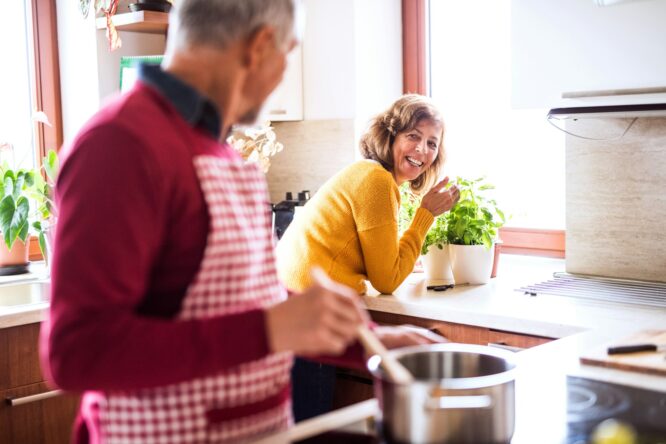
Cooking becomes attractive when it feels like a normal part of someone’s life, not a staged event. Someone who cooks because they enjoy eating decent food, or because they like feeding people, gives off a grounded kind of competence. It suggests they can look after themselves without turning it into a personality trait.
There’s also something reassuring about it being low-key. No dramatic plating, no humblebrag captions, no “chef era” announcement. Just someone who knows their way around a kitchen and doesn’t feel the need to prove it. That kind of ease often reads as confidence without ego, which tends to stick.
2. Reading for interest, not image

Reading hits differently when it’s clearly done for enjoyment rather than optics. It suggests someone who’s comfortable spending time with their own thoughts, following curiosity wherever it leads, without needing an audience for it.
It doesn’t matter what they’re reading. Fiction, non-fiction, essays, obscure topics, old paperbacks. What matters is that it’s genuine. There’s an attractive calmness in someone who doesn’t need constant stimulation or approval to feel engaged with the world.
3. Playing an instrument badly but happily
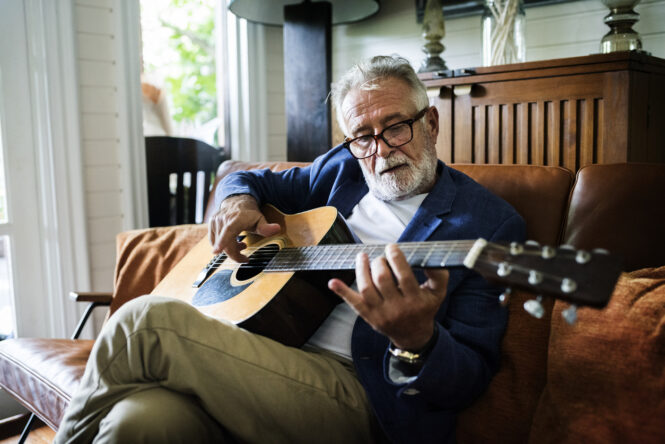
There’s something very disarming about someone who plays an instrument just because they like it, even if they’re not particularly good. Missed notes, uneven rhythm, half-finished songs. None of it matters if the enjoyment is real.
Having a hobby like this is a sign of comfort with being imperfect. It shows someone who isn’t obsessed with mastery or results, and who’s happy doing something purely for pleasure. That willingness to enjoy things without needing to excel often comes across as emotionally open and easy to be around.
4. Having an actual outdoor hobby

Outdoor hobbies tend to feel appealing because they suggest someone who engages with the world directly: think walking trails, cycling routes, fishing spots, long rambles with no real destination. These aren’t about spectacle or achievement. They’re about being present.
There’s also a sense of balance baked into it. Someone who regularly gets outside usually isn’t living entirely in their head or on a screen. It hints at a rhythm to their life that makes space for fresh air, movement, and a bit of perspective.
5. Being genuinely good at conversation
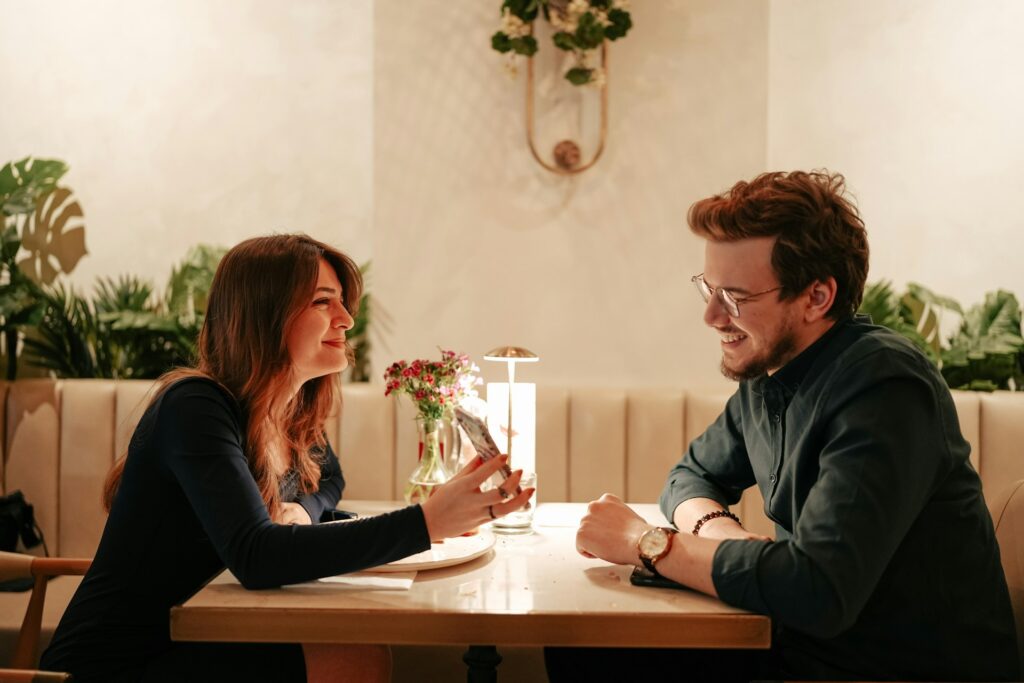
Good conversation doesn’t show up on a profile photo, but it becomes obvious within minutes of talking. Someone who listens properly, follows threads, and responds with interest rather than waiting to speak stands out fast.
You don’t need charm or rehearsed stories, but rather curiosity and attention. People who enjoy conversation tend to have broad interests and an ease with different viewpoints. As time goes on, that skill matters far more than surface-level attraction because it’s what keeps connection alive once first impressions fade.
6. Creative hobbies that aren’t about getting attention

Creativity reads differently when it’s not chasing validation. Maybe it’s writing that stays in notebooks, drawing that doesn’t end up online, or photography that exists because the person likes noticing things. That’s not to say it’s wrong to be recognised for your talent, but not everything needs to be publicised or monetised.
These hobbies suggest depth without broadcasting it. They point to someone who processes life internally rather than constantly externalising it. There’s an intimacy to that kind of creativity that feels more authentic than anything built for applause.
7. Volunteering or community involvement

Helping out regularly, without turning it into a talking point, says a lot. It suggests values in action rather than values on display. Whether it’s mentoring, local projects, or showing up for causes close to home, consistency matters more than scale.
This kind of involvement is often a sign of reliability and perspective. Someone who gives time to something beyond themselves usually understands interdependence, responsibility, and follow-through. Those traits tend to age well, especially compared to hobbies built purely around appearance.
8. Cooking, baking, or food curiosity as a shared experience

Food gets especially appealing when it turns into something social rather than a solo performance. Someone who likes trying new recipes, wandering around markets, or planning meals around who’s coming over gives off warmth without having to say a word about it.
There’s an ease to this kind of interest. It suggests enjoyment of everyday pleasures and an instinct to include other people rather than impress them. Sitting at a table, trying something new, talking rubbish while something simmers. That kind of hobby hints at connection, not optimisation, and that tends to draw people in naturally.
9. A learning hobby with no obvious payoff

There’s something deeply attractive about someone who learns things simply because they’re curious. Languages they may never speak fluently. A historical period nobody asked them about. A niche topic that makes their eyes light up for no practical reason.
Curiosity like that feels self-directed and special. It shows a mind that stays engaged without needing a reward at the end. People like this often bring unexpected depth to conversations, not because they’re trying to impress, but because they genuinely enjoy knowing things.
10. Caring properly for a pet

You can usually tell within minutes whether someone treats a pet as a prop or a responsibility. Real care shows up in routines, patience, and attention to detail. We’re talking feeding schedules, vet visits, and adjusting plans because an animal needs something.
That consistency says a lot. It points to reliability and emotional awareness without any grand declarations. Someone who looks after another living being day in, day out often brings the same steadiness into their relationships with people.
11. DIY or practical problem-solving

There’s a certain appeal to someone who sees a small problem and just deals with it. Fixing a shelf. Sorting a leaky tap. Figuring out how to make something work without turning it into a drama.
The attraction here comes from competence rather than showing off. It suggests someone who doesn’t freeze when things go wrong and doesn’t need applause for handling everyday challenges. That calm, capable energy tends to feel reassuring rather than fancy.
12. Having interests you don’t monetise or optimise

In a world where every hobby seems to become a side hustle, it’s refreshing to meet someone who keeps certain things just for themselves. No branding. No audience. No plan to turn enjoyment into output.
These interests suggest a healthier relationship with time and self-worth. They show someone who knows when to stop measuring and start enjoying. That mindset often spills into other areas of life, making people feel easier to be around.
13. Cultural curiosity without snobbery

Enjoying films, exhibitions, music, or books becomes attractive when it comes from genuine interest rather than status-seeking. Someone who can enjoy highbrow and lowbrow without ranking themselves above anyone else feels approachable and grounded. The appeal lies in openness, willingness to try things, and enthusiasm without posturing. People like this make space for shared experiences rather than turning taste into a test.
14. A hobby that brings visible calm

Some hobbies clearly help people settle, such as gardening, long walks, restoring old furniture, painting, even slow, repetitive crafts. You can often feel the difference in how someone carries themselves when they have something like this in their life.
That steadiness tends to spread. Being around someone who knows how to regulate their stress makes conversations easier and time feel less rushed. It suggests emotional balance without needing to talk about it, which is often far more compelling than constant intensity.