Parenting in public is exhausting, unpredictable, and often thankless.
Most people understand that children are still learning how to exist in the world, but there’s a line between patience and responsibility, and it gets crossed more often than parents realise. These are behaviours where the responsibility sits with parents, not with strangers who didn’t sign up to manage the fallout.
1. Letting kids scream continuously in enclosed public spaces

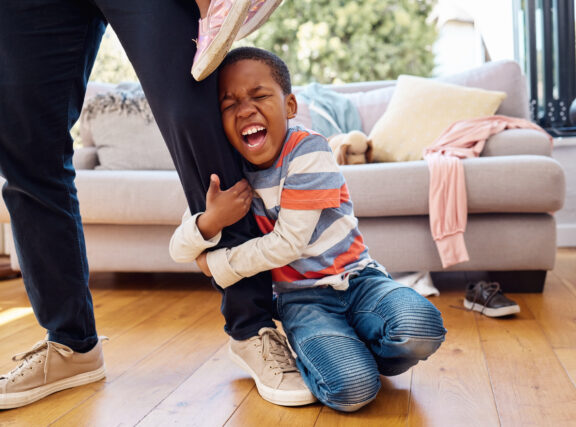
Children cry, melt down, and get overwhelmed, and most people can tolerate a short burst of noise without judgement. What pushes things too far is when screaming carries on for a long time in enclosed places like cafés, trains, shops, or waiting rooms, while the adult treats it as something everyone else should simply endure. In spaces people can’t easily leave, that noise becomes inescapable rather than momentary.
Making an effort to step outside, soothe the child, or even acknowledge what’s happening changes how other people experience it. People don’t expect miracles or silence, but they do expect parents to recognise when behaviour is affecting everyone else in the room.
2. Allowing kids to run freely in places meant for sitting or queuing
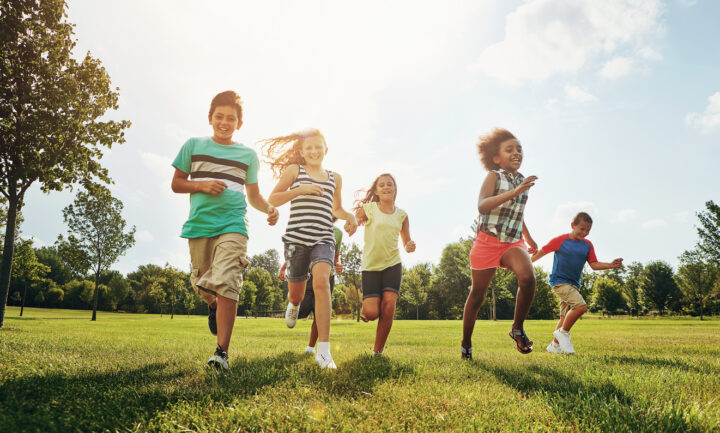
Kids need movement, and it’s healthy for them to burn energy, but not every environment is built for that. Restaurants, packed pavements, queues, and public transport are designed for controlled movement, not sprinting, weaving, or darting between legs. When kids run loose in these spaces, it creates genuine safety risks for everyone else.
Teaching children when they need to stay close helps them understand situational awareness early. It also prevents strangers from being forced into the uncomfortable role of dodging, correcting, or accidentally colliding with someone else’s child.
3. Ignoring kids who invade strangers’ personal space
Curiosity often leads children to stare, lean, touch bags, grab clothing, or talk at people sitting nearby. While parents might see this as friendly or harmless, the person on the receiving end may feel uncomfortable, anxious, or simply tired and uninterested in interaction.
A gentle reminder about personal space helps children learn boundaries that will serve them later in life. It also shows respect for the fact that not everyone wants social engagement, especially when they’re just trying to exist quietly in public.
4. Letting kids use devices loudly without headphones
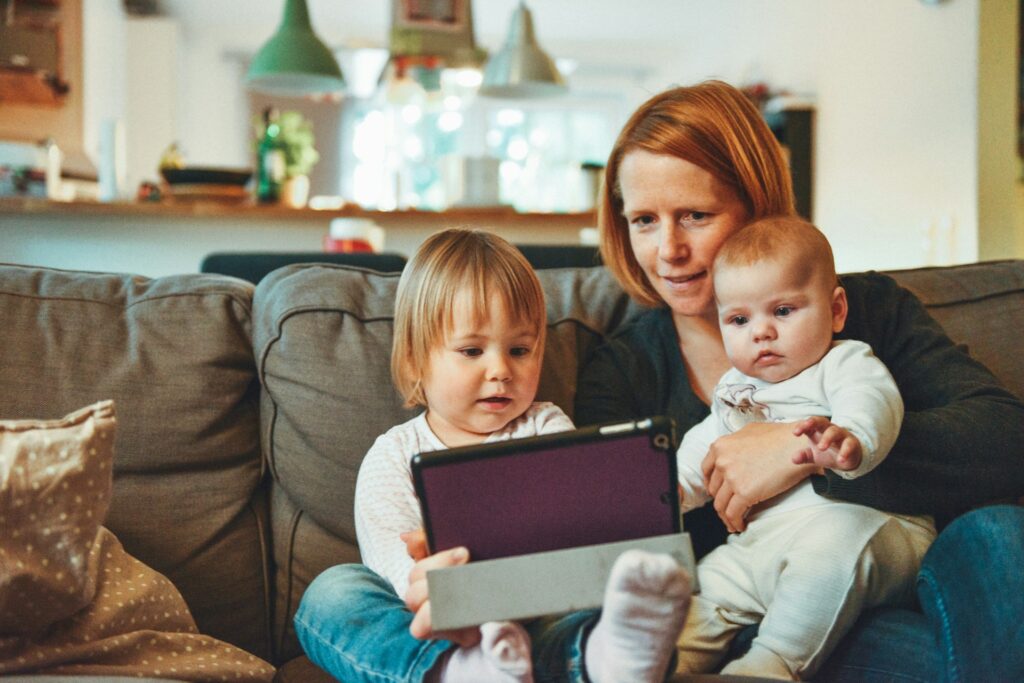
Phones and tablets are often used as survival tools for parents in public, and that’s understandable. The issue starts when games, videos, and songs are played at full volume in shared spaces, filling the area with repetitive noise that everyone else has to listen to.
Providing headphones or lowering the volume teaches children that shared environments require compromise. It also reinforces the idea that entertainment choices affect other people, not just the person holding the screen.
5. Treating public spaces like an extension of the living room
There’s a difference between being relaxed and being careless. Shoes on seats, food smeared on tables, toys spread across walkways, or rubbish left behind turns shared spaces into someone else’s cleaning problem. Staff and other members of the public shouldn’t have to deal with the aftermath.
Helping kids tidy up, even imperfectly, builds awareness and respect for communal environments. It sends the message that public spaces belong to everyone, not just the people using them in that moment.
6. Brushing off rude or aggressive language as harmless
Children test language as they grow, but shouting insults, swearing, or speaking aggressively to people shouldn’t be ignored or laughed off. When parents dismiss it as funny or insignificant, kids learn that words don’t carry real consequences.
Addressing the behaviour calmly teaches children that language matters. It also reassures those around you that the behaviour isn’t being encouraged or accepted.
7. Letting kids interfere with people who are working
Children chatting to baristas, blocking shop workers, grabbing items from counters, or distracting servers might look cute to a parent, but it disrupts people who are trying to do their jobs. Staff are often put in awkward positions where they feel they can’t say anything.
Teaching kids to wait patiently and respect working adults sets a clear boundary. It also prevents strangers from having to manage behaviour that isn’t their responsibility.
8. Minimising genuinely dangerous behaviour
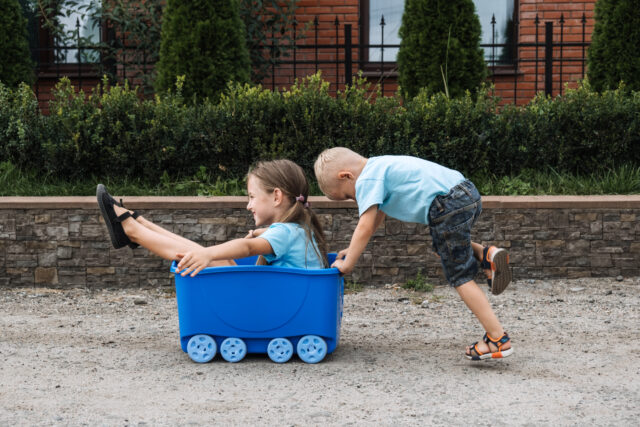
Climbing on furniture, throwing objects, leaning over railings, or running near traffic isn’t just annoying, it’s unsafe. When this behaviour is brushed off with “they’re just kids,” responsibility shifts unfairly onto other people to stay alert or intervene.
Stepping in early protects everyone involved, including the child. It reinforces that safety rules exist for a reason, not as optional guidelines.
9. Allowing kids to dominate shared resources
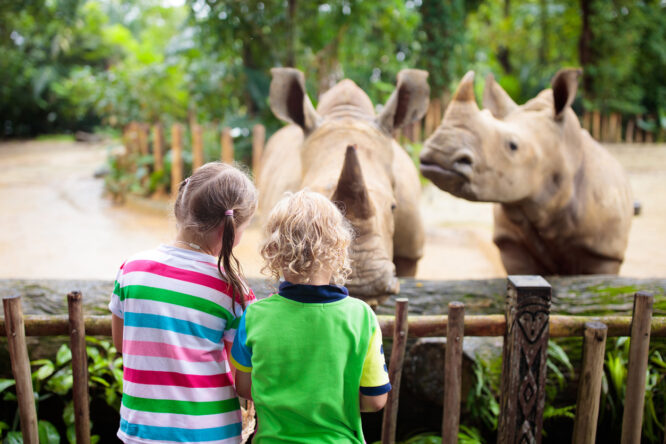
Play equipment, museum exhibits, lifts, toilets, and narrow aisles are meant to be shared. When one child monopolises access while other people wait, frustration builds quickly, even if no one says anything out loud.
Guiding children to take turns teaches fairness in real-world situations. It also avoids forcing strangers to step in or silently absorb irritation over something easily managed.
10. Expecting everyone else to absorb tantrums without adjustment
Tantrums are part of childhood, and most people recognise that. What feels unreasonable is when parents make no attempt to move, soothe, or adapt while other people bear the full impact of the noise and disruption. If your child is throwing a fit in a public space, it’s up to you to remove them from the area and take them somewhere quiet until they calm down.
Small adjustments make a difference, even if it doesn’t feel like it at first. They’re a clear sign of awareness and consideration, even if the situation can’t be resolved instantly.
11. Letting kids interact roughly with animals in public
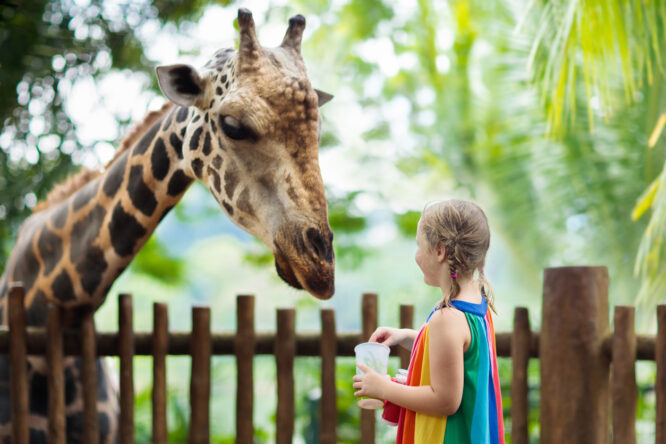
Pulling tails, chasing birds, grabbing dogs, or poking animals at farms and parks puts both animals and people at risk. When parents don’t intervene, responsibility falls on owners and bystanders to protect their animals.
Teaching gentle behaviour protects everyone involved. It also helps children understand that animals aren’t toys and deserve respect.
12. Assuming tolerance means approval or comfort
Most people won’t confront parents about behaviour affecting them. Silence is usually politeness, not acceptance, and many people are quietly uncomfortable rather than fine. They don’t really want to be rude or start an argument, but they also don’t want to put up with your kids’ misbehaviour.
Reading the room and adjusting before someone feels forced to speak up shows social awareness. It models empathy for children and keeps shared spaces more liveable for everyone.