
Being shorter as a man doesn’t automatically make you less confident, but it can make you more aware of how you’re read by other people.
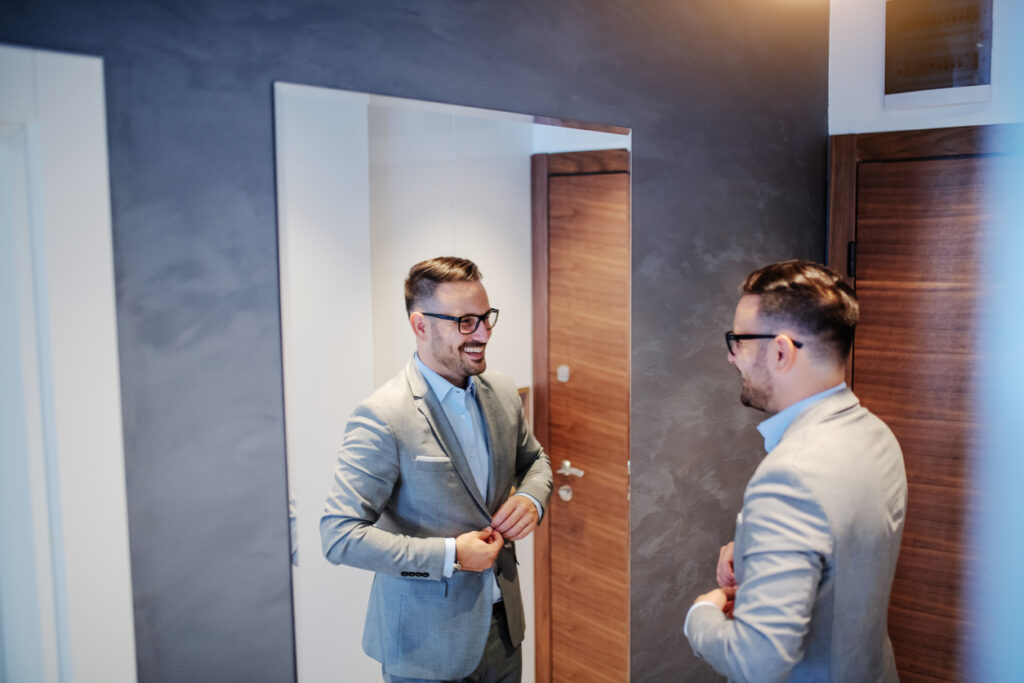
A lot of what gets labelled as “confidence” or “presence” has very little to do with height and far more to do with how someone carries themselves, communicates, and takes up space socially. The good news is that these things are learned behaviours, not physical traits. Here are a few ways shorter men can feel a bit more self-assured, without pretending to be someone they’re not or overcompensating in ways that backfire.
1. Owning your height instead of trying to disguise it

The fastest way to lose authority is to look uncomfortable in your own body. People pick up on that tension immediately, even if they can’t explain why. When someone is clearly at ease with themselves, height fades into the background surprisingly quickly. That means not making self-deprecating jokes about being short, not explaining it away, and not behaving as though it needs justifying. Confidence often shows up as neutrality. When you act like something isn’t an issue, most people follow your lead.
2. Standing with relaxed, upright posture rather than stiffness

Posture matters far more than height, but only when it looks natural. Overly rigid posture can read as anxious or performative, which undermines the effect you’re aiming for. A relaxed upright stance, shoulders settled, head level, and weight evenly balanced signals calm self-assurance. It tells people you’re comfortable taking up the space you already have, which is where presence really comes from.
3. Speaking slightly slower than feels natural

Rushing your words can make you sound unsure, even when you’re not. Slowing down your speech, just a little, gives your words more weight and makes people listen more closely. The aim isn’t sounding theatrical or forced. It’s about giving yourself time to finish thoughts without apologising for the space they take. Calm pacing often reads as confidence, regardless of physical stature.
4. Making eye contact without overdoing it

Strong eye contact signals engagement and self-belief, but too much can feel aggressive or compensatory. The sweet spot is steady, relaxed eye contact that comes and goes naturally. When you’re speaking, hold eye contact. When listening, don’t drop your gaze too quickly. It shows you’re present and grounded, not trying to prove anything.
5. Dressing for fit and proportion, not trends
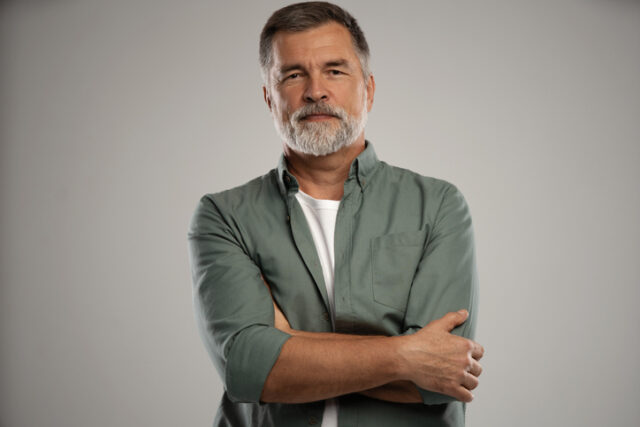
Clothes that fit properly do more for confidence than any attempt to look taller. Baggy clothing can overwhelm a shorter frame, while overly tight clothing can look uncomfortable. Clean lines, tailored fits, and proportions that suit your body help you look intentional. When you look put together, people assume competence and confidence without consciously analysing why.
6. Using calm, deliberate movements

Fidgeting, rushing gestures, or constant movement can signal nervous energy. Controlled, deliberate movements make you appear more settled and self-assured. That doesn’t mean being stiff. It means moving with purpose rather than urgency. People associate calm movement with authority because it suggests you don’t feel threatened or rushed.
7. Taking conversational space without dominating
Confidence isn’t about talking the most. It’s about being willing to speak when you have something to say and not shrinking back unnecessarily. Shorter men sometimes fall into the habit of over-yielding conversational space. Claiming your turn, finishing your point, and allowing silence afterwards shows comfort rather than insecurity.
8. Avoiding overcompensation through bravado

Trying too hard to project dominance often has the opposite effect. Loudness, aggression, or constant one-upmanship can read as insecurity very quickly. Relaxed confidence tends to translate better. Being composed, measured, and consistent builds trust and authority over time, which is far more powerful than immediate intimidation.
9. Leading with competence rather than presence

People respect those who clearly know what they’re doing. Competence creates its own gravity, regardless of physical traits. When you demonstrate skill, reliability, or insight, height becomes irrelevant. People follow those who make things clearer, easier, or more effective, not those who look imposing.
10. Using humour without turning yourself into the punchline
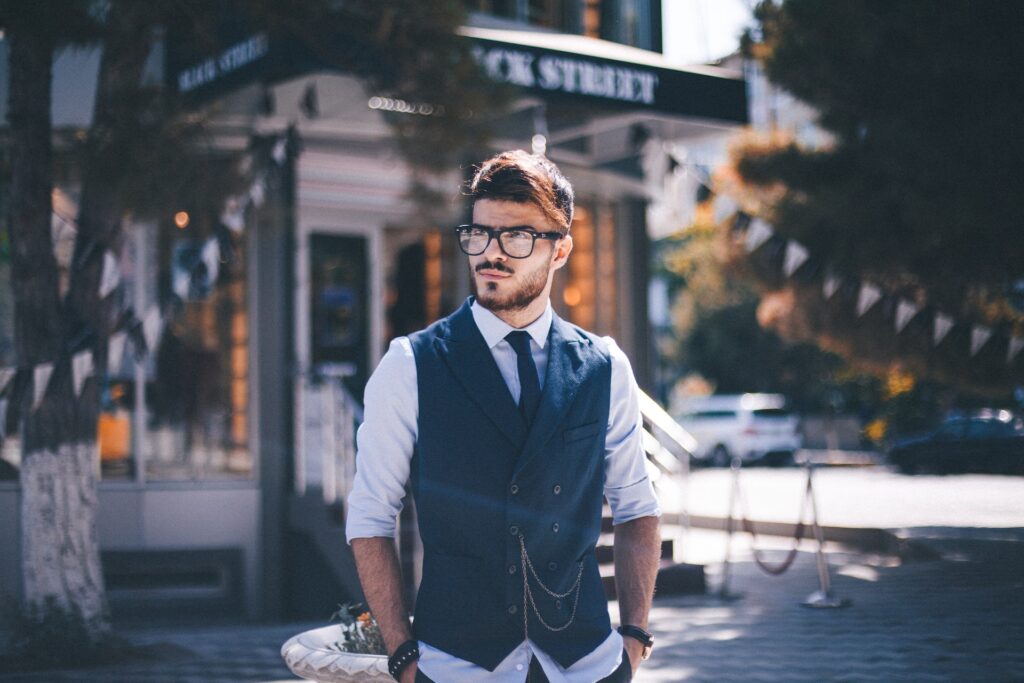
Humour can build confidence, but self-targeted jokes about your height can subtly lower how much other people take you seriously. It’s fine to be light-hearted, but you don’t need to undermine yourself to put everyone around you at ease. Let humour reflect ease, not insecurity.
11. Being decisive, even in small moments

Decisiveness signals self-trust. It doesn’t require being right all the time, just being willing to choose and adjust if needed. Whether it’s making plans, offering direction, or stating preferences, decisiveness reads as confidence because it shows comfort with responsibility.
12. Staying emotionally regulated under pressure

One of the strongest markers of confidence is emotional steadiness. People notice who stays calm when things get tense. Responding rather than reacting builds authority naturally. It tells everyone that you’re not easily thrown off balance, which is far more commanding than physical dominance.
13. Letting consistency do the heavy lifting

Confidence isn’t built in a single moment. It’s built through repeated, consistent behaviour that shows reliability and self-respect. When people see the same grounded energy from you over time, height stops being part of the equation altogether. What remains is how you show up, how you treat other people, and how you carry yourself day after day.
