Rising living costs in the UK are no longer just a London problem.
Based on feedback from 18,000 people with real, lived experience, a clear pattern has emerged around which cities now feel the most financially punishing to live in. This isn’t about luxury lifestyles or extreme spending. It’s about where ordinary people feel stretched just trying to cover rent, transport, food, and basic life. What stands out isn’t just the prices themselves, but how trapped people feel once they’re there.
1. London still exists in a financial category of its own.
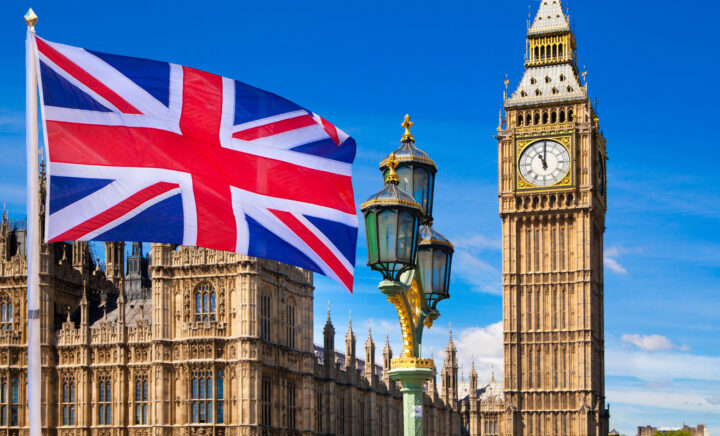
London remains the clear outlier, not because anyone is shocked by its cost, but because of how all-encompassing the expense feels. Rent dominates people’s finances to the point where even well-paid professionals describe living pay-to-pay. Finding somewhere affordable often means long commutes, shared housing well into adulthood, or constant moving.
Beyond housing, everything else subtly adds pressure. Transport costs stack up quickly, childcare is eye-watering, and even everyday socialising feels expensive. What came through strongly was not just frustration, but exhaustion. Many respondents said London no longer feels like a place you build stability, but somewhere you temporarily survive.
2. Oxford feels relentlessly expensive without London-level earnings.
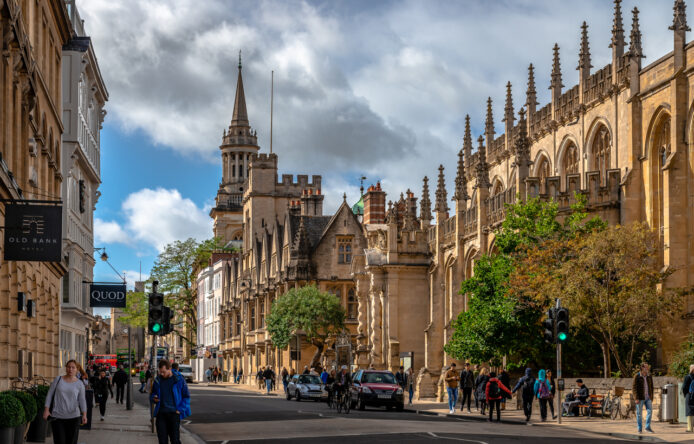
Oxford consistently ranks near the top due to a combination of limited housing, global demand, and a steady churn of students and academics. Rent prices often rival parts of London, despite the city being far smaller and less flexible.
What people highlighted most was the income mismatch. While the city is prestigious and attractive, wages outside academic or specialised roles don’t stretch far. Many respondents said Oxford feels like a place you love living in, but silently resent paying for.
3. Cambridge pairs high prices with severe housing pressure.
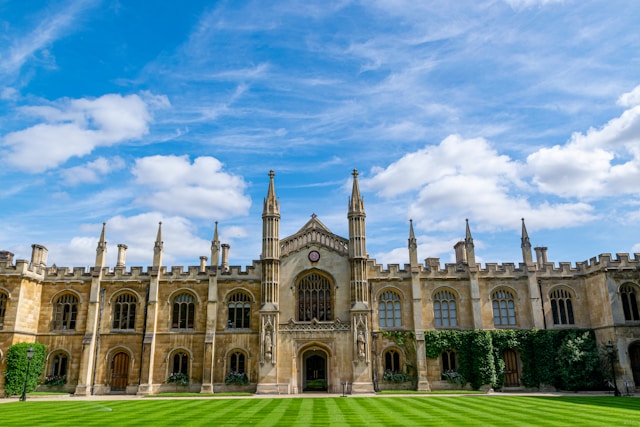
Cambridge’s reputation as a tech and research hub has driven housing demand far beyond supply. Property prices and rents have risen steadily, with little sign of slowing down.
People described intense competition for even modest homes, frequent bidding wars on rentals, and a sense that the city caters more to incoming talent than long-term residents. The cost isn’t just high. It feels constant and unavoidable.
4. Brighton’s costs extend far beyond rent.
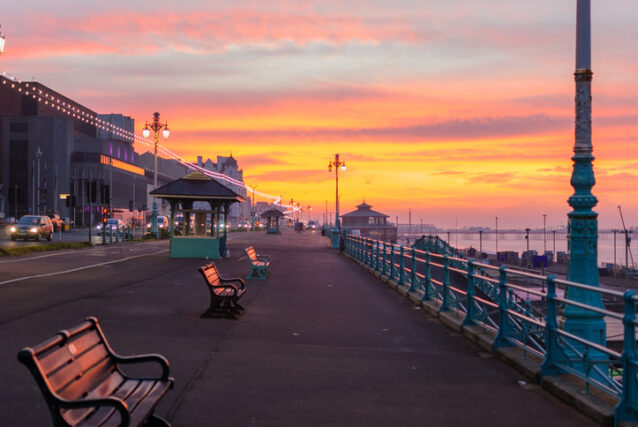
Brighton’s housing market has been under pressure for years, driven by popularity, limited expansion, and commuter demand. Rent alone places it firmly among the UK’s priciest cities.
What surprised many respondents was how expensive everyday life feels on top of housing. Food, services, and leisure costs stack up quickly, making Brighton feel financially tight unless you’re earning well above the local average or commuting elsewhere for work.
5. Bristol’s popularity has outpaced affordability.
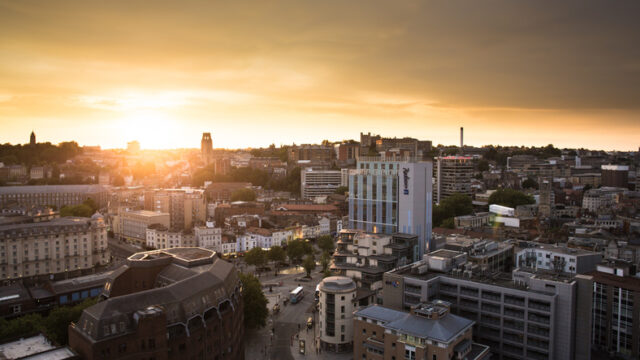
Bristol’s rapid growth has transformed the city, but many residents feel costs have risen faster than wages can keep up. Rent increases were frequently described as sudden rather than gradual.
Long-term residents spoke about being priced out of neighbourhoods they once considered affordable. Newcomers described a city that feels exciting, but financially unforgiving, especially for renters trying to plan more than a year ahead.
6. Edinburgh combines high demand with limited flexibility.

Edinburgh’s historic layout limits how much housing can be added, while tourism, students, and professional demand continue to push prices upward. Short-term lets were repeatedly mentioned as worsening the squeeze.
People described the city as beautiful but restrictive, with central living increasingly out of reach. Even those with stable jobs said rising rents make long-term planning feel uncertain.
7. Manchester’s affordability gap is shrinking fast.
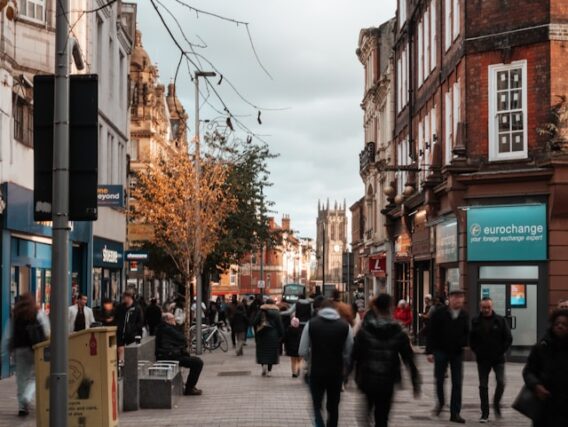
Manchester has long been seen as a more affordable alternative to London, but many respondents feel that reputation is slipping. Rent, in particular, has risen sharply in a short space of time.
While still cheaper overall, people noted that wages haven’t risen at the same pace. Areas close to the city centre were repeatedly flagged as feeling disproportionately expensive for what they offer.
8. Bath’s size amplifies every cost.

Bath’s small footprint, protected status, and popularity combine to create intense housing competition. Property prices and rents are consistently high across the city.
Respondents described a lack of affordable options at almost every level. Everyday living feels expensive, not just accommodation, making Bath difficult to sustain without a higher income or external support.
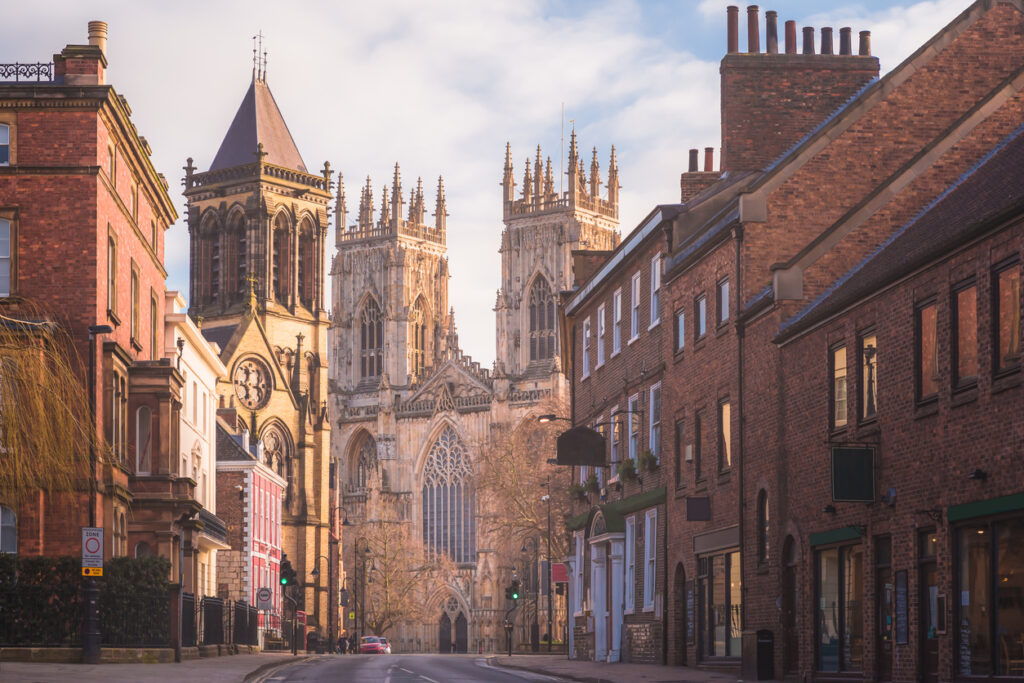
9. York’s costs punch above its weight.
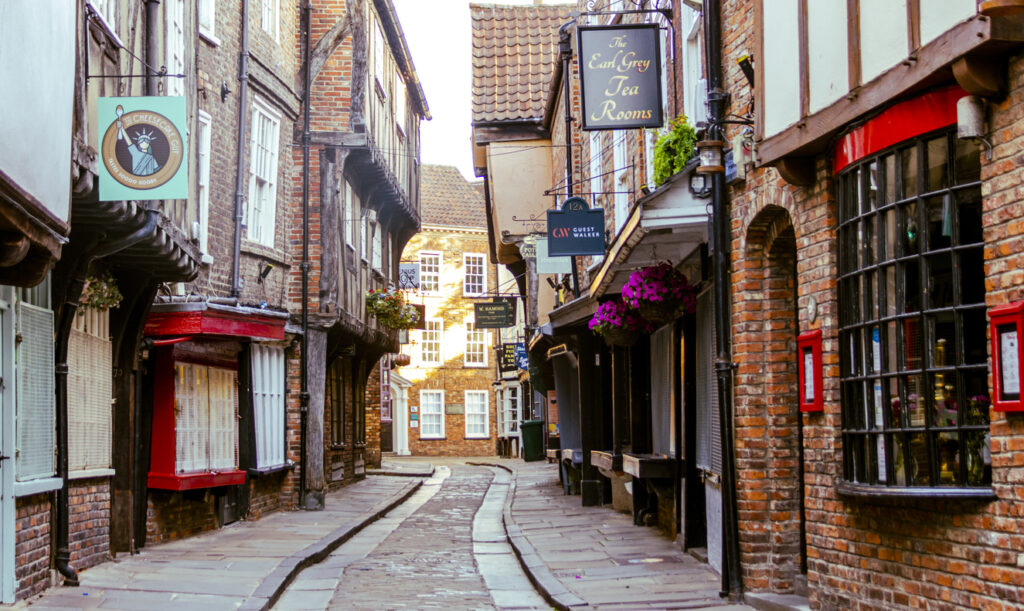
Despite being smaller than many cities on this list, York’s popularity has steadily pushed prices upward. Housing shortages were a recurring theme among respondents.
Many said the city feels increasingly inaccessible for younger people and families. The financial strain doesn’t come from luxury spending, but from basic housing and living costs creeping beyond reach.
10. Reading reflects commuter-driven pricing pressure.
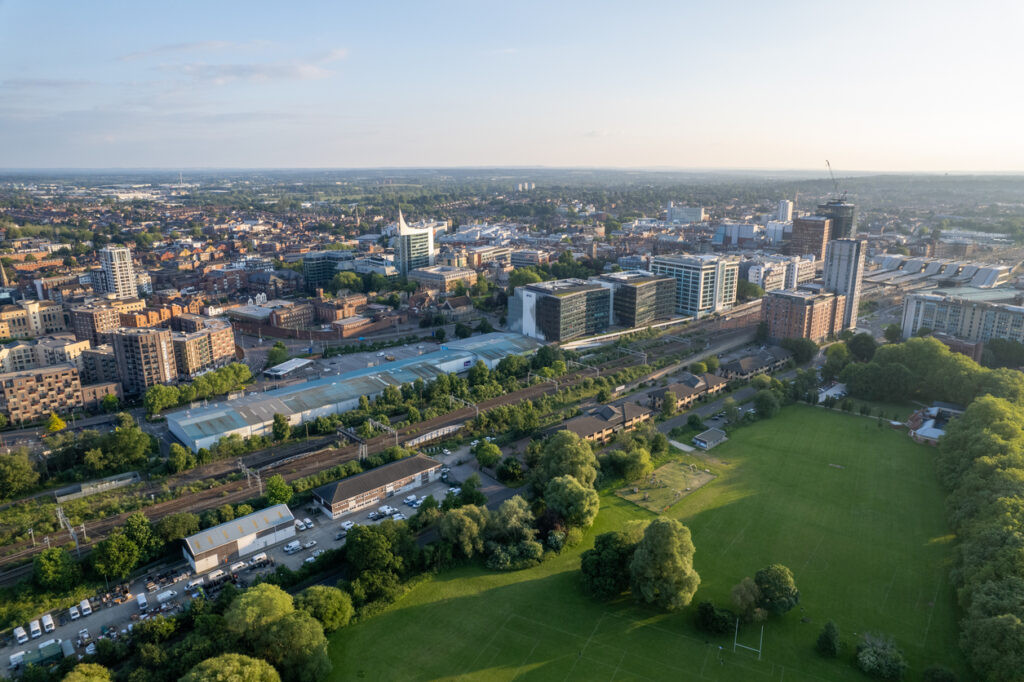
Reading’s proximity to London continues to drive property prices beyond what many local wages comfortably support. Demand from commuters keeps the market competitive and unforgiving.
Respondents described Reading as practical but expensive, with housing costs that often feel out of proportion to the lifestyle on offer. For many, the city feels like a compromise that still comes at a premium.
What emerged most clearly from the participants’ responses wasn’t just a ranking of expensive cities, but a shared sense of strain. Across the UK, people aren’t chasing luxury. They’re trying to achieve stability in places where costs keep rising faster than life can adjust. Affordability is no longer a background issue. It’s shaping where people live, who stays, and who eventually leaves.