If you grew up on a council estate, your world was defined by a lot more than just not having much cash in the bank.
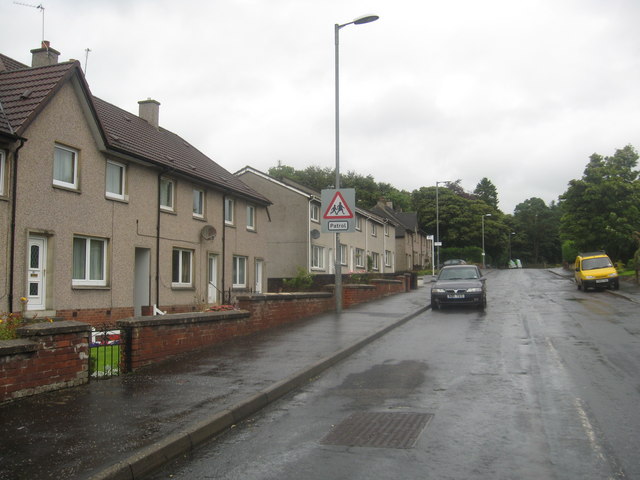
The sheer density of it all was intense, with dozens or even hundreds of lives stacked on top of each other, constantly bumping into one another in a way that people from the suburbs would find completely overwhelming. You didn’t just live in a flat or a block of terraced houses; you lived in a giant, breathing machine where everyone’s business was everyone else’s, whether you wanted it to be or not. It’s an environment that trains your brain from a very young age to be a master of observation, even when you aren’t trying to be.
You’re not looking at these places through the eyes of a filmmaker who wants to make everything look bleak and grey. For you, it was just home. However, that home came with a very specific set of unspoken rules and experiences that stick with you for life. Here’s a proper look at 15 things that shaped you if you grew up on an estate, and why those habits are still part of who you are today.
1. You knew everybody’s business without ever having a chat.

When you’re living in a block of flats or a dense row of terraces, people’s lives become the background noise to your own. You didn’t need to be a private eye to know exactly who was heading out for the early shift at 5:00 AM because you’d hear the heavy door slam or the van engine turn over every single morning. You knew which neighbour would be leaning out their window with a brew by 10:00 a.m. and who would be heading to the shops at the exact same time every afternoon.
It wasn’t being nosey or gossiping; it was just the rhythm of the place. You learned to notice when that rhythm changed. If a car wasn’t there when it should be, or a light stayed off, you noticed it. That skill stays with you. As an adult, you’re likely the first person in your office to notice when a mate is having a bit of a rough time or when the “vibe” in a meeting has changed, simply because your brain is still wired to track those tiny changes in the people around you.
2. The stairwells and landings were like the morning paper.
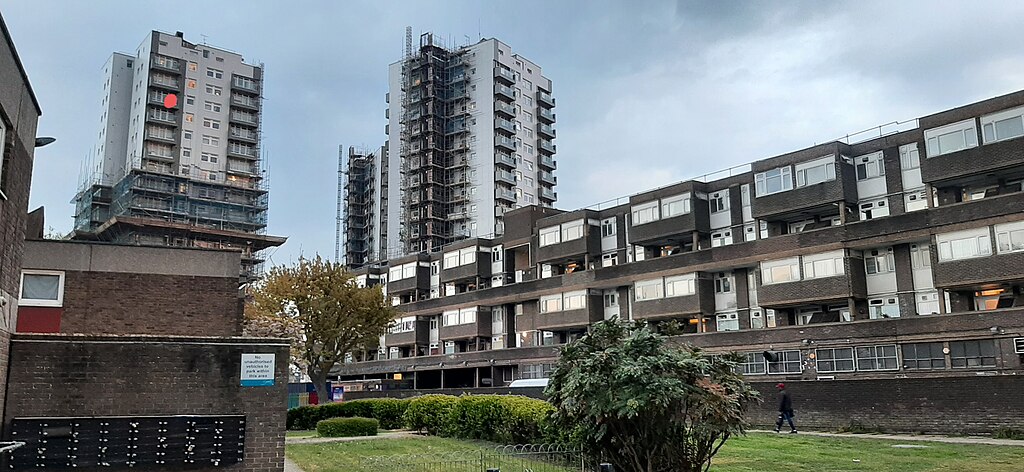
You could learn more about what happened the night before by walking down three flights of stairs than you ever could from a news report. You’d see a smashed bottle of cheap cider, a bit of new graffiti on the wall, or a bin that had been kicked halfway down the hall. You didn’t need anyone to explain it to you. You could piece it together yourself, and you became a pro at reading the environment. That means you grew up with a very sharp sense of situational awareness.
Today, you’re probably the person who walks into a pub and instantly knows if it’s the kind of place where you can relax or if you should finish your drink and move on. You’re reading the room based on the same kind of non-verbal clues you’ve been tracking since you were five years old.
3. You heard a lot of stuff that was meant to be private.

Privacy is a bit of a myth when you’ve got paper-thin walls and shared vents. You grew up being an accidental witness to the most raw parts of being a person. You heard the rows over money, the messy breakups, the celebrations, and the quiet moments of grief. It meant the “grown-up world” wasn’t some mysterious place you were shielded from; it was right there on the other side of your bedroom wall.
You learned how relationships work, how stress manifests, and how people handle disappointment long before your friends in the suburbs did. It makes you a lot more realistic about life. You aren’t shocked by the messy bits of human existence because you’ve been hearing them play out in surround sound your whole life.
4. You knew exactly which doors to walk past a bit faster.
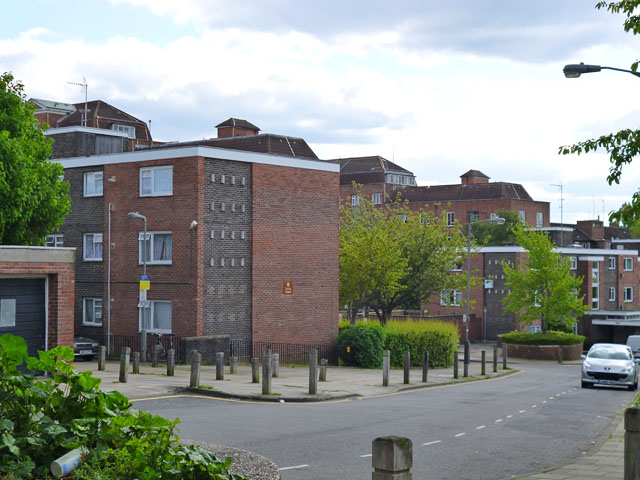
Every estate had those specific flats where the energy was just a bit odd. You didn’t need a warning from your parents to know that a certain door was best avoided. You just watched how everyone else moved. You’d notice the older kids giving it a wide berth, or the way your mum would tighten her grip on your hand when you walked past.
It wasn’t always crime or danger; sometimes it was just volatility or a house that always seemed to have drama spilling out of it. You learned how to navigate social risk without ever having a formal lesson, and that instinct is still there today. You can spot a person who’s going to be “hard work” or a situation that’s likely to end in a row from a mile off, and you’ve already figured out your exit strategy before anyone else has even noticed a problem.
5. The estate was one big, shifting playground.
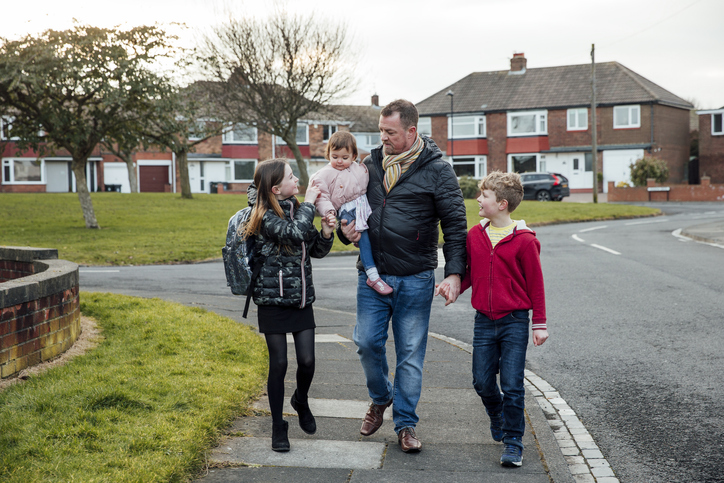
You didn’t grow up waiting for a lift to a neatly manicured park with a rubber floor. Your playground was the entire estate. You’d be playing football in the car park one minute, then hiding behind the garages the next, or using the stairwell for a game of tag if it was raining. These spaces changed their meaning depending on the time of day and who was currently occupying them.
You learned to be incredibly flexible and to make the most of whatever was in front of you. It taught you that you don’t need fancy equipment or a perfect environment to have a good time. You’ve got a “make do and mend” attitude that serves you well as an adult, especially when things aren’t going exactly to plan.
6. You were never just a face in the crowd.

Anonymity is something you only get in places where people don’t look out for each other. On an estate, someone always knew exactly who you were. It might be a neighbour three floors up or someone’s nan who sat by the window all day, but you were always being watched. “I’m telling your mum” wasn’t just a phrase; it was a legitimate threat because they knew exactly which door to knock on.
You learned about accountability and reputation very early on. You understood that your actions had a ripple effect, and that news travelled faster than you could run. It gave you a sense of being part of something bigger, a community where everyone had a role and everyone was noticed.
7. You could judge the seriousness of a siren by the pitch.

Sirens are just part of the atmosphere on a council estate. Because of the way the blocks are built, the sound bounces off the concrete and echoes in a way that makes every police car or ambulance feel like it’s right on top of you. You became an expert at figuring out what was happening just by listening.
You knew the difference between a routine ambulance visit for an elderly neighbour and the specific “emergency” tone that meant something big was kicking off. You didn’t even have to look out the window to know if it was worth your attention. It’s a bit of low-level alertness that stays with you. Even now, if a siren goes off nearby, you’re likely the person who’s already clocked it and judged the severity before anyone else has even stopped talking.
8. You learned to live with systems that didn’t work.
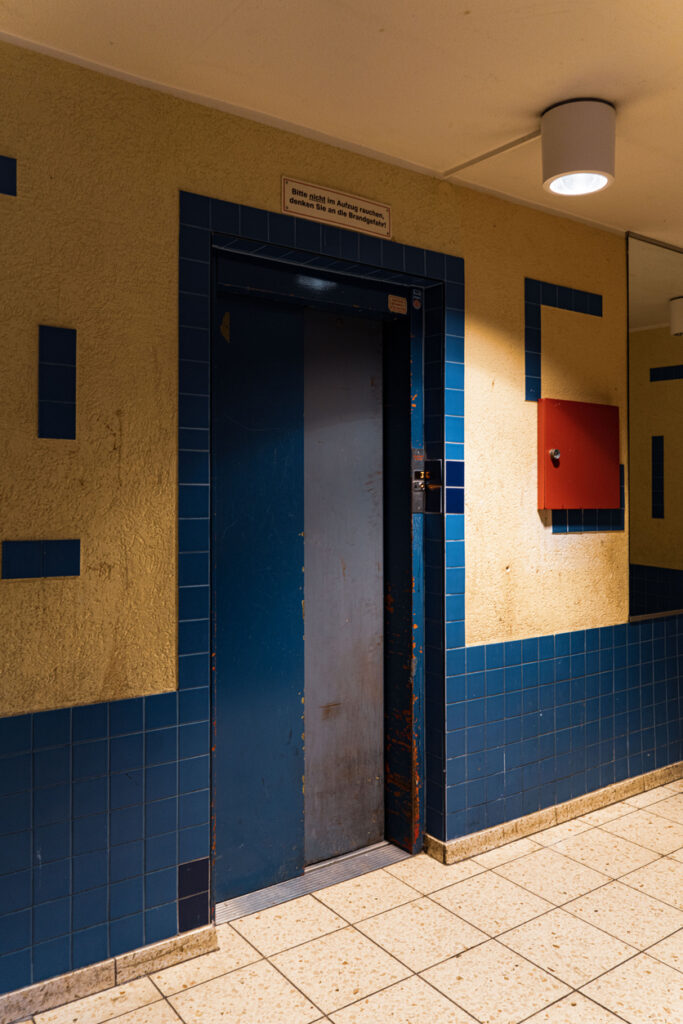
If the lift was broken, you took the stairs. If the main door wouldn’t lock, you kept your own door double-bolted. If the heating went off, you put another jumper on. You didn’t grow up expecting everything to be perfect or for the council to come running the second something broke. You learned to be self-reliant and to solve your own problems.
This has made you incredibly resilient. While other people are having a meltdown because their train is five minutes late or the office printer is jammed, you’re already figuring out a workaround. You don’t waste time complaining that the world isn’t working properly; you just get on with making it work for you.
9. Nothing serious ever stayed a secret for long.

Privacy was a bit of a luxury that you just didn’t have. If a police car pulled up outside a block, or an ambulance was there for three hours, the whole estate knew about it. You grew up understanding that everyone’s struggles were, to some extent, public knowledge. That meant you learned that everyone is dealing with something.
It makes you a bit more empathetic and a lot less judgmental. You know that the person shouting in the street or looking rough at the shops probably has a massive backstory that you don’t know the half of. You’ve seen how hard life can be when it’s played out in the open, and it’s given you a deeper understanding of human struggle.
10. You had a fierce loyalty to your own block or patch.
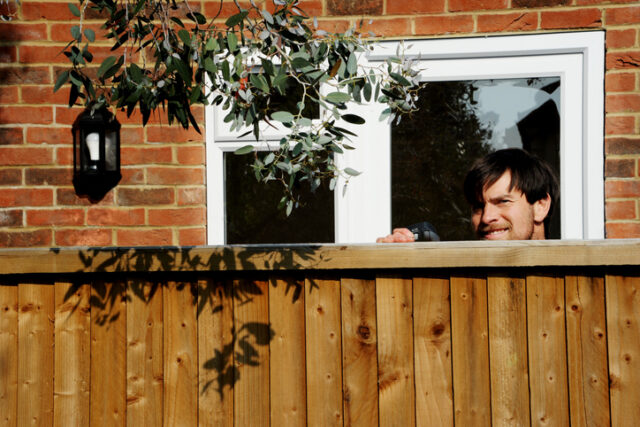
Even if the wider estate had a bit of a reputation, your specific block or your little corner of the street felt like home. You had a micro-loyalty to the people you saw every day. You might have bickered with your neighbours, but you’d defend them to the death if someone from outside the estate had a go. It was an “us against the world” mentality that was incredibly bonding.
You learned that belonging isn’t about being part of some massive, abstract country; it’s about the people who are in the trenches with you. That sense of loyalty is something you probably still carry today—you’re the person who’ll always have your mates’ backs, no matter what.
11. You realised your post code could be a weight.

You learned pretty quickly that telling someone where you lived could change their opinion of you in a heartbeat. Whether it was a teacher at school who expected less of you or a date who looked a bit nervous when you gave them your address, you saw the judgement first-hand.
It taught you how to navigate the world with a bit of a guard up. You learned how to read people’s prejudices and how to decide when to be proud of your roots and when to keep things a bit vague. It made you a bit of a social chameleon, able to adapt your language and your mannerisms to fit into different worlds, while never forgetting where you actually came from.
12. You watched adult struggles repeat themselves.

Growing up on an estate meant you saw the same patterns play out year after year. You watched neighbours struggle with the same money worries, the same relationship breakdowns, and the same frustrations with the system. It was a front-row seat to the reality of life. You saw how easy it was to get stuck in a rut and how much effort it took to break out of it.
It gave you a very grounded view of the world. You aren’t someone who believes in quick fixes or overnight success; you know that life is often a bit of a slog, and you’re prepared for that. It’s made you a lot more determined to build a bit of stability for yourself.
13. You’re still on a bit of high alert, even if life is quieter now.

Even if you’ve moved to a nice, quiet street with a garden, that “estate brain” doesn’t just switch off. You’re likely still the person who notices every car that parks on the street and every person who walks past the house. Your nervous system was trained in an environment where noise and movement always meant something, and it’s hard to tell it to just relax. You’re constantly scanning your surroundings for information.
While it can be a bit tiring, it also means you’re incredibly present. You aren’t someone who drifts through life in a bubble; you’re tuned into the world around you, and you’re always ready to react if something changes.
14. You’ll moan about the estate, but still defend it to the death.
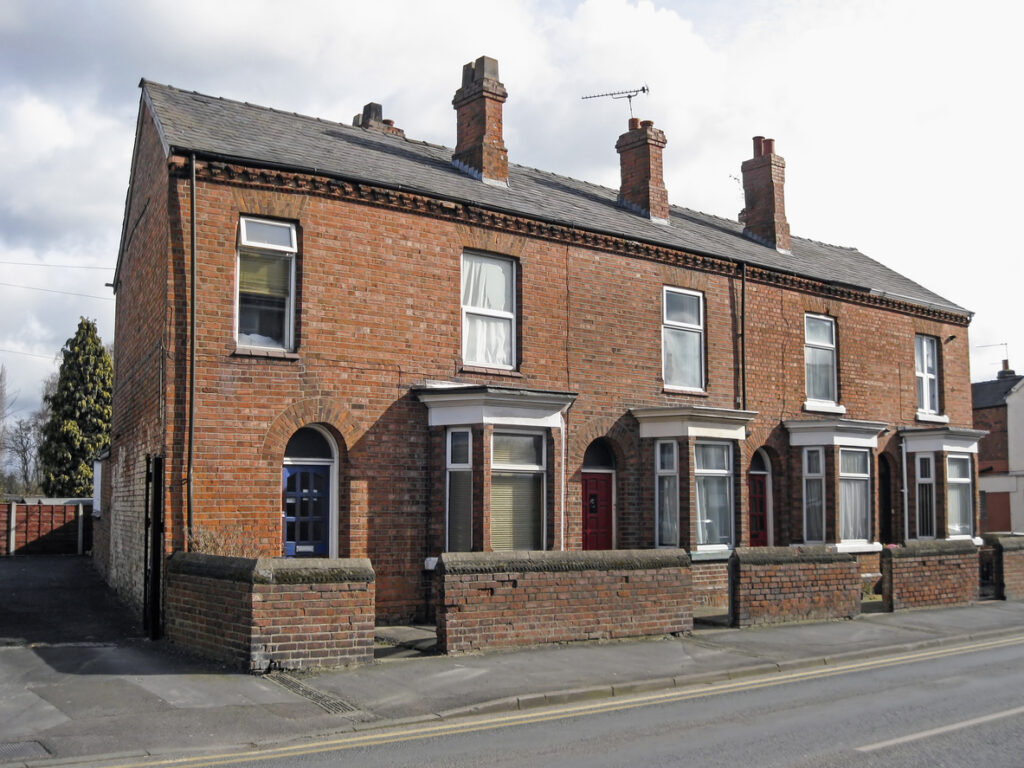
You can spend hours talking about what was rubbish about growing up there—the noise, the damp, the lack of space—but the second an outsider says a word against it, you’ll be the first to shut them down. It’s that classic sense of “only I can call my brother a berk.”
You know the place wasn’t perfect, but you also know the people there were some of the most genuine, funny, and resilient people you’ll ever meet. You wouldn’t trade that upbringing for anything because it made you who you are. It’s a complicated mix of resentment and fierce pride that anyone who didn’t grow up there will never quite understand.
15. You only realised how specific it was when you left.
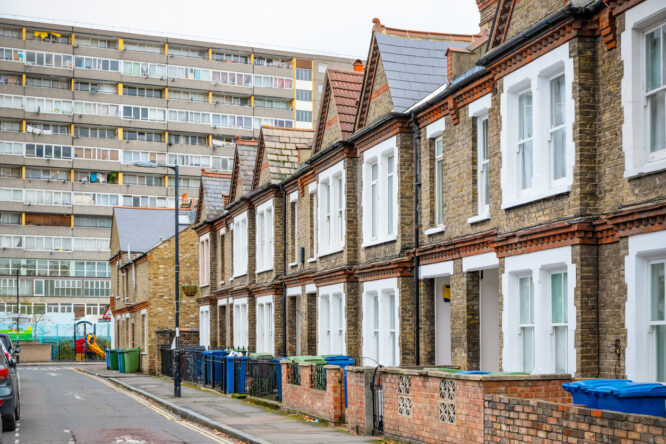
When you’re in it, estate life is just life. It’s your baseline. It’s only when you start moving in other circles, maybe through work or university, that you realise how different your experiences were. You start talking about hearing your neighbours’ arguments or playing football in a car park, and you see the look of confusion on people’s faces.
It’s then that you realise you’ve got a whole set of instincts and a way of reading people that they’ll never have. You’ve been seasoned by an environment that was tough, loud, and honest, and it’s given you a perspective on the world that is completely unique.