It’s a classic British pastime to moan about the weather, the trains, and the general state of the country while dreaming of a “better” life on some far-off shore.

You’ve likely spent a drizzly Tuesday afternoon scrolling through house prices in Spain, or imagining a move to Australia where the sun actually bothers to come out. We’re often told that life abroad is a total upgrade, with better pay, cheaper living, and a more relaxed vibe, but the reality is rarely that simple.
The truth is that once the novelty of the holiday feeling wears off, you start to notice the things you’ve left behind—the bits of home that you took for granted until they weren’t there anymore. From the comfort of the NHS and the ease of a familiar culture to the simple fact that everywhere else has its own set of messy problems, moving away isn’t the magic fix people promise. These 14 reasons show that while the grass might look a bit brighter from across the channel, the UK has a lot going for it that you only truly appreciate when you’re facing the reality of life somewhere else.
1. Healthcare costs can bankrupt you in countries without the NHS.

The NHS might have its problems, but free healthcare at the point of use is something most countries don’t have, and medical bills abroad can be genuinely catastrophic. In the US, a simple ambulance ride costs thousands, childbirth can cost tens of thousands even with insurance, and chronic conditions require constant payment that adds up fast.
Many countries have better healthcare systems than the NHS, but they’re not free, and insurance premiums, co-pays, and deductibles mean you’re paying constantly. Brits abroad often don’t appreciate what they had until they’re facing a medical bill that would’ve cost nothing at home, and medical debt is a leading cause of bankruptcy in countries like America.
2. Workers’ rights are shockingly worse in loads of countries.

The UK’s statutory 28 days holiday might seem standard, but it’s generous compared to loads of places, and countries like America have zero mandatory paid holiday at all. Maternity leave, sick pay, protection from unfair dismissal, and reasonable working hours are statutory here but optional elsewhere, meaning your rights depend entirely on your employer’s generosity.
At-will employment in America means you can be fired without reason or notice, which creates constant job insecurity Brits aren’t used to. The protections you take for granted here often don’t exist abroad, and realising you’re suddenly expendable without the legal safety net is a shock.
3. Being far from family becomes harder as you and they age.

Living abroad is brilliant when you’re young and healthy, but when parents get ill, kids are born, or you need support, the distance becomes genuinely painful. You miss weddings, funerals, births, and everyday moments that you can’t get back, and the guilt of not being there weighs heavily.
Flying back constantly is expensive and exhausting, and time differences make even phone calls difficult to coordinate. As your parents age, knowing you can’t help them or be there quickly in emergencies creates stress that undermines whatever benefits drew you abroad in the first place.
4. Cultural adjustment is exhausting even in similar countries.

Living somewhere permanently is completely different from visiting, and the small cultural differences that seemed charming become frustrating daily annoyances. Language barriers, different social norms, bureaucratic systems you don’t understand, and feeling like a permanent outsider wear you down over time.
Even in English-speaking countries, humour doesn’t translate, references don’t land, and you’re constantly slightly out of step with everyone around you. The mental effort of navigating a culture that isn’t yours is exhausting in ways you don’t anticipate, and many expats end up isolated because making genuine friends as an adult in a foreign country is really difficult.
5. Visa restrictions and immigration paperwork never end.
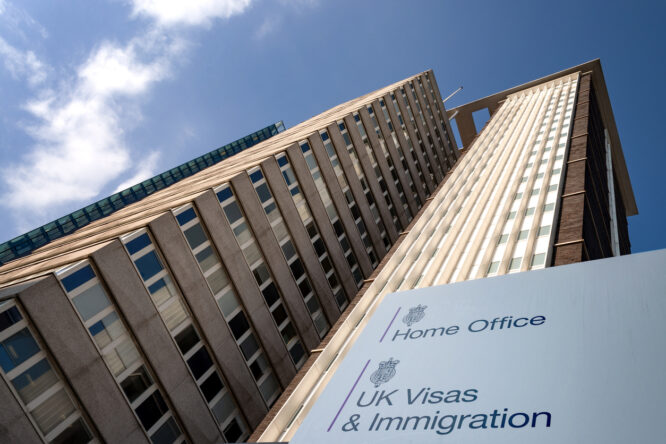
Unless you’ve got citizenship or permanent residency, you’re constantly dealing with visa renewals, work permits, and immigration bureaucracy that controls your entire life. Losing your job might mean you have to leave the country immediately, and rules can change suddenly, making your situation precarious.
The stress of not having secure status, not knowing if you’ll be allowed to stay, and jumping through endless administrative hoops affects everything from buying property to planning your future. Many Brits abroad live in constant low-level anxiety about their immigration status that people at home never have to think about.
6. Weather extremes are harder to live with than to visit.

That Mediterranean heat you loved on holiday becomes unbearable when you’re living and working in it daily without air conditioning everywhere. Similarly, proper winters in Canada or Scandinavia are romantic until you’re dealing with them for six months every year and seasonal depression kicks in.
British weather might be rubbish, but it’s rarely extreme enough to be dangerous or make daily life difficult, while hurricanes, tornados, extreme heat, and brutal winters abroad actually disrupt normal existence. You can’t just stay in your hotel when you live somewhere, you have to function through whatever weather the place throws at you.
7. Cost of living in desirable cities is astronomical.

The places Brits want to move to, like Sydney, New York, Paris, or Vancouver, are often more expensive than London while paying similar or lower salaries. Rent, food, transport, and basic living costs eat your entire income, and the quality of life you imagined doesn’t materialise when you’re struggling financially.
Cheaper countries often have lower salaries that offset the cost savings, or the cheap areas aren’t the nice touristy bits you fell in love with. The financial reality of living somewhere rarely matches the holiday fantasy, and many people end up working harder for less actual quality of life than they had in the UK.
8. Car dependency is a nightmare in most places outside Europe.

British cities are generally walkable and have decent public transport, but most of the world requires car ownership for basic existence. In America, Australia, and much of the developing world, you literally cannot function without a car because everything’s spread out, and public transport is minimal or nonexistent.
The cost of buying, insuring, maintaining, and fuelling a car plus the time spent driving everywhere significantly reduces quality of life. The walkable neighbourhoods that exist are usually prohibitively expensive, so most people end up in car-dependent suburbs that feel isolating and require constant driving for basic errands.
9. Social safety nets don’t exist like they do here.

Britain’s benefits system, council housing, and support services catch you if you fall, but loads of countries have nothing comparable. Losing your job in America means losing healthcare and having minimal unemployment support, while homelessness services barely exist in many places.
The UK’s safety net might be underfunded, but it exists, whereas elsewhere falling on hard times can mean genuine destitution with no help coming. This security matters more than people realise when they’re employed and healthy, but it’s the difference between temporary hardship and complete disaster when things go wrong.
10. University costs can saddle your kids with crushing debt.

British student loans are large, but the repayment system is reasonable and debt gets written off eventually, whereas American university costs can exceed $50,000 yearly with brutal repayment terms. If you have kids abroad, you’re either paying astronomical fees for decent universities or watching them take on debt that’ll follow them for decades.
Many countries don’t have the UK’s system where you only repay what you can afford based on income. International student fees are even worse, so your kids might not qualify for local rates despite growing up there.
11. Gun violence and safety concerns are real in some countries.

Britain’s violent crime rate is relatively low and guns are rare, but moving to America means accepting that gun violence including mass shootings is just background reality. Active shooter drills in schools, avoiding certain areas, and the constant awareness that anyone might be armed changes how you live daily.
Other countries have different safety concerns, whether that’s high crime rates, political instability, or terrorism risks that are more pressing than anything in the UK. The safety you took for granted here becomes something you actively worry about elsewhere.
12. Bureaucracy abroad makes British admin look simple.

You think dealing with HMRC or the council is bad, but try navigating foreign bureaucracy in a language you don’t fully understand with systems designed for locals. Opening bank accounts, registering to live somewhere, getting driving licences, and handling any official paperwork becomes a nightmare when you don’t understand how things work.
Many countries have worse, more corrupt, or more inefficient bureaucracy than Britain, and not speaking the language fluently puts you at a massive disadvantage. The systems you complain about here often function better than alternatives abroad.
13. You miss British culture more than you expected.

The humour, the social norms, the food, the shared cultural references, and just understanding how things work all matter more than you realise until they’re gone. Nobody abroad gets your jokes, you can’t find proper tea or decent crisps, and you’re constantly explaining yourself because your entire frame of reference is different from everyone around you.
Bank holidays, the way pubs work, queuing etiquette, and a million tiny things you never thought about become sources of homesickness. The cultural comfort of being somewhere you instinctively understand is valuable, and many expats spend years abroad still feeling like outsiders longing for home.