Whether you’re a die-hard fan of the window or you’re the first person to claim the aisle, your choice of plane seat isn’t as random as you might think.
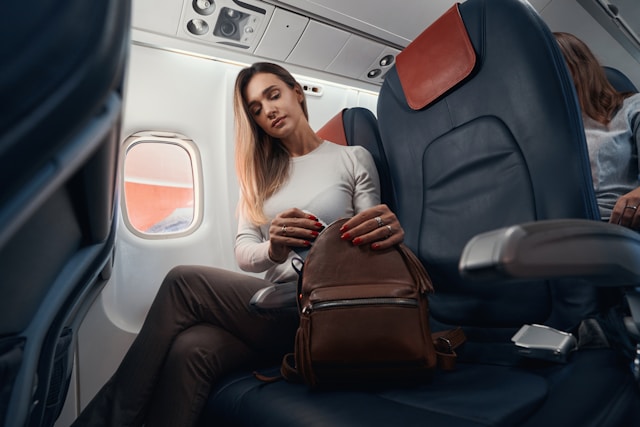
It’s one of those rare moments where we’re forced into a small, cramped space with total strangers, and how you decide to position yourself says a lot about how you handle the world. You might think you’re just picking for the legroom or the view, but your preference actually taps into some pretty deep-seated personality traits and how you value your own space versus other people’s needs.
There’s actually a fair bit of psychology that happens when we’re 30,000 feet in the air and stripped of our usual comforts. From your need for control to how much you actually value your privacy, your go-to seat choice is a dead giveaway for the kind of person you are when nobody’s watching. Here’s what your preferred spot in the cabin really reveals about your hidden personality.
Window seat lovers crave control and routine.
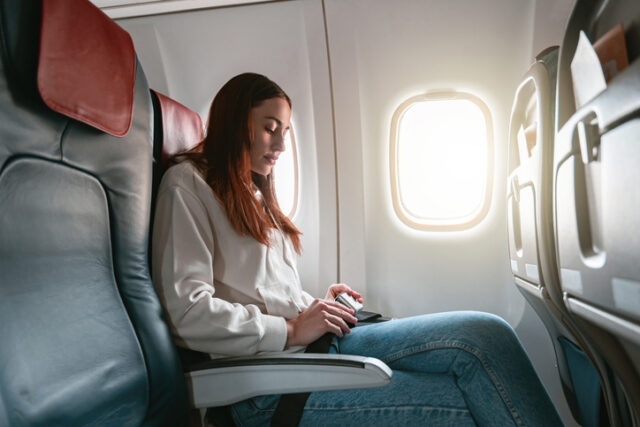
If you always book the window seat, you’re probably someone who likes having your own space and doesn’t want to depend on anyone else. You’d rather settle in once and not move until landing, which suggests you value efficiency and planning. Window seat people tend to be more introverted and enjoy having a defined boundary between themselves and other passengers. You’re also likely someone who appreciates having something to lean against for sleep and enjoys watching the world pass by below.
Aisle seat people are restless and independent.
Choosing the aisle means you prioritise freedom of movement over everything else. You don’t want to ask permission to get up, you don’t want to feel trapped, and you probably have a hard time sitting still for long periods. Aisle seat passengers tend to be more extroverted and confident, comfortable with a bit less personal space in exchange for easy access to the loo and overhead bins. You’re also probably quite practical and think ahead about what you’ll need during the flight.
Middle seat volunteers are accommodating to a fault.
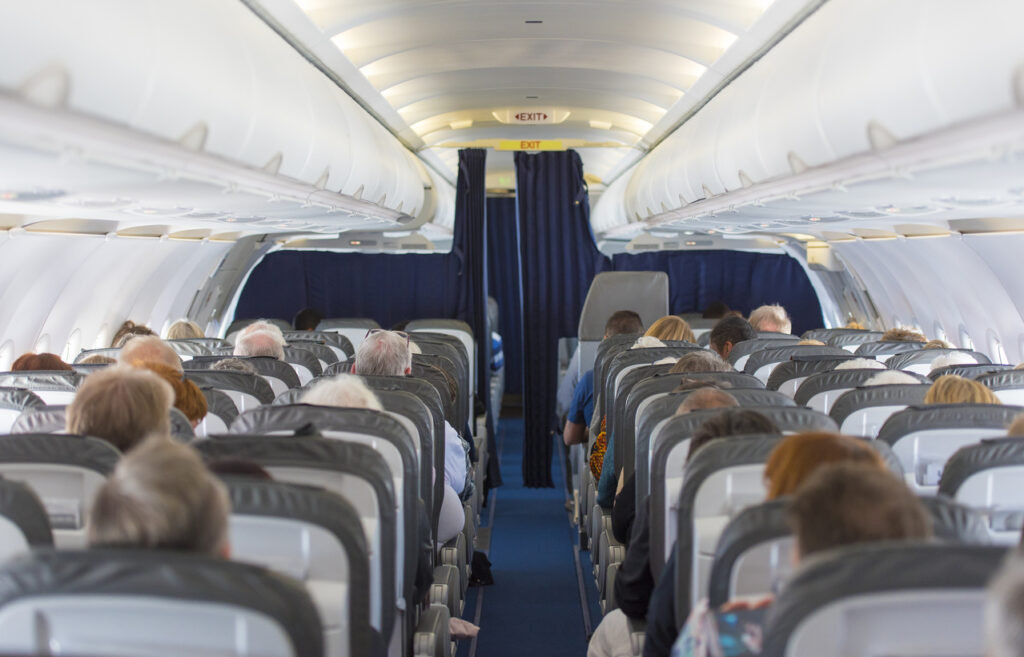
If you actually choose the middle seat when other options exist, you’re either incredibly easy-going or you have poor boundaries. Most people who end up in the middle got stuck there, but if you voluntarily take it to help other people sit together, you’re definitely a people pleaser who puts everyone else’s comfort ahead of your own. This can be lovely, but also means you might struggle with saying no in other areas of life.
Front-of-plane seekers are impatient achievers.
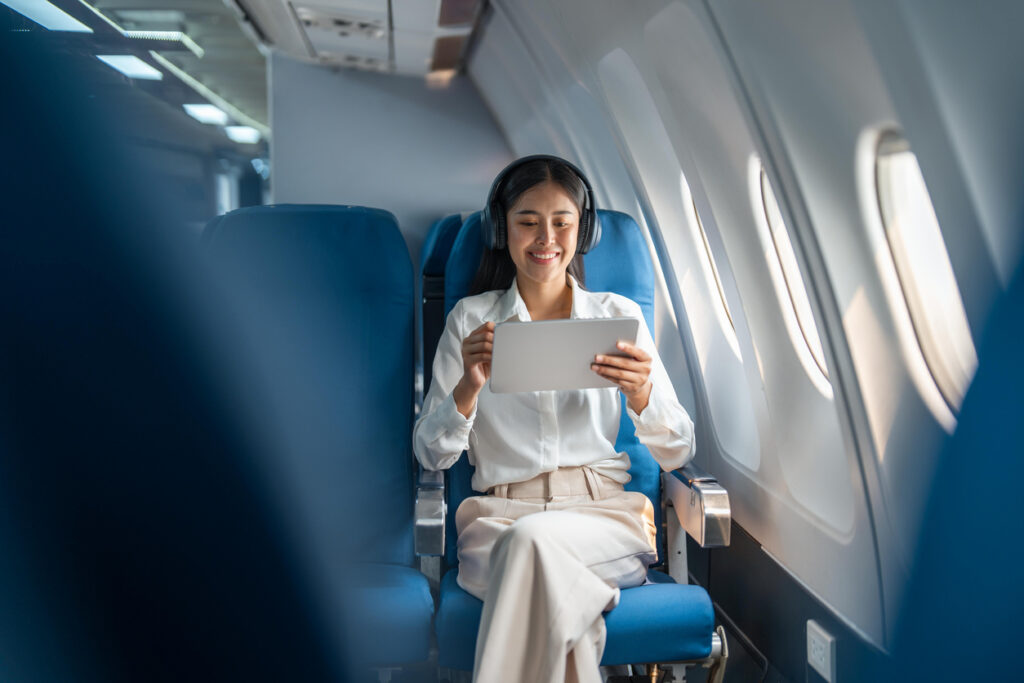
People who pay extra to sit near the front want to be first off the plane, and this urgency often extends to other parts of their lives. You’re probably quite ambitious and time-conscious, always thinking about the next thing rather than relaxing in the present moment. You value efficiency and dislike wasting time, which is why those extra fifteen minutes of waiting for rows 20-35 to deplane feels unbearable. You’re also likely someone who enjoys status symbols and the feeling of being ahead of other people.
Back-row regulars are either budget-conscious or anxious.
Choosing seats at the back usually means you’re hunting for the cheapest option, which shows practical financial thinking. But some people also prefer the back because they feel safer being near the tail, or because they like being able to see the whole cabin. If you’re the latter type, you probably have some control issues and don’t like having people behind you where you can’t see them. Back-row people are often quite resourceful and don’t mind a bit of discomfort to save money.
Exit row fans value legroom over everything.
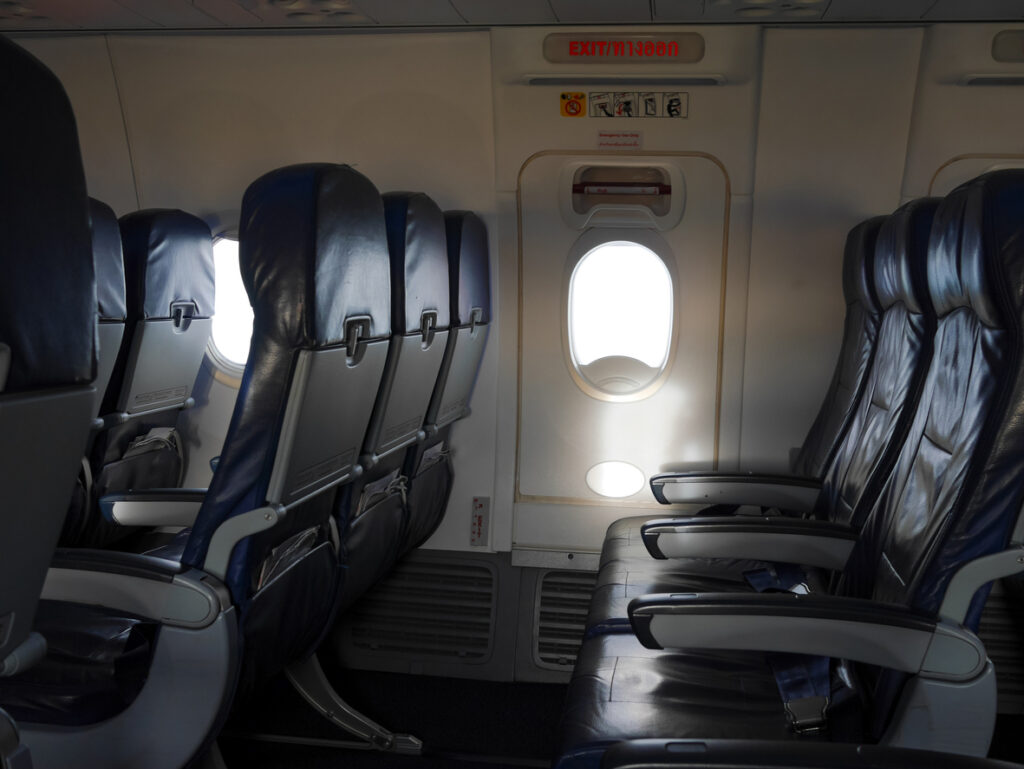
If you specifically hunt for exit row seats, physical comfort is your top priority, and you’re willing to pay extra for it. You probably have a hard time feeling settled if you’re cramped or uncomfortable, and you’re someone who takes their own wellbeing seriously. Exit row people tend to be tall or larger-framed, but even if you’re not, choosing these seats suggests you understand the value of investing in comfort. You’re also probably quite responsible since you have to agree to help in an emergency.
Random seat accepters are genuinely flexible.
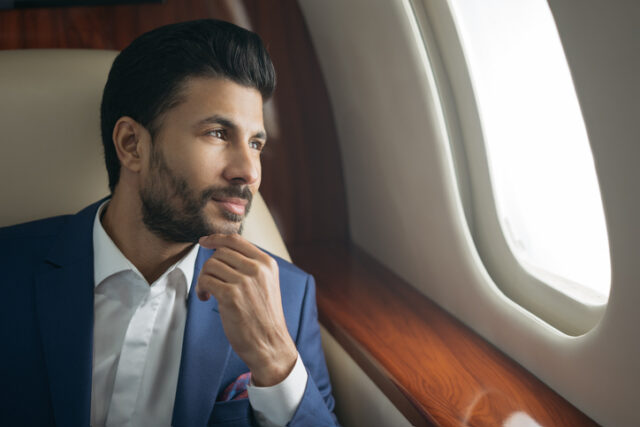
If you don’t care where you sit and just take whatever the system assigns, you’re either incredibly laid-back or you fly so rarely that you haven’t developed preferences yet. Truly flexible people who don’t stress about seat selection tend to be more relaxed in general and don’t sweat the small stuff. You probably adapt well to change and don’t need everything planned out perfectly. This can make you easy to travel with, but might also mean you sometimes miss out on better options through lack of attention.
Bulkhead choosers want peace and quiet.
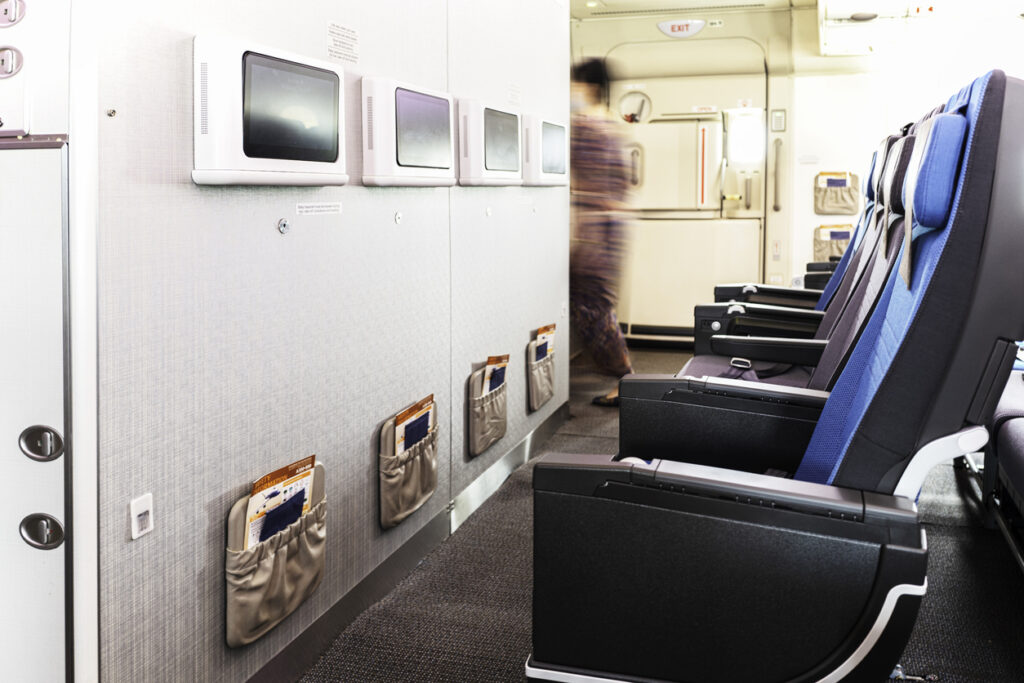
Selecting bulkhead seats shows you value your space and want to avoid dealing with the person in front of you reclining. You’re probably someone who gets easily annoyed by other people’s behaviour and prefers to minimise potential conflicts. Bulkhead people often have a strong sense of personal space and don’t like feeling crowded. You might also be travelling with a baby, which shows you’re thinking practically about managing a difficult situation.
Over-wing seaters are cautious optimists.
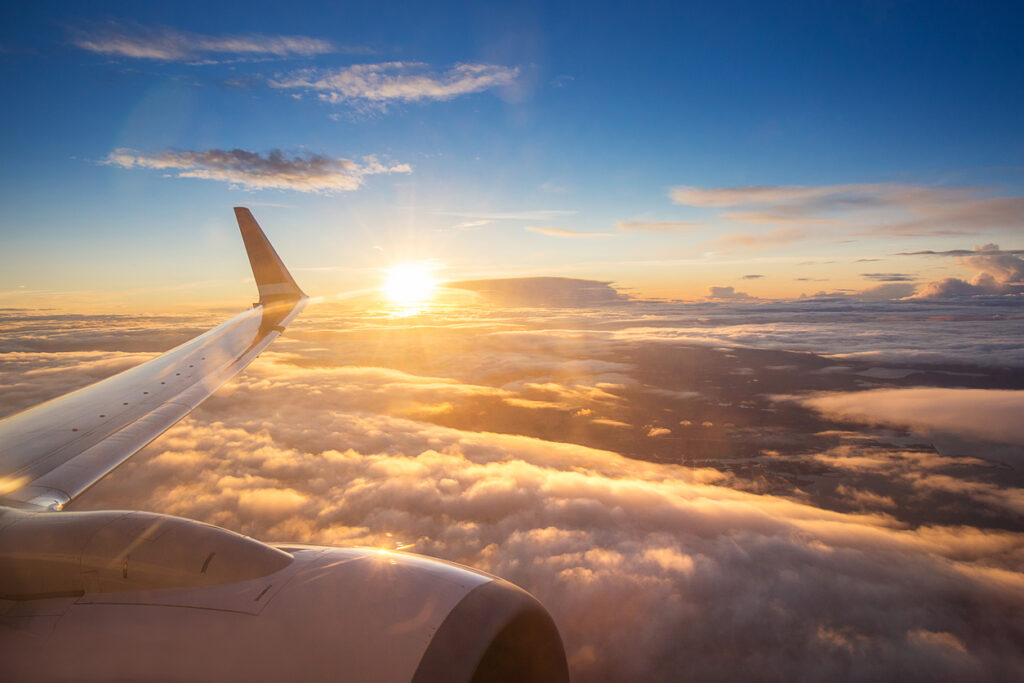
Some nervous flyers specifically choose seats over the wing because they feel safer there, and this reveals a personality that likes to feel prepared and protected. You probably research things thoroughly before making decisions, and prefer to stack the odds in your favour whenever possible. You’re not paralysed by fear, but you definitely consider risks and try to mitigate them. This cautiousness probably serves you well in life, though you might miss out on some spontaneous opportunities.
Seat-switchers are natural negotiators.
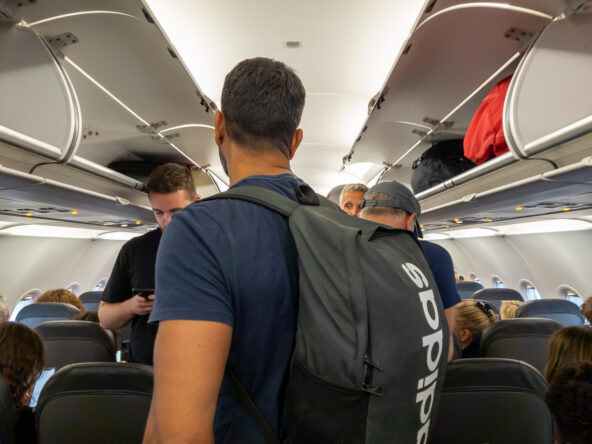
If you’re the type who books one seat but then tries to trade with other people after boarding, you’re confident and persuasive. You believe most situations are flexible, and that rules can be bent if you ask nicely enough. This can be charming, but also a bit entitled, depending on how you go about it. Seat-switchers tend to be quite social and aren’t afraid of approaching strangers, which suggests good people skills but possibly a lack of respect for other passengers’ preferences.
Upgrade hunters are status-conscious strivers.
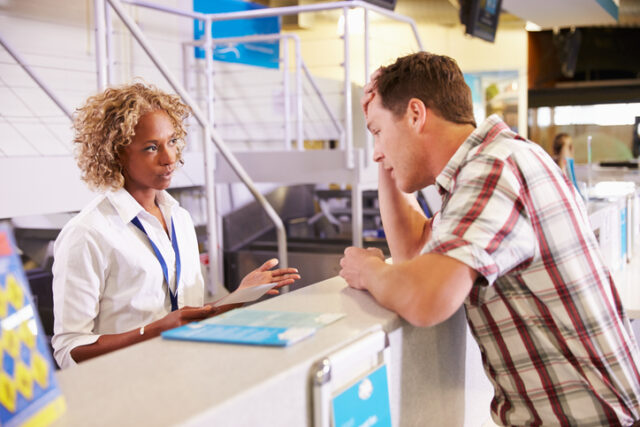
People who constantly angle for upgrades and check if better seats have opened up are driven by a need for recognition and better treatment. You probably work hard and feel you deserve rewards, and you’re not shy about asking for what you want. This ambition serves you well in career settings, but it can also mean you’re never quite satisfied with what you have. You’re always looking for the next level up rather than appreciating where you currently are.
Group seat bookers are protective leaders.
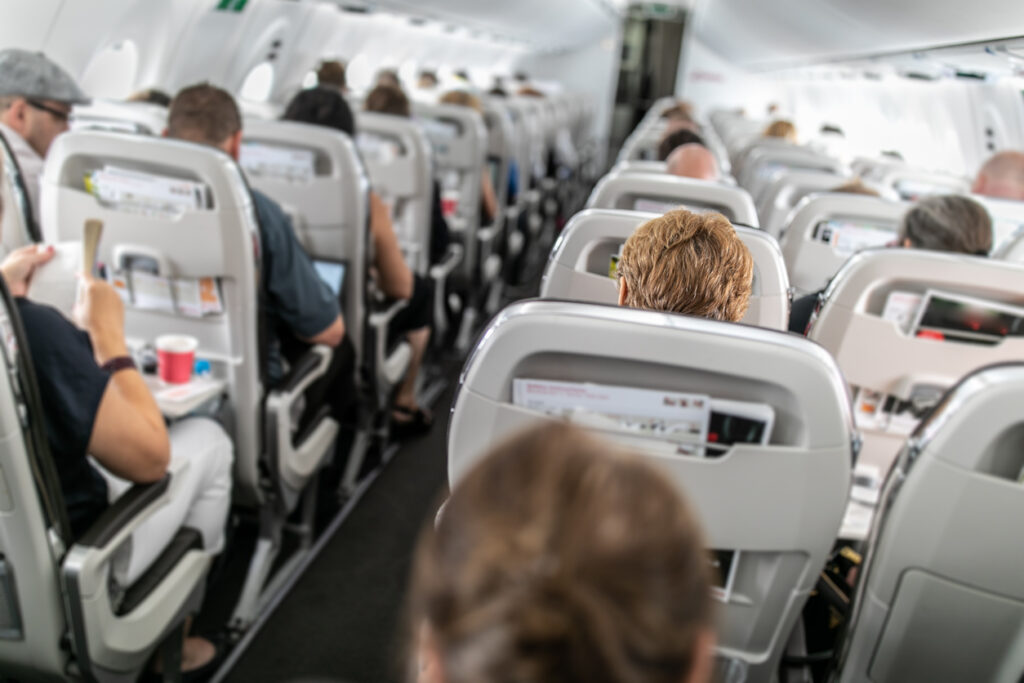
If you’re the person who books all the seats for your family or friends and carefully arranges who sits where, you’re a natural organiser who likes taking care of other people. You probably do this in other areas of life too, planning holidays and making restaurant reservations for your group. This shows thoughtfulness and responsibility, though you might sometimes take on more than you need to and struggle to let anyone else contribute to planning.
Last-minute seat selectors are either spontaneous or overwhelmed.
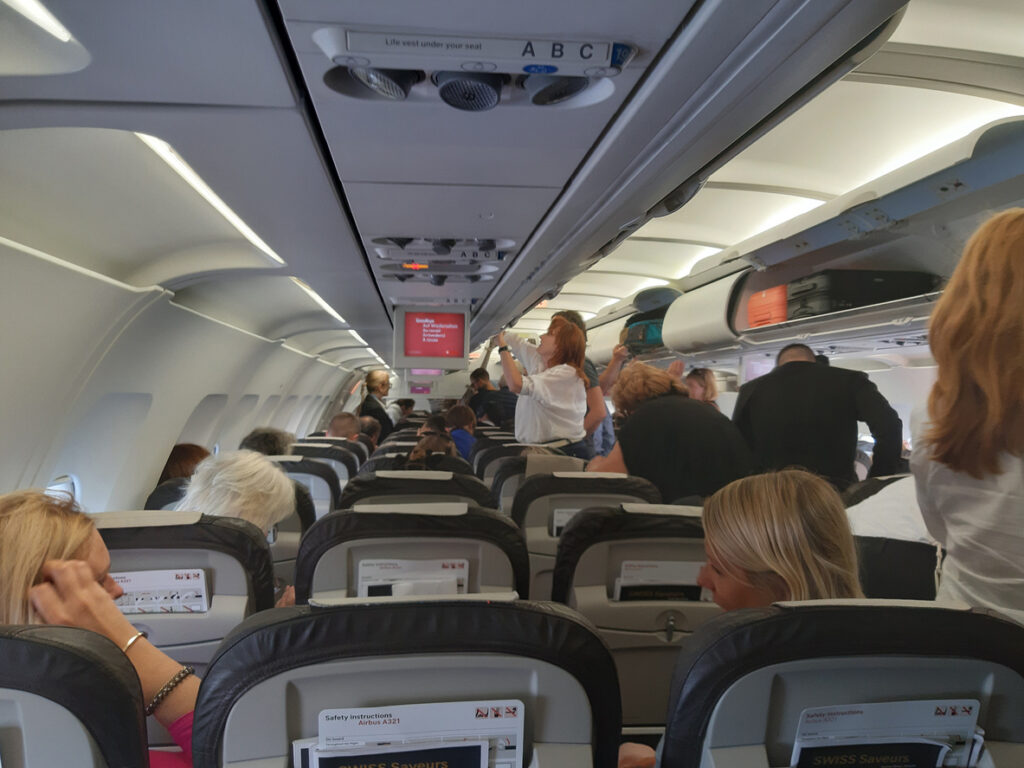
Waiting until check-in to choose your seat means you’re either genuinely relaxed about where you end up, or you’re so disorganised that you forgot to do it earlier. True spontaneous types don’t mind the uncertainty and might even enjoy seeing what happens, but if you’re chronically leaving it to the last minute, you’re probably struggling with time management in other areas too. This approach might work fine for solo travellers, but it causes problems when you’re with other people who want to sit together.