When you look at people who’ve managed to breeze past their 100th birthday, you’ll notice a distinct lack of HIIT sessions or protein shakes.
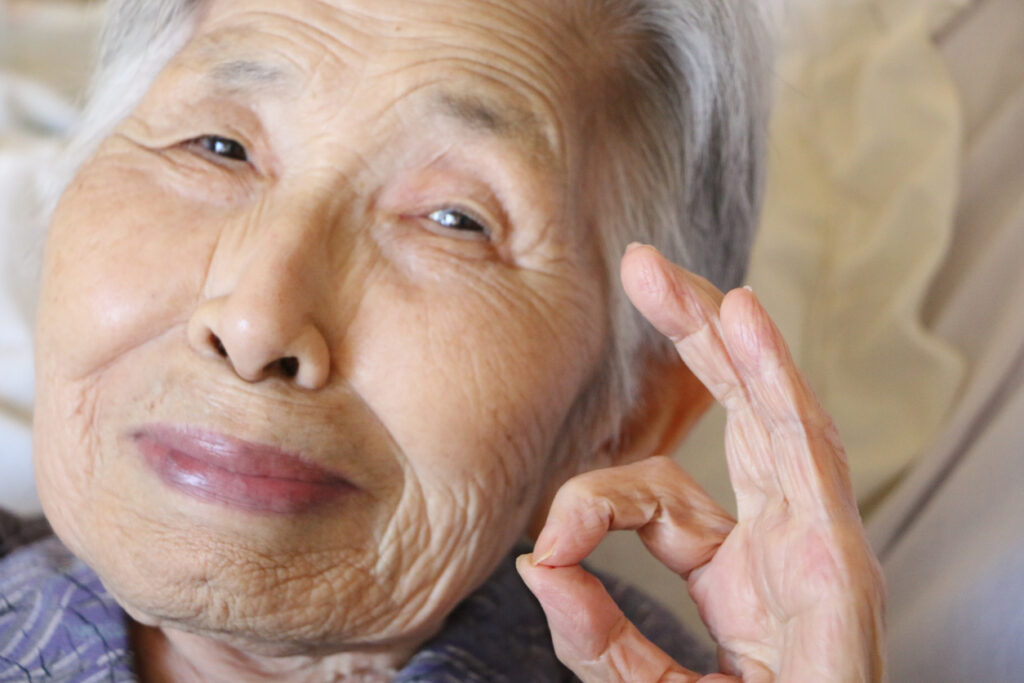
For most of them, longevity isn’t a goal they’ve been aggressively chasing with a Fitbit and a gym membership; it’s just the natural byproduct of a life that isn’t constantly trying to kill them with stress. While we’re obsessed with optimising our health, the world’s oldest people often have habits that look remarkably laid-back, focusing more on how they live than how much they can lift.
The real secret seems to be a total lack of friction. They move because their lives require it, they eat because it’s social, and they don’t spend their nights staring at a screen worrying about their step count. It’s about being woven into a community where you’re needed and staying just busy enough that your brain never decides it’s finished for the day. If you want to make it to 100, it might be less about the miles you run and more about the people you’re running into on your way to the shops. Here are some of their secrets.
1. They have something to wake up for every morning.
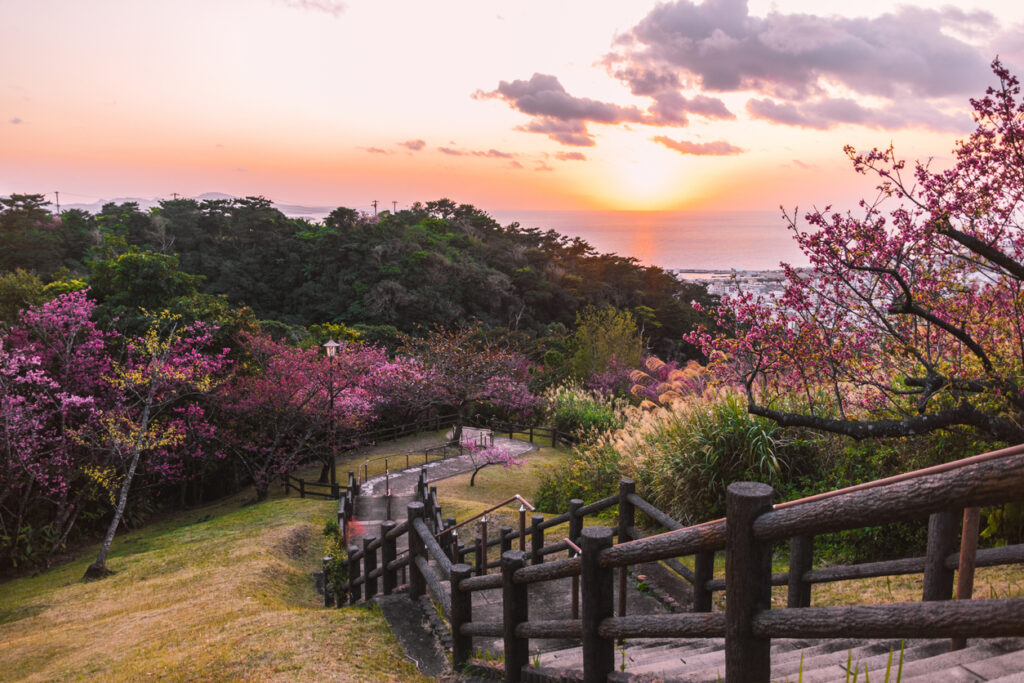
In Okinawa, this concept is called ikigai, which translates to your reason for being. People who live past 100 consistently have a clear sense of purpose, whether that’s tending to prize bulls, carving traditional masks, painting, or caring for family. One 102-year-old man visited his bulls every single day because they gave him a reason to get up. Research shows that having ikigai reduces cardiovascular disease risk and lowers mortality rates significantly. Find what makes you feel needed and engaged, then build your days around it instead of waiting for retirement to give your life meaning.
2. They eat until they’re 80% full, not stuffed.
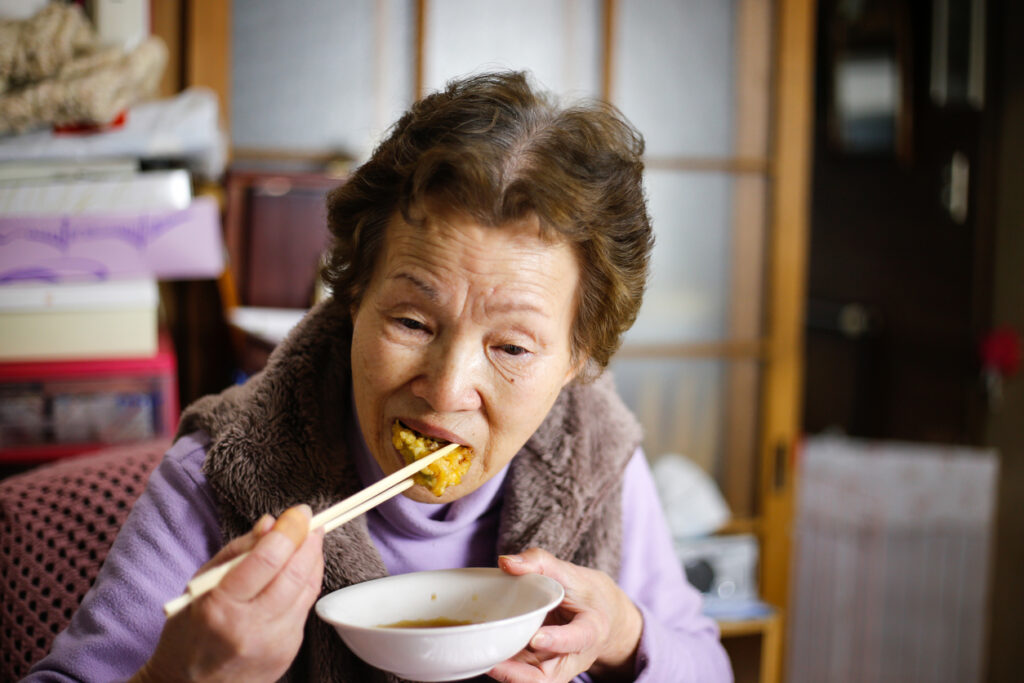
Okinawans practice hara hachi bu, which means stopping when you’re 80% satisfied rather than completely full. This isn’t about strict calorie counting or deprivation, it’s simply recognising that the extra side dish or dessert after you’re already satisfied gives short-term pleasure but long-term problems. Eating slightly less than your plate offers promotes healthy weight management and reduces metabolic stress on your body. Pay attention to when you start feeling satisfied rather than eating until you’re uncomfortable, and push your plate away even if food remains.
3. They don’t obsess over their diet or count anything.
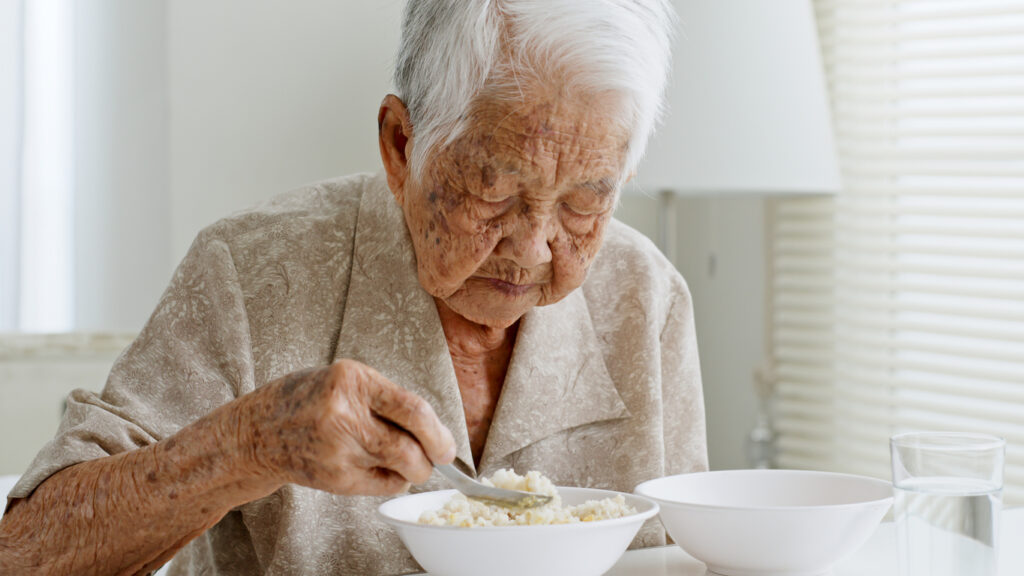
None of the centenarians researchers interviewed tried to live to 100 through rigid rules. They don’t count calories, weigh protein grams, take vitamins, or read nutrition labels obsessively. They simply eat real food that’s locally available and celebrate with meals regularly. The world’s oldest people have easy access to fruits and vegetables, largely pesticide-free, either from their gardens or local markets. Stop making eating complicated with tracking apps and restrictions, and focus instead on choosing whole foods most of the time while still enjoying yourself.
4. They eat beans nearly every day.

Across all Blue Zones, beans are a dietary staple. Research suggests that eating about a cup of beans daily adds roughly four years to your life expectancy. Whether it’s the black beans in Costa Rica, lentils in Sardinia, or soybeans in Okinawa, these protein-packed legumes appear in almost every meal. They’re cheap, filling, and packed with fibre and nutrients that support longevity. Add beans to soups, salads, or eat them as a main dish several times a week instead of relying on meat for protein.
5. They maintain close friendships throughout their lives.

In Okinawa, social groups called moais provide lifelong support networks where friends meet regularly to chat, drink tea, and share life together. Strong social connections are linked to better mental health, lower stress, and increased life expectancy according to decades of research. The emotional support you get from close relationships is invaluable for wellbeing. Prioritise spending time with friends and family regularly, join groups or clubs that interest you, and invest in relationships that feel supportive rather than draining.
6. They live near family but not too close.
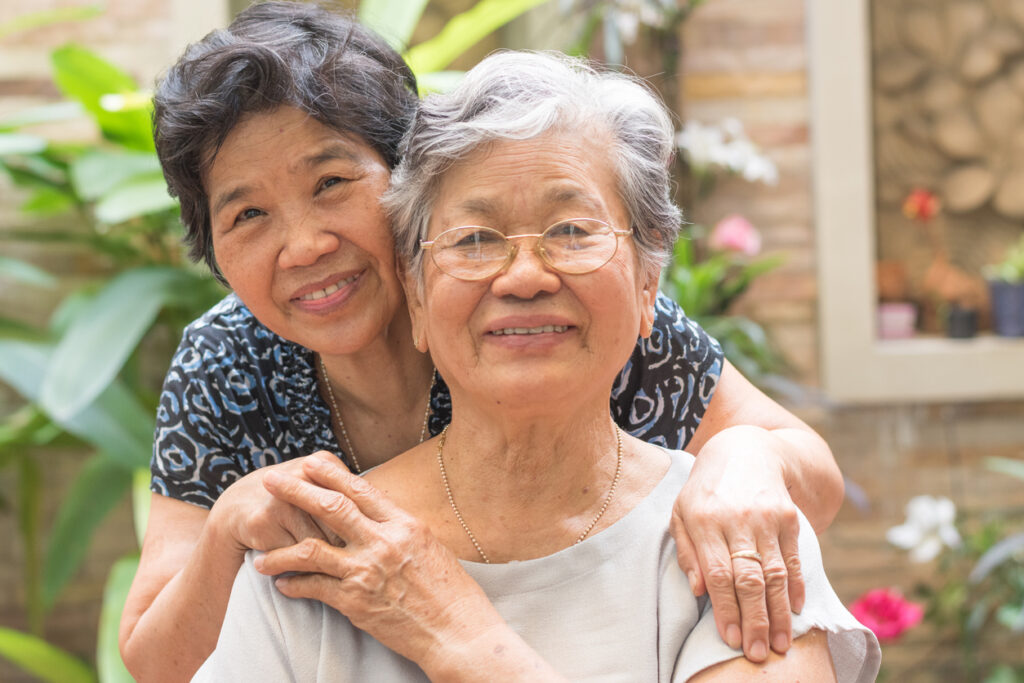
There’s an Okinawan saying about living far enough from family that you’re not running into them every day, but close enough to take them a warm bowl of soup on foot. This balance gives you connection without the friction of being in each other’s space constantly. Family ties matter enormously for longevity, but boundaries help those relationships stay healthy. Consider whether you’re geographically positioned to maintain family connections without sacrificing your independence, and adjust if needed.
7. They avoid toxic people deliberately.
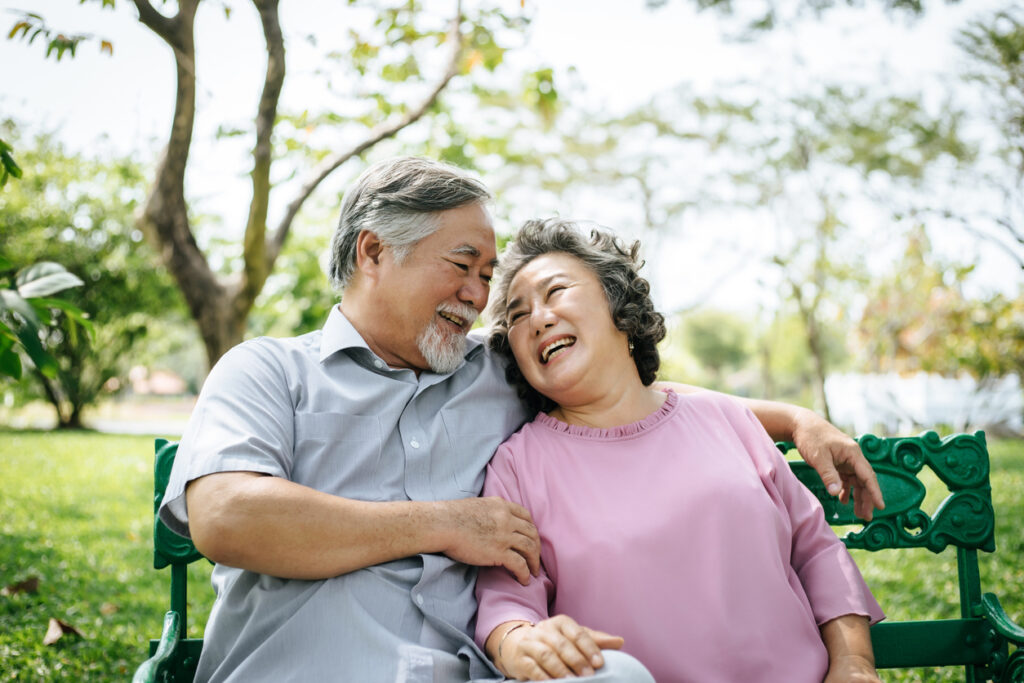
María Branyas Morera, who lived to 117, explicitly advised staying away from negative influences and toxic individuals. The world’s oldest people surround themselves with positive, supportive company because they understand that relationships affect your health. Research shows that behaviours and moods spread through social networks, so negativity from other people genuinely impacts your wellbeing. Be selective about who gets your time and energy, and don’t feel guilty about distancing yourself from people who consistently drain or upset you.
8. They take time to slow down every single day.

People in Blue Zones experience stress, but they build in daily practices to decompress. Ikarians take afternoon naps, Seventh-Day Adventists observe the Sabbath, and Okinawans spend time in nature and sunshine. Rushing constantly has negative effects on your quality of life, while slowing down adds meaning. Build rest into your routine as deliberately as you schedule work, whether that’s a daily nap, a weekly day off, or just 20 minutes of doing absolutely nothing.
9. They stay spiritually or religiously connected.

Okinawans visit their ancestors yearly and maintain spiritual practices that give them a sense of continuity across generations. Whether through organised religion or personal spirituality, centenarians tend to have practices that connect them to something larger than themselves. This doesn’t have to mean formal religion, it can be meditation, time in nature, or any practice that feels meaningful. Find whatever spiritual expression resonates with you and make it a regular part of your life.
10. They eat loads of leafy greens.
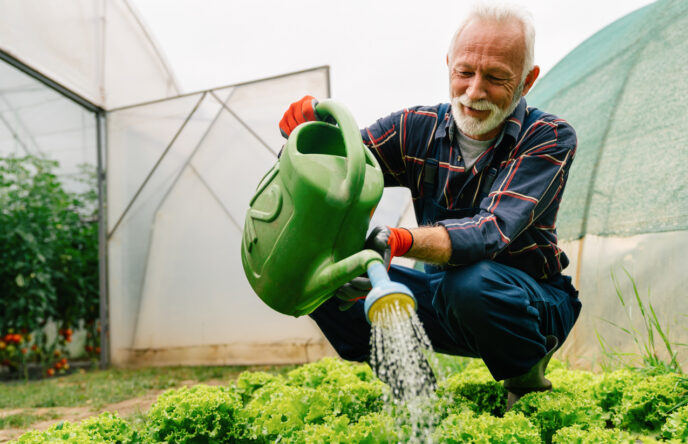
The absolute best longevity foods across Blue Zones are leafy greens like spinach, kale, chard, and collards. In Ikaria, over 75 varieties of edible greens grow wild and contain ten times the polyphenols found in red wine. Studies found that middle-aged people who ate the equivalent of a cup of cooked greens daily were half as likely to die in the next four years as those who ate none. Add a portion of cooked greens to your dinner most nights, whether that’s spinach, kale, or whatever grows locally where you live.
11. They keep their minds active with hobbies and learning.

Kane Tanaka, who lived to 117, woke at 6am daily and spent afternoons studying subjects like maths. She played Othello regularly and became expert enough to beat the nursing home staff. Many centenarians paint, carve, garden, or pursue other hobbies that keep their brains engaged. Mental stimulation appears just as important as physical activity for longevity. Pick up a hobby that genuinely interests you, learn a new skill, do puzzles, or study something you’ve always been curious about.
12. They don’t get angry and keep smiling.

Chitetsu Watanabe, who held the record for oldest living man, said his secret was not getting angry and keeping a smile on his face. Centenarians consistently maintain positive outlooks, laugh easily, and stay optimistic even during difficulties. They’re grateful, help other people, and find joy in small things rather than dwelling on problems. Work on letting go of anger quickly instead of holding grudges, focus on what you’re grateful for, and look for reasons to laugh throughout your day.
13. They celebrate often and eat together.

The world’s longest-living people don’t restrict their food intake or avoid social eating. They celebrate regularly with food, gathering with friends and family for meals and special occasions. Food is a source of joy and connection, not anxiety or guilt. They eat local, seasonal produce when available and preserve surplus for later, making food both practical and celebratory. Stop treating every meal as a test of willpower and start viewing shared meals as opportunities for connection and enjoyment that actually support your longevity.