It’s a tough pill to swallow, but a lot of the stuff we were told counted as good parenting back in the day was actually pretty damaging.

We’ve all seen those moments where a parent loses their cool and goes way past setting a boundary, turning a lesson into a full-on power trip that leaves a child feeling small and terrified. If you grew up in a house where discipline meant being shamed, ignored, or made to feel like your worth depended on being perfect, those patterns don’t just vanish; they get passed down.
Admitting that some of your old methods were toxic isn’t a life sentence, but it’s a necessary step if you want to fix the relationship before the damage becomes permanent. It’s about looking at those 12 specific habits that crossed the line from teaching a kid right from wrong to actually breaking their spirit.
1. Scaring them into behaving
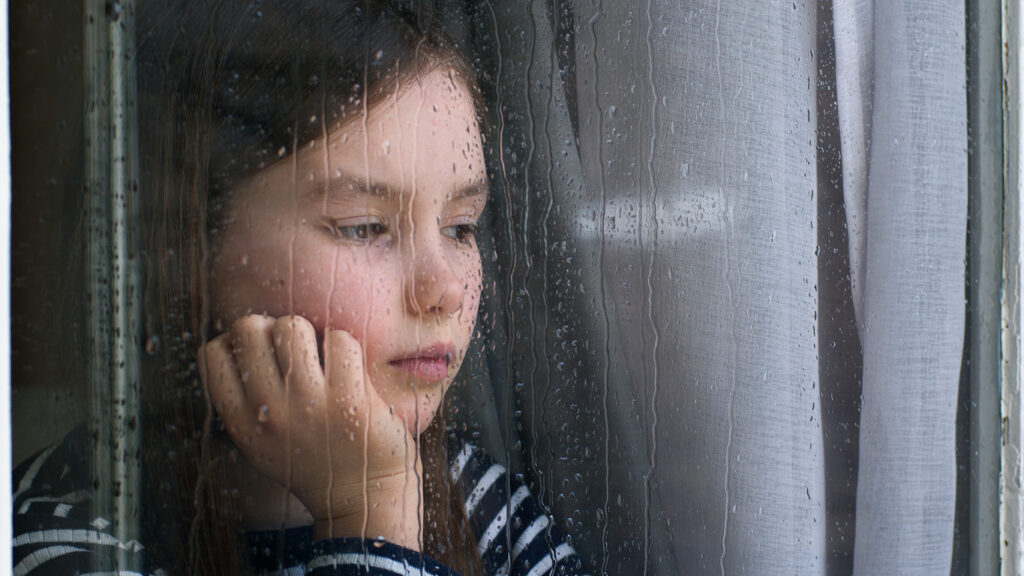
If your child behaved mainly because they were scared of you, that’s a problem. That might mean shouting, towering over them, slamming doors, or making the whole house feel tense until they give in. They might stop acting up, but they’re not learning. They’re just trying to stay safe and avoid setting you off.
Kids raised with fear often become secretive, jumpy, or desperate to please. They get good at reading moods and hiding mistakes because telling the truth feels risky. A better goal is firm boundaries without intimidation, so they listen because they understand, not because they’re afraid.
2. Shaming them to make a point

Calling them stupid, dramatic, selfish, or laughing at them when they’re upset doesn’t teach a lesson. It teaches shame. Even if it was meant as a joke, kids don’t hear it as banter. They hear it as the person who’s meant to love them making them feel small.
Shame makes kids hide who they are. They stop trying, stop asking, and stop being honest because getting it wrong feels too humiliating. Discipline works better when it sticks to what they did, not who they are as a person.
3. Acting like you only liked them when they behaved

Some parents go cold when a child misbehaves—no hugs, no warmth, no talking, just a frosty mood until the child gives in. To an adult, that might seem like a normal reaction. To a kid, it can feel like love is being taken away. That can turn into people-pleasing later, or panic whenever someone’s upset with them. A child needs to know the bond is still there even when they’ve messed up. You can be strict and still loving at the same time.
4. Ignoring them as punishment
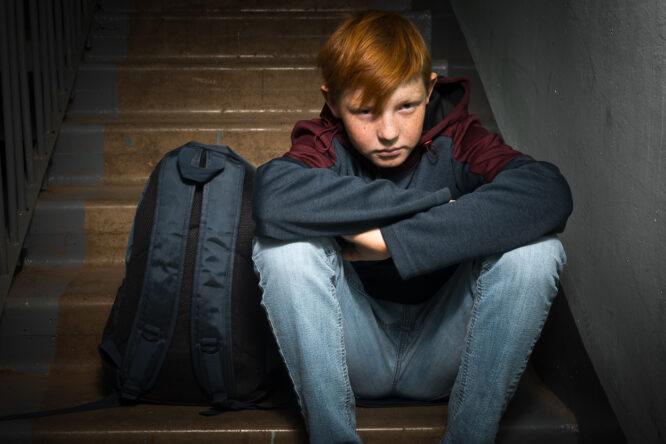
The silent treatment can be brutal for kids. If you ignored them, refused to answer, or acted like they didn’t exist until they apologised, they were left guessing what they’d done and whether you still cared. That kind of silence doesn’t teach much, it just makes them anxious.
Taking space is fine if you say what’s happening. Something like “I’m too angry to talk right now; I’ll calm down, and we’ll talk later” is much better than pure silence. The important part is coming back and fixing it, not freezing them out.
5. Smacking or using pain to control them

Physical punishment teaches one main thing. Bigger people can hurt smaller people to get what they want. Even if it was framed as a light smack, kids remember the shock, the fear, and the feeling of being powerless.
It also doesn’t teach better choices, it teaches avoidance. They behave because they don’t want to be hit, not because they understand what they did wrong. Clear consequences work better, like losing a privilege or making amends in a practical way.
6. Threatening to leave them or get rid of them

If you said things like, “I’ll leave you here,” “I’ll send you away,” or “I don’t want you right now,” that can be terrifying for a child. Even if you didn’t mean it, kids take it seriously. They hear it as danger, not discipline.
That kind of threat often comes out when a parent is stressed or embarrassed in public. You can still be firm without touching that fear. Say we’re leaving the shop because your behaviour isn’t okay, without making them worry you’ll abandon them.
7. Punishing feelings instead of behaviour
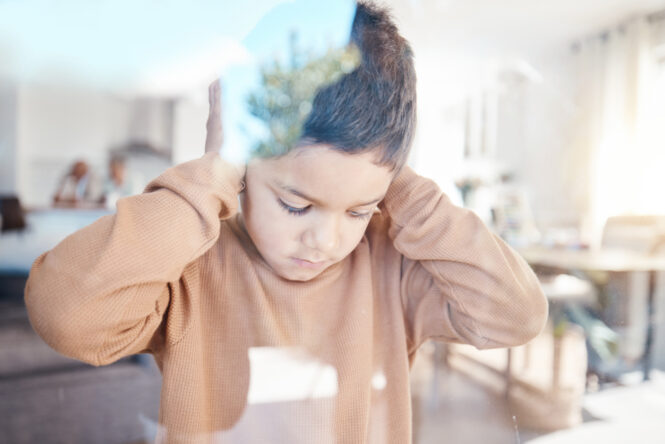
Some kids get told off for crying, being anxious, or having a meltdown. They get told to stop it, toughen up, get a grip. The issue is that feelings aren’t misbehaviour—they’re just feelings. When you punish emotions, kids learn to hide them.
They still feel the same inside, they just don’t show you anymore. A better line is, “You’re allowed to be upset, but you can’t scream at people or throw things.” That teaches them how to cope, not how to pretend.
8. Changing the rules depending on your mood

If something was fine one day and a massive problem the next, kids never knew where they stood. They stop focusing on the rule and start focusing on your mood. They become little mood detectives, trying to guess what version of you they’ll get.
Consistency is important because it makes kids feel safe. That doesn’t mean being rigid, it means keeping the basics steady most of the time. If you mess up, owning it helps more than doubling down.
9. Making them feel responsible for your feelings

If discipline came with guilt, with you saying things like, “Look what you’ve done to me,” “You’re ruining my life,” or “You’re making me ill,” that’s heavy for a kid. They start trying to manage your mood instead of learning from what happened. They can become anxious, hyper careful, or weirdly grown-up too young.
Parents get stressed, and that’s normal. The toxic bit is making your child feel like it’s their job to keep you emotionally steady. It’s healthier to say I’m stressed so we’re taking a break now, without dumping the weight on them.
10. Telling them off in front of other people to embarrass them

Some parents use public telling-off because it gets quick results. In reality, it often just humiliates the child. They might shut down, get mouthy, or get sneakier because embarrassment is a strong feeling and nobody likes being shamed in front of people.
If you need to step in, it’s usually better to take them aside and keep it low and private. Kids remember the feeling of being exposed. Protecting their dignity while setting the boundary tends to work better long-term.
11. Forcing apologies like a performance

Making a child say sorry on demand can create fake apologies. They learn to say the word just to end the drama, not because they understand why it matters. It becomes a script they repeat to get out of trouble. It works better to focus on making things right. Ask what they can do to fix it, help the person they hurt, or put something back. That teaches responsibility in a way that’s more real than a forced sorry.
12. Comparing them to siblings or other kids

Saying things like, “Why can’t you be more like your sister?” or “Look how well that other kid behaves” doesn’t motivate most children. It usually just makes them feel like they’re the problem. It can also create resentment between siblings because one is being held up as the good one.
Discipline lands better when it stays specific. Talk about the behaviour you want to change, not their whole personality. Kids can handle correction. They struggle when it feels like you don’t like who they are.
13. Controlling everything instead of letting them learn

If discipline was basically constant control, kids don’t get to practise making choices. Every little mistake becomes a big deal, and they start living in avoidance mode. They might look well-behaved, but inside they can feel anxious, watched, and scared to get anything wrong.
Kids need boundaries, but they also need room to learn. That means letting them make small mistakes and helping them handle the results. The goal isn’t perfect behaviour in the moment, it’s raising someone who can manage themselves later on.