Once you hit 50, it’s easy to start thinking that slowing down is just part of the deal, but that’s a massive trap to fall into.
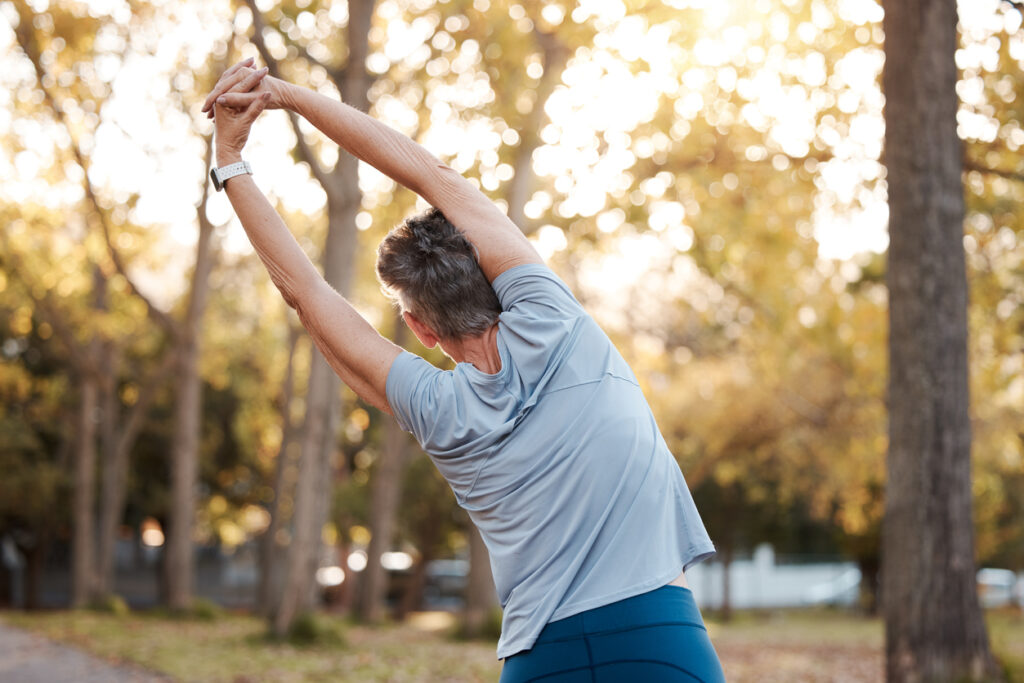
It’s not about trying to win a marathon or looking like a bodybuilder; it’s about making sure your body is actually capable of doing the basic stuff that keeps you independent and mobile. There are certain physical markers that prove you’ve still got the strength, balance, and flexibility to handle whatever life throws at you over the next few decades.
If you can’t manage a simple task like getting off the floor without a struggle or balancing on one leg while you put your socks on, it’s a sign that your foundation is starting to crumble. These 13 physical skills are the ones you really want to keep sharp so you don’t end up feeling old before your time.
1. Getting up off the floor without drama

If you can sit down on the floor and get back up again without needing furniture, that’s a big sign your legs, hips, and core are doing their jobs. It also tells you your balance is decent, because most people struggle not because they’re weak, but because they wobble and panic. This is one of those skills that feels pointless until you need it, like when you drop something under the sofa or you’re playing with a grandkid.
It doesn’t have to look graceful. The goal is simply being able to do it safely and steadily. Practising it now and then, even just a few times a week, keeps the movement familiar so it doesn’t become scary later.
2. Balancing on one leg for a solid stretch
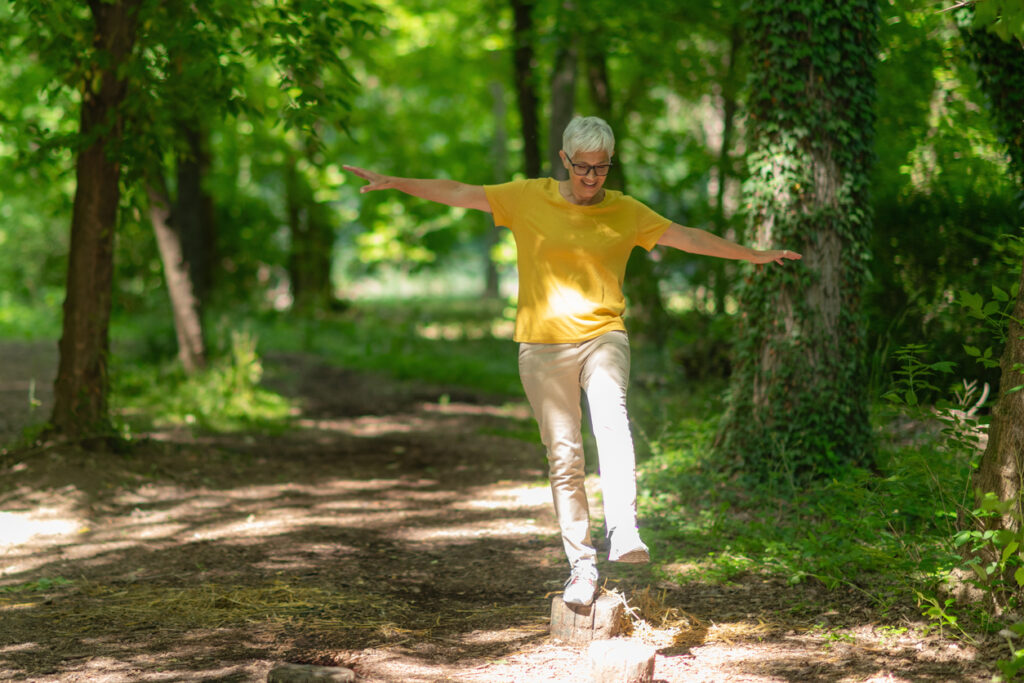
Balance is the boring superhero of ageing well. Standing on one leg is a simple check for ankle strength, hip stability, and how well your body can make tiny corrections without you thinking about it. When balance goes, confidence goes with it, and that’s when people start avoiding walks, uneven ground, and anything that feels risky.
You don’t need to turn it into a performance. Use the kitchen counter for support at first, then gradually rely on it less. The aim is calm control, not wobbling like a baby giraffe and calling it training.
3. Walking briskly for 20 to 30 minutes

Being able to walk at a decent pace without getting wiped out matters more than most gym goals. It’s your baseline for heart health, stamina, and how well your body handles everyday tasks like shopping, day trips, or just getting around without planning a recovery day. A brisk walk is also a sneaky way to keep joints moving without battering them.
The test is whether you can still talk, but you can’t sing. If your pace has slowed over the years, it’s usually fixable by building up gradually, rather than doing one heroic walk and then needing a lie down for two days.
4. Going up stairs without hauling yourself by the rail
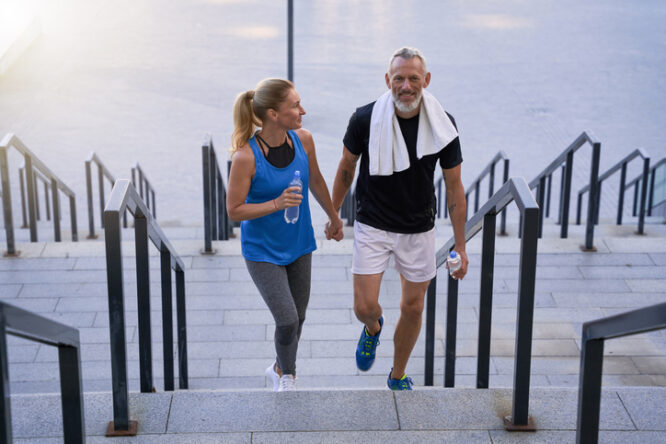
Stairs are basically a leg strength and lung check built into your house. If you can walk up a flight without dragging yourself like you’re climbing a mountain, your legs are in decent shape. Struggling with stairs often points to weak glutes and quads, or reduced stamina, and those are the exact things that make life feel smaller over time.
Using the rail is fine for safety, but needing it to pull your body up is a sign to work on leg strength. Simple things like sit to stands, step ups, and steady walking can make stairs feel normal again.
5. Sitting down and standing up from a chair with control
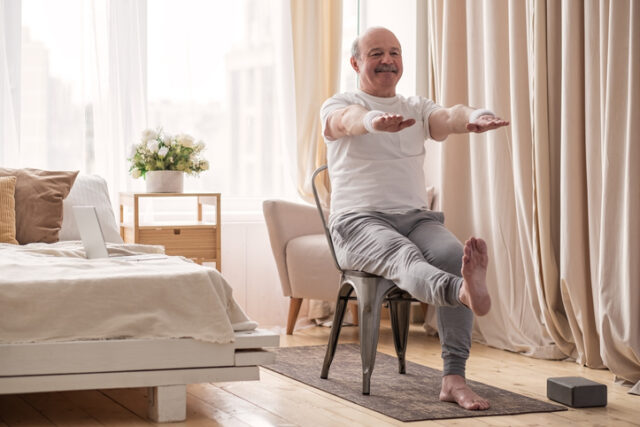
This is one of the best real life strength markers because you do it all day without noticing. If you can stand up without rocking, pushing off your knees, or collapsing back down, your legs and hips are doing well. It also shows you’ve got enough control to protect your knees and lower back.
Practising slow, controlled reps from a chair is more useful than people think. It’s not glamorous, but it’s the difference between feeling sturdy and feeling like your body is always one awkward movement away from a twinge.
6. Carrying heavy shopping without wrecking your shoulders

Grip strength and carrying strength matter because life is basically carrying things. Bags, laundry, bins, deliveries, suitcases, grandkids, all of it. Being able to carry a decent load without your shoulders creeping up to your ears is a sign your upper body and core can support you properly.
If carrying makes your hands ache or your posture collapse, it’s worth building this up gently. Farmer carries, light dumbbells, or even just carrying shopping in two balanced bags can help you feel stronger fast.
7. Reaching overhead without pinching or stiffness
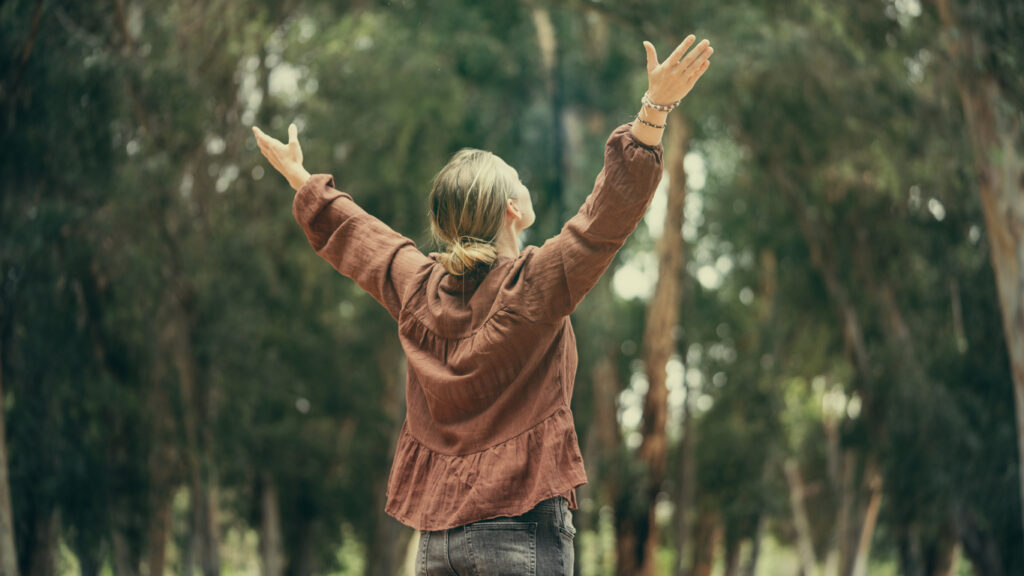
Shoulder mobility tends to sneakily fade, then one day you realise you can’t comfortably reach a high shelf or put a jumper on without wrestling it. Being able to reach overhead without pain means your shoulders, upper back, and ribs still move well together. When that area gets stiff, it can also mess with your neck and cause headaches.
A bit of daily shoulder movement helps more than occasional stretching marathons. Arm circles, wall slides, and gentle reaching work well, especially if you do them little and often instead of forcing it.
8. Squatting to pick something up without folding in half

Many people start picking everything up by bending at the back because it feels easier in the moment. The problem is that your back ends up doing work your hips and legs should be sharing. Being able to squat down even part way, keep your chest fairly upright, and stand back up protects your spine and keeps your hips working.
Your squat doesn’t need to be deep. Think more like a practical squat, the kind you’d do to grab something from a low cupboard. Holding onto a counter for support while you practise is completely fine.
9. Twisting and turning without feeling stuck
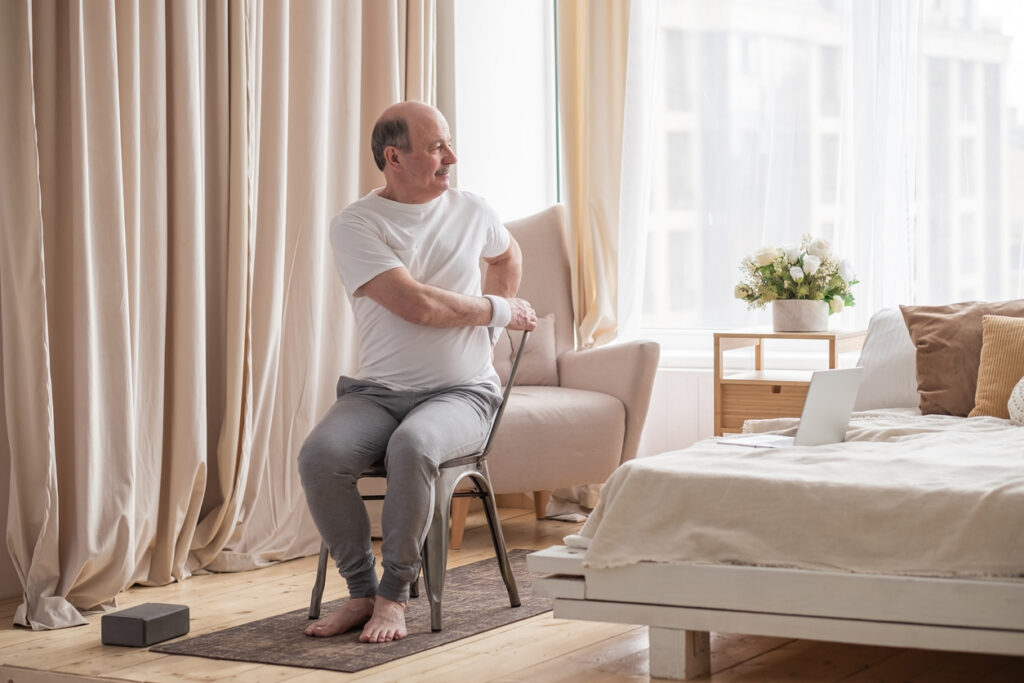
Rotation matters for everyday life, like reversing the car, turning to grab something behind you, or just moving naturally when you walk. When your torso gets stiff, your lower back often takes the hit because it starts twisting instead of your upper back doing its share. That’s when you get those annoying pulls from simple movements.
Gentle twisting movements can keep things loose without turning it into a yoga mission. Turning your body side to side while seated, or doing slow standing twists, helps you stay mobile and less creaky.
10. Catching yourself if you trip
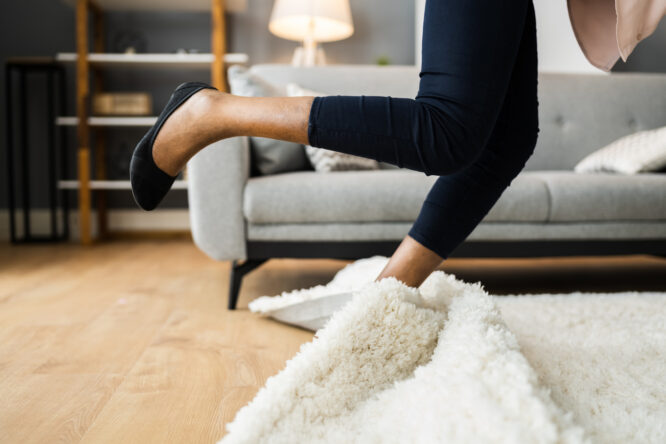
Falls aren’t only about bad luck, they’re often about reaction time and coordination. The ability to catch yourself, take a quick step, and regain balance can stop a small stumble becoming a nasty injury. This skill is built from balance, leg strength, and practise moving in different directions.
Simple things like stepping side to side, walking on uneven ground now and then, and doing controlled balance work can help. The goal isn’t to be fearless, it’s to trust your body enough to react.
11. Getting up from bed easily and without back drama
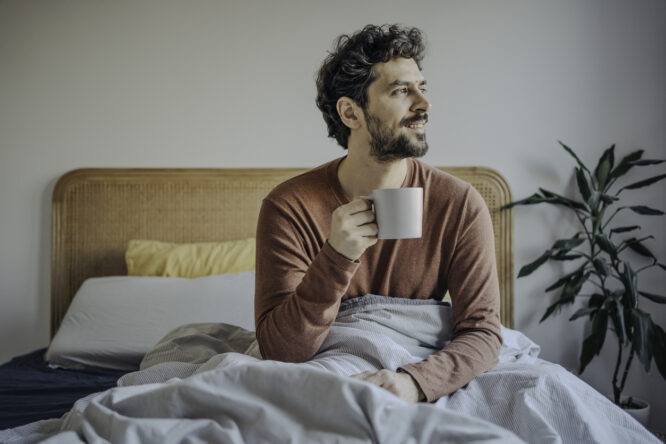
How you get out of bed matters because it’s the first movement of the day, when your joints and spine are stiffest. If you have to yank yourself up or your lower back complains every morning, that’s a clue your core and hips need more support. Being able to roll, sit up, and stand with a steady sequence is a real sign of good movement.
It helps to use a simple routine: roll onto your side, push up with your arms, swing your legs over, then stand. It sounds basic, but doing it the same way every time keeps you safer when you’re half asleep.
12. Holding a stable plank or brace for a short time
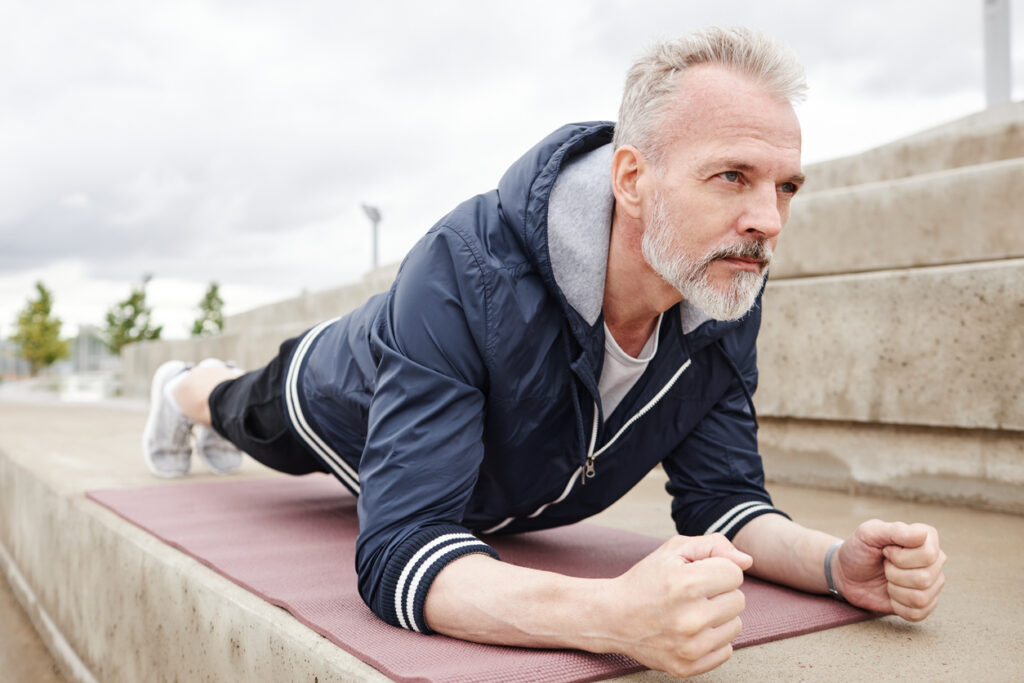
You don’t need a six-pack. You do need a core that can brace and protect your spine when you lift, carry, or twist. A simple plank, or even a strong standing brace, shows you can create tension through your midsection instead of letting your lower back take everything.
If a full plank feels too much, start with a wall plank or a counter plank. The win is keeping your body steady and breathing normally, not shaking yourself into a backache.
13. Keeping a steady posture when you’re tired

Posture isn’t about standing like a soldier. It’s about not collapsing into aches when you’ve been on your feet, sat at a desk, or walked for a while. Being able to keep your head, ribs, and hips lined up helps your joints share the load properly, instead of dumping it all into your neck or lower back.
One of the simplest checks is how you look and feel after a long day. If you’re always hunched and sore, a bit of upper back strength and regular movement breaks can make a huge difference.
14. Getting down and up from a kneeling position
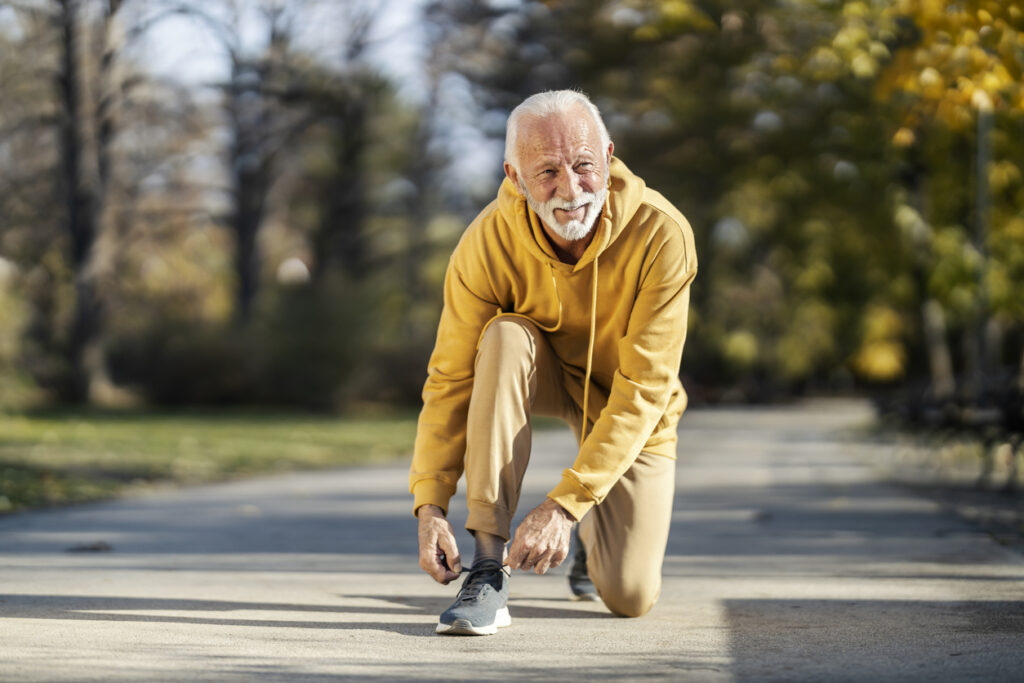
Kneeling is one of those movements that disappears without you noticing, then suddenly gardening, DIY, and even playing with kids feels awkward. Being able to lower into a kneel and come back up shows your knees can tolerate pressure, your hips have range, and your legs still have enough strength to lift you smoothly.
If your knees hate kneeling, use a cushion and build tolerance slowly. Practising the movement with support nearby can make it feel safer, and over time it keeps you capable instead of avoiding anything that puts you near the floor.