A curveball divorce is basically when one person thinks the marriage is still on the tracks, then the other person suddenly pulls the plug.
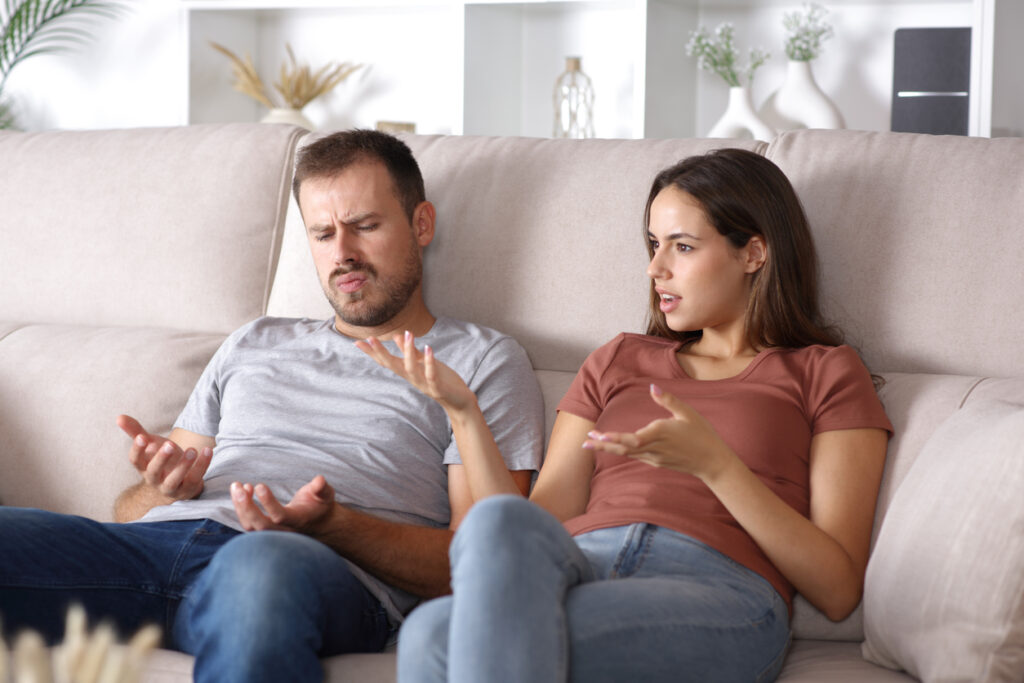
Things seem like they’re okay on the outside, so it comes as a major shock, even if the person leaving has been sitting with the idea for ages. They’re talked about more now because modern life makes it easier to detach in private, plan quietly, and then act fast, plus a lot of couples are running on fumes without admitting it. Here’s what you need to know about this method of ending a relationship, and why it’s becoming increasingly common.
1. It’s a divorce that feels like it came out of nowhere.

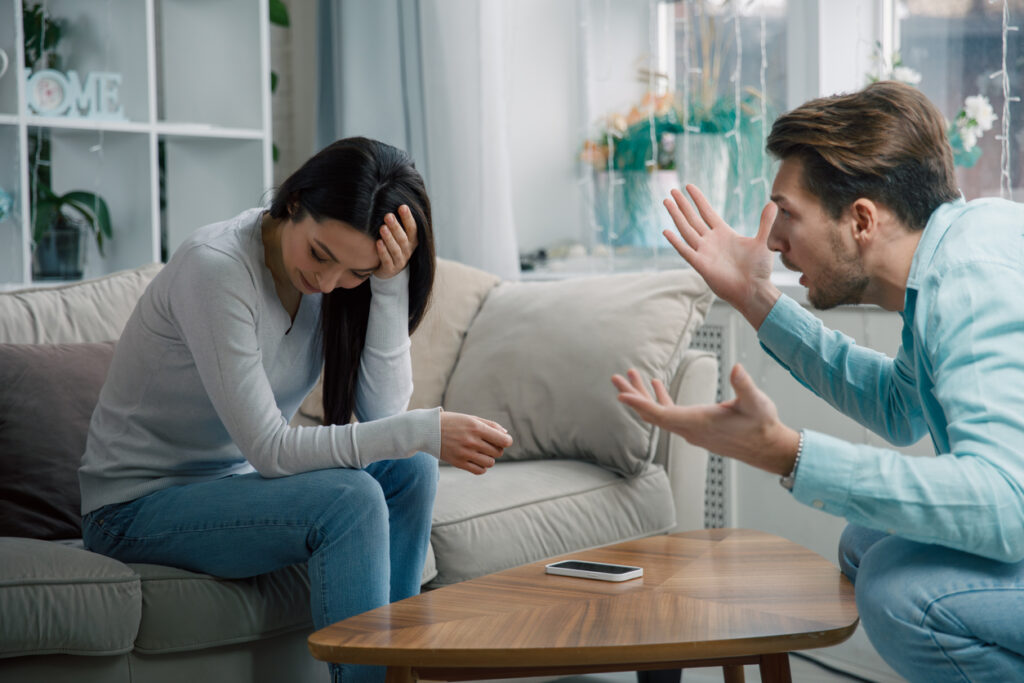
In a curveball divorce, the person being left genuinely doesn’t see it coming. They might know things aren’t perfect, but they think it’s normal marriage stress, not end-of-marriage stress. The shock is the defining feature, not the speed of the legal process. It hits like a rug pull because the day-to-day often looked fine enough. There might still be dinners together, shared plans, even holidays booked. That’s why it feels like a curveball—because it doesn’t match the story they thought they were living.
2. The person who leaves often grieved the relationship in private first.
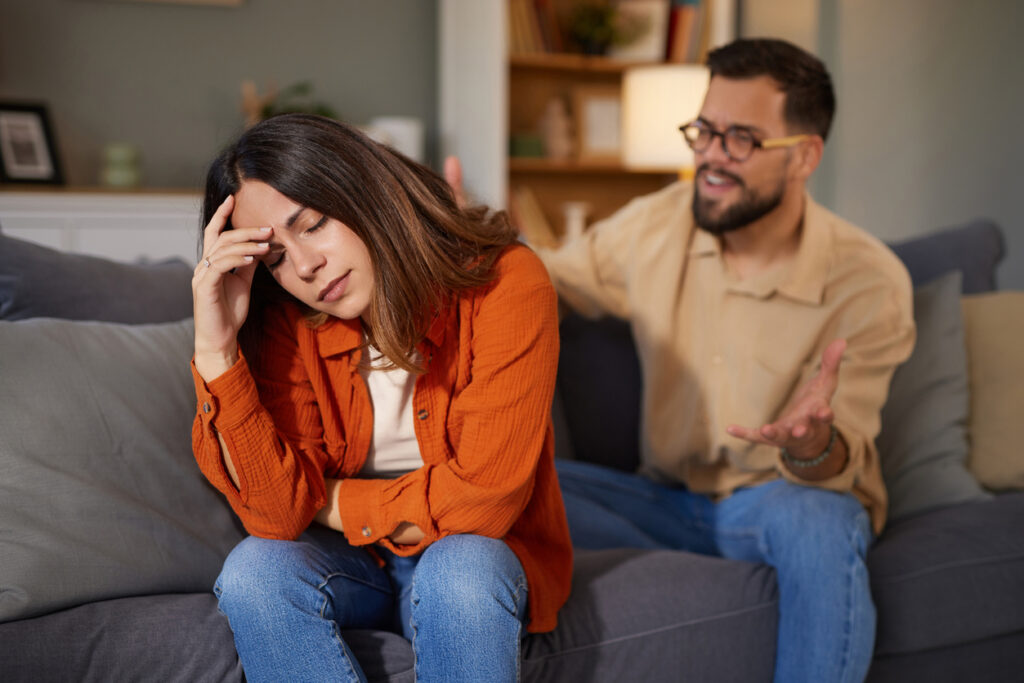
A lot of the time, the sudden part isn’t sudden for the person initiating it. They’ve been turning it over in their head for months or years, slowly going numb, then making peace with the idea. By the time they say it out loud, they’ve already done their crying and bargaining. Meanwhile, the other person is starting from zero. One of you is in the “I’ve already decided: stage, the other is in the “What are you talking about?” stage. That gap makes it feel harsh, even when there wasn’t any intent to be harsh.
3. Modern relationships can look stable while they’re emotionally hollow.
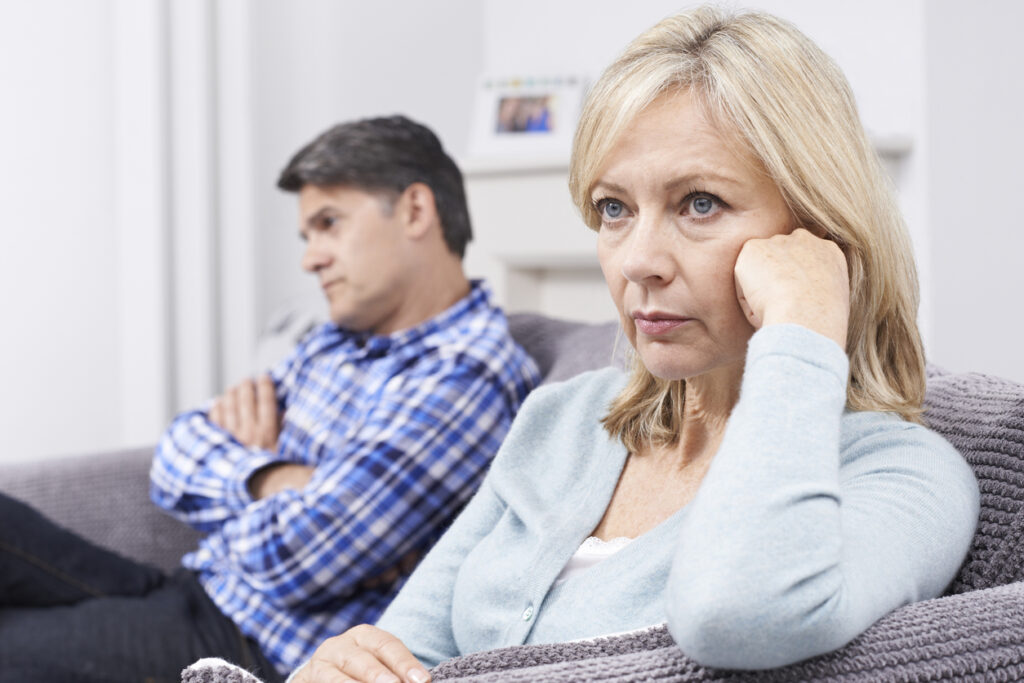
Plenty of couples are functional on paper. Bills get paid, kids get fed, the house runs, nobody’s having dramatic rows. From the outside, it can even look like a solid partnership. Inside, though, the connection can be gone. If affection, curiosity, and warmth have dried up, people can start living like flatmates without putting that label on it. When one person finally says they can’t do this anymore, it shocks the other because the routine still looked intact.
4. People are better at hiding unhappiness than they think they are.

Some people are raised to keep things polite and keep things moving without making a fuss. They learn to swallow resentment, smooth over awkwardness, and present fine as a default setting. That same skill makes it easy to hide how bad it’s got. A partner can be sitting right next to someone every night and still have no clue they’ve emotionally checked out. It’s not always because they’re clueless or selfish. Sometimes the signals never got aired properly in the first place.
5. Conflict-avoidant couples are a breeding ground for curveballs.
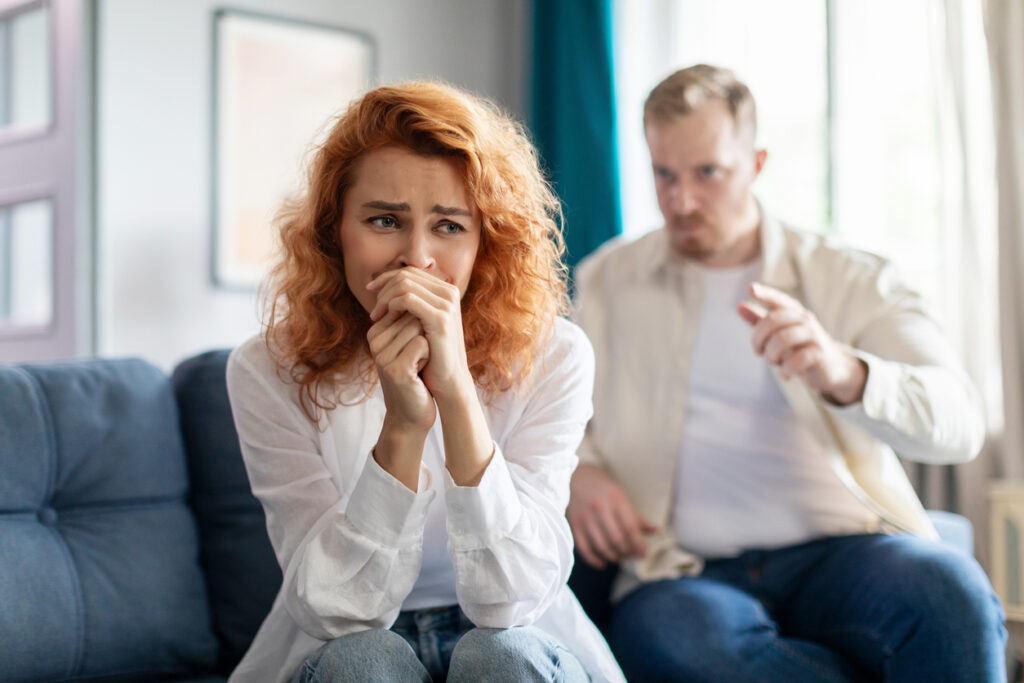
If a relationship treats conflict like something dangerous, nothing gets dealt with properly. Issues get parked, then buried, then forgotten until they pop up later as bitterness. On the surface it looks peaceful, but it’s actually avoidance. As time goes on, the person with the most unmet needs can stop trying. They’ll still show up physically, but emotionally they’re already leaving. When the breakup finally happens, it seems random, but it was built from years of unsaid things.
6. Social media makes it easier to compare and fantasise about a different life.
It’s hard not to look at other people’s lives and wonder if you settled too soon, or if you’re wasting your best years. Even when you know photos aren’t real life, they still plant ideas. You start picturing a fresh start, a calmer home, a version of you that isn’t always stressed. That doesn’t mean social media causes divorce on its own. It’s more like petrol near a spark. If someone already feels lonely or invisible, those constant glimpses of better lives can push them from daydreaming into doing.
7. Financial independence is higher, so leaving is more realistic.

In the past, a lot of people stayed because they had to. One income, kids, no savings, no accessible housing, plus heavy social pressure. Now more people can actually survive on their own financially, even if it’s still hard. That changes the calculations in someone’s head. If you know you could rent a place, manage childcare, and keep working, the “I have no choice” feeling fades. When leaving becomes practical, people are more likely to act on what they’ve been feeling.
8. The bar for what people want from marriage has changed.

Marriage used to be about stability first, love second. Now people want their partner to be their best friend, emotional safe place, co-parent, cheerleader, and housemate all at once. That’s a lot of pressure on one relationship. When reality doesn’t match that, people don’t automatically accept it as just how marriage is. They’re more likely to think this isn’t working for me and feel entitled to leave rather than endure. That mindset makes curveball divorces more common because people act sooner.
9. People are less willing to do years of slow misery.

There’s a real impatience now with wasting time. You hear it everywhere, life’s short, don’t settle, protect your peace, choose yourself. Sometimes it’s shallow, but sometimes it’s someone finally naming what they’ve lived for years. Instead of a long drawn-out decline where both people know it’s ending, one person might decide they’re done and move fast. That speed is part of why it feels like a curveball. It’s not always impulsive, it’s often delayed action.
10. Therapy language can make decisions feel more certain and final.

Therapy can help marriages, but it can also help people clarify when something isn’t working. When people learn phrases like boundaries, emotional labour, and attachment styles, they can label their pain more clearly. Labelled pain often turns into firmer decisions.
Sometimes that’s healthy because it stops people being stuck. Other times, it can lead to a very abrupt story that skips the messy middle where both people could’ve talked. Either way, it can make the exit feel sudden to the partner hearing it for the first time.
11. Many couples are burnt out and running on survival mode.

Work stress, money stress, childcare, ageing parents, health problems, endless admin, it all chips away at closeness. When you’re constantly exhausted, you stop doing the small things that keep love alive. You might not even notice it happening because you’re just trying to get through the week. Burnout can make someone feel trapped in a life they once chose. That feeling can build until it flips into a clear sense that they can’t keep going like this. Then the breakup comes out fast and everyone’s stunned.
12. People can leave emotionally while staying physically present.

This is the part that really unsettles the person being left. The leaver might still go to family events, still say love you out of habit, still keep the household running. It looks like commitment, but it’s more like going through the motions.
Emotional leaving is often invisible until the final moment. The partner might sense distance, but they explain it away as stress, tiredness, or a phase. When the actual request for a divorce lands, it feels like a plot twist, even though the emotional exit happened slowly.
13. They’re on the rise because people can act faster, with less permission needed.

Between online banking, remote work, digital communication, and wider social acceptance, someone can plan a whole exit without anyone noticing. They can research, speak to a solicitor, line up a place, and tell only one friend. That makes the reveal feel sudden because the preparation was hidden.
At the same time, society doesn’t demand as much explaining as it used to. People don’t have to prove cheating or dramatic wrongdoing, or show they tried for ten years. When you need less permission to leave, more people will leave, and more of those exits will land as curveballs.