It’s easy to feel like you’re learning a completely new language when you hear your kids talking about “mogging” at the dinner table, but it’s a term that’s grown into a massive part of how they’re comparing themselves to everyone else.

It’s gone way beyond just a bit of playground banter; it’s become a specific way for them to rank who’s “winning” in a room based on everything from their height to how sharp their jawline is. While it might sound like just another flash-in-the-pan internet trend, the constant pressure to not be the one getting “mogged” is starting to have a proper impact on how they’re viewing their own self-worth. Understanding the rules of this weirdly competitive social hierarchy is the only way to spot when it’s starting to get under their skin.
It started in online “lookism” communities.

Mogging comes from incel and lookism forums online, where appearance is ranked and compared obsessively. It describes the act of being so physically attractive that you make other people around you look worse by comparison, and it spread from those corners of the internet into mainstream youth culture faster than most parents realise. What makes that spread particularly concerning is that the toxic ideology behind it doesn’t always travel with it. Kids pick up the word without picking up the warning signs, so the harm gets in through the back door.
“Mog” is short for “looksmaxxing” culture terminology.
The word itself is derived from “AMOG”—Alpha Male of the Group—a term used in pickup artist communities years ago. As time went on, it got shortened and repurposed, and now it’s used far more casually by teenagers who may not even know where it came from or what it originally implied.
Being “mogged” means being outshone by someone else’s looks.

If your child says they were mogged, it means they felt physically inferior next to someone else. It’s not about personality or talent, just appearance, and that narrow focus is exactly what makes it so damaging to a young person’s self-image. Looks change constantly as teenagers develop, so basing your worth on where you sit in some imaginary physical ranking at 14 is setting yourself up to feel rubbish a lot of the time.
It’s used casually, which makes it harder to flag.

Teens often throw the word around without much thought, saying things like “she completely mogged everyone at the party” as if it’s just a compliment to one person. But the flip side of that compliment is that everyone else in the room has been quietly ranked and found lacking, and that stings even when it’s not said directly.
Social media has made this kind of comparison much worse.

Platforms like TikTok and Instagram are already comparison machines, and mogging culture fits right in. Kids are already looking at filtered, curated images of other people all day, so adding a whole vocabulary around who’s “winning” at looks just adds another layer of pressure on top of that. It also makes the comparisons feel more legitimate somehow because when something has a name, it can start to feel like an actual system rather than just someone being unkind.
Boys are affected just as much as girls.

There’s a tendency to assume appearance pressure mainly affects girls, but mogging culture is heavily male-oriented in its origins, and boys use it constantly. Young men are talking about jaw structure, height, and facial symmetry in ways that would’ve seemed extreme even 10 years ago, and a lot of that anxiety traces back to this kind of online language. Boys are also less likely to mention it to a parent or teacher, so the worry tends to sit with them longer without any outlet.
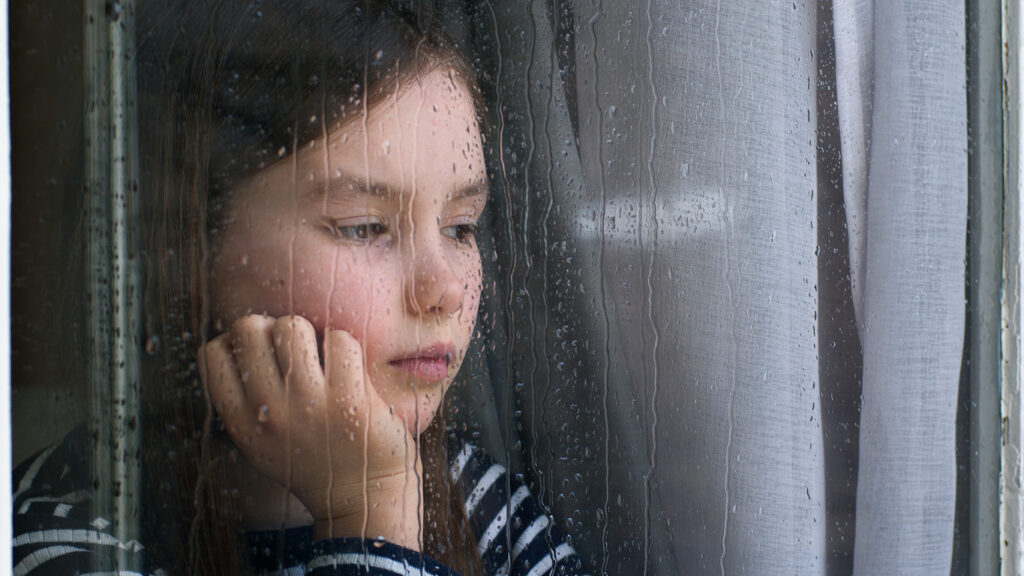
It can and often does eat away at confidence in the long run.

Your child might not burst into tears over being mogged, but the slow drip of hearing their looks compared to other people builds up. Over weeks and months, kids can start to feel genuinely bad about aspects of their appearance they’d never thought about before, and that shift in how they see themselves can be hard to reverse.
It normalises judging people purely on appearance.

When a word like this becomes everyday slang, it normalises the idea that it’s fine to rank people by how they look. Kids start to internalise that framework without realising it, applying it to themselves and other people, and it can make them more critical of faces, bodies, and features that would otherwise have seemed completely unremarkable. That’s worth thinking about beyond just your own child because kids who are doing the mogging are also being shaped by it, learning to see people as things to be assessed rather than actually known.
Watch for changes in how your child talks about their appearance.

If your child starts making negative comments about their nose, their height, or their bone structure out of nowhere, it’s worth gently asking what’s behind it. These aren’t always random thoughts, and sometimes they’re directly linked to things being said at school or content they’ve been absorbing online. It’s also worth paying attention to whether they’ve started avoiding social situations they used to enjoy, since that kind of withdrawal can be an early sign that something’s knocked their confidence more than they’re letting on.
Bringing it up doesn’t have to be a big, serious conversation.

You don’t need to sit your child down for a formal chat. Asking casually what the word means, or saying you saw it online and wondered what they thought of it, can open things up without making them feel interrogated. Kids often talk more freely when it doesn’t feel like an official discussion.
Help them see the bigger picture without dismissing their feelings.

It’s tempting to just tell your child that looks don’t matter, but that doesn’t land well when they’re surrounded by peers who clearly think they do. A more useful approach is acknowledging that yes, people do sometimes judge on appearance, while also pointing out all the ways that narrow view misses what actually makes someone interesting, likeable, or worth knowing.
Teach them to question where these ideas come from.

A lot of kids don’t know that mogging culture grew out of some pretty toxic online spaces, and just knowing that context can shift how seriously they take it. When they understand that the whole framework was built by people who were deeply unhappy and obsessing over things they couldn’t change, it loses some of its power. It’s also worth pointing out that the people pushing these ideas online are often trying to sell something, whether that’s a supplement, a course, or just attention, and that a lot of “looksmaxing” content exists to make young people feel bad enough to keep watching.
Confidence built on appearance is always fragile.

The best thing you can do long-term is help your child build a sense of self that isn’t tied up in how they look on any given day. That doesn’t happen overnight, but praising effort, humour, kindness, and resilience every chance you get does slowly build something more solid than any comment about their looks ever could.