Waking up feeling like you’ve gone 12 rounds in a boxing ring when you should be well-rested is a massive red flag that your body’s struggling with more than just a late night.

You might be tempted to blame your phone or a busy week, but when that heavy, bone-deep tiredness becomes your new normal, it’s usually a sign that the quality of your sleep is being hijacked. Whether it’s your thyroid playing up, a hidden iron deficiency, or something like sleep apnoea where you’re literally stopping breathing in the middle of the night, ignoring it is just asking for trouble. You’re not meant to live your life in a permanent fog, and pinning down the root cause is the only way to stop your mornings from feeling like a mountain you have to climb every single day.
There’s a difference between a bad night and a pattern.

Everyone has nights where sleep doesn’t come easily or mornings where the alarm feels cruel, and that’s just normal life. But when you’re waking up exhausted consistently, day after day regardless of how early you went to bed, that’s a different situation entirely and one that deserves more than a strong coffee and a shrug. The body is usually pretty good at recovering from the odd disrupted night, so when it stops doing that, something else is usually going on.
Poor sleep quality matters just as much as sleep quantity.

A lot of people assume that if they’re getting seven or eight hours, they should be fine, but the number of hours you spend in bed doesn’t tell the whole story. If you’re waking repeatedly through the night, spending long stretches in light sleep, or not reaching the deeper stages of sleep your body needs to repair itself, you’ll still wake up exhausted, no matter how long you were technically “asleep.” Tracking your sleep with even a basic app can reveal patterns you wouldn’t otherwise notice.
Sleep apnoea is more common than most people realise.

Sleep apnoea, where your breathing repeatedly stops and starts during the night, is one of the most underdiagnosed causes of persistent morning tiredness. Many people with it have no idea because the disruptions happen while they’re unconscious, and they don’t always snore loudly enough for a partner to flag it. If you wake up with headaches, a dry mouth, or a sore throat regularly, it’s worth mentioning to your GP because it’s very treatable once identified.
Thyroid problems can drain your energy before the day even starts.

An underactive thyroid slows down almost every process in the body, and one of the most noticeable effects is a bone-deep fatigue that sleep doesn’t seem to touch. It’s surprisingly common, particularly in women, and it can develop gradually enough that you don’t notice the decline until it’s been going on for quite a while. A simple blood test can check your thyroid levels, and if they’re off, the treatment is usually straightforward.
Iron deficiency is an easy thing to miss.

Low iron means your blood isn’t carrying oxygen as efficiently as it should be, and your body notices that most acutely first thing in the morning before you’ve had a chance to get moving and distract yourself. It doesn’t always show up as obvious symptoms like dizziness or pale skin, and sometimes relentless tiredness on waking is the main thing people notice. Again, a blood test will pick this up quickly, and it’s one of the more fixable causes on this list.
Your mental health has a direct line to how rested you feel.

Anxiety and depression both interfere with sleep architecture in ways that leave you feeling exhausted even after a full night, and morning is often when those conditions feel at their worst. Waking up already dreading the day, feeling heavy before anything has even happened, or lying in bed unable to summon the energy to get up are all things worth taking seriously rather than pushing through. Talking to someone, whether that’s a GP or a therapist, is a more useful response than trying to sleep more.
What you’re eating and drinking in the evening affects the next morning.

Alcohol is one of the biggest culprits for poor sleep quality because, while it helps you fall asleep, it disrupts the later stages of sleep significantly, so you tend to wake up feeling worse than if you’d had nothing at all. Eating a heavy meal late, relying on caffeine into the afternoon, or not drinking enough water through the day can all contribute to that groggy, unrefreshed feeling the next morning. Small adjustments here can make a more noticeable difference than most people expect.
Chronic stress keeps your body in a state that isn’t compatible with good rest.

When you’re under sustained stress, your body produces cortisol at times it shouldn’t, and that can interfere with the natural drop in cortisol that’s supposed to happen overnight to allow deep sleep. You might fall asleep fine but find yourself waking at 3 or 4am with your mind already racing, then struggling to get back to sleep before the alarm goes off. That particular pattern is a fairly reliable sign that stress is physically affecting your sleep rather than just sitting in the background.
Persistent morning exhaustion can affect more than just your energy levels.

Over time, regularly poor sleep affects concentration, mood, immune function, and even cardiovascular health in ways that go beyond feeling tired. People who brush off chronic morning fatigue as just part of being busy often don’t connect it to the brain fog, shorter temper, or tendency to pick up every bug going around that also seem to have crept in. The body keeps a fairly honest account of how it’s being treated, and tiredness is one of the ways it communicates that something needs to change.
It’s worth talking to your GP rather than just waiting it out.
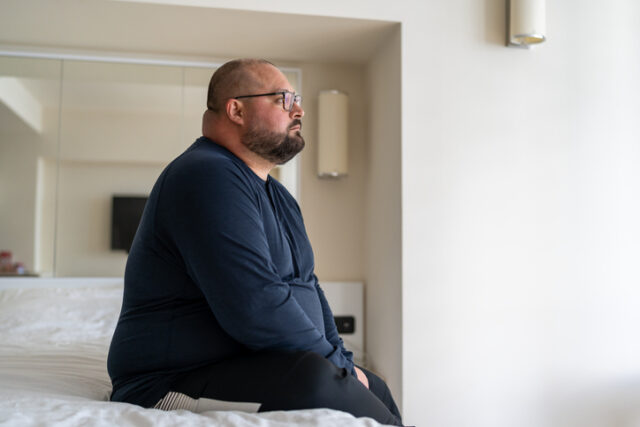
Morning exhaustion that persists for more than a few weeks without a clear reason is something a doctor should know about because it can be a symptom of a range of conditions that are much easier to manage when caught early. A lot of people put it off because they worry about wasting anyone’s time or assume they’ll be told to sleep more and exercise, but the reality is that a few blood tests can rule out or identify several of the most common causes fairly quickly. Feeling genuinely rested in the morning is not a luxury, and you don’t have to just accept that it’s something that happens to other people.