Dating in your 40s is a completely different world compared to the chaos of your 20s.

By this point, most people aren’t just looking for someone to grab a drink with; they’re carrying a lifetime of experiences, from previous marriages and kids to established careers and a much lower tolerance for nonsense. You’re not dealing with a blank slate anymore, and neither is the person sitting across from you.
It can feel a bit daunting to jump back into a scene that’s moved almost entirely onto apps, but there’s a real upside to dating at this age. You’re usually much more clued in about who you are and what you actually need, which means you can skip the games and get straight to the point. Forget the frantic search for “the one”—it’s more about finding someone whose life actually fits alongside yours.
The dating pool looks very different now.

Most people in their 40s carry some kind of history, whether that’s a previous marriage, kids, a complicated situation they’re still navigating, or simply years of habits and preferences that are fairly set. That’s not a bad thing at all, but it does mean that the straightforward, uncomplicated dating you might remember from earlier in life is less common. You’re meeting people with full, complex lives, and that changes the dynamic from the start.
Apps are pretty much unavoidable.
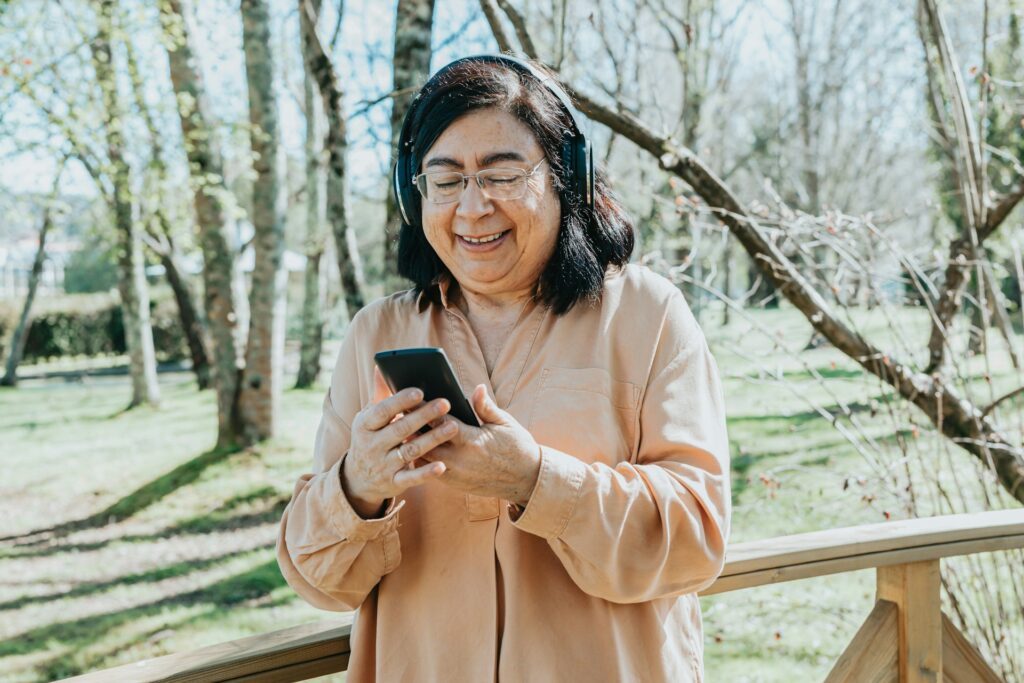
Even if they feel strange or uncomfortable at first, dating apps are genuinely how a lot of people in their 40s are meeting now. The days of bumping into someone at a mutual friend’s dinner party and things naturally developing are not completely gone, but they’re rarer than they used to be. Most people who re-enter dating after a long gap end up on at least one app eventually, and it’s worth approaching it without too much expectation either way.
You’ll know what you want much faster.

One of the genuine advantages of dating in your 40s is that you’ve accumulated enough experience to recognise fairly quickly whether someone is right for you or not. You’re less likely to talk yourself into something that doesn’t feel right, and less likely to waste time hoping a situation will improve when the signs suggest otherwise. That clarity can feel ruthless at first, but most people come to appreciate it.
Baggage is part of the deal, for everyone.

It’s worth adjusting the way you think about the word baggage entirely. In your 40s, the people you meet have lived through things, and so have you. Past relationships, difficult periods, family complications and personal struggles aren’t red flags on their own. They’re just life. The difference between manageable history and genuine incompatibility is worth paying attention to, but writing someone off for having a past is going to significantly narrow your options.
Your time feels more precious than it used to.

When you’re younger, a few months spent on a relationship that goes nowhere feels like a minor detour. In your 40s, people tend to feel that more acutely, and there’s less appetite for dragging things out when they’re clearly not working. That’s a healthy instinct in a lot of ways, though it can occasionally tip into writing things off too quickly before they’ve had a proper chance to develop.
Kids complicate the picture in ways worth thinking through early.

Whether you have children yourself, are meeting someone who does, or both, this is something that tends to come up earlier in 40s dating than it would have before. Blending families is genuinely complex, and people who’ve been through it will tell you it requires a level of patience and communication that’s worth considering before things get serious. It’s not a dealbreaker for most people, but it is a conversation worth having before you’re already emotionally invested.
Physical chemistry still matters, but it’s not everything.

In your 20s, it’s easy to mistake strong physical attraction for compatibility. By your 40s most people have learned, sometimes the hard way, that chemistry on its own doesn’t hold a relationship together. That said, dismissing physical attraction as shallow or unimportant isn’t quite right, either. It’s about balance, and most people who’ve done a bit of self-reflection by this point have a better sense of where that balance sits for them personally.
Rejection hurts differently now.

You’d think that by your 40s, rejection would roll off more easily, and in some ways it does because you have more perspective on it. But it can also feel more loaded than it did when you were younger, particularly if you’re coming out of a long relationship and your confidence has taken a knock. Being turned down or ghosted after a promising few dates hits differently when you’re already navigating a period of rebuilding. It passes, but it’s worth being gentle with yourself when it happens.
People are a lot more upfront about what they’re looking for.

One thing that tends to surprise people returning to dating in their 40s is how direct conversations can be. People are generally less inclined to play games or be vague about their intentions, whether that’s someone who’s absolutely certain they want a committed relationship, or someone who’s equally certain they don’t. That directness can feel blunt at first if you’re not used to it, but most people come to find it genuinely refreshing.
Your social life and theirs won’t always line up.

In your 20s, your social diary was probably fairly flexible. In your 40s, everyone’s life is busier and more structured. Kids, work demands, established friendships, family commitments, exercise routines and everything else means that fitting a new person into your life takes more deliberate effort than it might have before. It’s not a sign that someone isn’t interested if they can’t do Tuesday. It’s just that everyone has more going on.
Physical and emotional intimacy are different conversations now.

Not in a negative way at all, but people in their 40s tend to be more honest about what they want and need physically than they were when they were younger. There’s generally less performance and less anxiety around it, and more willingness to actually communicate. Bodies change over time, too, and people who’ve made peace with that tend to find intimacy more straightforward and more enjoyable than they did in their younger years.
You might find yourself comparing to your past relationship.

It’s almost impossible not to, particularly early on. Whether you’re measuring someone against an ex you loved, an ex who hurt you, or both at different times, those comparisons tend to creep in. The tricky part is noticing when you’re holding someone to an unfair standard, or conversely, when you’re settling because at least this person doesn’t do the bad thing the last one did. Neither is a great foundation, and most people need a bit of time to recalibrate before they can meet someone properly.
Dating after divorce carries its own specific weight.

If you’re getting back out there after a marriage ended, there’s usually a period of adjustment that takes longer than people expect. It’s not just about being ready to date again in theory. It’s about having actually processed what happened well enough that you’re not inadvertently dragging it into new situations. People who rush this stage often find themselves repeating patterns or pulling back at exactly the wrong moment, not because the new person is wrong, but because the old stuff hasn’t been dealt with yet.
Your standards will probably be higher, and that’s fine.

Knowing yourself better means knowing what doesn’t work for you, and there’s nothing wrong with that. A lot of people worry in their 40s that they’re being too picky, but there’s a difference between having reasonable standards based on self-knowledge and being so rigid that nobody could ever meet the brief. Most people find the sweet spot somewhere in the middle, and get better at telling the difference between a genuine dealbreaker and just a preference.
It can genuinely be better than dating in your 20s ever was.

For all the complications, a lot of people find that dating in their 40s has a quality to it that earlier dating didn’t. The conversations are more interesting, the self-awareness on both sides is usually higher, and there’s less of the posturing and game-playing that made dating exhausting when everyone was younger and less sure of themselves. It takes patience, and it’s rarely as simple as it looks in films, but people find real, solid relationships this way all the time.