You might think you’re just busy or going through a bit of a rough patch, but there’s a massive difference between being productive and just trying to keep your head above water.

Living in survival mode is like running a marathon every single day with no finish line in sight; your brain is so focused on getting through the next hour that it’s completely binned the ability to think about the future. It’s a state where your nervous system is permanently stuck on high alert, making every small inconvenience feel like a genuine catastrophe. You’re not actually living your life at this point—you’re just managing a series of emergencies and hoping you don’t crash.
The strangest thing about it is how normal it starts to feel. You get used to the brain fog, the constant exhaustion, and that low-level hum of anxiety that never quite goes away. You stop making plans and start just reacting to whatever’s right in front of you, whether it’s a mounting pile of laundry or a work email you’re too tired to open. It’s only when you take a second to breathe that you start to see how much of your personality you’ve traded in just to stay functional. These 12 signs are a wake-up call to help you recognise when you’ve stopped thriving and started just existing in the trenches.
1. You feel constantly exhausted, even after a full night’s sleep.

Sure, we all have those days when we wake up feeling groggy. But if you’re consistently waking up feeling tired, even after getting enough sleep, it could be a sign that your body is running on empty. When you’re in survival mode, your body is constantly pumping out stress hormones, leaving you feeling drained and depleted. It’s like your internal battery is always on low-power mode.
2. You struggle to focus and concentrate.
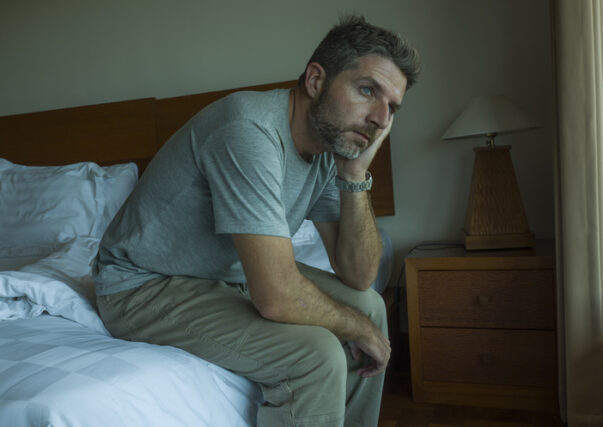
When you’re in survival mode, your brain is in overdrive, constantly scanning for threats and trying to keep you safe. This can make it hard to focus on what you need to do, remember things, or make decisions. You might find yourself easily distracted, forgetful, or struggling to complete even simple tasks. It’s like your brain is constantly running in the background, leaving little room for anything else.
3. You’re always on edge and easily irritated.

When you’re living in survival mode, your nervous system is in a heightened state of alert. This can make you feel constantly on edge, anxious, and easily irritable. Small things that wouldn’t normally bother you might trigger a disproportionate emotional response. You might find yourself snapping at loved ones, getting frustrated easily, or feeling overwhelmed by everyday tasks.
4. You neglect your self-care routines.

When you’re just trying to survive, self-care often takes a back seat. You might skip meals, neglect your exercise routine, or stay up late working or worrying. You might feel like you don’t have time for yourself, or that taking care of yourself is a luxury you can’t afford. But neglecting your self-care only exacerbates the stress and exhaustion of survival mode, creating a vicious cycle.
5. You isolate yourself from friends and family.

When you’re feeling overwhelmed and depleted, socialising might feel like another chore you can’t handle. You might start cancelling plans, avoiding social gatherings, or withdrawing from loved ones. But social connection is important for our health, and isolating yourself can further deepen feelings of loneliness and isolation. Make an effort to reach out to friends and family, even if it’s just for a quick chat or a virtual coffee date.
6. You numb your emotions with food, alcohol, or other substances.

When you’re constantly stressed and anxious, it’s tempting to turn to unhealthy coping mechanisms to numb your emotions. You might find yourself overeating, drinking more than usual, or relying on other substances to escape the discomfort of survival mode. But these behaviours only provide temporary relief and can ultimately harm your physical and mental health. Instead, try to find healthier ways to manage stress, such as exercise, mindfulness, or talking to a therapist.
7. You have trouble sleeping or experience nightmares.

When your body is in a constant state of stress, it can disrupt your sleep patterns. You might find it hard to fall asleep, stay asleep, or experience vivid and disturbing nightmares. Lack of sleep can further exacerbate the symptoms of survival mode, leaving you feeling even more exhausted and irritable. Prioritise good sleep hygiene by establishing a consistent bedtime routine, creating a relaxing sleep environment, and avoiding screens before bed.
8. You feel like you’re just going through the motions.

When you’re in survival mode, life can feel like a monotonous routine, devoid of joy or purpose. You might go through the motions of your daily life without truly experiencing or enjoying them. You might feel disconnected from your passions, hobbies, and relationships. If you find yourself feeling numb or apathetic, it’s important to take a step back and reassess your priorities. Make time for activities that bring you joy and connect you with your values and passions.
9. You find it hard to make decisions, even small ones.

When you’re overwhelmed and running on autopilot, decision-making can feel like an insurmountable challenge. You might struggle to choose what to wear, what to eat, or even what to watch on TV. This indecisiveness stems from a lack of mental clarity and a feeling of being overwhelmed by even the smallest choices. Try to simplify your life by creating routines, delegating tasks, and breaking down decisions into smaller, more manageable steps.
10. You feel like you’re constantly running out of time.

When you’re in survival mode, time seems to slip through your fingers. You’re always rushing from one task to the next, feeling like there’s never enough time to get everything done. This sense of urgency can create a constant state of stress and anxiety, making it hard to relax or enjoy the present moment. Try to prioritise your tasks, delegate when possible, and schedule in some downtime to recharge and de-stress.
11. You experience physical symptoms like headaches, stomachaches, or muscle tension.

The stress and anxiety of survival mode can manifest physically as well as emotionally. You might experience frequent headaches, stomachaches, muscle tension, or other physical ailments. These symptoms are your body’s way of signalling that something is wrong and that you need to take a break. Listen to your body and prioritise self-care. Get medical advice if your symptoms persist or worsen.
12. You feel like you’ve lost your sense of self.

When you’re constantly focused on surviving, it’s easy to lose sight of who you are and what you value. You might feel like you’re just going through the motions, disconnected from your passions, dreams, and aspirations. If you feel like you’ve lost your sense of self, take some time to reconnect with your values and priorities. Engage in activities that bring you joy and remind you of who you are at your core.