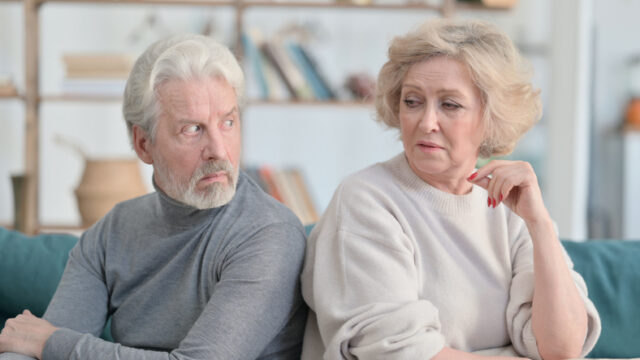
It’s easy to be a decent person when the sun is shining, the coffee is hot, and everything’s going exactly to plan.

Most of us can maintain a polite, polished version of ourselves when there’s no pressure. But the version of a person you see over a nice dinner or in a casual chat isn’t always the full story. To really get a handle on who someone is at their core, you have to look at how they react when the script goes out the window and things start to get a bit uncomfortable.
Real character doesn’t usually show up in the massive life events; it’s tucked away in the small, messy corners of a Tuesday afternoon. It’s about how people handle a tiny bit of power, how they treat people who can’t do anything for them, and how they behave when they think they’re off the clock. If you want to move past the surface and see what someone’s actually made of, you need to pay attention to how they carry themselves in these 14 specific situations.
1. Watch how they treat service staff in restaurants.

A person’s interaction with waiters, bartenders, and other service personnel can be incredibly revealing. Pay attention to whether they’re polite and patient, or if they become demanding and rude when things don’t go their way. Someone who treats service staff with respect, even when faced with minor inconveniences, often demonstrates kindness and empathy in other areas of life as well.
2. Observe their behaviour when they’re stressed or under pressure.
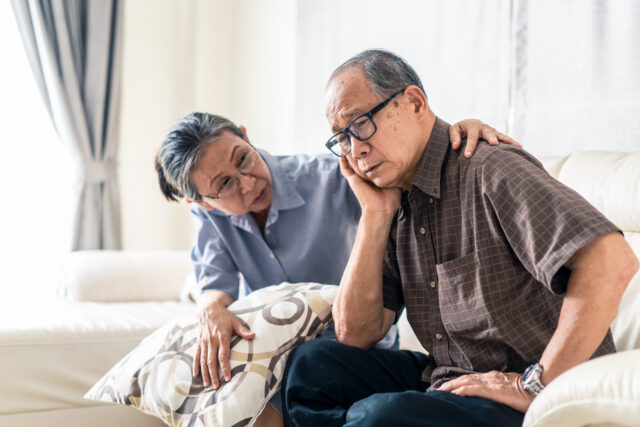
Stressful situations often bring out a person’s true colours. Notice how they handle pressure at work, during travel disruptions, or when facing unexpected challenges. Do they remain calm and solution-focused, or do they become irritable and lash out at people? Their response to stress can indicate how they might behave in future difficult situations.
3. See how they react when they’re wrong or make a mistake.

Everyone makes mistakes, but not everyone handles them gracefully. Pay attention to whether they take responsibility for their errors, apologise sincerely, and try to make amends. If someone consistently blames other people, makes excuses, or becomes defensive when they’re wrong, it might indicate a lack of accountability and maturity.
4. Notice their behaviour around people who can’t benefit them.

Observing how someone treats people who can’t offer them any advantages can be very telling. Do they show kindness and respect to everyone, or do they only extend courtesies to those they perceive as useful or important? This behaviour can reveal a lot about their values and whether they view relationships as transactional.
5. Pay attention to how they handle other people’s success.

A person’s reaction to other people’s success can speak volumes about their character. Do they genuinely celebrate their friends’ and colleagues’ successes, or do they get jealous and try to downplay people’s accomplishments? Their ability to be happy for other people can reveal their level of self-confidence and generosity of spirit.
6. Observe how they behave when they think no one is watching.

People often reveal their true nature when they believe they’re unobserved. This might include situations like how they act when alone in a lift, whether they litter when they think no one will see, or if they return a shopping trolley without being asked. These small actions can provide insights into their integrity and consideration for other people.
7. See how they treat animals and children.

The way someone interacts with those who are vulnerable or dependent can be very revealing. Notice their behaviour around pets or children — are they patient, kind, and gentle? Or do they become easily frustrated or dismissive? This can indicate their capacity for empathy and nurturing, as well as their ability to handle responsibility.
8. Watch their response to someone in need of help.

Observing how someone reacts when they encounter a person in need can reveal a lot about their character. Do they offer assistance without hesitation, or do they ignore the situation? Their willingness to help other people, especially when it’s inconvenient, can demonstrate their level of compassion and social responsibility.
9. Notice how they handle power or authority.

When someone is given power or authority, their true nature often comes to the surface. Do they use their position to help and uplift people, or do they become controlling and abuse their power? This behaviour can indicate their values and how they view their relationships.
10. Observe their behaviour during group activities or team projects.

Group dynamics can bring out different aspects of a person’s character. Pay attention to whether they collaborate well, contribute their fair share, and support their teammates. Alternatively, do they try to dominate, slack off, or take credit for other people’s work? Their approach to teamwork can reveal a lot about their interpersonal skills and work ethic.
11. See how they handle financial matters with friends or colleagues.

Money situations can often reveal a person’s true colours. Notice how they handle splitting bills, repaying debts, or sharing expenses. Are they fair and prompt, or do they consistently try to avoid paying their share? Their approach to financial matters in personal relationships can indicate their level of responsibility and trustworthiness.
12. Watch their behaviour on social media platforms.

While social media doesn’t always show the full picture, it can provide insights into a person’s character. Pay attention to the types of content they share, how they interact with people online, and whether their online persona aligns with their offline behaviour. This can reveal aspects of their personality, values, and how they present themselves to the world.
13. Observe how they handle disappointment or rejection.

Everyone faces disappointments, but how they handle these setbacks can be very telling. Do they bounce back with resilience, or do they become bitter and resentful? Their ability to cope with disappointment and move forward can indicate their emotional maturity and adaptability.
14. Notice their behaviour when they’re in a position of anonymity.

Situations where a person is anonymous, such as online forums or crowded public spaces, can reveal aspects of their character. Do they maintain their principles and treat people with respect, or do they take advantage of the anonymity to behave poorly? This can provide insights into their core values and how deeply ingrained their ethical behaviour is.