Most people assume getting enough fibre means eating cardboard-tasting cereal or bowls of plain beans, so they just don’t bother.

The reality is that we’re collectively missing the mark by a long shot, and it’s making us feel sluggish and bloated. You don’t have to overhaul your entire kitchen to fix this; it’s more about making smarter swaps that you’ll barely even notice. By tweaking a few habits, like keeping the skins on your veg or tossing a handful of seeds into your lunch, you can easily hit your targets without it feeling like a chore. These 10 changes are the simplest ways to get your gut health back on track without making your meals miserable.
1. Start the day with oats instead of toast.
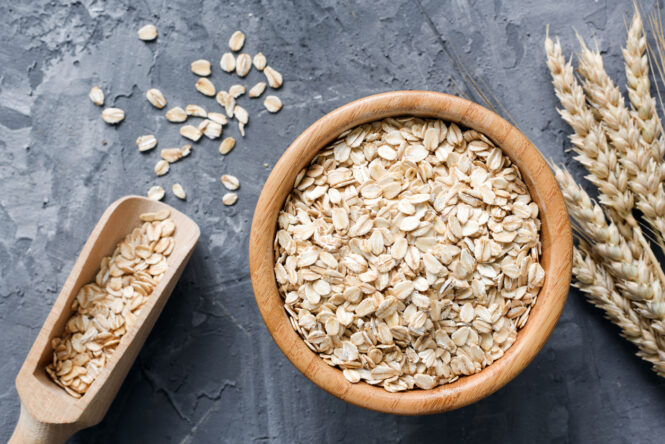
Swapping toast for a bowl of oats is one of the easiest fibre wins going. A basic bowl of porridge already gives you more fibre than most breakfast breads, and it keeps you fuller for longer so you’re not hunting for snacks by mid-morning. It’s also cheap, quick, and doesn’t need any lifestyle overhaul to stick with it. If plain oats sound boring, that’s where toppings quietly do the heavy lifting. A handful of berries, a sliced banana, or a spoon of ground seeds can push the fibre count up fast without changing how breakfast feels. You’re still eating a normal breakfast, it just happens to work harder for you.
2. Switch white bread and pasta for brown versions.
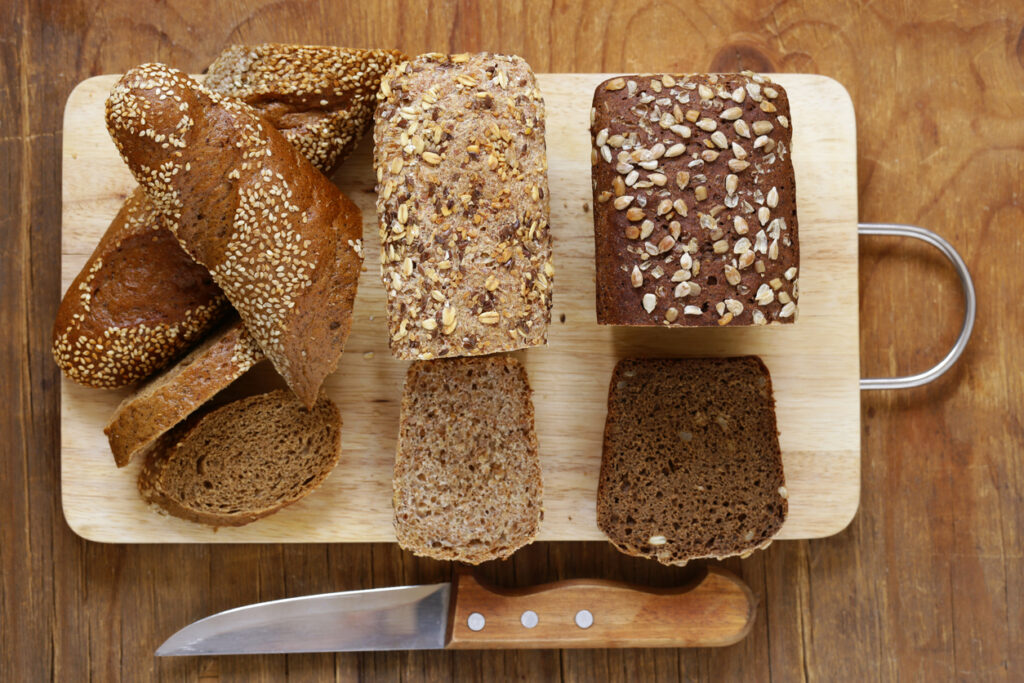
This one feels obvious, but it’s amazing how much fibre people miss by sticking with white carbs out of habit. Wholemeal bread and wholewheat pasta can double the fibre of the same meal without changing portions or cooking style. You still eat sandwiches, toast, pasta bakes, and spaghetti like normal. If you’re worried about texture, easing into it helps. Mixing white and wholemeal pasta together or choosing seeded bread instead of fully brown makes the change less noticeable. After a week or two, most people stop noticing the difference altogether.
3. Add beans or lentils to meals you already make.
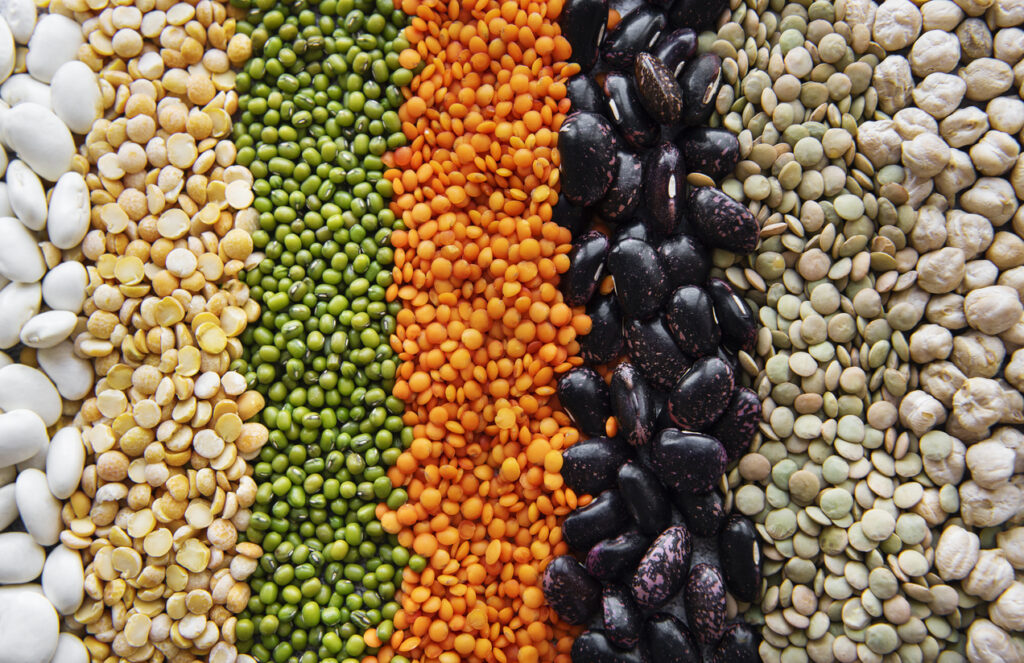
Beans are fibre powerhouses, and they fit into far more meals than people think. A tin of lentils stirred into a curry, chilli, or pasta sauce can double the fibre without changing the flavour much at all. You’re basically bulking out meals you already enjoy. They also stretch meals further, which helps with food costs. Even a small handful added to soups, stews, or mince dishes adds fibre quietly in the background. You don’t need to go fully plant-based to benefit from them.
4. Snack on fruit instead of low-fibre treats.

Most people snack anyway, so this is about swapping, not cutting out. An apple, pear, or handful of berries gives you fibre alongside sweetness, instead of empty calories that don’t fill you up. It’s a small shift that adds up fast across a day. Keeping fruit visible makes a big difference. A bowl on the counter or chopped fruit in the fridge turns it into the easy option when hunger hits. Once it’s there, you’re more likely to grab it without thinking.
5. Leave the skins on potatoes and veg.

A lot of fibre lives in the skins, and peeling vegetables quietly strips that away. Leaving potato skins on, roasting carrots whole, or not peeling courgettes instantly boosts fibre without changing what you eat. It’s the same food, just prepared differently. It also saves time in the kitchen, which never hurts. A quick scrub beats peeling every time, and roasted veg with skins often tastes better anyway. Less effort, more fibre is a solid deal.
6. Add seeds to meals without overthinking it.
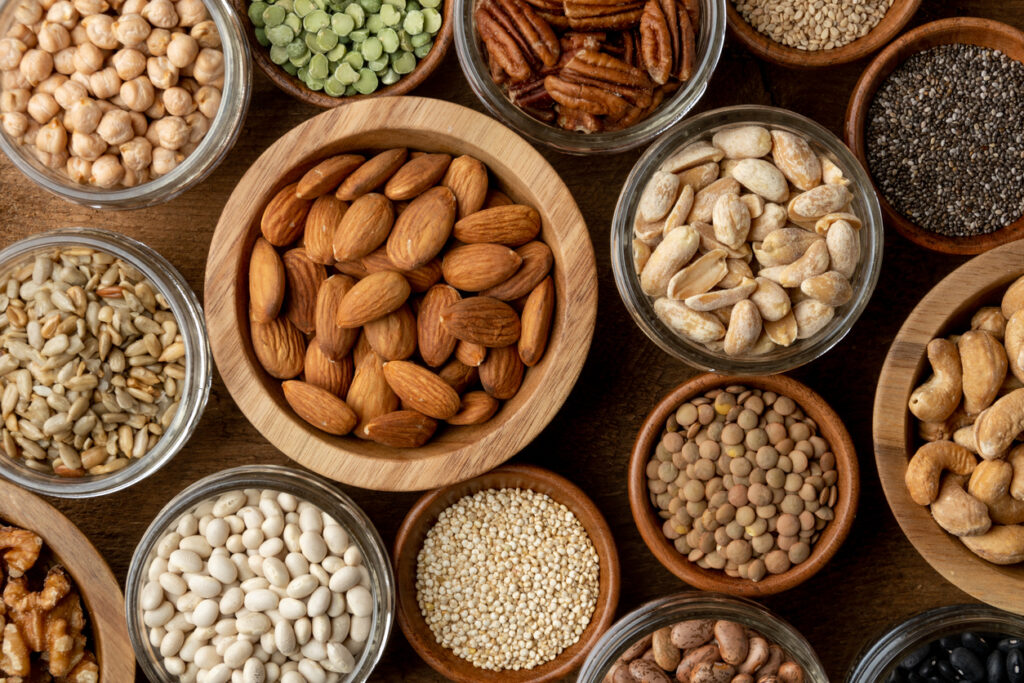
Seeds are an easy fibre upgrade because they disappear into food without changing much. Sprinkling chia, flaxseed, or mixed seeds onto yoghurt, porridge, or salads quietly bumps your intake. You don’t need huge amounts for them to count. Ground seeds are especially easy if texture puts you off. They blend into meals and work in smoothies, sauces, and even soups. Once it becomes habit, it barely feels like an extra step.
7. Choose wholegrain cereals over refined ones.
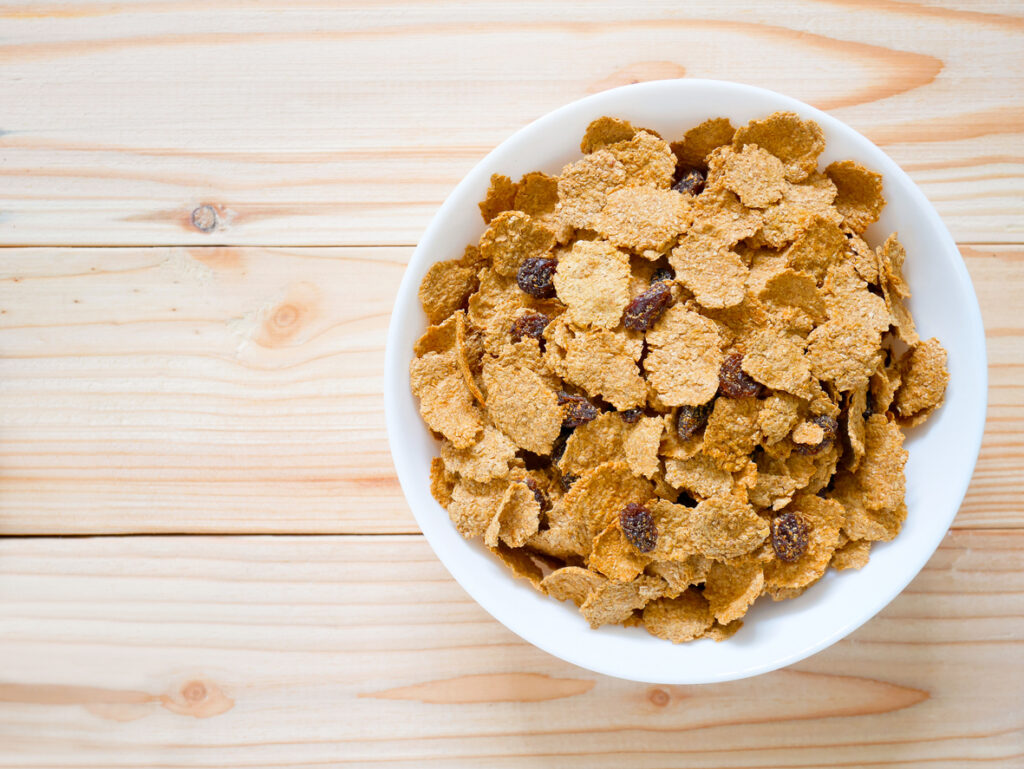
Many breakfast cereals look healthy but are low in fibre once you check the label. Switching to wholegrain options like bran-based cereals can instantly double the fibre in your morning routine. It’s one decision that repeats every day. If taste is a concern, mixing half high-fibre cereal with half your usual one works well. Over time, your palate adjusts and the sweeter stuff starts to feel unnecessary. Small changes stick better than forcing yourself through something you hate.
8. Bulk out meals with vegetables you already like.

You don’t need to love every vegetable to eat more fibre. Adding extra portions of the ones you already enjoy is enough. Extra peas in a curry, mushrooms in a stir-fry, or spinach stirred into pasta all add fibre without feeling like a chore. Frozen veg are just as good and often easier. They’re already chopped, last longer, and make it simple to add fibre at the last minute. Convenience matters more than perfection here.
9. Swap some meat portions for plant-based extras.

You don’t need to give up meat, just slightly rebalance the plate. Using a bit less meat and a bit more beans, lentils, or veg can double the fibre of a meal without changing its identity. It still feels like the same dinner. This also helps digestion feel lighter, which a lot of people notice quickly. Meals stay filling but sit better, especially in the evening. It’s a practical tweak rather than a dietary statement.
10. Spread fibre intake across the whole day.

Trying to cram fibre into one meal often backfires and feels uncomfortable. Spreading it across breakfast, lunch, dinner, and snacks keeps digestion happier and makes the increase feel natural. Little boosts add up faster than one big push. Thinking in terms of habits rather than totals helps. If each meal has a fibre-rich element, you’ll likely double your intake without counting anything. Consistency beats tracking every time.