If you’ve ever moved from the shadows of the Pennines down to the Big Smoke, you’ll know that the cultural divide is a lot wider than just a few hours on the M1.

It’s a classic bit of British friction; what we in the North consider a basic way of life is often met with a look of pure horror by someone from the Home Counties. There’s a certain grit and a “get on with it” attitude up here that doesn’t always translate well when you’re south of Watford Gap. You can be minding your own business, doing something totally normal, only to realise your Southern mates are looking at you like you’ve just started eating soup with your hands.
The truth is, Northerners have a very different bar for what counts as grim. Whether it’s our questionable culinary combinations or the way we handle a bit of sub-zero weather, there’s a whole list of habits that leave Southerners feeling a bit faint. It’s not that we’re trying to be difficult; it’s just that life is a bit different when you’re used to proper rain and a bit of industrial heritage. What they see as a total lack of standards, we usually just see as common sense or, quite often, the best part of our day. It’s a hilarious, slightly messy clash of worlds that shows just how divided the country really is when it comes to the small stuff.
1. Treating grey weather like it’s a lifestyle choice
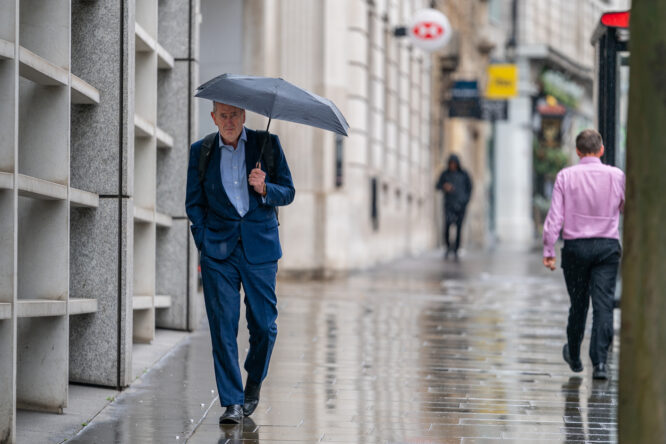
Northerners don’t just tolerate grey skies, they seem to embrace them. Rain isn’t a disruption, it’s just what’s happening, like traffic or emails. Coats stay unzipped, umbrellas stay folded, and there’s a strong sense that moaning about the weather is a bit dramatic. To Southerners, this reads as deeply grim, like everyone’s silently agreed that sunshine is a luxury they don’t deserve.
Down South, a single sunny afternoon can spark park picnics, iced drinks, and vague optimism about life. In the North, the same light drizzle that sends Londoners running for cover barely registers. There’s something impressive about it, but also unsettling. It’s as if joy has been weatherproofed out of the daily routine, and Southerners aren’t sure whether to admire it or feel sorry for everyone involved.
2. Having strong opinions about gravy at inappropriate times

Northerners will happily introduce gravy into meals where Southerners would never expect it. Chips, pies, sometimes things that really don’t need to be swimming in anything. It’s spoken about seriously too, with debates over thickness, colour, and whether it’s been made properly. To Southerners, this obsession feels heavy in every sense of the word.
In the South, gravy is more of an occasional guest, wheeled out for roast dinners and then politely put away again. Up North, it’s a regular presence, like a trusted friend who turns up uninvited but is always welcomed. Southerners tend to see this as a bit bleak, like comfort food taken to an extreme, especially when it’s treated as a personality trait rather than just a sauce.
3. Being brutally honest without any soft padding

Northern honesty is efficient and direct, with very little cushioning. If something’s bad, it’s bad. If someone’s late, they’re told. There’s no long preamble, no emotional warm-up, just the point delivered cleanly. Northerners see this as refreshing and respectful, while Southerners often hear it as harsh or even unfriendly.
Down South, feedback tends to come wrapped in politeness, caveats, and apologies. There’s an art to saying something negative without sounding like you mean it too much. When Northerners skip this dance entirely, Southerners can feel slightly winded, like they’ve been dropped into a conversation without the usual safety rails. It’s not that the message is wrong, it’s that it arrives without warning.
4. Finding bleak humour genuinely funny

Northern humour has a habit of circling dark topics and sitting with them. Jokes about misery, failure, and things going wrong aren’t just common, they’re comforting. Laughter comes from recognising how bad things can be, not from escaping it. To Southerners, this can feel a bit much, like joking at the wrong moment.
In the South, humour often leans towards awkwardness, irony, or social discomfort. It still has bite, but it tends to keep things light on the surface. When Northerners joke about hard lives, rubbish jobs, or relentless rain, Southerners sometimes don’t know whether to laugh or offer sympathy. The laughter is genuine, but the mood can feel heavy if you’re not used to it.
5. Treating work as something to get through, not impress at

Northerners often talk about work as a necessity rather than an identity. It’s something you do, not something you are. There’s pride in graft, but very little interest in dressing it up or pretending it’s glamorous. To Southerners, especially those in career-driven bubbles, this can feel oddly bleak, like ambition has been intentionally capped.
In the South, work often carries status. Jobs come with explanations, justifications, and future plans attached. People want to know where it’s heading. When Northerners shrug and say it pays the bills and that’s enough, Southerners can feel unsettled. It challenges the idea that everyone is supposed to be striving for something shinier.
6. Wearing practical clothes regardless of setting

Northerners have a strong commitment to practicality when it comes to clothing. Shoes are chosen for comfort, coats for warmth, and outfits for whether they’ll survive the day. There’s less concern about whether something looks right for the occasion and more about whether it’ll do the job. To Southerners, this can look a bit joyless.
Down South, clothes are often part of the experience. Dressing up slightly, even for small outings, is common. There’s a sense that looking nice is part of participating. When Northerners turn up in weatherproof layers and sensible footwear, Southerners sometimes read it as giving up, even though it’s really just a different set of priorities.
7. Accepting run-down places without romanticising them

Northerners are often matter-of-fact about areas that are struggling. There’s no attempt to sugar-coat boarded-up shops or tired high streets. They’re described as they are, without irony or branding. To Southerners, this straightforward acceptance can feel bleak, as if hope has quietly packed up and left.
In the South, there’s often a tendency to reframe decline with nicer language. Words like “up and coming” or “characterful” get used generously. Even rough edges are softened with a bit of charm. When Northerners don’t bother with that gloss, Southerners can mistake realism for resignation.
8. Eating early and treating dinner as fuel

Northerners often eat earlier in the evening, especially during the week. Tea is served, eaten, and cleared away without much ceremony. It’s nourishing, filling, and gets the job done. To Southerners, who might drag dinner out later and make an event of it, this feels strangely functional.
In the South, dinner can be a social anchor, something to look forward to after the day ends. There’s more emphasis on atmosphere and pacing. Watching Northerners eat quickly and move on can feel grim to Southerners, as if one of the day’s few pleasures has been reduced to a task.
9. Being emotionally reserved but deeply loyal

Northerners aren’t always expressive with feelings, especially verbally. Affection and care tend to show up through actions rather than words. Help is offered without fuss, and support is steady but understated. To Southerners, this can look emotionally cold at first glance.
Down South, people often talk things through more, even if it’s just to acknowledge them. Feelings are named and discussed. When Northerners skip that step, Southerners might assume distance or indifference. Over time, though, many realise the loyalty runs deep, even if it’s rarely announced.
10. Laughing off hardship as just how things are

When things go wrong, Northerners are quick to shrug and carry on. Complaints are brief, if they happen at all, and there’s a strong sense that dwelling on problems doesn’t help. To Southerners, this stoicism can feel bleak, like pain has been normalised to the point of invisibility.
In the South, there’s often more space made to talk about struggles, unpack them, and seek solutions out loud. Watching Northerners crack a joke and move on can feel unsettling, as if something important has been skipped. But for Northerners, that resilience isn’t grim, it’s survival learned over time.