Brushing your teeth feels like one of those things you’ve got completely under control.

After all, you’ve been doing it since you were a kid. But even the most diligent brushers often get a few key parts wrong without realising it. Those small slip-ups can make a big difference to your teeth and gums in the long run.
Dentists see the same habits crop up again and again, and they’re usually easy to fix once you know about them. A few tweaks to your routine can mean the difference between just brushing your teeth and actually protecting them properly. Here are the most common mistakes people make every day without thinking twice.
1. Brushing too hard
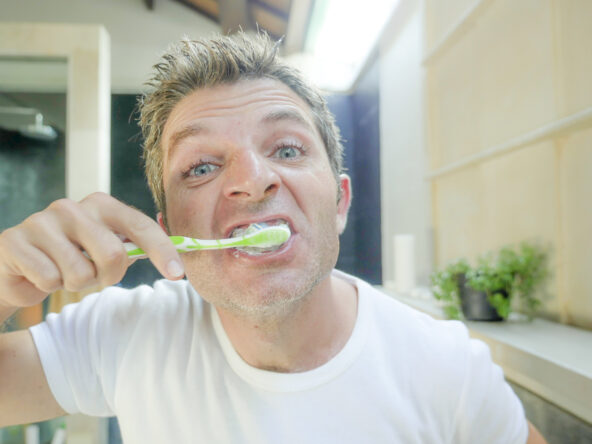
Scrubbing like you’re polishing a floor doesn’t clean better, it just wears things down. Using too much pressure can strip enamel and push gums back, leaving teeth sensitive and vulnerable. You might even spot tiny dents near the gum line caused by overzealous brushing.
The fix is to let the bristles do the work. Hold the brush lightly, use small circular movements and pick a soft-bristled brush. Think gentle massage, not scouring pad. Your teeth need care, not punishment.
2. Using the wrong toothbrush
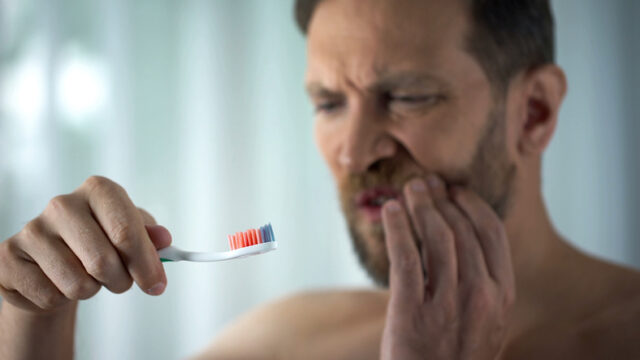
A brush that’s too large, too firm or past its best will never do the job properly. Old bristles fray and flatten, which means they miss spots and can actually trap bacteria. Even the best brush loses its edge after about three months of use.
Check your brush monthly and swap it out as soon as the bristles start to splay. Make sure the head fits comfortably in your mouth and reaches those back molars. A soft-bristled brush is almost always the safest choice, unless your dentist says otherwise.
3. Rushing through brushing

Most people barely make it past 45 seconds, but proper brushing needs two full minutes. When you rush, you’re almost guaranteed to skip hard-to-reach areas and leave plaque behind, especially along the gum line and behind your molars. Set a timer or use an electric brush with a built-in one. Move systematically: outside, inside, top surfaces, then the tongue. Two minutes twice a day sounds simple, but it makes a huge difference over time.
4. Brushing straight after eating
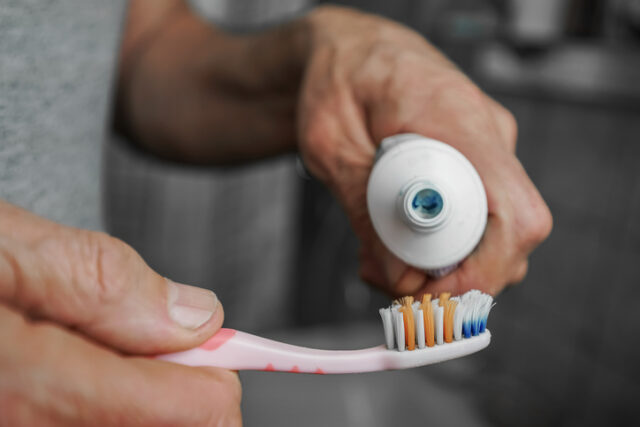
If you’ve just had a coffee, orange juice or anything acidic, brushing right away can make things worse. Acid temporarily softens enamel, and scrubbing too soon can wear it down instead of cleaning it. Wait about 20 to 30 minutes after eating or drinking something acidic. Rinse your mouth with water or chew sugar-free gum in the meantime. That allows your saliva to restore the enamel’s strength before you go in with the brush.
5. Ignoring the gum line
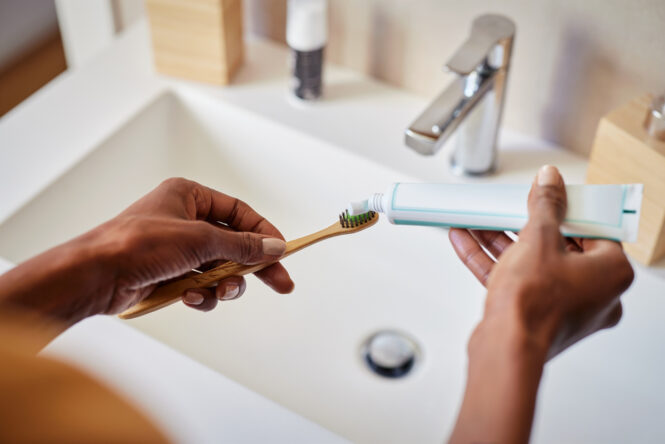
It’s easy to focus on the visible surfaces of your teeth and forget where gum meets tooth. That tiny border is where plaque builds up first and where gum disease begins if you leave it unchecked. Tilt your brush at a 45-degree angle and use small circular motions, so the bristles gently reach under the gum line. This little adjustment helps prevent inflammation and keeps your smile looking healthy, not swollen or sore.
6. Using the wrong technique

Brushing side to side like you’re sawing wood doesn’t remove plaque efficiently. It just roughs up your enamel and irritates your gums. A better approach is short, circular motions that cover a few teeth at a time. Focus on guiding the brush rather than scrubbing with force. If you’re unsure about your form, ask your dentist for a quick demo at your next visit; they’ll usually be happy to show you the right angle and motion.
7. Forgetting to brush the tongue

Your tongue harbours bacteria that cause bad breath and affect overall mouth health. Leaving it uncleaned means those germs linger even after you’ve brushed your teeth to perfection. Use the back of your toothbrush or a tongue scraper to gently clean the surface from back to front. It takes seconds but helps eliminate odour and keeps your whole mouth fresher for longer.
8. Skipping the inner surfaces

The insides of your teeth are easy to neglect, especially the backs of lower front teeth. Plaque tends to accumulate there because saliva pools in that area, creating perfect conditions for buildup. Angle your brush vertically and use gentle up-and-down strokes behind each front tooth. Cover both upper and lower rows so you’re not leaving a hidden layer of plaque behind that eventually hardens into tartar.
9. Not using fluoride toothpaste properly

Fluoride strengthens enamel, but many people rinse too vigorously straight after brushing, washing it away before it can do its job. You only need to spit, not rinse, so the fluoride stays in contact with your teeth a little longer. Use a pea-sized amount of toothpaste and focus on coating all surfaces evenly. After brushing, just spit out the foam. Let the leftover fluoride linger; it’s a protective layer, not something to rush down the drain.
10. Storing your toothbrush incorrectly

Keeping your brush in a closed container or too close to the toilet invites bacteria. Brushes need airflow to dry out properly between uses, or you risk creating a damp breeding ground for germs. Store it upright in an open holder away from splashes and other brushes. Letting it air dry fully keeps it cleaner and makes it last longer, which means better hygiene and fewer reasons to worry about what’s living on those bristles.