After spending a week in London and taking a quick train up to Edinburgh, plenty of tourists head home thinking they’ve cracked the code on what it means to be British.

It’s a classic case of seeing a few castles and a red bus and assuming the entire country is some kind of quaint, historical theme park where everyone stops for tea at 4 pm. In reality, a whistlestop tour of the major landmarks gives you about as much insight into the UK as a trip to Times Square gives you into life in rural Nebraska. You end up with a head full of stereotypes that don’t match the actual daily grind of living here.
The issue with these surface-level visits is that they miss all the messy, modern bits that actually make the country what it is. Americans often fly home convinced that everyone knows the King personally or that we all speak like we’re in a period drama, completely ignoring the fact that the UK is a massive mix of cultures, accents, and very un-royal problems. It’s funny how a single visit can make someone feel like an expert on our geography, our food, and our social quirks, even though they’ve barely scratched the surface. Nevertheless, these 12 things are the biggest myths tourists tell themselves once they’ve got a single stamp in their passport.
1. They think the whole country is just London.

Spending a week in the capital doesn’t mean you’ve experienced Britain, but many Americans return home talking about “the UK” when they’ve only seen one city. London is completely different from the rest of the country in terms of pace, cost, culture, and even how people interact. Visiting Manchester, Edinburgh, Cornwall, or rural Wales would show you entirely different versions of British life. It’s like visiting New York and claiming you understand all of America, but tourists do it constantly.
2. They’re convinced everyone speaks like they’re in a period drama.
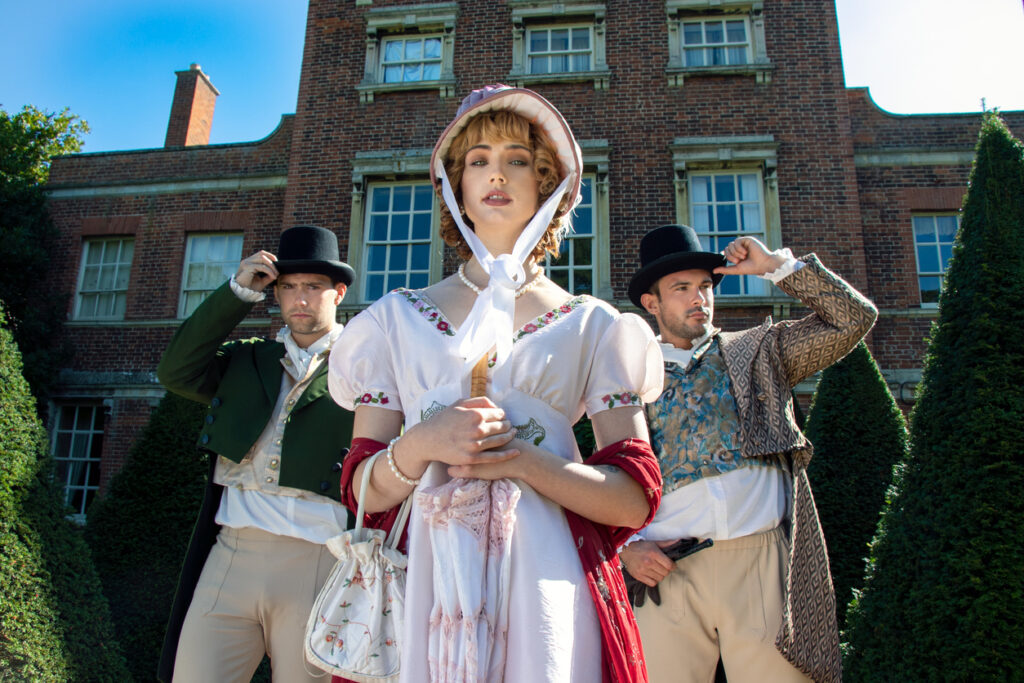
Americans arrive expecting Downton Abbey accents and are genuinely confused when they hear Scouse, Geordie, or Glaswegian dialects. The reality is that British accents vary wildly across regions and social classes, and most people don’t sound like they’re addressing Parliament. You might meet someone in Birmingham whose accent is completely impenetrable, or chat with a Londoner who drops their T’s and H’s. The posh accent tourists expect exists, but it’s not remotely representative of how most British people actually speak.
3. They think tea drinking is a cute quirk rather than genuine culture.
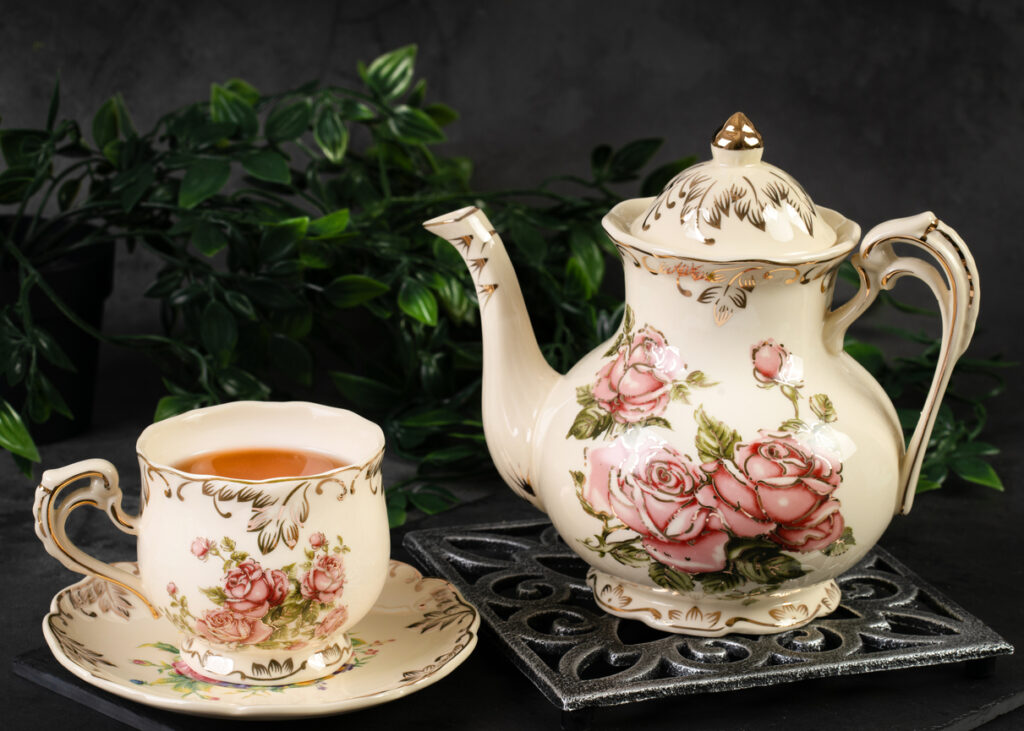
Visitors see afternoon tea as a tourist activity with fancy sandwiches and scones, which isn’t how normal people experience tea at all. For most Brits, tea is the default response to any situation, from crisis to celebration to boredom. You don’t book it at a hotel, you just make endless cups throughout the day in your own kitchen. It’s not about being quaint or traditional, it’s just what you do when you need a minute or want to feel normal again.
4. They assume everyone’s obsessed with the Royal Family.
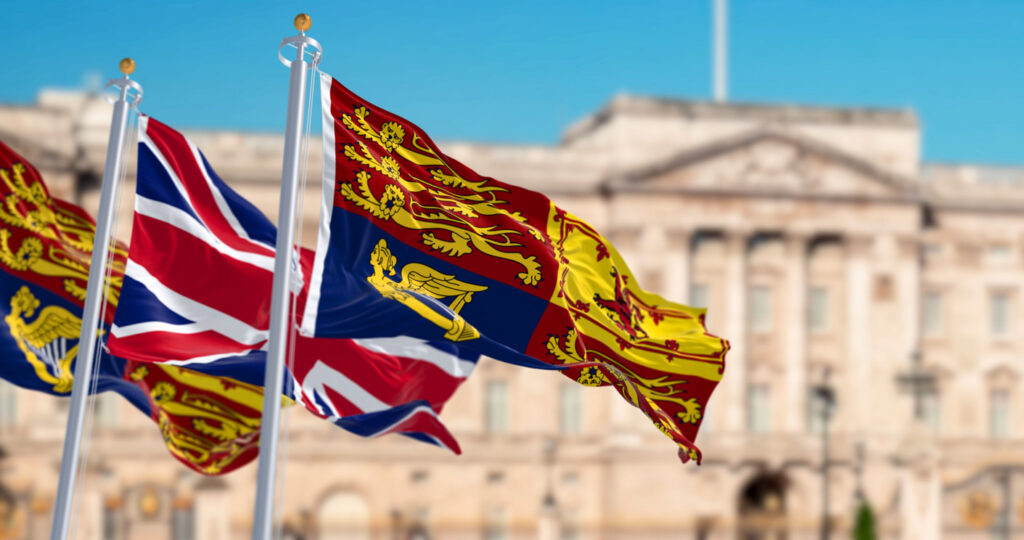
American tourists often bring up the royals constantly because they think that’s what British people care about. The truth is that opinions on the monarchy vary massively, and plenty of people are completely indifferent or actively republican. Some Brits follow royal news closely, while others couldn’t tell you the order of succession if you paid them. It’s not the unifying national obsession that visitors imagine, it’s just one topic among many that people have different views on.
5. They think British food is either terrible or just fish and chips.
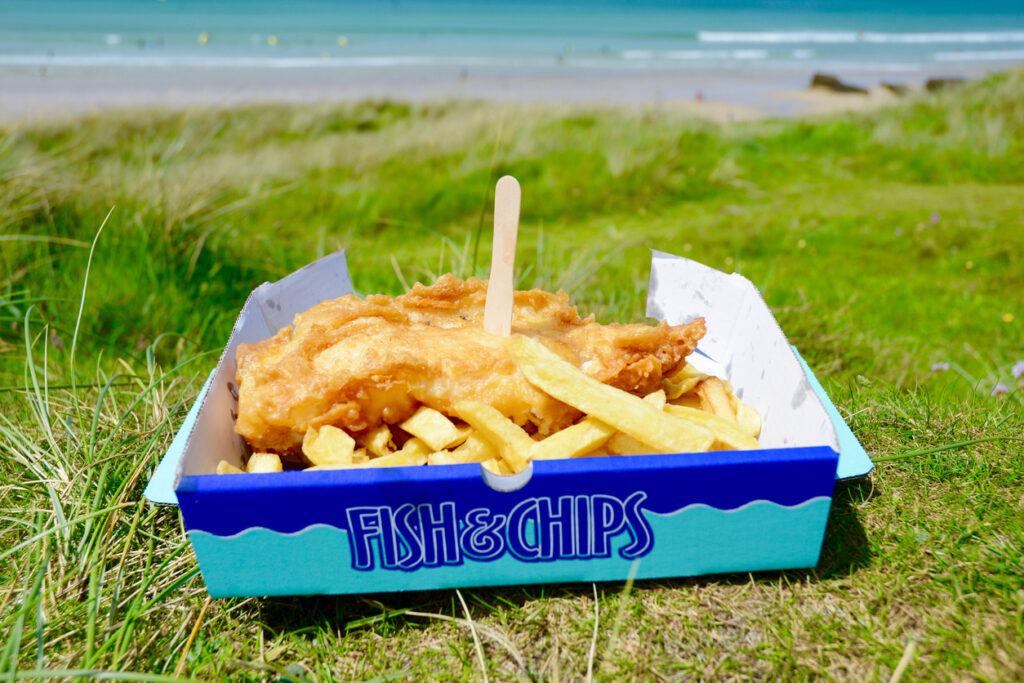
The reputation for bad food lingers, but modern British cuisine has improved dramatically and varies by region. You can get excellent food across the country, from proper curries to innovative restaurant menus to decent pub meals. Fish and chips is something most Brits eat occasionally, not constantly, and there’s a whole food culture that tourists miss when they stick to tourist areas. The stereotypes about boiled vegetables and bland cooking are decades out of date.
6. They believe everyone’s incredibly polite and reserved all the time.

British people can be polite in formal situations, but we’re also sarcastic, blunt, and perfectly capable of being rude when the situation calls for it. The reserved stereotype comes from not chatting to strangers on public transport, which is just normal behaviour rather than coldness. Get British people in a pub or at a football match, and you’ll see a completely different side. Politeness is situational, not a permanent personality trait.
7. They’re sure the weather is always grey and rainy.
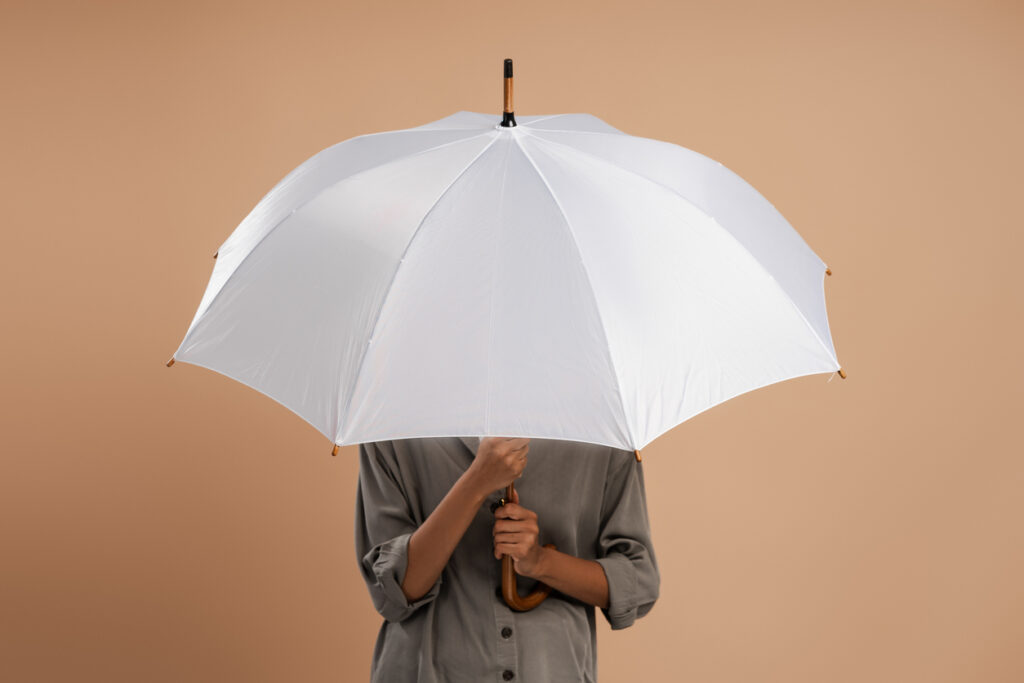
Visitors who come during a typical drizzly week think they’ve experienced British weather, but we do actually have seasons. Summer can be genuinely lovely, spring brings proper sunshine, and we get cold, clear winter days that aren’t just constant rain. The weather is unpredictable and often disappointing, but it’s not literally raining every single day. Americans who visit in November and assume that’s year-round conditions have missed quite a lot.
8. They think everyone lives in old cottages or historic buildings.
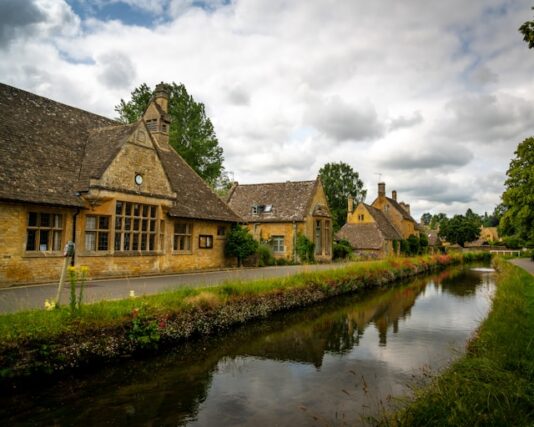
Tourists see the picturesque villages and Georgian terraces and imagine that’s typical housing, when most Brits live in normal suburban houses or modern flats. We’ve got plenty of ugly 1960s developments, identical housing estates, and unremarkable buildings that don’t make it onto postcards. The chocolate box cottages exist, but they’re expensive, often impractical, and not remotely representative of where most people actually live their daily lives.
9. They assume healthcare is completely free with no waiting or problems.

The NHS is free at point of use, but Americans often think that means instant, perfect care with no issues whatsoever. In reality, waiting lists can be months long, getting GP appointments is increasingly difficult, and the system has serious problems with funding and staffing. It’s still better than going bankrupt from medical bills, but it’s not the flawless utopia that some visitors imagine. British people complain about NHS struggles constantly because the situation is genuinely frustrating.
10. They believe everyone’s constantly going to pubs.

Pub culture is real, but not every British person is propping up the bar every evening. Plenty of people rarely go to pubs, preferring to drink at home or not drink at all. Younger generations especially are drinking less and using pubs differently than previous generations did. Tourists see busy pubs in central locations and assume that’s everyone’s daily routine, when actually pub attendance has been declining for years.
11. They’re convinced British people are obsessed with them being American.

Some tourists think their accent makes them instantly fascinating to locals, when actually most British people are perfectly used to American visitors. You’re not exotic or particularly interesting just because you’re from the States, you’re one of millions of tourists who pass through. British people are generally friendly enough, but not desperate to hear about your trip or your opinions on Britain. It’s not hostility, it’s just that American tourists aren’t the novelty some visitors seem to expect.
12. They think they understand British humour after watching a few comedy shows.

Watching The Office or Fleabag doesn’t mean you’ve cracked the code of British humour, which relies heavily on context, timing, and knowing when someone’s being sarcastic. Americans often miss the dry delivery or take jokes literally because the tone doesn’t match what they’re used to. British people make fun of themselves and each other constantly in ways that can seem harsh if you don’t understand the dynamic. You can’t learn it from a week’s visit, it takes time to recognise when someone’s joking versus when they’re genuinely complaining.