There’s something oddly comforting about the myths Britain tells itself about unity, greatness, or timeless identity.

However, most of it doesn’t hold up when you start pulling at the thread. Beneath the surface, it’s more patchwork than polished story, and people tend to pick and choose the bits that are most convenient for them to believe about who they are and where they come from. Here are 12 things in particular that Brits are still slightly delusional about, and why it’s worth being aware of.
1. Sorry, but the UK hasn’t always been a united, cohesive nation.

The idea of a long, stable British identity is comforting, but it’s just not true. The UK was once a collection of rival kingdoms that barely got along, and even when it was technically “unified,” local identities, customs, and divisions never really disappeared. Even today, the gap between the North and South is more than economic. It’s cultural and political, too. England in particular might be drawn as one shape on the map, but the lived experience is far from a single story.
2. England is a nation with its own nationalism, unfortunately.

Ask most people about nationalism in the UK, and they’ll mention Scotland or Wales. England somehow avoids being seen as nationalistic, even while flying flags and getting nostalgic for empire. It’s the only part of the UK without a devolved government, yet still manages to centre itself in every national conversation.
This subtle dominance gets mistaken for neutrality, but it’s not. Englishness has become a form of nationalism. It’s just rarely named that way, and pretending it’s not political has made it harder to question.
3. The country is definitely not “post-imperial,” and it hasn’t moved on.
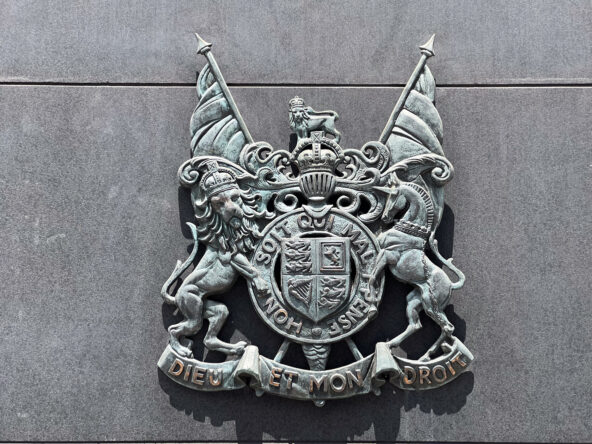
There’s a story we like to tell: that we left the empire behind with dignity, passed on democracy, and stayed globally respected. However, Britain’s sense of self is still heavily tied to that era. It shows up in politics, in the media, in how we think people see us abroad. The empire may be gone, but the delusion that it ended well, or that it didn’t shape modern inequality and tension, still lingers. The past isn’t the past when it’s still shaping the stories we live by.
4. Unfortunately, thee “special relationship” doesn’t really mean anything anymore.

Every time a US president visits, we wheel out the same tired phrases about shared values and historic bonds. The truth is, though, we’re not the first number in America’s phone book anymore, if we ever really were. Clinging to that idea lets the UK feel powerful without having to ask tough questions about where it actually fits in the world. It’s a safety blanket, not a strategy.
5. London doesn’t speak for the whole country.
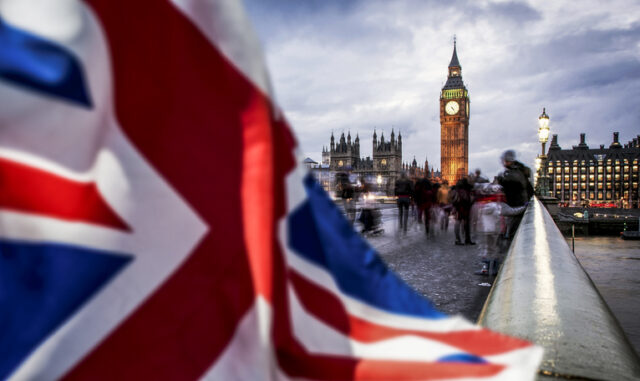
Power’s concentrated in the South, and London is often treated like the capital of everything: media, politics, wealth, etc. However, huge parts of England feel alienated, underrepresented, and invisible. They don’t see themselves in the stories being told from the top. We call it “levelling up” and pretend it’s a new issue, but the truth is, this divide has existed for centuries. England isn’t one place. It’s dozens of realities that rarely get equal attention.
6. Our constitution isn’t strong just because it’s old.
The UK loves tradition. We tell ourselves that our unwritten constitution is somehow superior because it’s been around so long. However, the cracks are showing in the lack of clarity, loopholes, and a constant power tug-of-war. Just because something’s old doesn’t mean it’s working. The system was built for a country that doesn’t really exist anymore, and pretending otherwise just makes reform harder to talk about.
7. British values are most certainly not universal and neutral.

There’s a tendency to believe that British values, such as fair play, common sense, and moderation, are just “normal.” However, those are cultural beliefs, not neutral truths. They don’t reflect everyone’s experience, and they can easily be used to shut down change. By acting like Britishness is just the default, we make it harder to see how the system was built to centre one particular worldview while sidelining others.
8. The monarchy doesn’t particularly unite the country.
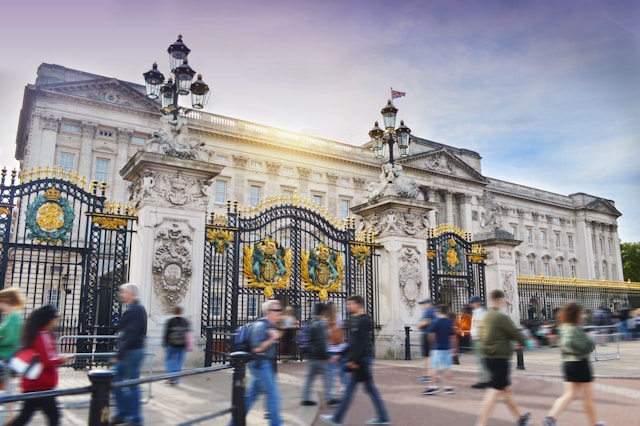
It’s still sold as this symbol of unity, something above politics, but in reality, it’s become another dividing line. For some, it’s tradition and pride. For others, it’s outdated, unfair, and linked to inequality and colonialism. We can’t keep pretending it’s apolitical. It might once have been a glue, but now it’s more like a very shiny plaster covering deeper cracks.
9. British institutions aren’t really fair, nor are they functioning very well.
There’s a strong belief in the system: think Parliament, the BBC, the courts. However, that faith often masks just how unaccountable some of these institutions have become. Power still largely circulates among the same types of people, and scrutiny is often performative. We like to think our systems are above the chaos we see elsewhere, but the last few years have shown how easily they can be gamed. Respecting institutions is fine, but blindly trusting them is something else.
Being “moderate” isn’t always the better choice.

Moderation is a national obsession. The idea that being in the middle makes you more reasonable or clever is baked into British political culture, but that’s not always the case. In fact, sometimes moderation is just fear of change masquerading as wisdom. It’s why big problems such as climate, inequality, and racism keep getting nudged down the line. Being moderate isn’t always a virtue when the moment calls for more than a shrug and a compromise.
11. Being British isn’t just “being normal.”

British identity is so rarely talked about openly that it often gets treated like air—just there, invisible, assumed. However, that lack of self-awareness makes it harder to see how exclusive and contradictory it can be. It makes many people feel like outsiders, even if they’ve lived here their whole lives because if Britishness is never defined, it becomes something people are expected to quietly “fit into,” without ever being invited to shape it.
12. Sorry, but the past wasn’t simpler, better, or more united.

Nostalgia is addictive. It shows up in political campaigns, national events, even supermarket adverts. Unfortunately, the version of the past that gets remembered is often whitewashed, selective, and sanitised. It skips over struggle, division, and resistance. There’s nothing wrong with loving parts of the past, but pretending it was some golden age we need to “return” to is a distraction, and it keeps us from building something better now.