“Political correctness” gets thrown around a lot, sometimes as a punchline, sometimes as a serious concern.

While plenty of complaints about it are just cover for saying offensive stuff without consequences, there are some arguments that deserve a closer look. Not every critique is rooted in bad faith. In the UK especially, where humour, class, and culture are often tangled up, the debate gets more complicated than just “being nice” vs “being offensive.” Here are some reasons people push back, and why a few of them might actually hold weight.
1. It sometimes makes honest conversations harder.
There’s a real difference between being deliberately offensive and accidentally saying the wrong thing while trying to understand someone. But for some people, political correctness has blurred that line. They’re worried that a poorly worded question will lead to outrage rather than education, so they say nothing at all.
This hesitation can shut down genuine curiosity and make people feel like they have to walk on eggshells. When the goal is better understanding, the fear of saying the wrong thing can ironically keep people stuck in ignorance instead of helping them grow.
2. It can create an illusion of progress.
Using the right words and labels is important, but sometimes it ends up being a surface-level fix. Companies, politicians, and institutions might update their language without actually changing the systems that cause harm in the first place.
This creates a situation where everything sounds inclusive on paper, but people’s real-life experiences don’t improve. It’s easy to swap out phrases and think the job’s done, while ignoring the more difficult work of making those changes mean something.
3. Some working-class people feel left behind by the language.

The way political correctness is often discussed, especially online or in academic settings, can feel completely disconnected from everyday life for a lot of people. If you’re working a zero-hour contract or trying to get through the day, debates about ever-changing terminology can feel like a luxury that doesn’t include you.
This disconnect creates resentment. It’s not that most people don’t care about treating those around them well because they do. However, when they’re made to feel ignorant or out of touch just for not keeping up with the latest phrase, it can feel like yet another way they’re being talked down to.
4. It can unintentionally silence important criticism.

There’s a difference between prejudice and holding a valid concern, but sometimes political correctness doesn’t leave room for that nuance. If someone points out issues within a particular community, religion, or identity group, they might be labelled bigoted before their point is even heard.
This can create a culture where necessary conversations get avoided out of fear of being misunderstood. Not all criticism is hateful, and it’s possible to want progress while also asking tough questions, but that balance often gets lost.
5. It sometimes focuses on the wrong battles.
People often joke that councils will ban Christmas or rebrand things to avoid “offending” someone. While many of those stories are exaggerated or made up, the fact they spread so easily says something. People see political correctness tackling things that don’t seem urgent, while bigger problems go untouched.
When energy goes into renaming a sandwich or rewriting a nursery rhyme, but racism, inequality, and access to healthcare are still massive issues, it’s understandable why people feel frustrated. It makes the whole thing look performative, even when the intent was good.
6. British humour doesn’t always land in a PC framework.

The UK has a long tradition of sharp, irreverent humour, often used to deal with uncomfortable topics. The problem is that political correctness can make this kind of humour feel riskier, even when it’s not meant to harm anyone. Jokes get taken out of context, or comedians pull back entirely to avoid backlash.
While some humour clearly does cross the line, there’s also a case for recognising cultural tone. Not every sarcastic comment or dark joke is rooted in prejudice, and if we lose that nuance, we risk flattening a big part of how people express frustration, affection, or even solidarity.
7. It can make people defensive instead of reflective.

When people feel scolded, they rarely change. Instead, they double down. Political correctness, when presented as a moral checklist, can push people into defensiveness instead of self-awareness. That’s especially true if they feel like they’re being shamed rather than helped to understand.
This defensiveness often becomes the very thing people criticise: digging in, being dismissive, or rejecting new ideas entirely. But it’s a reaction that comes from feeling excluded or talked down to, not necessarily from cruelty or bad intent.
8. The “rules” change so quickly, it’s hard to keep up.
Language evolves, and that’s a good thing. However, for many people, the pace at which acceptable terminology changes feels overwhelming. Words that were standard five years ago are now considered outdated or even offensive, and that change can feel confusing if you’re not online every day.
Instead of refusing to learn, some people are simply struggling to keep up. When people feel they’ll get shouted down for using a term they heard just a year ago, it discourages conversation and makes learning feel like a minefield instead of a process.
9. It’s sometimes used to shut people up, not include them.
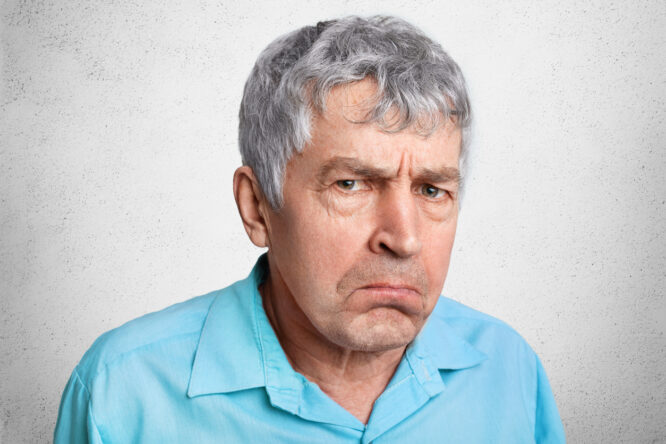
In the best cases, political correctness is about making people feel safe and respected. But in practice, it can be used as a weapon to shut people down. People point fingers, pile on online, or discredit those around them based on one poorly chosen word, sometimes without any attempt at understanding the context or intent.
This punitive approach doesn’t encourage inclusion. Instead, it creates fear. And when people feel like one slip-up will get them cancelled, they disengage completely. That doesn’t lead to progress. It just deepens the divide.
10. Real offence is subjective.
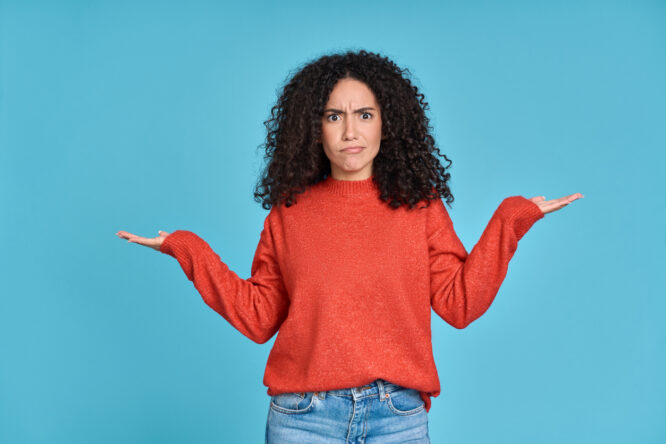
What offends one person might not bother someone else at all. That makes defining what’s “acceptable” tricky, especially when trying to create broad rules. Sometimes it leads to over-correcting, where people assume offence will be taken, even when it wouldn’t have been.
This can result in self-censorship that feels unnecessary or artificial. While it’s good to be considerate, there’s also value in acknowledging that offence isn’t always universal, and that people don’t all want to be protected in the same way.
11. It can make people feel fake.

Some people feel political correctness forces them to use language that doesn’t reflect how they naturally speak. Not because they want to be offensive, but because they worry their tone or word choice will be judged, even if their intent is kind. This pressure can make interactions feel stilted or awkward, especially when people are trying to be supportive. Instead of real connection, they end up feeling like they’re performing a script, which helps no one in the long run.
12. Not everyone wants the same level of protection.
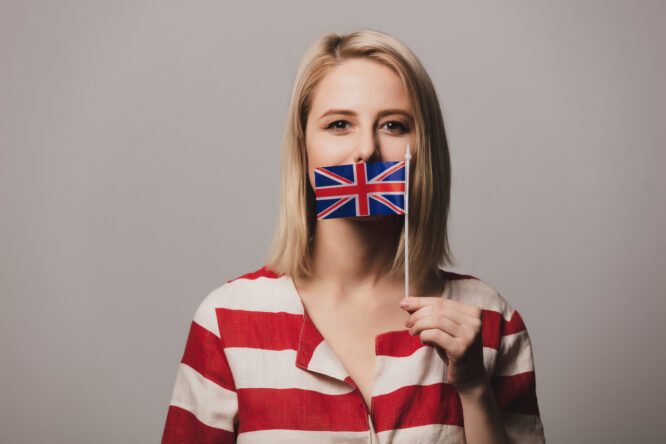
Some people appreciate politically correct language because it makes them feel seen and respected. However, others find it unnecessary or patronising. People within the same group don’t always agree on how they want to be spoken about, and that’s rarely acknowledged in these debates. Assuming there’s one correct way to speak about identity flattens individual experience. Respect looks different to different people, and that’s something even well-meaning efforts sometimes forget.
13. It can make class tensions worse.
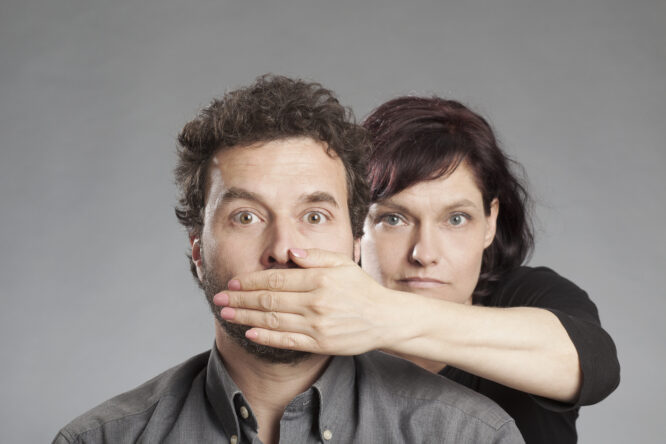
When political correctness is talked about in a way that feels middle-class or academic, working-class people often feel left out of the conversation. They’re told they’re using “the wrong language,” without anyone asking how they actually treat the people around them.
This creates a divide where respect is measured by vocabulary, not behaviour. That’s a problem because someone can use the right words and still be completely dismissive, while someone else might speak plainly and treat people with deep respect. Words matter, but they’re not the whole story.