People talk about rejoining like it would be a quick fix, but the truth is the country wouldn’t be walking back into the same relationship it had before.
The EU has changed, and so has the UK, and a lot of the old arrangements that kept things comfortable for us no longer exist. The idea sounds tidy until you actually look at what it would involve.
If Britain ever tried to re-enter, the process would be long, technical, and full of compromises that people aren’t expecting. It wouldn’t be a case of pressing reverse. It would be a brand new negotiation with rules that already exist, and the UK would have to adapt rather than dictate terms like it once did. Here are some of the realities we’d have to face.
1. We’d lose the opt-outs we once had.

Before Brexit, the UK had unusual privileges like being outside the euro and certain justice rules. Those weren’t standard; they were negotiated when the EU was much smaller and more flexible. If we rejoined now, those exceptions wouldn’t automatically exist.
We would be entering as a new applicant, which means taking the same conditions other countries take. That includes financial contributions, borders, and regulations we once pushed back on. People would need to be prepared for a version of membership that looks stricter and has far less tailoring to British preferences.
2. We’d have to re-apply from scratch.

Leaving wiped the slate clean in the eyes of EU law. Returning isn’t a matter of asking politely or picking up where we left off. The UK would have to go through the full entry process just like any other applicant. That includes approval from every existing member state. It would involve long negotiations, screening, legal reviews and endless political conversations. The country would need patience because there’s no fast track simply because we used to be part of it.
3. We’d become “rule takers,” not rule makers.
New members don’t get influence on rules immediately. They follow the existing framework and only later gain proper weight in decisions. That means regulations around food, trade, digital markets, farming, and workplace standards would come from Brussels while the UK slowly rebuilt influence. People would need to decide how much they value stability if it comes at the cost of control, at least for the first few years. It would take time to be taken seriously again inside EU decision-making.
4. There’d be a significant financial cost.
Before Brexit, the UK had a rebate that lowered contributions. That was negotiated decades ago and was already unpopular with many member countries. Rejoining doesn’t guarantee that kind of deal again. We would be expected to contribute the way new members do, and that would be noticeable in the national budget.
Any government attempting this would need to explain why those contributions mattered and what the country was gaining in return. Otherwise, it would become a political argument from the very start.
5. Farming and food regulations could get more expensive.
After leaving, the UK adjusted a number of farming standards and food rules. Re-entering the EU would mean changing them again and lining up with European standards that are often more expensive to implement. That could affect the price of groceries and the cost of running farms. Producers would need support, guidance and possibly financial help to get through another major adjustment. Without proper planning, the industry could take a hit while trying to keep up with new requirements.
6. Trade deals with non-EU countries could be disrupted.

Since Brexit, the UK has created its own trade agreements. Joining the EU again could mean giving some of these up or reshaping them so they match European policy. That would disrupt businesses that have already reorganised supply chains once already. Companies would need very clear timelines and help making fresh arrangements. Otherwise, confidence in British exports could wobble all over again.
7. Economic uncertainty wouldn’t disappear overnight.
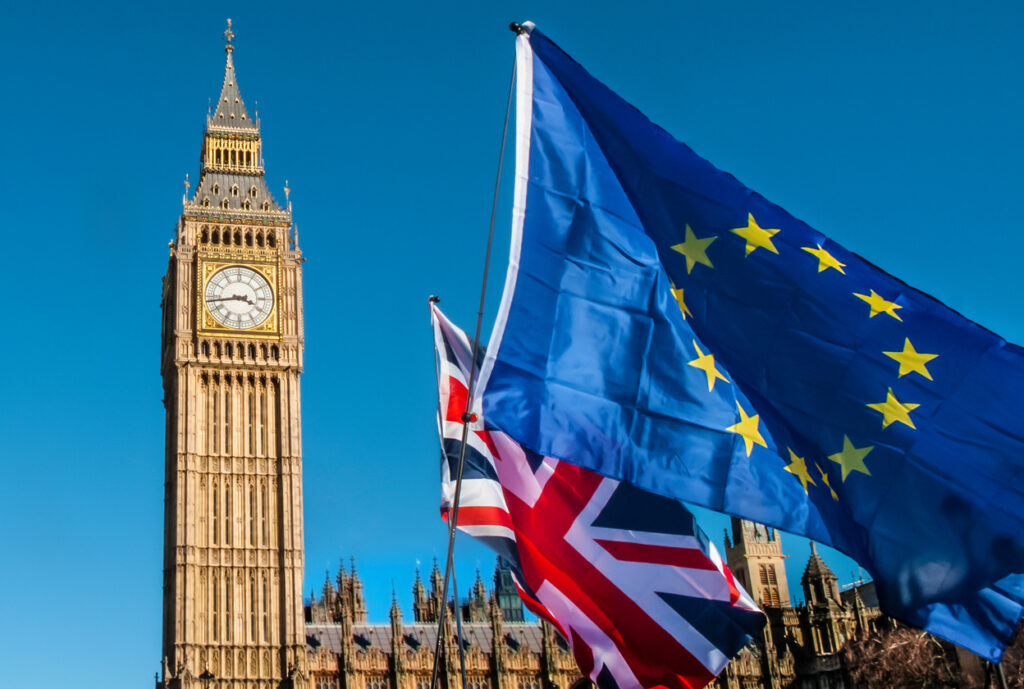
Joining wouldn’t mean instant calm. Businesses would need time to adjust to new rules, supply chains would need rewiring, and nobody could predict exactly how markets would react. The country would basically be starting another long period of transition. Clear guidance from government would be essential. Without that, companies would be left guessing again, and we already know what uncertainty does to investment and planning.
8. Old advantages might not come back.

A lot of people imagine things going straight back to how they were before Brexit. That’s unlikely. The global economy has moved on, and the EU has brought in new priorities and relationships since the UK left. Some of the comfort we had before simply doesn’t exist anymore. Some benefits may return eventually, but others could be slower or look different than people remember. Expecting an instant rewind would only lead to disappointment.
9. Some EU members may not want us back.

It’s easy to assume the EU would be thrilled to have Britain return, but there are member states who remember years of conflict and negotiation fatigue. Some leaders openly worry that the UK could cause trouble or attempt to leave again. Rebuilding trust would be a slow job. Britain would need to show genuine long-term commitment, rather than slipping back into old habits of arguing with Brussels at every step.
10. Our laws would need to align with EU standards again.

Since Brexit, dozens of rules have changed in ways that don’t match current EU standards. Rejoining would require rewriting a huge amount of legislation across multiple sectors, including trade, environment, business, data, and consumer protection. That takes years of legal work and careful planning. People and industries would need clear explanations instead of vague promises.
11. It could reopen major political divides.
Brexit was one of the most emotionally charged political events in modern British history. Talking about rejoining risks reopening those same divides. Entire regions are still split over the subject, and even families are still tense about it. If the country ever discussed re-entry seriously, politicians would have to handle it responsibly or risk a fresh wave of anger and confusion.
12. Some industries would face a second round of upheaval.

Fishing, farming, finance, manufacturing, customs, and transport all had to redesign their systems after Brexit. Rejoining would force many of them to do it again. That means more spending, more paperwork and more uncertainty. Support would be needed, so those industries didn’t feel punished twice. If not, frustration could turn into political backlash very quickly.
13. The process would be long and frustrating.
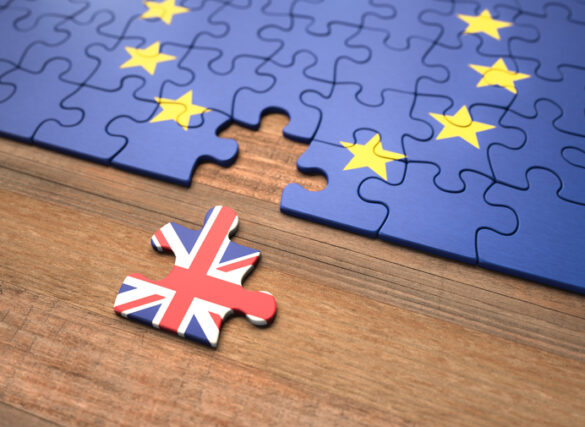
Rejoining wouldn’t be quick. Even optimistic estimates stretch into several years, and that’s assuming every member country agreed. It would be a long period of talking, planning and adjusting, with no guarantee of a smooth ride. Anyone expecting a quick fix would be disappointed. It could be possible, but nobody should pretend it would be fast or simple.