Once you hit 50, your body starts needing a bit more attention.

You might still feel young, and you’re not old by any means, but this is the stage where regular health checks become important for catching issues early. The goal isn’t to scare you, it’s just to keep you feeling good for as long as possible. Here are the key checks worth booking in (if you can get past your GP practice’s dragon receptionist, of course), and why they’re more than most people realise.
1. Blood pressure check

High blood pressure rarely shows symptoms, yet it’s one of the biggest risk factors for heart disease and stroke. Many people don’t realise they have it until something serious happens. That’s why checking it regularly is one of the easiest ways to protect your health.
You can get it done at your GP surgery, pharmacy, or even at home with a simple monitor. If it’s a bit high, small lifestyle changes like cutting back on salt, staying active, and managing stress can make a huge difference.
2. Cholesterol test

Cholesterol levels can creep up slowly but surely as you get older, especially if your diet or exercise habits have slipped. High cholesterol clogs arteries and increases the risk of heart attack, but catching it early gives you the chance to fix it before damage sets in.
Your GP can do a quick blood test to check your levels. If they’re high, they’ll help you make changes through diet, exercise, or medication if needed. It’s a simple test that can prevent major problems later on.
3. Blood sugar test
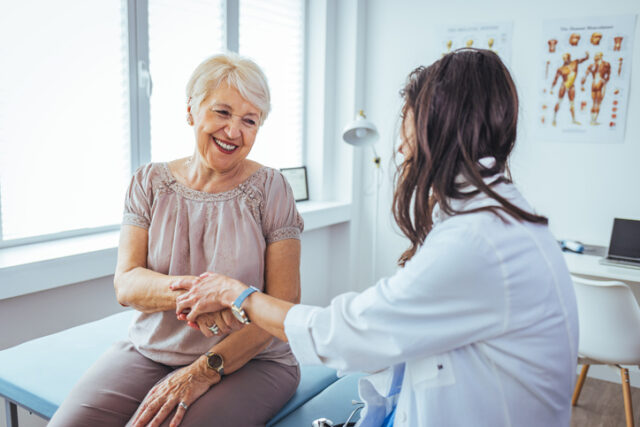
Type 2 diabetes often develops slowly and can go unnoticed for years. You might feel fine, but high blood sugar can damage your eyes, kidneys, and heart without warning. That’s why testing for it after 50 is so important, especially if you have a family history or carry extra weight.
A basic blood test will tell you if your sugar levels are creeping up. If they are, small changes like cutting down on refined carbs, eating more fibre, and walking daily can keep things under control before it turns into diabetes.
4. Bowel cancer screening

Bowel cancer is one of the most common cancers in the UK, but it’s also one of the most treatable when caught early. Screening looks for tiny amounts of blood in your stool that you wouldn’t notice yourself, and it’s offered automatically once you hit 50 in some parts of the UK.
The test is simple and done at home. If you’re offered it, take it seriously because it could save your life. The earlier bowel cancer is found, the easier it is to treat successfully.
5. Prostate check (for men)

Prostate issues become more common with age, and while most are harmless, some can signal something serious like prostate cancer. Common signs include needing to urinate more often or difficulty starting or stopping the flow.
If anything feels off, see your GP for a simple PSA blood test or examination. It’s not always comfortable to talk about, but it’s far better than ignoring symptoms that could be treated early with great results.
6. Cervical screening (for women)

Even if you’ve had years of normal results, cervical screening stays important through your 50s. It checks for changes in cells that could turn into cancer if left untreated. Skipping it means missing the chance to catch something before it becomes serious.
Screening is offered every five years up to age 64 on the NHS. It’s quick, it can feel awkward, but it’s a key part of staying well long-term. Most results come back completely normal, which is peace of mind worth having.
7. Breast screening (for women)

From 50 onwards, women are invited for a mammogram every three years. It looks for signs of breast cancer before they can be felt, and early detection means far better treatment outcomes. Many women skip it out of fear, but the test itself only takes a few minutes.
Try to see it as reassurance, not a worry. Most screenings come back clear, and if anything is found, it’s usually dealt with quickly. It’s one of the most effective checks for catching problems before they spread.
8. Eye test
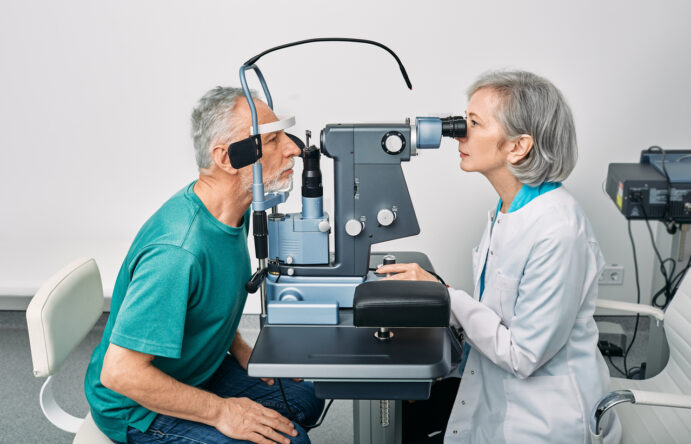
Vision naturally changes as you age, but eye tests check for more than just glasses strength. They can spot glaucoma, cataracts, and even early signs of diabetes or high blood pressure. Many eye issues develop slowly, so regular tests help catch them before they cause lasting damage.
Get your eyes tested every two years, or sooner if you notice any changes. Protecting your eyesight isn’t just about seeing clearly. It’s about maintaining your independence and confidence as you get older.
9. Hearing test
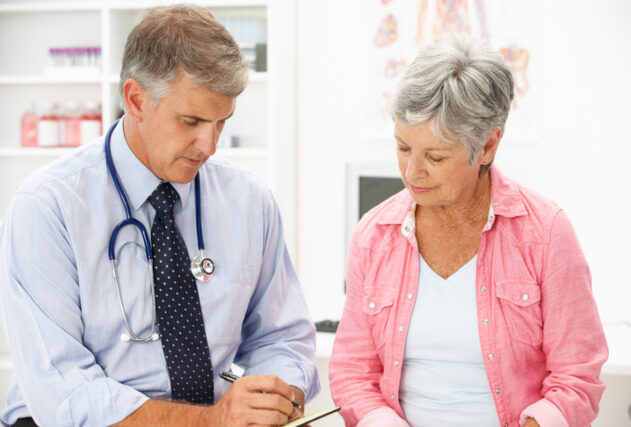
Hearing loss often sneaks up gradually, so many people don’t realise how much they’re missing. Straining to hear can lead to fatigue, isolation, and even memory problems. A simple hearing test can identify small issues before they start affecting your daily life.
If you’re turning the TV up louder or struggling to follow conversations, book a hearing check. Modern hearing aids are subtle, comfortable, and can make a huge difference to your quality of life.
10. Skin check

After years of sun exposure, your skin deserves a closer look. New moles, changes in existing ones, or spots that don’t heal should always be checked. Skin cancer is highly treatable when caught early, but easy to miss if you’re not paying attention.
Get into the habit of checking your skin once a month, especially on areas you don’t often see, like your back or shoulders. If anything looks suspicious, see your GP or a dermatologist. It’s always better to check than to ignore it.
11. Bone density scan

As you get older, bones naturally lose strength, especially in women after menopause. This makes fractures more likely, even from minor falls. A bone density scan measures how strong your bones are and helps identify early signs of osteoporosis.
If you’re over 50, particularly if you have a family history of fractures or are underweight, talk to your GP about getting checked. Keeping bones strong through calcium, vitamin D, and weight-bearing exercise helps prevent problems later.
12. Dental check-up
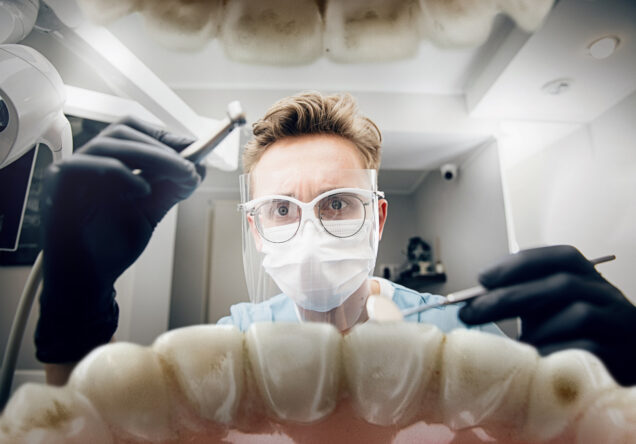
Dental health affects more than just your smile. Gum disease has been linked to heart issues, and infections in the mouth can spread quickly if ignored. As you age, your gums can recede and teeth become more sensitive, making regular check-ups even more important.
Book a visit to your dentist every six months, or at least once a year. Catching small issues early prevents expensive and painful problems later. Healthy teeth and gums also make eating well much easier.
13. Weight and lifestyle review

It’s not about dieting or hitting a perfect number on the scale. A regular weight and lifestyle check helps you spot slow changes that affect your long-term health. Extra weight around the middle, low activity levels, or heavy drinking can all raise health risks over time.
Your GP or nurse can help you set realistic goals. Small improvements in sleep, exercise, and nutrition can have huge effects after 50. It’s never too late to build habits that help you stay active, independent, and well for years to come.