For decades, America has seen Britain as the dependable cousin across the Atlantic: stable, sensible, and occasionally eccentric in a charming way.

Lately, though, that easy confidence has started to crack. News from the UK paints a picture of a country wrestling with uncertainty: political chaos, economic strain, and a national mood that feels frayed around the edges. What’s funny, of course, is that much of it sounds eerily similar to what’s happening in America. Still, the U.S. can’t resist worrying about us (and occasionally, judging us) as if it’s not knee-deep in its own mess.
Here’s what’s apparently causing all that hand-wringing across the pond.
1. Britain looks less influential than it used to.
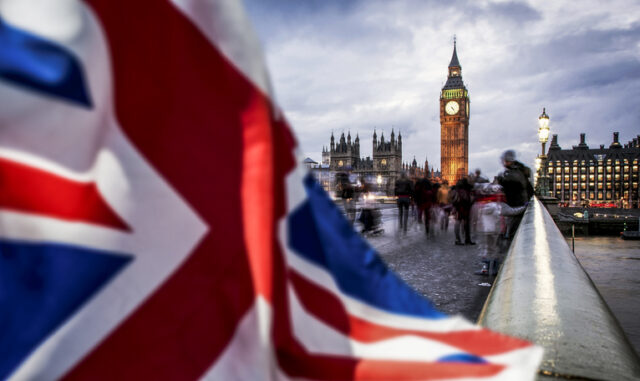
There was a time when Britain carried weight in every room, a kind of diplomatic shorthand for steadiness and sense. Those days feel distant. The churn of leaders, Brexit hangovers, and economic drift have made the UK seem more reactive than decisive, and that doesn’t go unnoticed abroad.
To Americans who grew up seeing Britain as their most reliable ally, the change feels jarring. They’re used to a confident London helping shape global decisions, not scrambling to find its footing. The irony, of course, is that America’s own reputation for leadership has taken plenty of hits lately, but that hasn’t stopped it from looking at Britain with raised eyebrows.
2. Trade tensions keep bubbling up.
For decades, trade was the bedrock of the special relationship, and it was smooth, predictable, mutually beneficial. Now it’s become a bit more complicated. With post-Brexit rules still evolving, and global supply chains stretched, American companies no longer see the UK as the safe, straightforward market it once was.
Every delay or tariff disagreement sparks headlines that make Britain sound unstable, even when the same problems are plaguing Washington. American investors aren’t used to uncertainty from their old ally, and they’re not fond of it. It’s another reminder that “Global Britain” is still trying to figure out what that actually means in practice.
3. The economy feels fragile again.

Britain’s economic picture is giving America deja vu. Stagnant wages, creaking public services, and inflated costs make for grim headlines that could just as easily be written about New York or Chicago. Americans have started to view Britain less as a symbol of resilience and more as a warning of where prolonged political drift leads.
There’s something unsettling about watching your closest ally struggle with the same financial cracks you’re trying to patch at home. Britain used to be a reassuring presence, proof that you could steer through global change with composure. Now, it’s more like a mirror that Americans aren’t entirely comfortable looking into.
4. Civil liberties are raising eyebrows.

When Britain introduces tighter laws on online safety, encryption, or protests, Americans take notice. To them, it looks like a slow drift toward surveillance, and that’s not something they expect from a country that usually prides itself on freedom and fairness.
The U.S. sees itself as the guardian of free speech (even if that often goes off the rails), so when Britain blurs those lines, it sparks uneasy comparisons. The conversation isn’t just about technology; it’s about trust, and whether the old democracies are still practising what they preach.
5. Political instability looks never-ending.
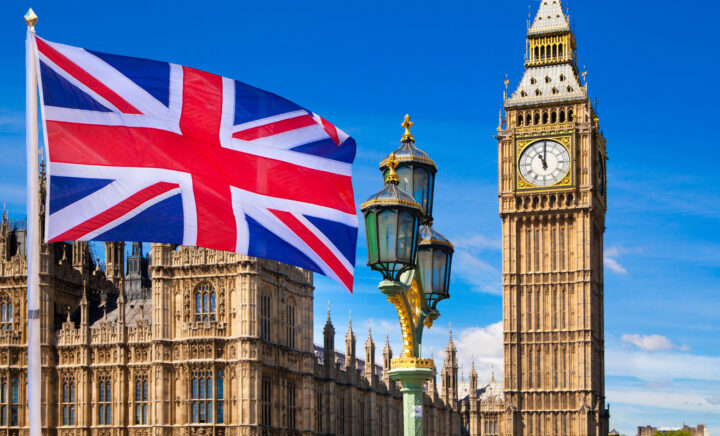
Let’s be honest, America loves to mock political chaos abroad, even when it’s walking blindfolded into a dictatorship. However, even the U.S. seems tired of watching Britain burn through leaders like contestants on a reality show. The endless party infighting, resignations, and U-turns have left the impression of a government permanently stuck in campaign mode.
From an American perspective, that’s unnerving. The UK used to be the voice of calm during global crises, and now it looks just as rattled as everyone else. Watching Westminster’s revolving door from Washington is like seeing your sensible friend start making questionable life choices.
6. Protests and social tension are growing.

Footage of angry marches, clashes with police, and furious debates about immigration and housing has been shared widely in the U.S. For a country that grew up on a polished image of British civility, it’s a shock. The UK was supposed to be the place where people queue politely, not the one where cost-of-living protests spill into the streets.
Of course, Americans know that kind of unrest all too well, which might explain the fixation. When they see that same frustration taking hold here, it feels like confirmation that social discontent is spreading across the Western world, and no one’s immune to it anymore.
7. Big business confidence is slipping.
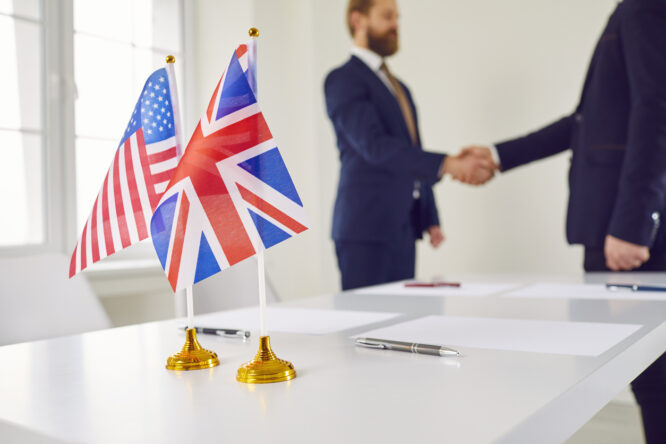
American boardrooms pay attention when global companies hesitate to invest in the UK. It’s not the money that worries them most, it’s what those decisions say. When international firms pause or scale back because they’re unsure of Britain’s direction, it hints at something deeper: uncertainty about the country’s long-term stability.
The U.S. may be full of its own economic contradictions, but it still expects Britain to be steady ground. Watching the UK wobble unnerves investors, and there’s a quiet fear that what’s happening in London could one day happen in Washington too.
8. Britain’s role between America, Europe, and China looks blurred.

The UK used to know exactly where it stood, and that’s shoulder-to-shoulder with the U.S., friendly but cautious with Europe, and decidedly wary of China. Now, that clarity has faded. Britain seems caught between wanting closer ties with Washington and trying not to alienate its European neighbours.
To American policymakers, it’s confusing. They rely on Britain for consistency, especially on trade and defence. When that alignment starts to look wobbly, the old partnership feels less automatic, and less reliable.
9. The steel industry row hit nerves.

Steel might not sound glamorous, but it carries symbolic weight. When talk of tariffs between Britain and the U.S. started circulating, it struck a nerve on both sides. Small industries like that often act as warning signs. After all, if allies can’t agree on something so straightforward, what happens when the stakes get higher?
In reality, both countries are just protecting their own industries, but perception matters. To Americans, even a minor trade spat hints that Britain’s no longer the easy partner it once was. It’s less about steel and more about trust.
10. Tech and privacy clashes feel awkward.

The British government’s push to get tech giants to weaken encryption has raised eyebrows in Silicon Valley and beyond. To American tech leaders, it looks like a step backwards, as it’s the kind of state intrusion they like to criticise in other countries.
That debate isn’t just about technology; it’s about philosophy. The U.S. sees the internet as a place where government control should be limited. Britain’s firmer hand feels old-fashioned to them, and it raises awkward questions about shared values in the digital age.
11. Security headlines are getting uncomfortable.

Reports of Chinese influence, espionage scares, and hacking attempts in the UK have made their way into American security briefings, and they don’t go down well. Intelligence-sharing depends on trust, and when one side looks exposed, the other inevitably tightens up.
No one’s suggesting that Britain’s lost control of its security, but even small stories can cause ripples. For the U.S., it’s less about specific threats and more about the sense that its closest ally might be a little too porous for comfort.
12. Cultural changes make the countries feel less in sync.
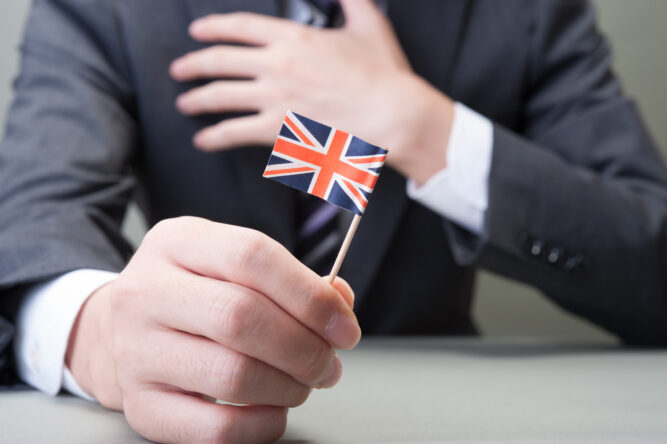
The so-called “special relationship” has always been built as much on shared humour and cultural familiarity as on treaties and trade, but that bond feels looser now. Younger Britons often see America’s politics and culture as extreme, and many young Americans think Britain’s gone curiously gloomy and old-fashioned.
That drift doesn’t mean the friendship is over, but it does mean the instinctive closeness is fading. When you don’t laugh at the same things or react the same way to world events, the connection starts to thin — quietly, but noticeably.
13. America sees a warning in Britain’s struggles.

More than anything, Americans look at Britain and see a reflection of themselves: political fatigue, economic frustration, and a public that’s lost faith in leadership. Britain’s problems feel like a preview of where the U.S. might be heading, and that makes it uncomfortable to watch.
It’s ironic, really. The same country drowning in its own division is worried that we’re falling apart. However, that’s the dynamic of old allies: we mirror each other’s insecurities. Britain’s troubles are America’s reminder that even once-great powers can drift, and nobody, not even the loudest democracy on earth, is immune to decline.