Most younger people don’t expect older generations to act exactly like them.
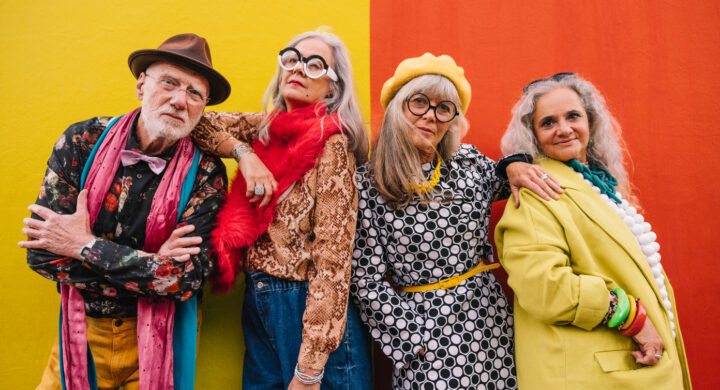
That being said, when it feels like someone’s trying a bit too hard to be trendy, relevant, or “down with the kids,” it tends to backfire. After all, there’s a big difference between being open-minded and coming across like you’re forcing it. Whether it’s overusing slang or jumping on every internet trend, some behaviours feel less like natural evolution and more like awkward mimicry. These are some of the biggest behavioural offenders among older people when it comes to being “down with the kids.”
1. Using Gen Z slang… incorrectly

Words like “slay,” “vibe check,” or “rizz” have very specific contexts, and younger people can usually tell when someone’s using them just to fit in. It’s not about age, it’s about fluency. When it sounds forced or slightly off, it instantly signals that the person isn’t really part of the culture they’re referencing.
There’s nothing wrong with learning new language, but when older people adopt it like they’re trying to score points, it comes across as performative. It feels less like “we’re connecting” and more like “I’m trying to impress you.” That always lands awkwardly.
2. Wearing trends that aren’t their style
Fashion has no age limit, but when someone jumps on every TikTok trend without adapting it to suit their own personality or body type, it starts to look like they’re dressing from someone else’s mood board. It doesn’t come across as confident; it comes across as copy-paste. Younger people aren’t judging older people for experimenting. What stands out is when it feels like the person is wearing the trend instead of it wearing them. Authentic style is always more timeless than trend-chasing.
3. Overusing social media filters

We’ve all played around with filters, but there’s a point where it stops enhancing and starts hiding. When every photo is smoothed, reshaped, or sparkly-eyed to the point of unreality, it can come across as insecurity disguised as fun.
Gen Z and Millennials have grown up spotting fake online personas a mile off. So when someone older constantly uses heavy filters, it doesn’t make them seem youthful. Instead, it just makes them seem out of touch with how younger people view authenticity online.
4. Quoting memes in real life
Memes have their place, and everyone loves a good reference now and then. But when someone older constantly tries to shoehorn meme language into everyday conversation, it usually falls flat. Younger generations use memes almost instinctively because it’s part of how they communicate. But when it sounds like someone’s rehearsed a meme just to seem “in,” it can quickly move from funny to cringey.
5. Talking about how much they love “the youth”

It might come from a good place, but phrases like “I just love the younger generation!” or “You lot really get it” can sometimes sound a bit patronising. It places distance between the speaker and the group they’re trying to relate to. Appreciation is always welcome, but when it feels performative or like someone’s trying to prove how open-minded they are, it stops being about connection and starts being about performance.
6. Over-sharing on TikTok

TikTok is full of all ages, and that’s not the issue. What raises eyebrows is when someone’s presence feels like they’re oversharing in a bid for relevance—trauma-dumping, thirst traps, or trend-hopping with little self-awareness. It’s not the content itself that feels off. It’s when the tone doesn’t match the platform’s culture that’s the problem. Younger audiences pick up fast on who’s there to genuinely contribute versus who’s there to chase clout.
7. Trying to sound “woke” without understanding the issues

There’s a difference between evolving your views and reciting buzzwords. When older people suddenly start throwing around terms like “toxic masculinity,” “gaslighting,” or “neurodivergent” without truly engaging with what they mean, it can feel hollow. Younger people are usually quick to spot when someone’s just repeating phrases they’ve heard online. What earns respect isn’t saying all the right things. It’s actually taking the time to understand them properly.
8. Mocking younger generations while trying to be liked by them

Nothing undercuts a “cool older person” vibe faster than backhanded comments about Gen Z or Millennials. Saying things like “You lot are too sensitive, but I still love ya!” doesn’t make people feel seen. It just highlights the gap you’re pretending isn’t there. Respect goes both ways. Trying to win over younger people while simultaneously mocking their values or struggles creates a weird tension that’s hard to ignore.
9. Constantly referencing how “old” they are

Bringing up your age in every conversation with a younger crowd can get old fast. A casual mention here and there is fine, but when it becomes your whole personality—“Back in my day…” or “I’m practically ancient!”—it gets tiresome. You don’t have to keep reminding people of the age gap. If they like you and respect you, it’s already irrelevant. Drawing attention to it constantly just makes things feel awkward when they don’t need to be.
10. Overselling how “young at heart” they are

When someone insists “I’m basically one of you!” it often has the opposite effect. It sounds like they’re trying to opt out of their own stage of life instead of embracing it, which can come off as insecure rather than relatable. Younger people usually connect more with confidence and authenticity than mimicry. You don’t need to erase your age to be respected or liked. Owning where you’re at is far more appealing than pretending to be somewhere else entirely.
11. Jumping on every internet trend

Joining in is fun, but when someone’s posting every dance challenge, audio trend, and hashtag like it’s a checklist, it can start to feel like they’re trying too hard to stay visible. Some things just aren’t for everyone, and that’s okay. When older people engage with content that actually suits their energy, experience, or humour, it lands so much better. It’s not about resisting trends; it’s about choosing the ones that actually fit.
12. Using youth culture to sell something

There’s a fine line between relatable branding and cringe marketing. When older people lean too heavily on Gen Z language or aesthetics just to promote their product, it’s usually obvious, and it usually flops. Younger generations are marketing-savvy. They can spot inauthenticity immediately, and trying to “speak their language” without actually respecting their culture just comes across as manipulative.
13. Assuming younger people are impressed by effort

Trying hard isn’t the issue. Really, it’s trying hard to be cool. That’s where things often fall apart. Whether it’s overposting, overexplaining, or overdoing any “youthful” thing, younger people usually just want older people to be themselves. Respect doesn’t come from imitation; it comes from authenticity, consistency, and being comfortable in your own skin. That’s the version of “cool” that actually lasts.