There’s no doubt that Britain’s immigration system needs an overhaul, but what often gets lost in the mix is just how much those who come to this country add to it.

The UK’s running a massive experiment right now with tighter immigration rules, and most people don’t realise how much would unravel without migrant workers. It’s not just about numbers, either. It’s about entire systems that depend on people coming here to work. Without them, we’d have some pretty big problems on our hands.
1. The NHS would be in serious trouble.

Around one in five NHS staff report a nationality other than British, and that jumps to nearly one in three for nurses. Without immigration, you’re looking at roughly 265,000 healthcare workers disappearing from a system that’s already stretched beyond breaking point.
Those gaps wouldn’t get filled by British workers overnight, or possibly ever. Training a nurse takes years, and we’re not producing nearly enough to replace immigrant staff. Your waiting lists would go from bad to completely catastrophic, and emergency care would struggle to function properly.
2. Social care would completely collapse.

One in four care workers was born outside the UK, and the sector needs an extra 440,000 roles by 2035 just to keep up with demand. The new immigration rules have basically shut the door on overseas care workers, and there’s no plan that actually works to replace them.
British workers aren’t queuing up for care jobs because the pay’s rubbish and the work’s incredibly hard. Without immigrants willing to do this vital work, elderly and disabled people lose the support they need to live with dignity. That’s not an exaggeration, it’s what’s already starting to happen.
3. Your food would cost loads more and choice would shrink.

Agriculture relies heavily on seasonal workers from abroad for picking fruit, working on farms, and processing food. Without them, crops rot in fields because British workers don’t want these temporary, physically demanding jobs in rural areas.
Food prices would jump because domestic production drops, and we’d need to import more, which costs extra. You’d also see less variety in supermarkets as certain crops just stop being grown here. That £3 punnet of strawberries would easily become £6 or more, assuming you could find them at all.
4. Restaurants and hotels would struggle to stay open.

The hospitality sector’s got a 7.9% vacancy rate, the highest of any industry, and EU workers in the sector are down 41% since before the pandemic. Without immigration, loads of restaurants, pubs, and hotels simply wouldn’t have enough staff to operate.
You’d see shorter opening hours, reduced menus, longer waits, and ultimately closures. The entire tourism industry depends on being able to staff hotels and restaurants, so cutting immigration hits the economy twice. Less service means fewer tourists means less money flowing through the system.
5. The population would age even faster than it already is.

Immigrants are typically working age and help balance out the old age dependency ratio. Without them, you’ve got way more pensioners relative to workers, which means fewer people paying taxes to support more people using expensive services.
Net migration has made up 65% of UK population growth from 2004 to 2023. Cut that off, and you accelerate population ageing, which strains everything from pensions to healthcare. Immigration doesn’t stop ageing completely, but it slows it down significantly and buys time to adjust.
6. Your taxes would need to go up substantially.

Immigrants generally contribute more in taxes than they use in services, especially those on work visas. Government spending on a 75-year-old averages £23,700 annually, while working age people pay in far more than they take out.
Without immigration filling the tax base, the government faces a choice between raising taxes on everyone else, cutting services dramatically, or borrowing loads more. None of those options are pleasant, and all of them would affect your daily life, whether you think immigration matters to you or not.
7. Construction would grind to a halt.
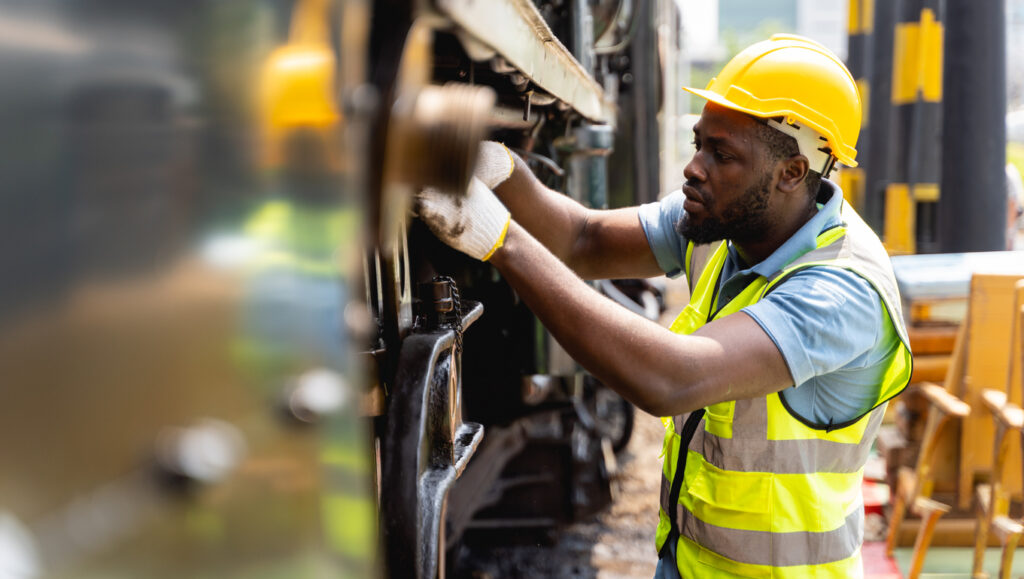
The construction industry depends on skilled workers from abroad, and five construction roles were recently added to shortage lists because we can’t find enough British workers. Without immigration, house building slows down even more than it already has, which is saying something.
That means the housing crisis gets worse, prices stay high or increase, and infrastructure projects take longer and cost more. When you can’t build enough homes or repair existing infrastructure properly, everything from transport to utilities starts degrading. It’s a slow motion disaster that compounds over time.
8. University funding would take a massive hit.

International students pay higher fees that subsidise British students and fund university research. New visa restrictions are already causing financial problems for universities, with more expected to go into deficit. Cut immigration further, and some universities would likely close.
That’s not just about education, it’s about research that drives innovation and economic growth. Universities employ loads of people and support local economies, especially in smaller cities. Losing them means losing jobs, research capability, and the pipeline of skilled workers the economy needs.
9. Innovation and economic growth would slow down.

Immigrants are overrepresented in high-skilled sectors like IT, finance, and engineering. They’re not taking jobs, they’re often creating them by starting businesses and bringing skills that are in short supply. Without that talent, the UK becomes less competitive globally.
Companies that can’t hire the people they need either move operations abroad or just grow more slowly. That means fewer good jobs for everyone, less tax revenue, and the economy losing ground to countries that are more welcoming to skilled workers. Brain drain works both ways.
10. Public services would lose vital workers overnight.

Beyond healthcare, immigrants work throughout the public sector in education, transport, and local government. Teachers, teaching assistants, transport workers, and essential service providers often come from abroad because there aren’t enough British workers willing or qualified to do these jobs.
Losing these workers means larger class sizes, reduced public transport, and local services that can’t function properly. It’s the kind of slow degradation where things just work a bit less well each year until suddenly nothing works like it should. That affects everyone, regardless of where they stand on immigration.
11. Regional economies would be devastated.

Some areas depend far more heavily on immigrant workers than others. In London, 63% of hospitality roles are held by non UK nationals. Certain towns and cities have economies built around industries that rely on migrant labour, from agriculture to manufacturing.
Cut immigration and these places don’t just lose workers, they lose entire economic ecosystems. Local businesses close, property values drop, and the people who remain have fewer opportunities. It creates left behind areas that struggle for generations to recover economically.
12. The skills gap would become impossible to bridge.

Training British workers to replace skilled immigrants takes years and requires massive investment that isn’t happening. You can’t just decide to train thousands of nurses, engineers, or tech workers and have them ready next month or even next year.
Meanwhile, businesses need workers now, not in five years. The gap between needing skilled people and having them available grows wider, making the UK less attractive for investment. Companies choose to expand elsewhere, taking jobs and opportunities with them. It’s a downward spiral that’s hard to reverse once it starts.
13. Birth rates would stay low and population would eventually decline.

The UK’s total fertility rate is 1.44 children per woman, well below the 2.1 needed for population replacement. Immigrant women have slightly higher birth rates, and in 2024, 34% of births in England and Wales were to non UK born mothers.
Without immigration, the population would eventually start shrinking, which sounds fine until you realise that means fewer workers, less economic activity, and a collapsing tax base. Japan’s dealing with this now and it’s brutal. Once population decline starts, it’s incredibly difficult to reverse and the economic consequences last for generations.