Getting an appointment with your GP has become one of the most frustrating parts of living in the UK these days.

While GP practices delivered 30.3 million appointments in April (6 million more than in 2019), they’re doing this with around 880 fewer fully qualified full-time equivalent GPs than five years ago. Each GP now looks after an average of 2,236 patients, and that number keeps climbing. The system is creaking at the seams, and patients are bearing the brunt of it all. These are the things you can no longer count on from your local surgery, even if you might have been able to even a decade ago.
1. Getting through on the phone without waiting ages
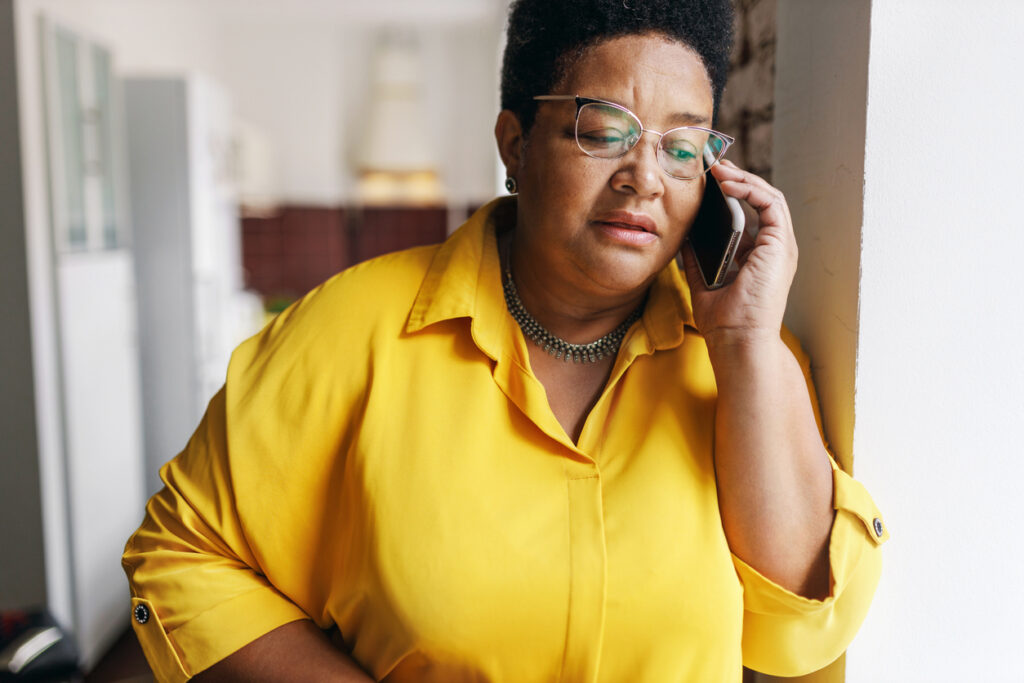
The phone system at most GP surgeries has become a nightmare for patients. In the 2024 NHS GP Patient Survey, only 69% of patients found contacting their GP by phone very or fairly easy, and this represents a significant drop from previous years. More worryingly, 75.4% of people who rang their surgery were immediately held in a queue. The 8 a.m. phone scramble remains a daily reality for millions, despite promises to fix it.
The problem has got worse since the pandemic. Where 68% of people found it easy to get through in 2021, the picture is much bleaker now. Many patients report calling at exactly 8 a.m., only to be placed in a queue and finding all appointments gone by the time they speak to someone. Some people have given up entirely and just turn up at A&E instead, which costs the NHS far more in the long run.
2. Seeing the same doctor who knows your history

Continuity of care, where you see the same GP who knows your medical history and circumstances, has all but disappeared from most practices. Research shows that only about half of patients regularly see the same GP, and this figure has been declining steadily for over a decade. In the 2024 GP Patient Survey, just 19% of patients said they always or almost always saw their preferred healthcare professional, while 42% said they only sometimes did.
This matters more than you might think. Studies involving millions of people have found that seeing the same doctor means you’re 30% less likely to use out of hours services, and patients with dementia who see the same GP are 35% less likely to develop delirium and 57% less likely to develop incontinence. The government has promised to bring back the family doctor, but larger practices, part-time working patterns, and sheer pressure of demand make this increasingly difficult to achieve in reality.
3. A home visit when you’re genuinely too ill to leave the house

GP home visits have been declining steadily for 50 years, and they’ve become increasingly rare in modern practice. Some GPs now make just one or two home visits per week, compared to the 12 to 30 daily visits that were common in the 1950s. In October 2025, face-to-face appointments made up 67.4% of all consultations, but this figure doesn’t include home visits, which are recorded separately and remain a tiny fraction of total appointments.
In November 2019, the Local Medical Committee conference narrowly passed a motion to remove home visits from core contract work entirely, with some GPs viewing them as an inefficient use of scarce resources. While others passionately defended them as vital for assessing patients who are genuinely too unwell to attend the surgery, the reality is that home visits are becoming something you can no longer rely on. Many practices now direct patients to call 111 or attend urgent care centres instead.
4. Booking an appointment that actually fits your schedule

Government figures show that 56% of GP appointments in February 2025 took place on the same day they were booked, but this doesn’t tell the full story about getting an appointment when you actually need it. In that same 2024 GP Patient Survey I referenced earlier, 34.1% of patients felt their wait time for a GP appointment took too long. After first contacting their GP, over a fifth (20.8%) said they waited between one and two weeks for their appointment.
The problem is that same day appointments are usually for urgent matters only, leaving those with routine concerns stuck waiting. You might be able to see a GP today if you’ve got chest pain, but if you need to discuss ongoing symptoms or want a medication review, you’ll likely be waiting over a week. Some patients wait three to four weeks for routine appointments in certain areas, and projections suggest one in three people could wait over a month for routine consultations by the end of 2025.
5. Actually speaking to a human before filling in endless forms

From October 2024, all GP practices in England were required to offer online booking for non-urgent appointments and queries throughout core working hours (8 a.m. to 6.30 p.m., Monday to Friday). While the government promised this would end the 8am scramble, it’s created a whole new set of problems instead. Less than 45% of those who tried to contact their GP through an app found it easy, and that’s way too high a number.
The real issue is that many practices are now directing even urgent cases through the online form system. One patient with a chest infection tried to use the form and got rejected by the system, which said the problem was too serious, and they needed to speak to the practice directly. When they rang, the receptionist insisted they had to fill in the form. It’s become a Kafkaesque circle, where you can’t get help through the system or around it. For elderly patients or those without internet access, these barriers are even more frustrating.
6. Having your concerns actually read by a doctor in reasonable time
A survey of 431 GPs and practice managers found that 67% are concerned about patient safety since the new online system launched. GPs are reporting that they’re dealing with 340 to 400 medical triages on a Monday and 200 to 300 on other days. One West Midlands GP described it as overwhelming and unsafe, saying they’re burned out by the time 5 p.m. comes, and they still need to concentrate on septic, suicidal, or end of life patients among the huge pile of queries.
Patients have submitted reports about life-threatening conditions like difficulty breathing, rectal bleeding, and severe vomiting through forms designed for non-urgent matters. One patient who said they couldn’t breathe managed to get themselves to A&E, but could have been left waiting while GPs worked through 70 other forms first. The system was meant to make things easier, but it’s added layers of triage that delay care and put vulnerable people at risk.
7. Face-to-face appointments instead of telephone triage

During the pandemic, GP surgeries rapidly adopted a digital first approach, where consultations took place by phone or video wherever possible. While face-to-face appointments have increased since then, they still haven’t returned to pre-pandemic levels. In August 2024, 64.4% of appointments were face to face, compared to around 80% before COVID-19. The proportion keeps fluctuating and has fallen in recent months.
Many patients now go through telephone triage first, where they describe their symptoms to a receptionist or complete an online form before a GP decides whether they need to be seen in person. This means some issues require two consultations when one face-to-face appointment would have been quicker and more effective. The 2024 GP Patient Survey found that 44% of people struggled to get in-person appointments with their GP when they felt they needed one, which shows this remains a significant source of frustration.
8. Being treated as an individual rather than triaged by AI

Some practices have introduced AI systems to help manage the flood of online requests, but these systems can’t distinguish between urgent and non-urgent cases reliably. Patients describe filling in lengthy online questionnaires that ask what they’re worried about, whether they’re in pain, and how long the issue has been going on. The AI then decides whether they need to be seen and how quickly.
The biggest issue is that patients aren’t medical experts, and they might not realise their symptoms indicate something serious. One patient uploaded a photo of a changing skin patch and was told they’d hear back within a couple of days after completing the lengthy quiz. There’s no guarantee the AI will flag genuinely worrying symptoms, and by the time a human reviews the form, valuable time may have been lost. The personal clinical judgement that comes from speaking directly to a trained professional has been replaced by algorithmic decision-making.
9. A GP surgery that’s actually properly funded and staffed

The numbers paint a grim picture of general practice funding and staffing. Between September 2015 and October 2025, the NHS lost 6,364 full-time equivalent GP partners, with 502 lost in the last year alone. While there has been a recent increase of 561 fully qualified FTE GPs in the last 12 months, this is nowhere near enough to meet rising demand. In October 2025, there were 63.94 million patients registered with GP practices, an increase of 7.04 million since 2015.
The Health Secretary announced a billion pounds extra for general practice, but once you subtract National Insurance contributions and account for inflation, this works out to about £300 million. For a small practice, that’s around £50,000, which doesn’t even employ one GP. Meanwhile, each full-time equivalent GP is now responsible for 299 more patients than they were in 2015. The system is being asked to do more with less, and it shows in every aspect of patient care.
10. Reasonable consultation times that don’t feel rushed
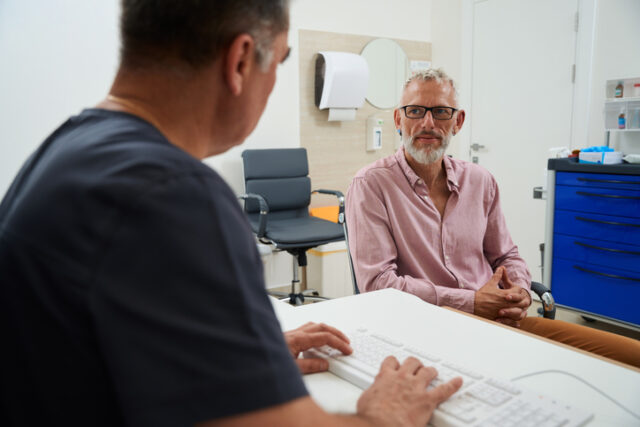
The standard GP consultation in the UK is 10 minutes, and even the majority of GPs feel that’s long enough. With each GP now responsible for over 2,200 patients on average and practices delivering approximately 39.27 million appointments in October 2025 alone, there’s simply no time to give each patient the attention they need. GPs admit that insufficient time with patients negatively impacts their commitment to general practice.
Longer consultations have been shown to enhance continuity of care, but they’re unlikely to be feasible within existing budgets. Instead, practices are focusing longer appointments on patients who will benefit most, like those with complex conditions or multiple health problems. For everyone else, you get 10 minutes to explain your problem, get examined, discuss treatment options, and leave with a plan. It’s not enough, and both patients and doctors know it.
11. Not being blamed when the system fails you

As waiting times have grown and access has deteriorated, GPs have increasingly taken the blame from frustrated patients. Complaints to GP practices rose almost 40% in one year, even though practices are actually working harder than ever. The Royal College of GPs points out that GPs delivered 30.3 million appointments in April 2024, 25% more than in April 2019, with fewer doctors to do it.
The truth is that patients and GPs are on the same side, both frustrated by a system that’s been underfunded for years. However, when you’ve been waiting weeks for an appointment or stuck in a phone queue for 45 minutes, it’s natural to feel angry at the person on the other end. The real problem is decades of failure in funding and workforce planning for general practice, not lazy doctors. Yet, the anger gets directed at receptionists and GPs who are doing their best in impossible circumstances.
12. Straightforward referrals to specialists when you need them

Even when you finally see your GP, and they agree you need specialist care, getting that referral accepted has become harder. The number of GP referrals to consultant led outpatient services that were rejected because there are no slots available jumped to nearly half a million as of 2021, and things have likely got much worse—that’s just the most recent data available. This means GPs are left managing patients who should be under specialist care.
This puts even more pressure on primary care as GPs try to look after people with complex conditions that really need specialist input. It also means your symptoms might worsen while you wait for a slot to become available. GPs classify referrals as urgent, soon, or routine, but even urgent referrals can face delays if the system is overwhelmed. If a patient is referred as routine when they should have been urgent and their condition deteriorates, this could potentially be considered negligent.
13. The kind of access your parents and grandparents had

Previous generations could expect to see their family doctor within a day or two, build a relationship over years, and get home visits when needed. They could phone up and speak to a receptionist who knew them, book an appointment that suited their schedule, and spend enough time in the consultation to discuss everything that was worrying them. This level of service now feels like ancient history.
The current generation faces a completely different reality. Research shows that 15% of patients couldn’t even get an appointment when they last tried, up from 10% the previous year. Only 51.2% were offered a time they wanted or sooner. Satisfaction with making GP appointments has plummeted, with 26% rating the experience as poor in 2024 compared to just 14% in 2021. The NHS your parents knew no longer exists, and general practice is bearing the brunt of that transformation.