While we often talk about the 1960s as a completely different world of black-and-white telly and radical social change, the reality of growing up back then has a surprising amount in common with life in 2026.
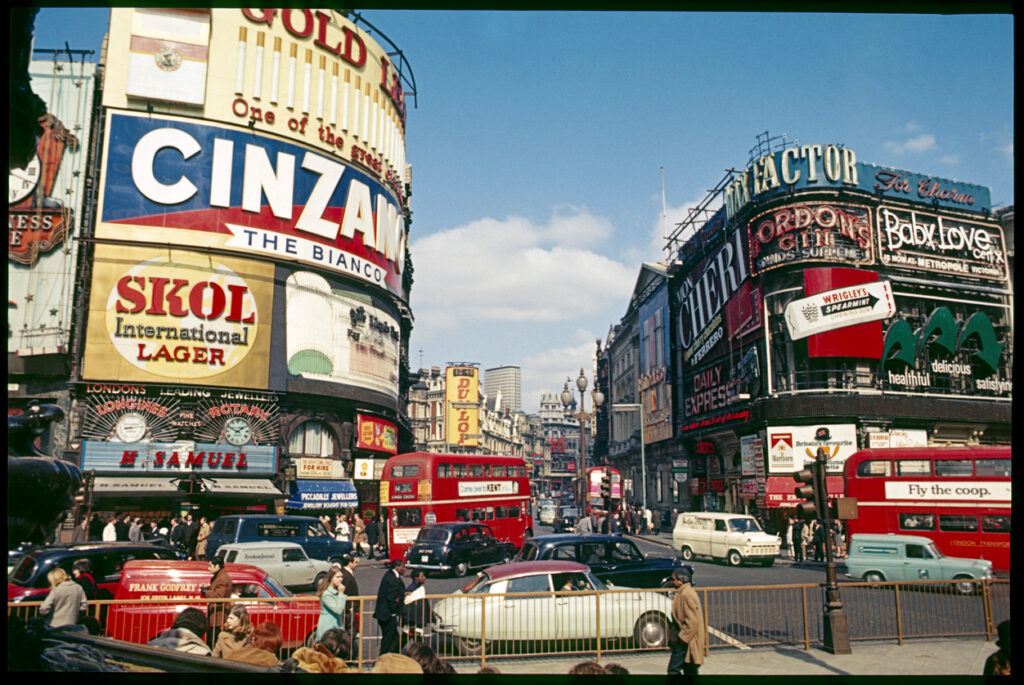
On the surface, the technology and the fashion have moved on, but the core experiences—the things that actually shape a person—feel remarkably similar. For starters, there’s the way pop culture dominates the conversation, and the feeling of living through a period of massive national transition. In other words, the parallels are much stronger than you might think.
It’s easy to get caught up in the nostalgia and think of the ’60s as a simpler time, but the youth of that decade faced many of the same pressures we see today. From the obsession with the latest trends and music to the push-and-pull of navigating a rapidly shifting social landscape, the 1960s set the blueprint for the modern British experience. Looking back at how people lived, worked, and spent their free time, you start to realise that the gap between then and now is much smaller than the history books suggest.
1. Money was tight for most families.

The postwar boom wasn’t as universal as the nostalgia suggests, and plenty of households were watching every penny. Parents stretched budgets, kids made do with less, and nobody thought that was unusual because everyone around them was doing the same. Today, we’re back in a position where the weekly shop feels like a tactical exercise. Back then, it was about making a bit of mince last three days; now, it’s about navigating the cost of living crisis, but that underlying stress of making ends meet is exactly the same.
2. Young people felt misunderstood by older generations.

Every generation thinks it invented this particular tension, but the ’60s version was loud and well-documented. Teenagers were pushing back against their parents’ values, their music choices were scandalising the tabloids, and adults were wringing their hands about where it was all heading. You see the same thing now with the gap between Boomers and Gen Z. The arguments might be about climate change or social media instead of long hair and rock and roll, but the feeling that the older lot are out of touch hasn’t changed a bit.
3. The cost of housing was a genuine source of stress.
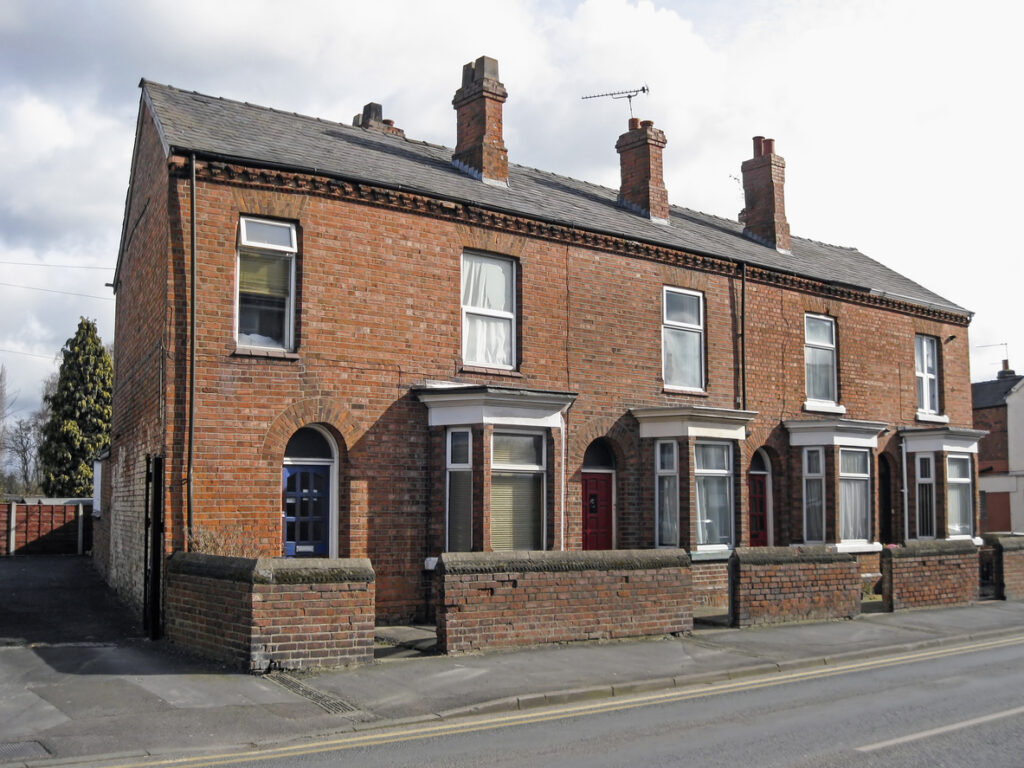
People talk about the housing crisis like it’s entirely new, but Londoners in the ’60s were already watching prices climb faster than wages and wondering how they’d ever get on the ladder. While we’re currently dealing with astronomical rents and impossible deposits, back then it was the rise of the property developer and the clearance of old communities that caused the panic. The scale is different now, but that basic anxiety of not knowing if you’ll ever own your own four walls was very much present then too.
4. There was a strong sense that the country was changing too fast.
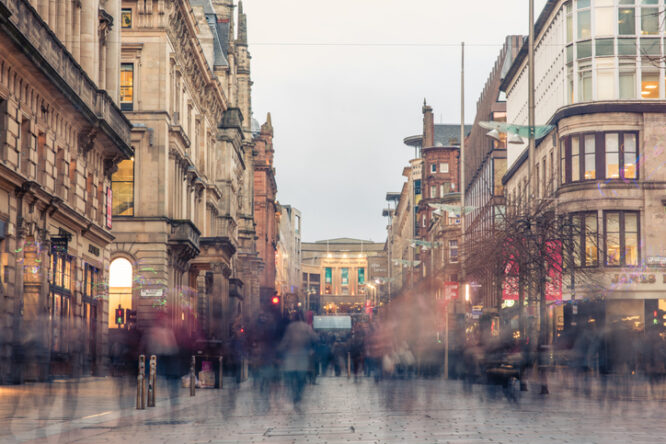
Immigration, changing social values, new music, and the decline of old industries meant that a lot of people felt like the Britain they knew was disappearing. That feeling of rapid change and the debates it sparked aren’t unique to any one era. In 2026, we’re grappling with AI, automation, and a globalised world that feels like it’s moving at 100 miles per hour. That sense of vertigo, where you’re not sure where the country is going, is a direct mirror of the 1960s experience.
5. Mental health struggles were common but rarely talked about.

People dealt with anxiety and depression in the ’60s just as they do now, only without any of the language or support structures we have today. Back then, you were just told to pull yourself together or get on with it, which often led to people suffering in silence or turning to “mother’s little helpers” to cope. The difference is we’re actually talking about it now, but those underlying struggles were always there, quietly affecting families behind closed doors.
6. Teenagers were glued to a screen.
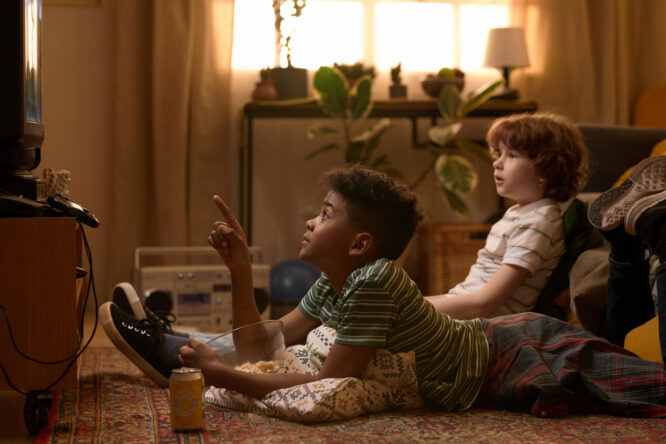
The screen was a television rather than a phone, but the effect was the same. Parents were just as convinced it was rotting young brains and killing the art of conversation. Whether it was kids crowding around the telly for Top of the Pops or teens today scrolling through TikTok, the concerns remain identical. Adults have always worried that passive consumption and shortened attention spans would be the downfall of the youth.
7. Political distrust was running high.

The 1960s had the Profumo affair, Cold War paranoia, and a general sense that those in power weren’t being straight with the public. People were cynical about politicians and suspicious of institutions that had previously been beyond reproach. In 2026, that cynicism is our default setting. We’ve traded spy scandals for digital disinformation, but that gut feeling that we aren’t being told the full story is a total carry-over from 60 years ago.
8. Celebrity culture was all-consuming.
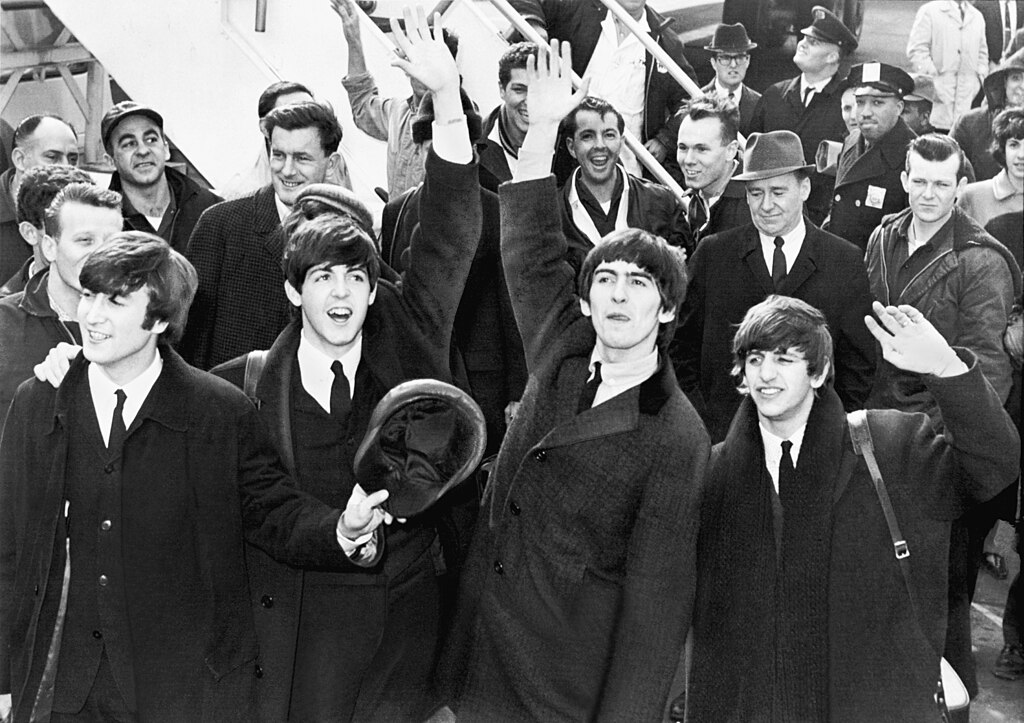
The Beatles weren’t just a band; they were a full-blown obsession, and the tabloids fed it hungrily. People followed celebrities’ personal lives, looked to them for style cues, and treated them like they were more important than actual news. We do the exact same thing now with influencers and movie stars. The platforms are different, but the appetite for knowing what famous people are eating for breakfast or who they’re dating is exactly the same.
9. Young women were navigating real double standards.
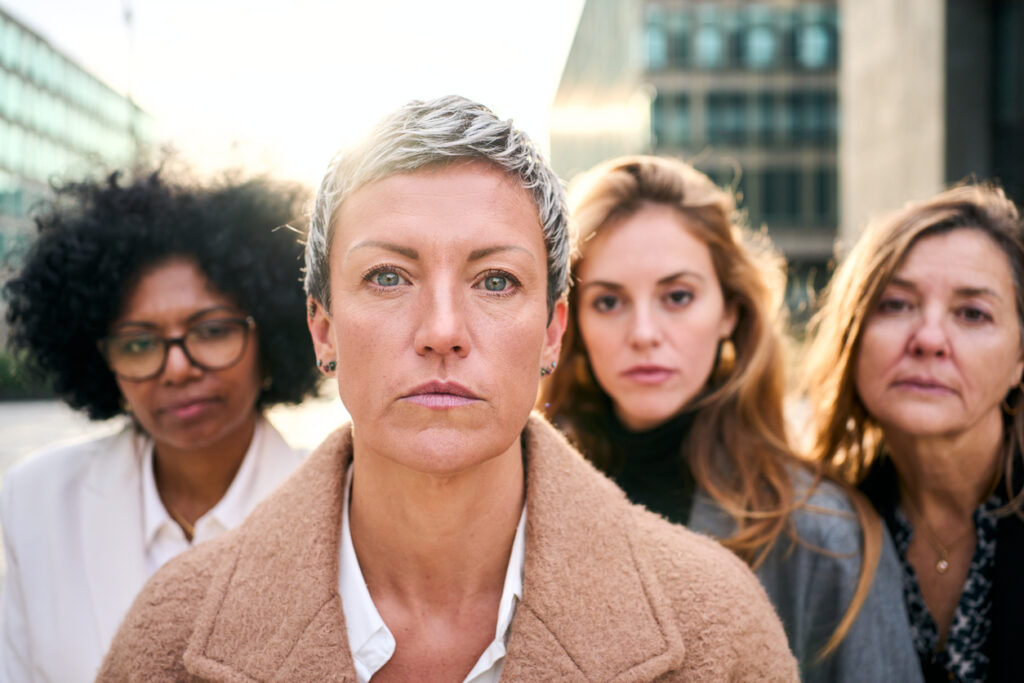
Girls in the 1960s were told they could have careers and independence, but they were still expected to be the perfect homemakers. They were judged on their appearance constantly and given a narrower set of options than their male peers. Progress has definitely been made, but plenty of those same tensions exist today. Women are still navigating that balance between career ambition and the pressure to look a certain way, proving some things take a long time to shift.
10. People worried about the environment.

The environmental movement was gaining real momentum by the late ’60s, with smog, river pollution, and industrial damage becoming visible enough that people couldn’t ignore them. People were starting to connect their daily choices to wider consequences for the planet. While the urgency feels much sharper in 2026 with the climate crisis, the roots of that worry were planted back when people first realised that our disposable culture was going to cause problems.
11. Loneliness was more widespread than anyone admitted.

The ’60s had a very communal surface—street life, extended families nearby, and neighbours who knew each other. But underneath that, plenty of people felt isolated, particularly women stuck at home and elderly people left behind as families started to move away for work. We talk about the loneliness epidemic today like it’s a new side effect of the internet, but being surrounded by people and still feeling disconnected is a very old British problem.
12. Kids had a lot of freedom and a lot of boredom.

Children in the 1960s were sent outside and told to come back for tea, and they spent huge chunks of time with nothing structured to do. Some of that was great for their imagination, but a lot of it was just plain boring. Today, we’re terrified of our kids being bored, so we fill their lives with screens and clubs. But the debate is the same: how much freedom do they need, and is being left to your own devices actually a good thing?
13. People felt pulled between tradition and something new.
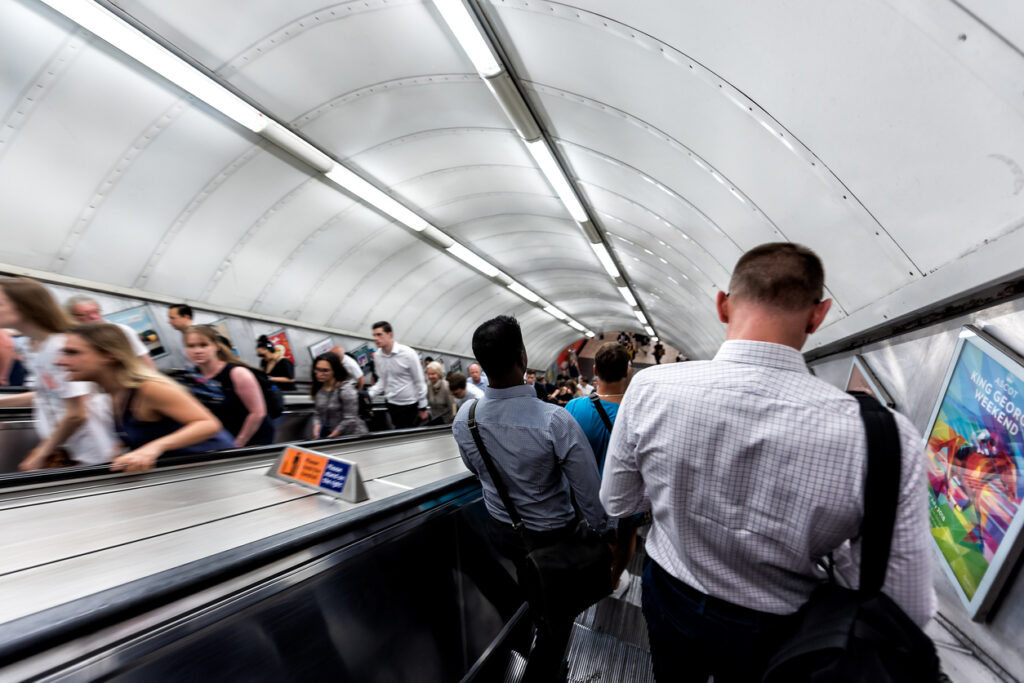
The ’60s were full of that particular tension, where the old way of doing things was losing its grip, but nothing had fully replaced it yet. Families, careers, and religion were all up for renegotiation, and that created real anxiety. It’s hard to look at the state of Britain today and not think it sounds familiar. We’re in another one of those in-between eras where the old rules don’t seem to work anymore, but we haven’t quite figured out the new ones yet.