For being a first-world country, our infrastructure certainly doesn’t show it.

Britain might pride itself on history and tradition, but when it comes to some of the country’s most basic services, that “heritage” is starting to look more like neglect. From ageing rail networks to patchy broadband and crumbling roads, there are whole parts of daily life that feel stuck decades behind the rest of the developed world.
While other nations are quietly rolling out high-speed trains, seamless public transport, and greener energy systems, the UK is still talking about it, often while waiting for a delayed replacement bus service. These are the bits of British infrastructure that are miles behind, and why it’s becoming harder to ignore.
1. The trains are shockingly expensive and unreliable.

British rail fares are among the highest in Europe, while the service is notably worse than most comparable countries. You’ll pay double what someone in France or Germany pays for a journey that’s more likely to be delayed or cancelled.
That’s because our privatised system prioritises profit over actually getting people where they need to go. Other countries treat railways as essential public services, while we’ve turned ours into a fragmented mess where nobody’s accountable.
2. Our broadband speeds are genuinely poor.

Average internet speeds in the UK lag well behind places like South Korea, Singapore, and even Romania. Large parts of the country still can’t get proper fibre connections and are stuck with copper wire technology from decades ago.
The rollout of decent broadband has been painfully slow because there’s no real coordinated national effort. Rural areas especially get completely shafted, while other countries made universal fast internet a priority years ago.
3. The housing stock is ancient and inefficient.
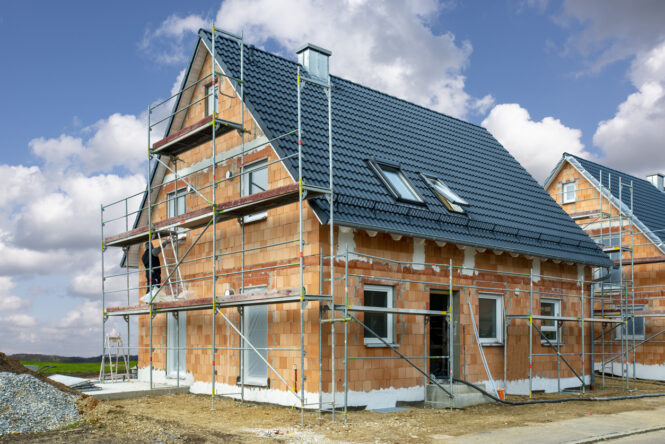
British homes are among the oldest and least energy efficient in Europe, with terrible insulation and single-glazed windows still common. We spend loads heating homes that immediately lose all that warmth through walls and windows.
That’s partly because we’ve got lots of old housing stock, but mainly because there’s been no real push to retrofit and upgrade. Other countries have mandatory efficiency standards that we’ve just never bothered implementing properly.
4. Mobile coverage has embarrassing gaps.

You can be on a main road or train line and suddenly have no signal at all. Large parts of the country have patchy or nonexistent mobile coverage compared to similar nations, where you’d rarely lose connection.
The mobile networks haven’t invested enough in infrastructure outside cities because it’s not profitable enough. Countries that treat communication as essential have pushed companies to provide universal coverage, but we’ve just let them cherry-pick profitable areas.
5. Our airports are overcrowded nightmares.

Heathrow is bursting at capacity with no room to expand properly, and most British airports feel cramped and outdated compared to major international hubs. The experience is generally grim, unless you’re paying for fancy lounges.
That capacity problem has been obvious for decades, but every attempt to expand gets bogged down in planning battles for years. Other countries just build what they need, while we’re still arguing about a third runway that should’ve been done ages ago.
6. The roads are covered in potholes.
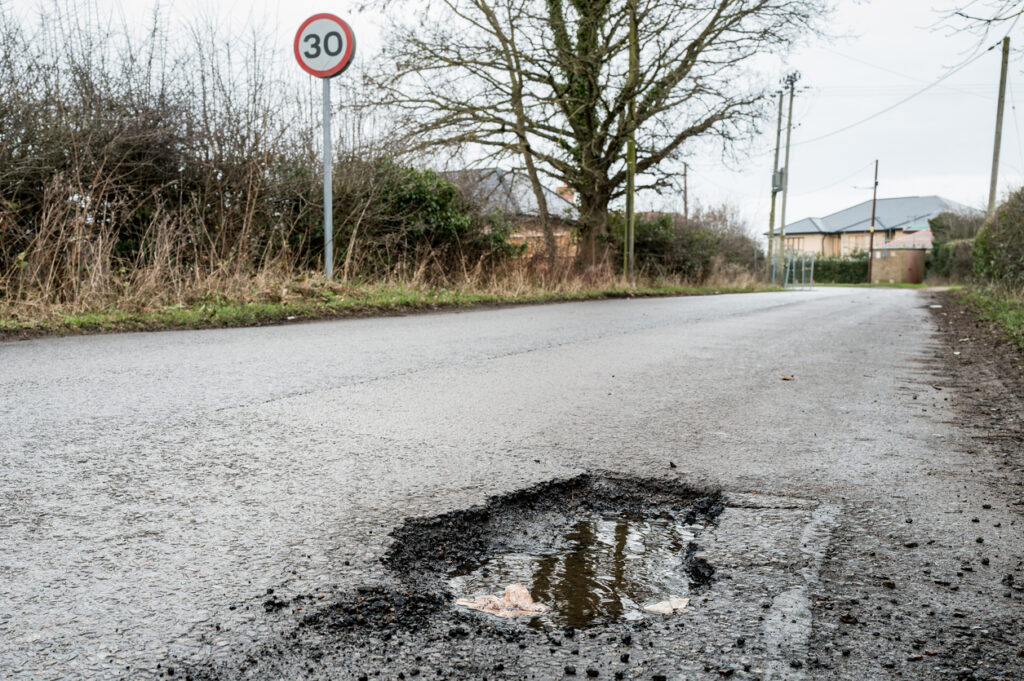
British roads are in terrible condition, with potholes everywhere that damage cars and make cycling dangerous. (You know it’s bad when Channel 5 regularly does hour-long shows on the issue.) Local councils don’t have the money to maintain them properly, so they just get progressively worse every year.
That maintenance backlog is massive because road funding has been cut repeatedly while traffic has increased. Countries that properly fund road maintenance don’t have streets that look like they’ve been bombed, but ours increasingly do.
7. Public transport outside London barely exists.

If you’re not in London, good luck getting anywhere without a car. Bus services have been slashed, trains are sparse and expensive, and most places have virtually no integrated transport network at all.
That’s because we’ve treated public transport as something that should pay for itself, rather than as essential infrastructure. European cities of similar size have comprehensive networks because they actually funded them, while we’ve let ours rot.
8. Our water system leaks everywhere.
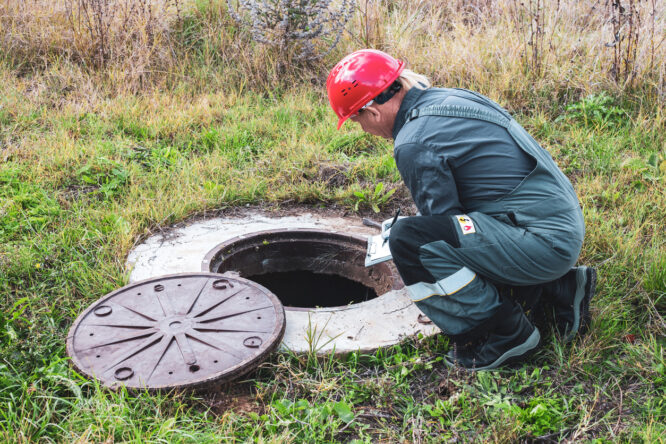
Billions of litres of treated water are lost daily through leaking pipes that haven’t been properly maintained. The infrastructure is crumbling while water companies pay out massive dividends instead of fixing anything.
That’s privatisation giving us the worst of both worlds, where companies extract profit while letting the actual infrastructure decay. Countries that kept water public or regulated it properly don’t have this level of waste and underinvestment.
9. The electricity grid is struggling with demand.
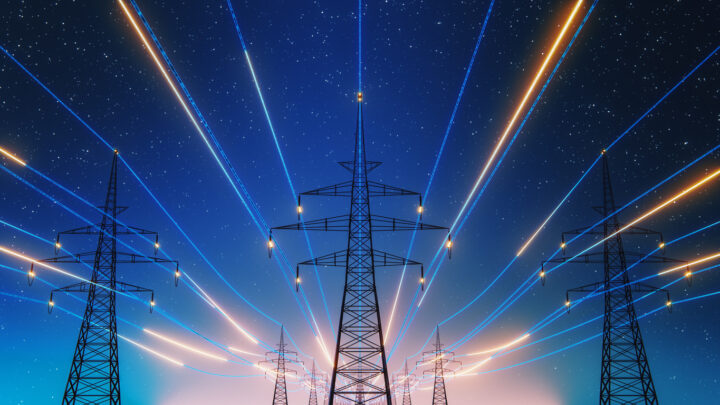
Our grid infrastructure wasn’t built for modern demands and struggles with the transition to renewable energy. We’re having to upgrade huge amounts of equipment that’s decades old and was never designed for current usage patterns.
That outdated grid is now a bottleneck for everything from electric cars to renewable energy expansion. Other countries invested in smart grid technology years ago, while we’re trying to patch together Victorian-era infrastructure.
10. Payment systems are behind the curve.

Contactless took ages to roll out properly here, and we’re still behind places like China or Sweden in digital payments. Loads of places don’t take card at all or have minimum spend requirements.
That’s partly cultural, but also because upgrading payment infrastructure has been slow and patchy. Countries that pushed digital payments as a priority are now largely cashless, while we’re still fumbling with change.
11. The planning system is catastrophically slow.

Getting permission to build anything takes years longer than comparable countries, holding up housing, infrastructure, and business development. The system is so bureaucratic and adversarial that even simple projects get bogged down forever.
That planning paralysis means we can’t build the infrastructure we desperately need because everything gets challenged and delayed endlessly. Other countries have systems that balance concerns with actually getting things done, while ours just stops everything.
12. Cycling infrastructure is almost nonexistent.

Compared to the Netherlands, Denmark, or even Germany, British cycling infrastructure is laughable. Most places have no proper cycle lanes at all, and where they exist they’re often dangerous afterthoughts painted on roads.
That’s because cycling has never been taken seriously as transport here. Countries that invested in proper separated cycle networks decades ago now have loads of people cycling safely, while we’re still treating it as a recreational hobby.
13. Digital government services lag behind.

While Estonia lets you do basically everything online with proper digital ID, British government services are still a mess of different websites that don’t talk to each other, though we’re apparently trying to change that. Simple things require multiple logins and often still need paper forms.
That digital infrastructure gap exists because there’s been no coordinated effort to create integrated government systems. Countries that prioritised digital government from the start now have seamless services, while ours feel cobbled together.
14. Our flood defences are inadequate and underfunded.
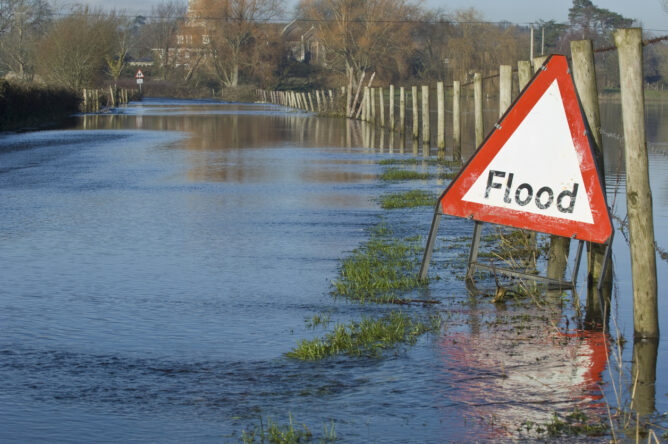
With climate change increasing flood risk, British flood defences are chronically underfunded and often decades out of date. Places flood regularly that could be protected if we’d invested properly in infrastructure.
That lack of investment means we’re constantly reacting to floods rather than preventing them. Countries like the Netherlands that take flood risk seriously have comprehensive defence systems, while we’re still debating whether it’s worth spending the money.